



Vintage Planter Table
A vintage planter table brings greenery indoors, combining functional plant housing with period furniture craftsmanship from the nineteenth and early twentieth centuries.
Vintage Planter Table
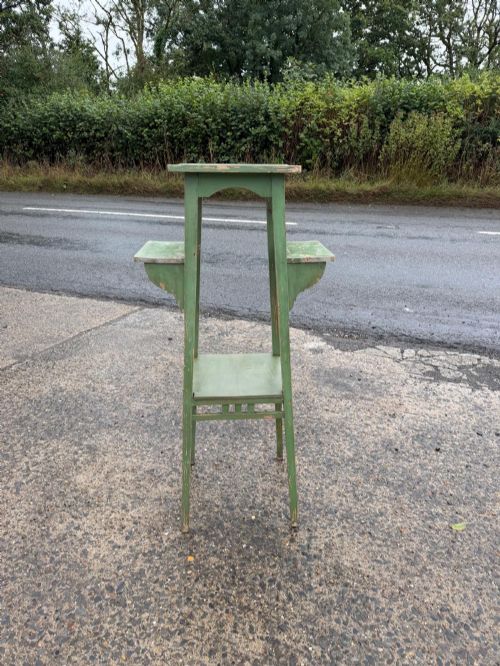
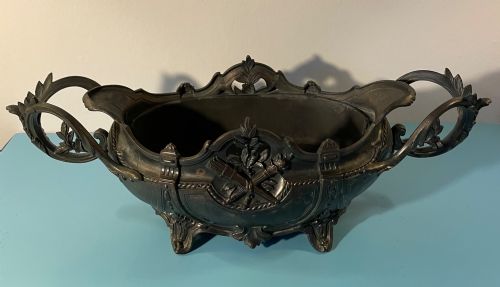
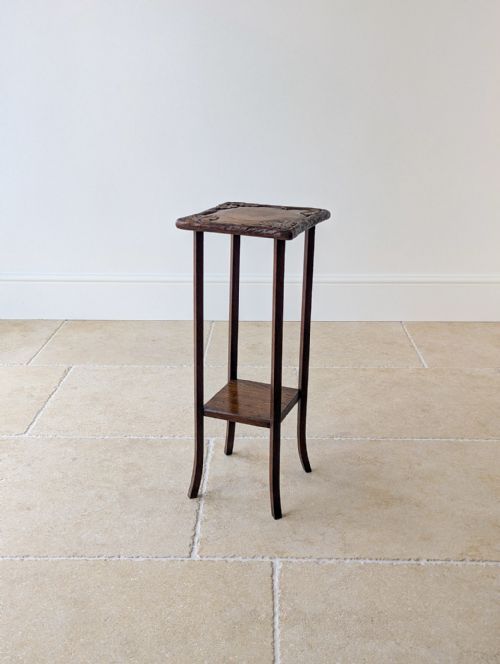
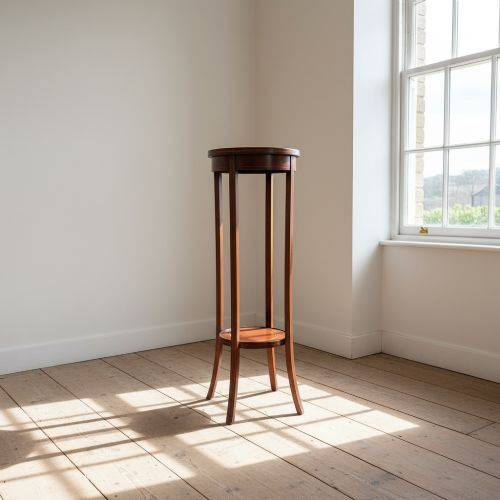
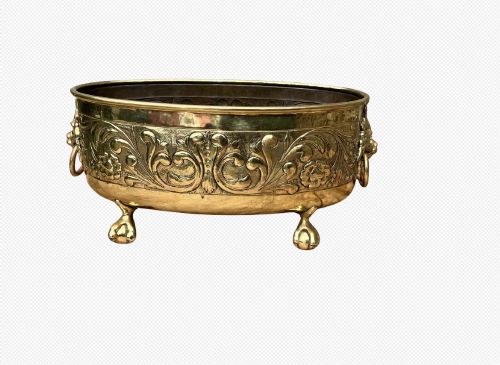
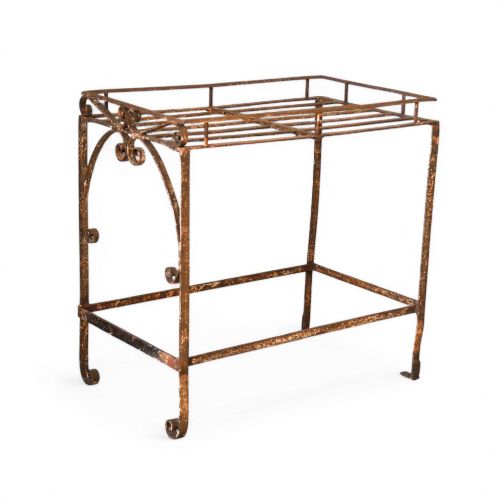
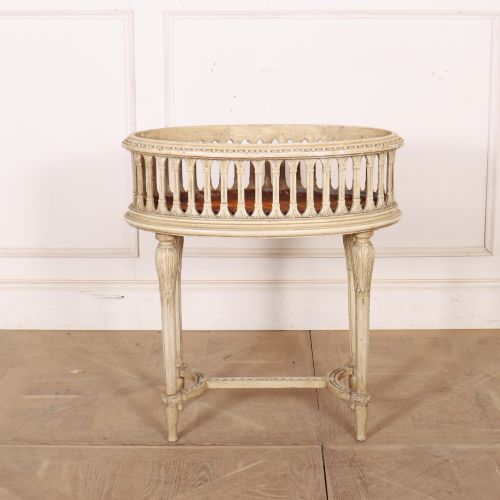
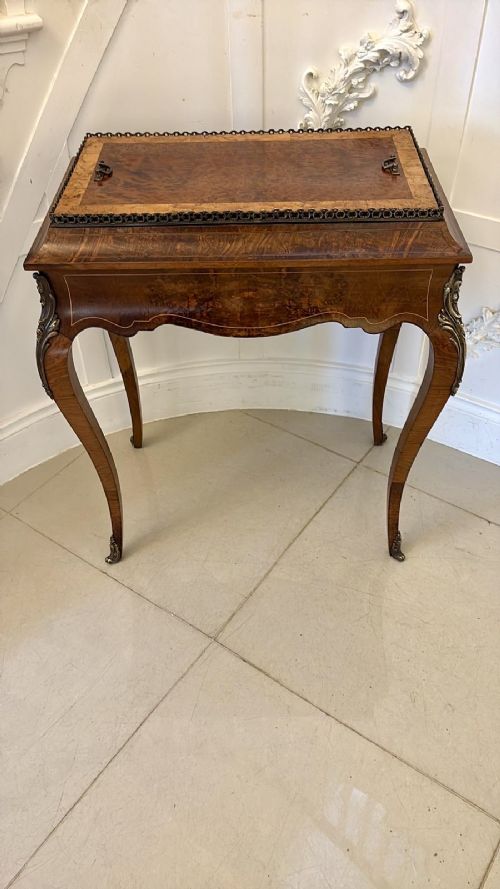
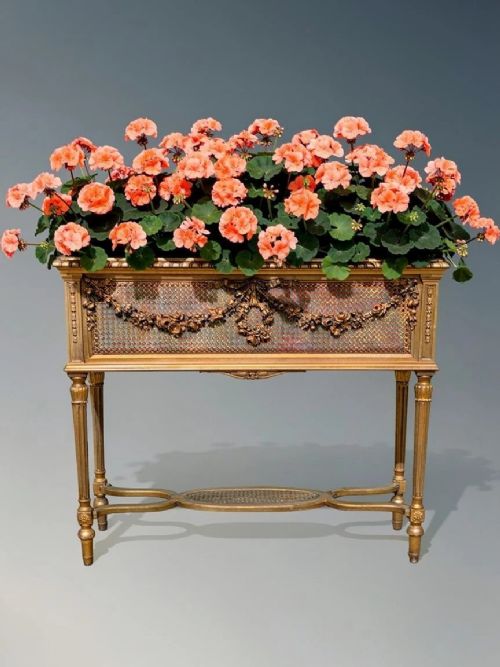
A vintage planter table takes many forms across the selection here, appearing primarily as jardinieres, plant stands, and occasional tables designed to hold botanical displays. These pieces span the nineteenth century into the Edwardian era, incorporating styles such as French Revival, Arts and Crafts, and traditional Chinese export designs.
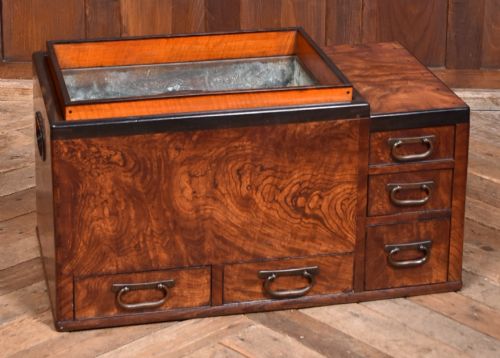
Buyers frequently encounter varieties featuring inset metal liners, tiered shelving, or raised pedestals meant to protect interior surfaces from moisture. The selection ranges from robust oak and mahogany tables to ornate ormolu-mounted walnut and satinwood stands.
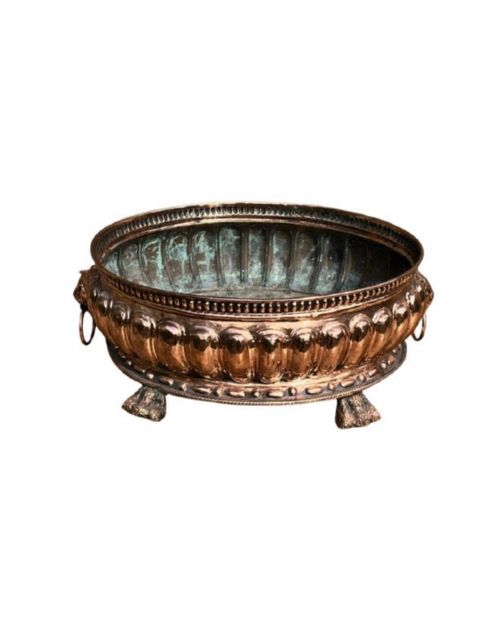
Origin points vary widely, covering English country house pieces, French salon furniture, and continental copper or brass work. Each iteration serves the dual purpose of display furniture and practical indoor gardening.
Materials and Construction
Cabinetmakers utilised hardwoods such as mahogany, walnut, oak, and satinwood for the structural frames, frequently applying marquetry, inlay, or original paint finishes. Metal elements play a crucial role, with copper, brass, zinc, and ormolu forming liners, mounts, and decorative accents.
Internal waterproofing is achieved through fitted metal liners made of copper or zinc, which protect the surrounding wood from water damage during plant watering. Joinery techniques reflect the period of manufacture, from traditional cabinet framing to turned barley twist supports and wrought iron work.
The site listings demonstrate a strong presence of nineteenth-century French and Edwardian British examples utilising mahogany, oak, and brass.
Evaluating Craftsmanship
Quality rests heavily on the integrity of the original metal liner and the precision of the cabinetwork. Pieces retaining their fitted zinc or copper inserts command greater interest because these components often vanish or require replacement over time.
The refinement of the decorative mounts, wood veneers, and inlay work distinguishes standard utility pieces from high-status salon furniture. Superior examples exhibit crisp ormolu casting, tight joinery, and well-preserved surface patination.
Daniel and Arter
The Vintage Planter Table Glossary
- Jardiniere
- An ornamental pot or stand for holding plants or flowers. These items often feature dedicated metal liners to catch drainage water.
- Ormolu
- Gilded bronze or brass applied as decorative mounts on furniture. This technique is common on French revival pieces from the nineteenth century.
- Marquetry
- Decorative veneer patterns assembled from various woods to form pictorial or geometric designs on table tops. It appears frequently on walnut and satinwood planter tables.
- Barley Twist
- A turned wooden furniture leg resembling a twisted rope. This detail is typical on oak and walnut stands from the period.
- Hibachi
- A traditional Japanese heating device or brazier repurposed in Western interiors as a planter or decorative bowl. These metal vessels often feature intricate surface detailing.
Vintage Planter Table: Frequently Asked Questions
What is a planter table used for?
These tables provide an elevated surface to display potted plants, ferns, and floral arrangements within domestic living spaces. They allow indoor greenery to be incorporated into room schemes while keeping botanical displays contained.
The integrated metal liners collect excess water during maintenance, protecting surrounding flooring and furniture surfaces from moisture damage.
How do I care for the wood and metal?
Maintaining these pieces involves protecting the wooden surfaces from standing water and humidity by removing liners during watering. Regular dusting and occasional wax polishing preserve the finish of hardwoods like mahogany and walnut.
Metal liners require cleaning to prevent corrosion, while brass and copper mounts benefit from gentle dusting without harsh chemical polishes.
How do I date a planter table?
Dating relies on identifying stylistic markers, timber choices, and construction methods characteristic of specific periods like the Edwardian era or nineteenth century. Inlaid satinwood and ormolu mounts often point to French revival influences, while exposed joinery indicates Arts and Crafts origins.
Hardware styles, timber patination, and the presence of original paint finishes help narrow down the decade of manufacture.
Can I use them for real plants?
Most pieces are designed specifically for live botany, provided the original waterproof metal or ceramic liner is intact. Using a secondary plastic pot inside the liner prevents direct contact with moisture.
Dry decorative arrangements or trailing foliage also suit pieces where the metal liner is absent or purely decorative.