





Edwardian Decorative Planter
These edwardian decorative planter items bring interior greenery into period rooms through brass, copper, porcelain, and wrought iron forms.
Edwardian Decorative Planter
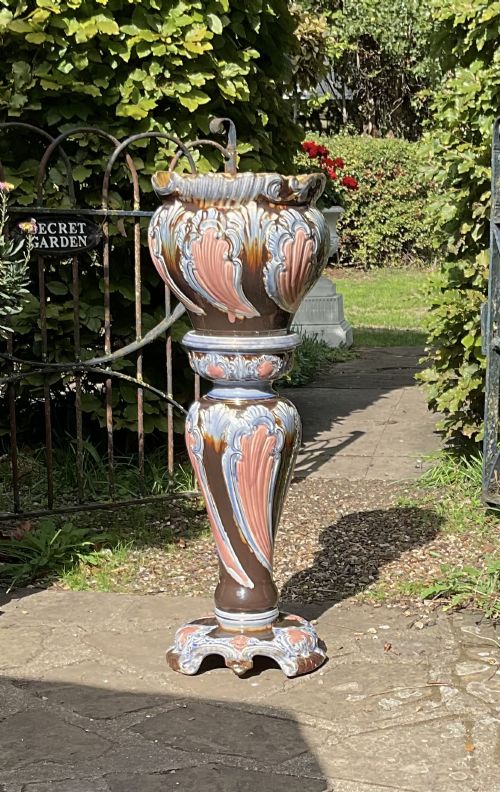
An edwardian decorative planter serves to house indoor foliage and floral arrangements across domestic spaces, drawing from styles such as Art Nouveau, Neo-Classical, and Arts and Crafts. The selection spans traditional jardiniere pots, plant stands, posy holders, and garden racks produced during the late nineteenth and early twentieth centuries.
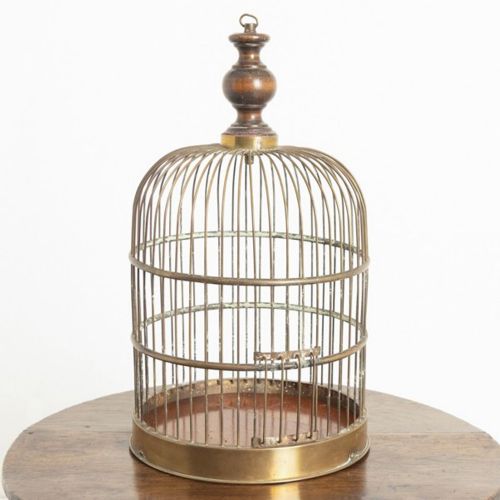
Makers and manufacturers utilised varied materials including porcelain, brass, copper, wrought iron, silver plate, and oak to construct these vessels. Forms range from simple coopered oak stands and copper coal buckets to elaborate ormolu-mounted satinwood pieces and blush ivory porcelain jardiniere designs.
What Varies in Quality
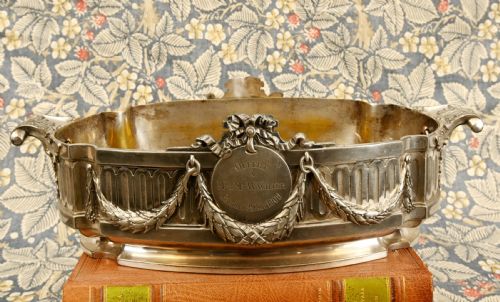
Quality rests on the refinement of surface decoration, such as the hand-painted floral motifs on blush ivory porcelain or the crispness of casting in brass and ormolu mounts. Finer examples display balanced proportions, integrated handles, and harmonious material pairings like silver-plated stands holding fitted ceramic pots.
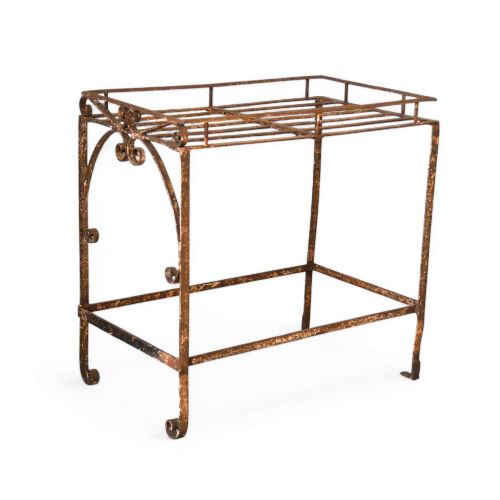
The integrity of construction distinguishes utilitarian items from high-status drawing-room pieces, seen in tight coopered oak staves or sturdy wrought iron scrollwork. Finer decorative planters integrate stylistic details from Art Nouveau or Neo-Classical vocabularies without losing structural stability.
Edwardian Decorative Planter Retail Price Guide 2026
Typical asking prices for edwardian decorative planter among the pieces listed under this phrase on Sellingantiques today, from the lower quarter to the upper quarter. They describe what is for sale here now, not the wider market.
Current listings feature materials spanning porcelain, brass, copper, wrought iron, silver plate, oak, and satinwood across the Edwardian and late Victorian eras.
Krister KPM Waldenburg·Royal Worcester·Coalport
The Edwardian Decorative Planter Glossary
- Jardiniere
- An ornamental pot or stand for holding plants or flowers. These vessels sit upon tables or floors within period interiors.
- Ormolu
- Gilt bronze ornamentation applied to furniture and decorative objects. It provides metallic contrast against satinwood or mahogany bodies.
- Coopered
- Constructed from wooden staves bound by metal hoops, similar to barrel-making. This technique shapes oak jardiniere stands and planter buckets.
- Posy holder
- A small vessel designed for displaying short-stemmed floral posies. They appear in porcelain forms depicting figures or animals.
Edwardian Decorative Planter: Frequently Asked Questions
How were jardiniere stands used in period homes?
These planters held potted palms, ferns, and floral displays in conservatories, drawing rooms, and hallways.
They protected interior surfaces from moisture while elevating greenery to eye level as decorative focal points.
What materials are common in edwardian decorative planters?
Metals like brass, copper, wrought iron, and silver plate appear alongside ceramics including porcelain and English pottery.
Wood elements involve oak, satinwood, and ormolu mounts reflecting Arts and Crafts or Neo-Classical tastes.
How do I care for antique metal planters?
Dust brass and copper gently with a dry cloth to preserve patination. Avoid harsh chemical polishes.
Use a protective inner liner if placing live plants inside to prevent water damage to historic surfaces.
How do I distinguish Art Nouveau from Neo-Classical planters?
Art Nouveau examples favour organic whiplash lines, stylised floral motifs, and hammered copper surfaces.
Neo-Classical pieces utilise symmetrical geometry, ormolu mounts, and classical architectural proportions inspired by antiquity.