

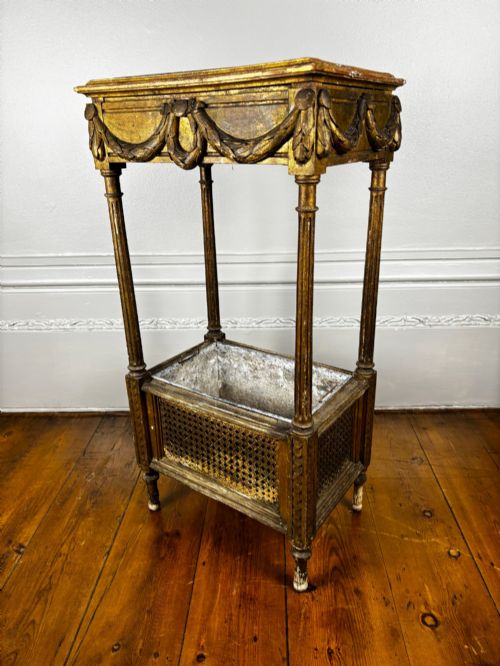


Antique Jardinere Stand
An antique jardinere stand is a sturdy furniture piece designed to elevate indoor plants, bringing architectural height and botanical charm to any room.
Antique Jardinere Stand
The search for an antique jardinere stand reveals an assortment of elevated plant holders and planters drawn from the nineteenth and early twentieth centuries. These furnishings range from simple tripod iron pot stands to elaborate tiered display tables.
Victorian and Edwardian examples dominate the selection, often combining practical botanical use with decorative display. Pieces appear in various forms, including dedicated plant stands, jardiniere tables, and larger oriental planters on separate supports.
Origins stretch across British, French, and Oriental traditions, reflecting diverse interior tastes throughout the Victorian era and the subsequent Edwardian period. Buyers encounter both compact pot stands and substantial multi-tiered jardinere tables.
How they were made
Cabinet makers utilised fine timbers such as mahogany, satinwood, and burr walnut, frequently applying intricate marquetry inlay or cane panels. Giltwood and ormolu mounts added decorative flourish to French Empire and Rococo revival designs.
Metalworking techniques produced durable iron and brass supports, utilising cast iron, wrought iron, and polished brass. White paint finishes and specialised metal liners accommodated the moisture requirements of live plants.
Antique Jardinere Stand Retail Price Guide 2026
Typical asking prices for jardinere stand among the pieces listed under this phrase on Sellingantiques today, from the lower quarter to the upper quarter. They describe what is for sale here now, not the wider market.
Listings feature periods from the nineteenth century through the Edwardian era, including specific years like 1800, 1810, 1870, 1880, and 1910.
What varies in quality
The refinement of decorative detail separates standard production pieces from finer examples. Precision in marquetry inlay, the crispness of ormolu mounts, and the intricacy of brass or giltwood carving dictate the standing of a piece.
The Antique Jardinere Stand Glossary
- Jardiniere
- An ornamental pot or stand for holding plants or flowers. This term covers both the vessel and its supporting structure.
- Ormolu
- Gilded bronze or brass applied as a decorative mount on furniture. It adds metallic lustre to French revival and Edwardian pieces.
- Marquetry
- Decorative veneer work using pieces of wood to form pictorial patterns. Artisans inlay contrasting timbers into surfaces like burr walnut.
- Caning
- Woven rattan or cane material used for panels. It appears on lighter furniture tiers to provide texture.
- Cellarette
- A chest or stand formerly used for holding bottles. Some larger nineteenth century planter designs share this deep format.
Antique Jardinere Stand: Frequently Asked Questions
How were jardinere stands used historically?
Historically, these stands placed indoor foliage at eye level to bring nature into Victorian and Edwardian parlours and drawing rooms. They acted as decorative focal points for ferns, palms, and flowering plants.
Many incorporated metal liners to protect the surrounding woodwork from water damage during daily plant maintenance.
How do I style an antique plant stand?
Living with these pieces involves using them to display trailing houseplants, ferns, or floral arrangements in living spaces and hallways. Their elevated forms create vertical interest and break up flat room layouts.
They pair well with traditional and eclectic interiors, functioning as standalone accent furniture or plant holders.
How do I identify Victorian jardinere stands?
Victorian stands typically feature robust materials like cast iron, wrought iron, or dark hardwoods such as mahogany and walnut. Design cues often include ornate painted finishes or classic revival styling.
Later Edwardian versions frequently introduce lighter satinwood, delicate ormolu mounts, and refined inlaid decoration.