

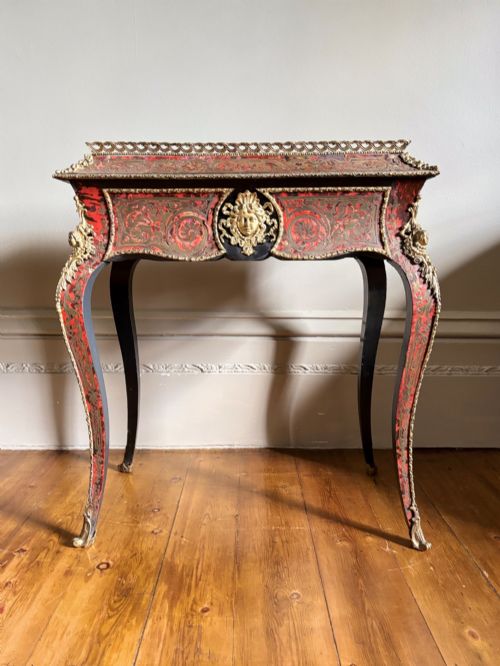
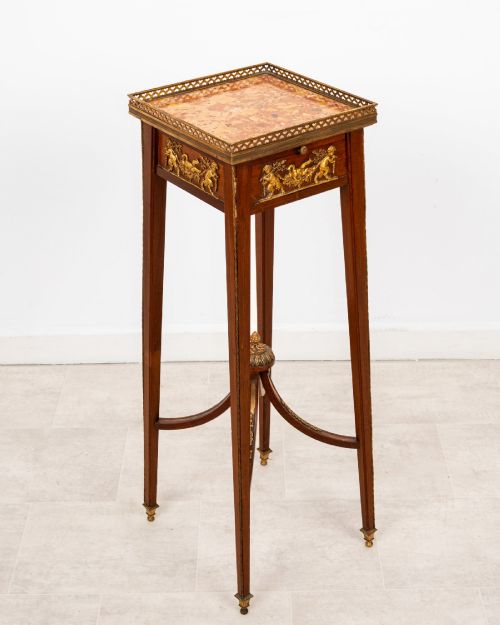
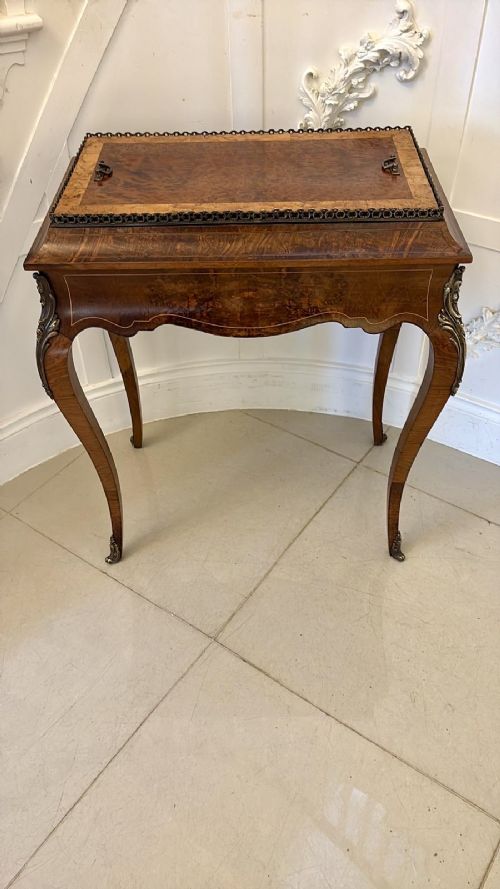


Ormolu Mounted Plant Stand
An ormolu mounted plant stand brings architectural presence to a room, combining fine timber and cast mounts to display indoor greenery.
Ormolu Mounted Plant Stand
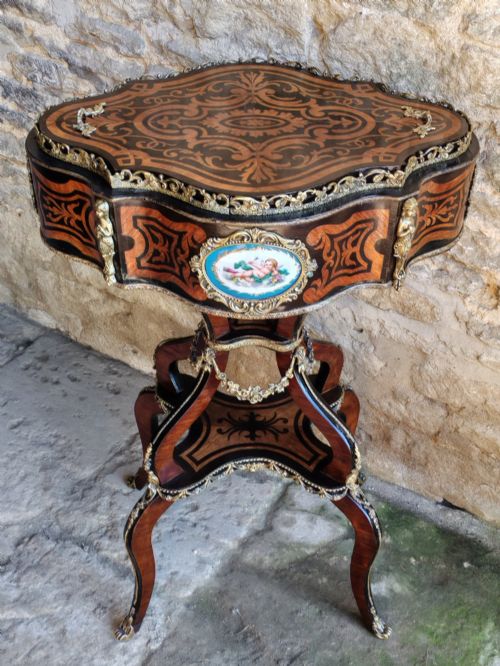
An ormolu mounted plant stand encompasses elevated display pieces designed to hold botanical arrangements, jardinières and planters within domestic interiors. These furnishings appear frequently as French side tables, pedestals, columns and specialised jardinière tables originating across the nineteenth century.
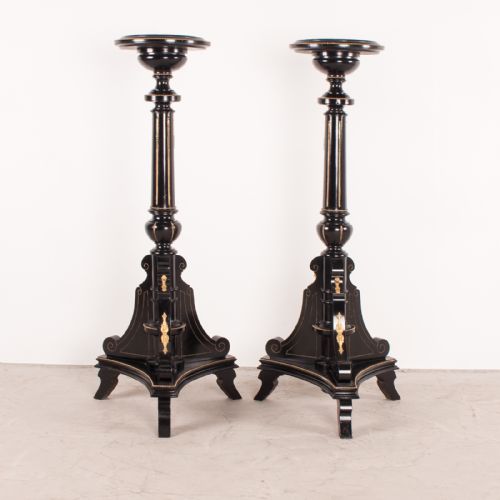
The selections span distinct stylistic revivals, notably Louis XV, Louis XVI, Napoleon III and French Empire designs. Makers incorporated functional liners, galleried tops and freestanding column forms suited to nineteenth-century horticultural display.
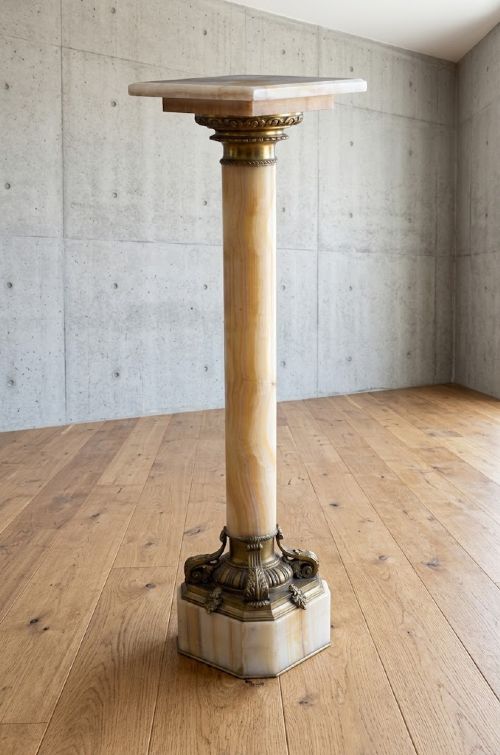
Buyers encounter varied configurations ranging from compact occasional tables with lower tiers to imposing marble-topped pedestals. The overarching typology bridges decorative furniture and practical plant support through gilt bronze detailing.
What varies in quality
The refinement of the cast bronze mounts distinguishes finer examples, where crisp chasing and deep mercurial gilding display sharp articulation. Lesser pieces rely on softer, shallower castings with minimal hand finishing.
The precision of the cabinetwork and veneer selection separates workshop standards. Superior examples feature closely matched timber grains, tightly fitted parquetry and substantial marble or onyx tops rather than thin surface veneers over secondary woods.
Listings feature numerous nineteenth-century French pieces combining walnut, mahogany, and kingwood with cast ormolu mounts.
François Linke·Weisweller
The Ormolu Mounted Plant Stand Glossary
- Ormolu
- Gilded bronze ornamentation applied to furniture and decorative objects. The technique involves coating cast bronze with a gold amalgam and heating it to drive off the mercury.
- Jardiniere
- An ornamental stand or container designed to hold growing plants or flowers. These vessels often incorporate metal liners to protect the surrounding timber structure from moisture.
- Gueridon
- A small round occasional table supported by one or more central columns or figurative legs. Originating in the seventeenth century, these tables remained popular during nineteenth-century revivals.
- Torchere
- A tall stand designed to support a light fixture or decorative object such as a vase or plant. They typically feature slender columnar shafts rising from stable weighted bases.
- Vernis Martin
- A type of simulated Japanese lacquer developed by the Martin brothers in eighteenth-century France. Later nineteenth-century cabinetmakers adopted the technique to decorate panels on fine stands.
Ormolu Mounted Plant Stand: Frequently Asked Questions
What is an ormolu mounted plant stand?
An ormolu mounted plant stand is a decorative nineteenth-century furnishing designed to elevate indoor flora. These pieces combine rich timber cabinetry with cast gilt bronze mounts.
They appear as specialised jardinière tables, pedestals, and columns with dedicated display tops. The category merges functional botany with formal interior decoration.
How were these stands used historically?
Victorian and Edwardian households utilised these stands in drawing rooms and reception spaces to display exotic potted plants and flowering arrangements. The raised design protected delicate flooring and brought greenery to eye level.
Many incorporated metal liners to contain water and soil during daily plant care. Others functioned simultaneously as wine coolers or cellarettes.
How do I identify Louis XVI style features?
Louis XVI style pieces emphasise neoclassical symmetry, straight tapered legs, and architectural proportions. Ornamentation draws on classical antiquity through acanthus leaves, beaded borders, and ribbon twists.
These stands typically display restrained geometry compared to the asymmetric curves of earlier Louis XV designs.
How should I care for marble top tables?
Marble and onyx tops require gentle cleaning with mild, pH-neutral soap and soft cloths to preserve the polished surface. Acidic substances like citrus juice or plant fertilizers must be wiped away immediately to prevent etching.
Use protective pads beneath planters to guard against moisture rings and scratching.