



Vintage Plant Vessel
These vintage plant vessels encompass brass, copper, and bronze jardinières alongside ceramic pots spanning the nineteenth century through the Edwardian era.
Vintage Plant Vessel
When searching for a vintage plant vessel, buyers encounter heavy metal jardinières, indoor planters, and ornamental pots designed to hold growing greenery or display cut plants. These items originate from Victorian, Edwardian, and Arts and Crafts periods, reflecting domestic horticulture of the past.
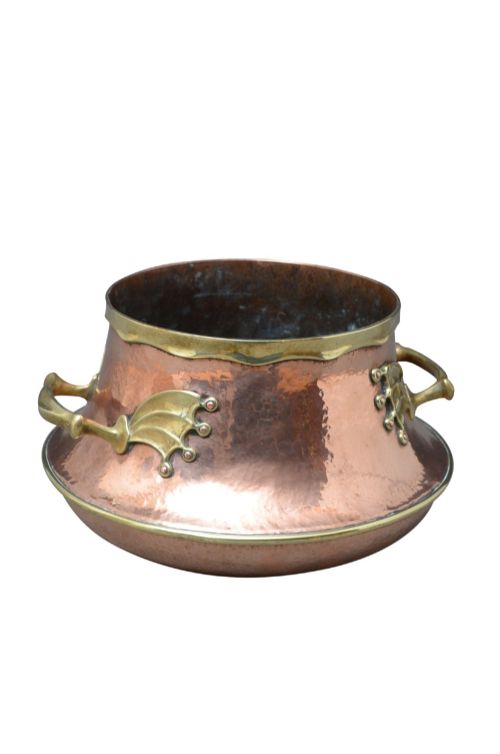
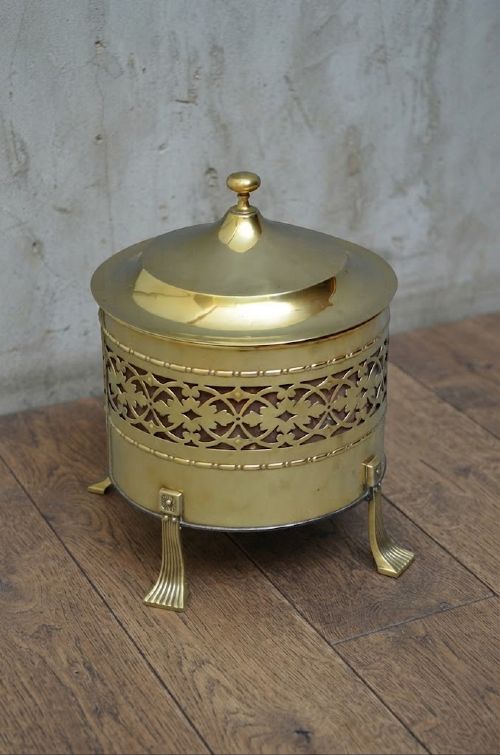
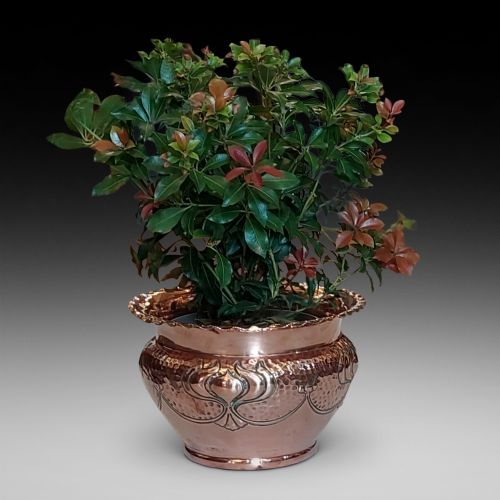
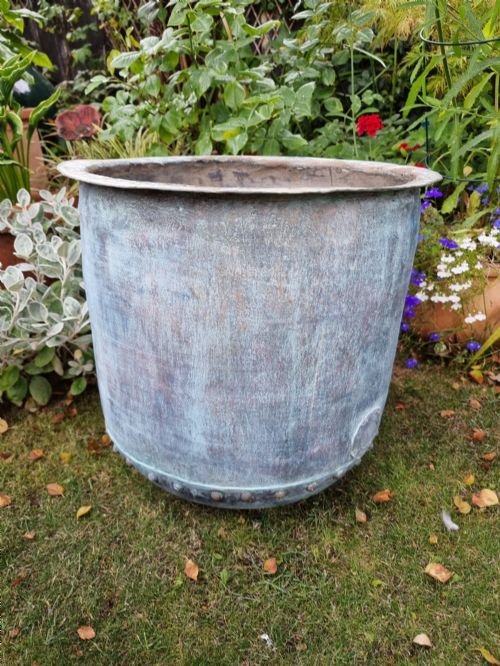
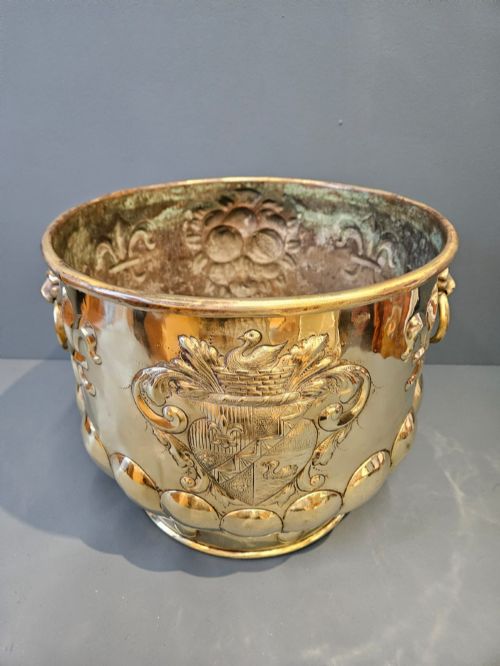
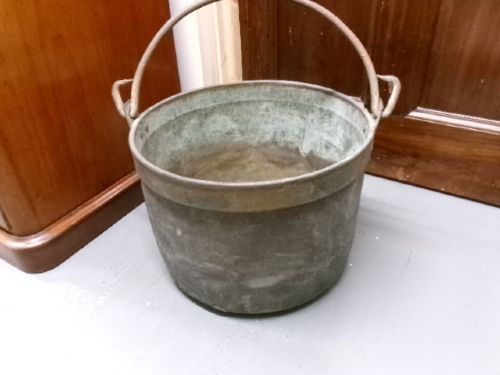
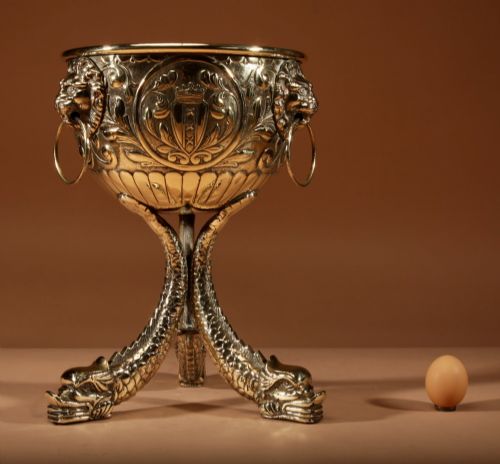
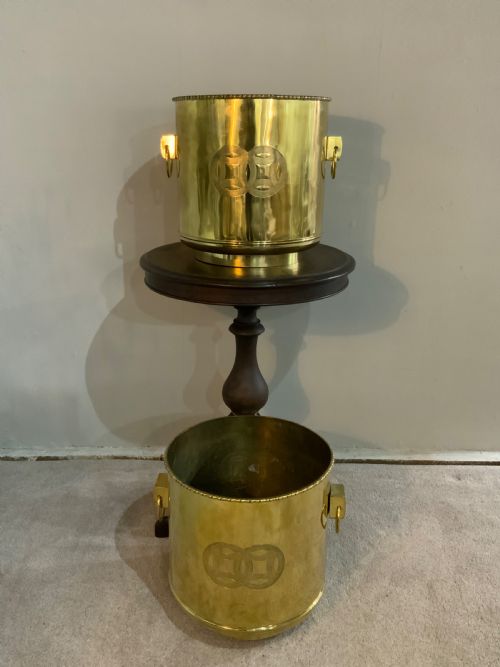
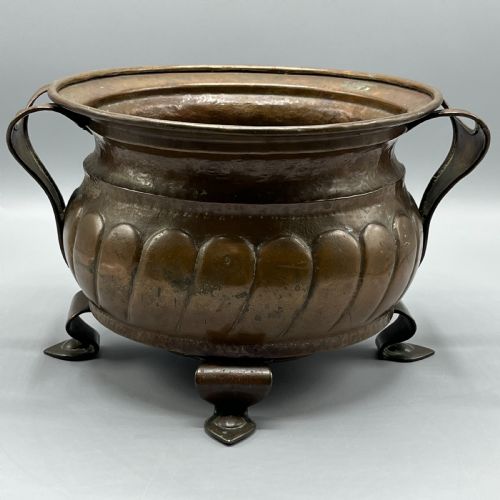
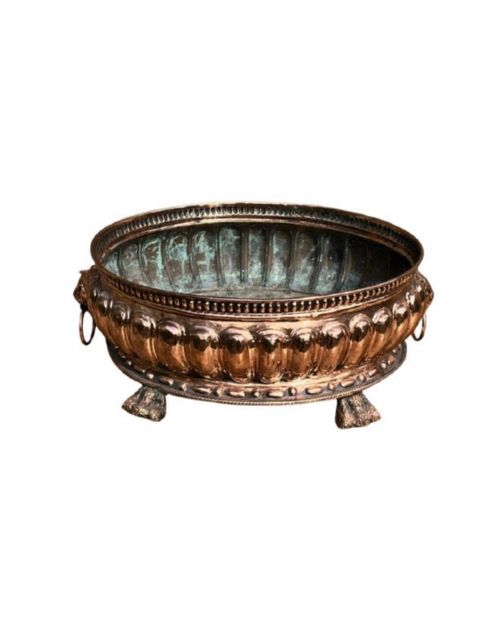
The most common examples on this page are brass and copper jardinières shaped as circular bowls, cauldrons, or cylindrical pots. Pieces often rest on stands or feature swing handles and embossed surface decoration.
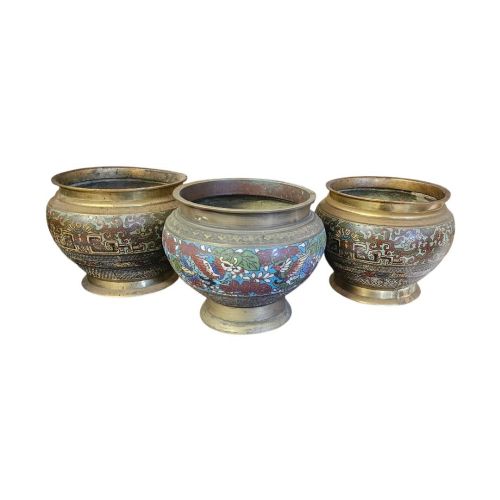
Beyond standard European metalwork, the selection includes Chinese champlevé enamel, Japanese bronze bowls, and glazed stoneware pieces from potteries such as Doulton Lambeth. Forms range from utilitarian watering cans and log bins to grand display vessels intended for country house interiors.
Materials and construction
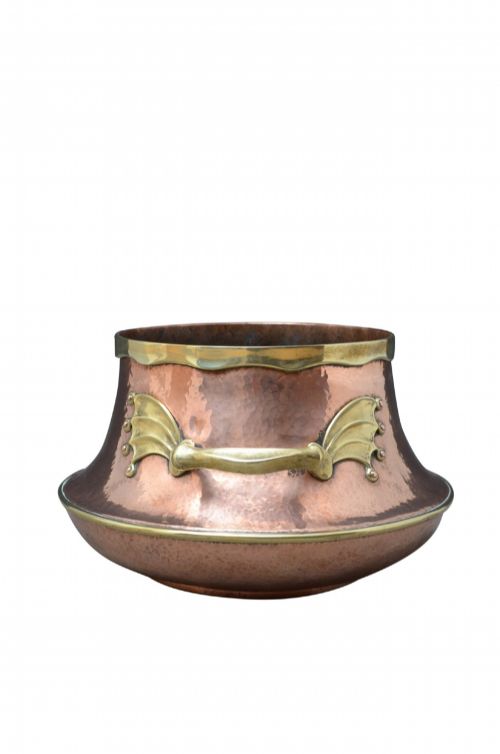
Makers utilised sheet metals like copper and brass, shaping vessels through hammering, spinning, or casting. Many Arts and Crafts and Art Nouveau examples display visible hand-be hammered textures and riveted seams produced by artisan metalworkers.
Brass items frequently incorporate decorative techniques such as piercing, fretwork, and embossing, sometimes associated with traditional dinanderie work. Bronze and enamel pieces involve intricate casting and cloisonné or champlevé detailing, while ceramic variants utilise salt-glazed stoneware.
Vintage Plant Vessel Retail Price Guide 2026
Typical asking prices for vintage plant vessel among the pieces listed under this phrase on Sellingantiques today, from the lower quarter to the upper quarter. They describe what is for sale here now, not the wider market.
Several heavy copper vessels spent decades hauling coal before retiring to a peaceful life holding ferns.
Factors determining quality
The weight of the metal and thickness of the vessel wall separate robust items from lighter mass-produced alternatives. Substantial gauge brass and solid copper demonstrate superior structural integrity.
Artisanal execution distinguishes finer pieces, seen in crisp embossing, precise piercing work, and carefully finished handles or applied crests. Signed ceramic bodies or complex champlevé enamel indicate higher workshop standards.
Doulton Lambeth·Royal Doulton
The Vintage Plant Vessel Glossary
- Jardiniere
- An ornamental pot or stand designed to hold a plant or flower arrangement. These vessels sit indoors on tables or hearths rather than in open gardens.
- Dinanderie
- The medieval and revived art of working and engraving objects in brass, copper, or bronze. Makers utilised this technique for embossed planters and decorative containers.
- Champleve
- An enamelling technique where troughs are carved into a metal surface and filled with vitreous enamel before firing. This method appears on Chinese bronze vessels.
- Cauldron
- A rounded metal pot with a large opening, frequently fitted with a swing handle. Victorian examples in copper and brass often served dual purposes as plant holders.
Vintage Plant Vessel: Frequently Asked Questions
How were brass jardinières used originally?
These vessels held potted palms and ferns inside Victorian and Edwardian drawing rooms, catching drainage water beneath the plant.
Households also utilised heavy brass cauldrons and buckets for carrying coal or water before central heating became common.
How do I care for a copper plant pot?
Keep the interior lined with a modern waterproof saucer to prevent moisture from sitting directly against historic metal or ceramic surfaces.
Clean the exterior gently with a soft cloth to preserve the natural oxidation and patina accumulated over the decades.
What is the difference between a jardiniere and a planter?
A jardiniere typically refers to an ornate decorative vessel meant to display an existing plant pot hidden inside it.
Planters often receive soil directly, though many vintage metal examples served both decorative and practical indoor gardening roles.
How do I date an antique brass planter?
Examine the manufacturing marks, construction seams, and stylistic details such as Art Nouveau whiplash lines or Arts and Crafts hand-hammering.
Victorian and Edwardian pieces frequently display registration numbers, maker stamps, or specific casting methods typical of those decades.