



Antique Indoor Cachepot
An antique indoor cachepot hides a standard plant pot inside decorative brass, copper, or ceramic vessels.
Antique Indoor Cachepot
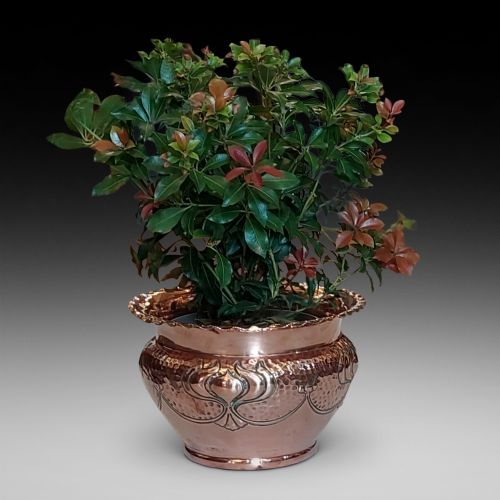
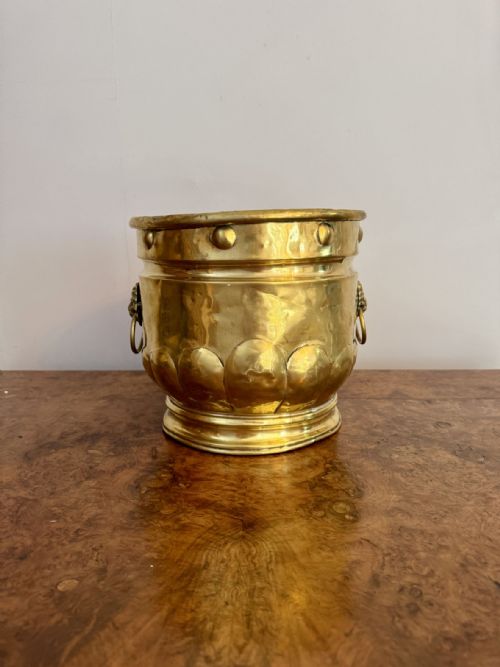
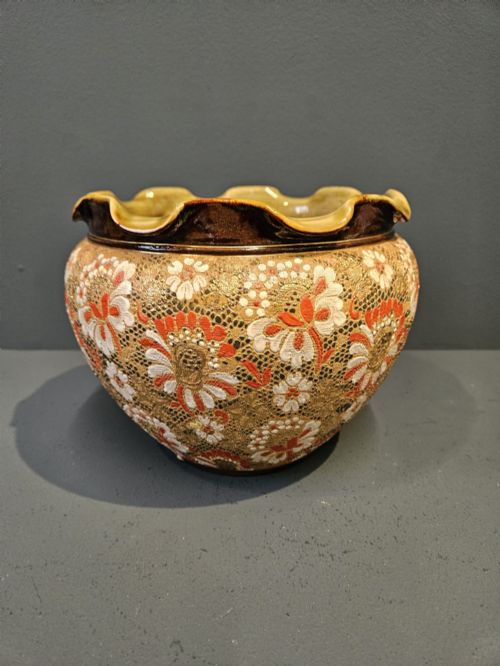
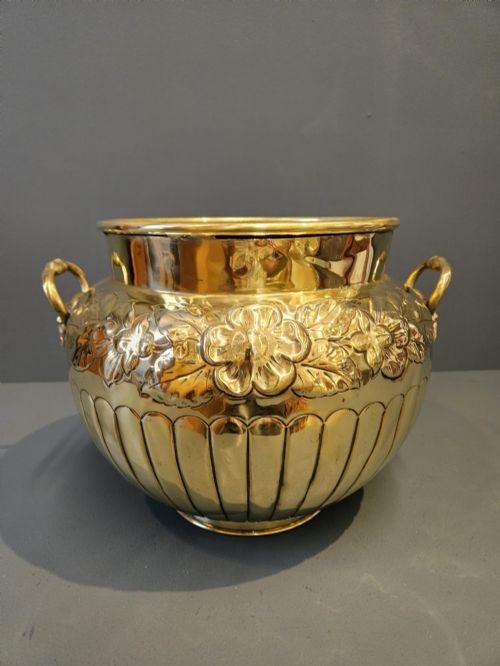
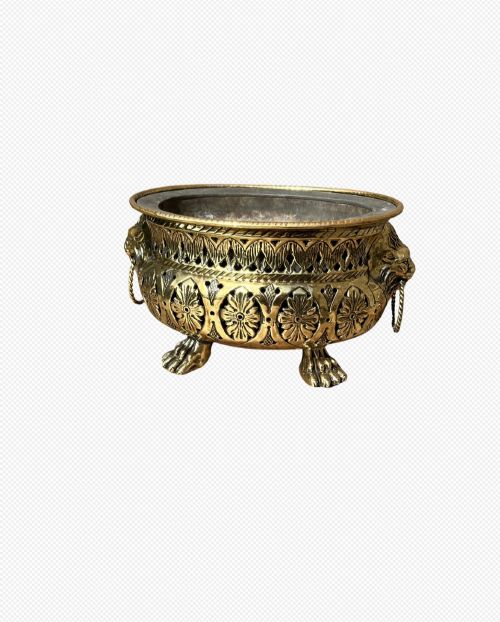
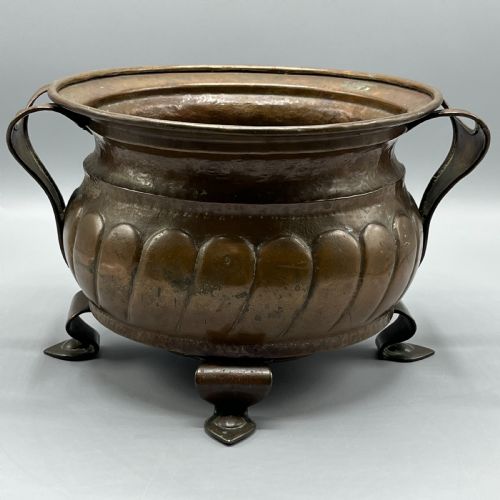
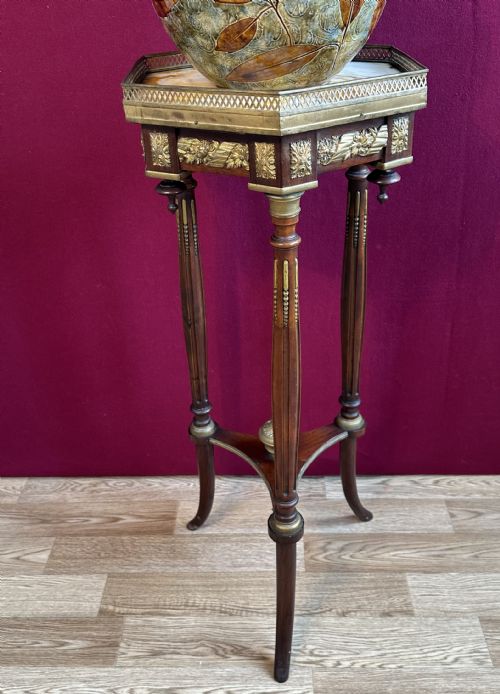
When you search for an antique indoor cachepot, you encounter decorative decorative vessels designed to hold potted plants and protect furniture from water. The items listed here span from the nineteenth century into the early twentieth century, taking the form of jardiniere planters, plant stands, and cache pots. You are most likely to meet brass and copper examples alongside glazed ceramic and earthenware pieces.
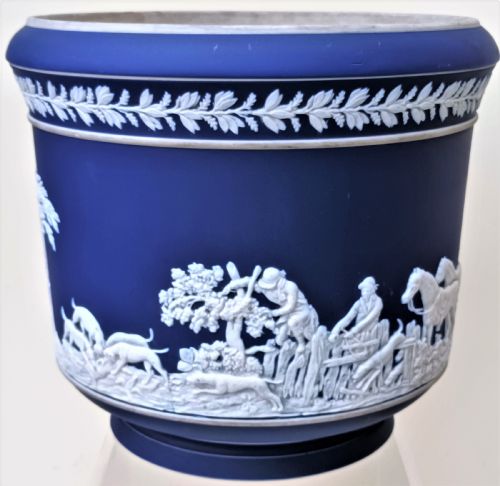
Makers and potteries such as Doulton Lambeth, Royal Doulton, Royal Worcester, and William Adams & Sons appear among the ceramic selections. Metal vessels often exhibit Victorian, Edwardian, Arts and Crafts, or Art Nouveau styling, while materials range from solid copper and brass to salt-glazed stoneware and jasper ware.
What varies in quality
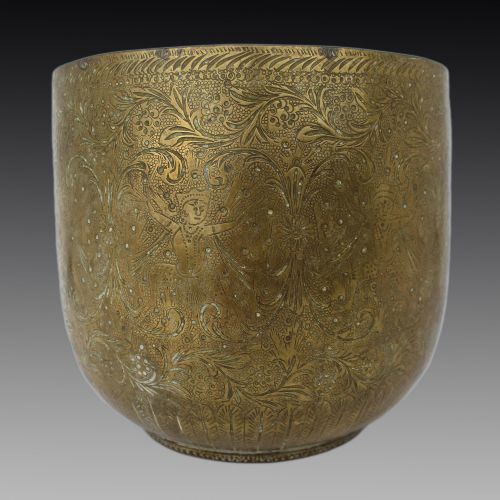
The distinction between standard and superior pieces rests on the crispness of the hand-engraving, the depth of the metal embossing, and the precision of the piercing. Weight and gauge of the brass or copper also indicate sturdiness and substance.
In ceramic items, the clarity of the moulded relief, the richness of the glaze, and the pedigree of the pottery distinguish workshop output.
Antique Indoor Cachepot Retail Price Guide 2026
Typical asking prices for indoor cachepot among the pieces listed under this phrase on Sellingantiques today, from the lower quarter to the upper quarter. They describe what is for sale here now, not the wider market.
Materials cover ceramic, earthenware, salt-glazed stoneware, brass, copper, walnut, and giltwood.
William Adams And Sons·Doulton Lambeth·Royal Doulton·Enoch Wood And Sons·Royal Worcester
The Antique Indoor Cachepot Glossary
- Cachepot
- A decorative container designed to conceal an ordinary flowerpot. The word originates from the French words meaning to hide a pot.
- Jardiniere
- A large ornamental pot or stand for flowers or plants. They are typically manufactured from ceramic or metal.
- Jasper ware
- A type of pottery developed by Josiah Wedgwood featuring a vitreous unglazed fine stoneware body. It is often ornamented with contrasting white reliefs.
- Majolica
- A type of earthenware pottery glazed with tin enamel and painted with colourful designs. It gained popularity during the nineteenth century for garden and indoor ornaments.
- Dinanderie
- An object made from beaten brass or copper alloy. The term derives from the Belgian town of Dinant, known historically for brassware.
Antique Indoor Cachepot: Frequently Asked Questions
What is the difference between a cachepot and a jardiniere?
A cachepot is strictly designed to hold a potted plant and catch drainage water inside its decorative shell. A jardiniere often performs the same function but can sometimes be planted directly.
Historically, the terms overlap heavily in antique listings, though cachepots tend to be slightly smaller and cylindrical.
How do I clean antique brass and copper cachepots?
Dust metal vessels gently with a soft dry cloth to remove surface particles. Avoid harsh chemical polishes that strip away the aged patina accumulated over the decades.
Preserving the original surface coloration is standard practice for maintaining historical character.
Can I plant directly inside ceramic cachepots?
Placing soil and water directly inside antique ceramic or metal vessels risks damaging the interior glaze and causing corrosion or leaks. Using a smaller plastic pot with a saucer inside the decorative container protects the antique.
This method also makes watering and plant maintenance significantly easier.
How do I identify an Arts and Crafts cachepot?
Arts and Crafts metal cachepots display visible hand-hammered marks, rivets, and simple structural forms rather than ornate factory engraving. They emphasise honest craftsmanship and materials such as solid copper and brass.
Stylistic influences from this movement date mostly from the late nineteenth and early twentieth centuries.