
Vintage Pine Seat
These vintage pine seats bring robust timber and painted folk character to hallways, kitchens and gardens, offering honest utility shaped by centuries of daily use.
Vintage Pine Seat
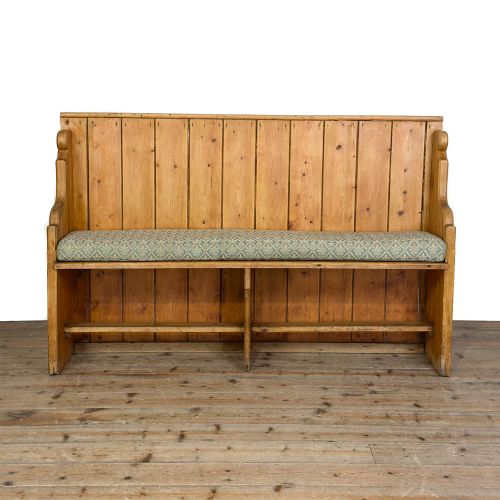
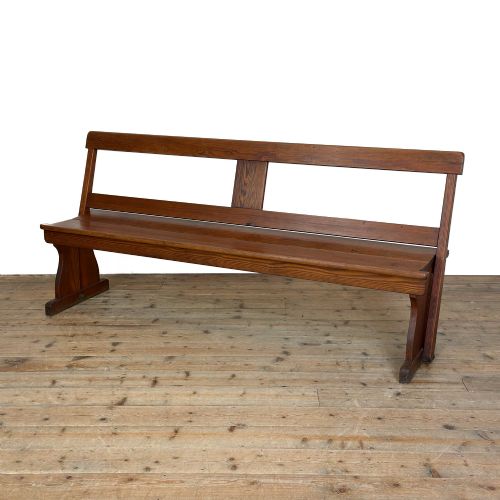
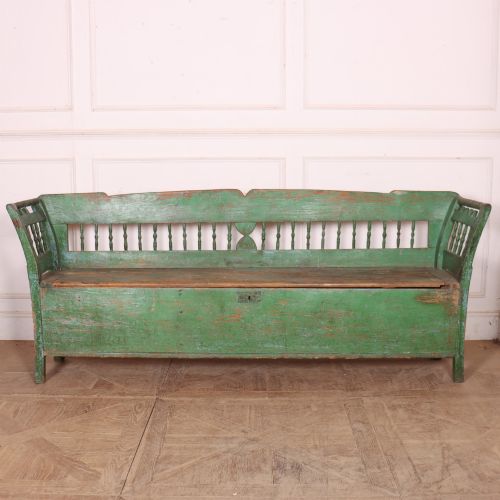
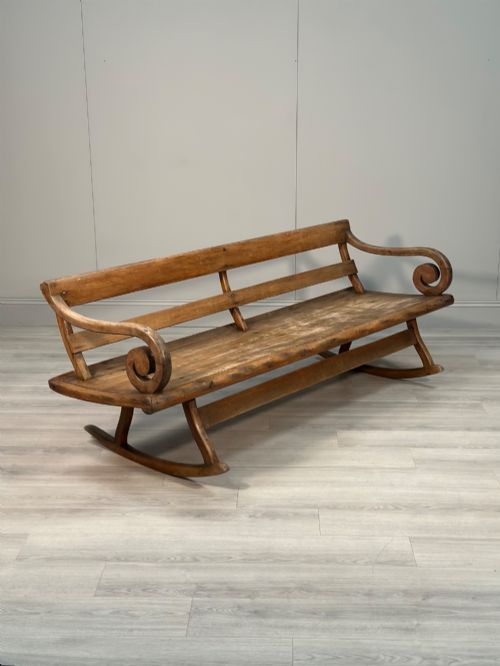
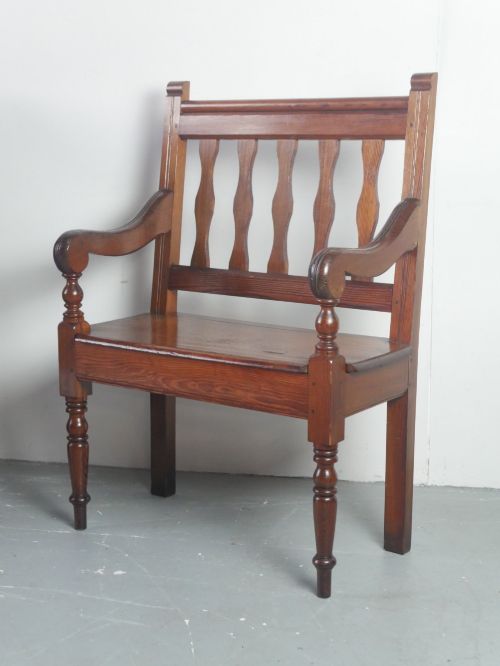
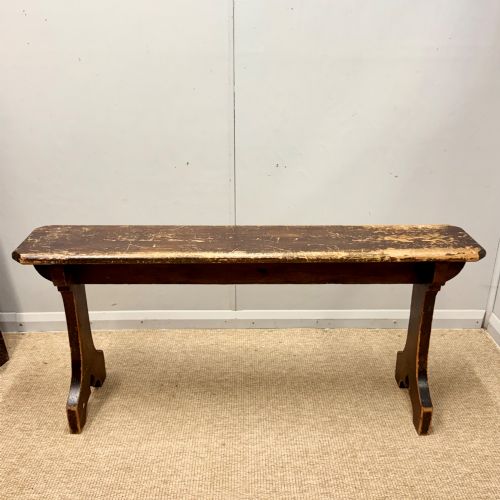
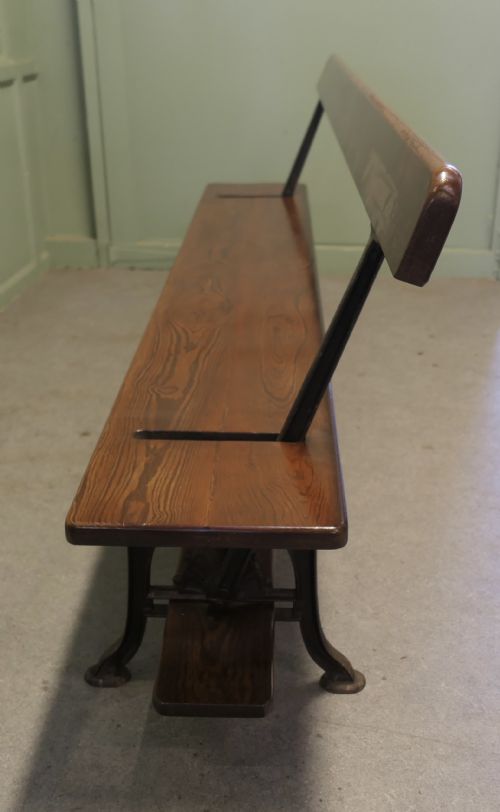
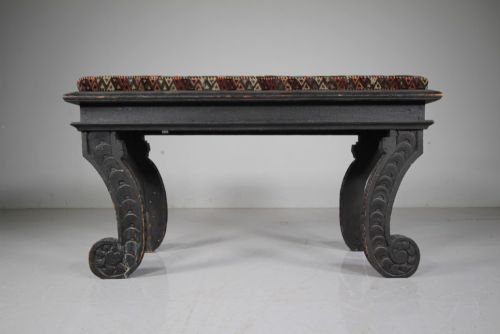
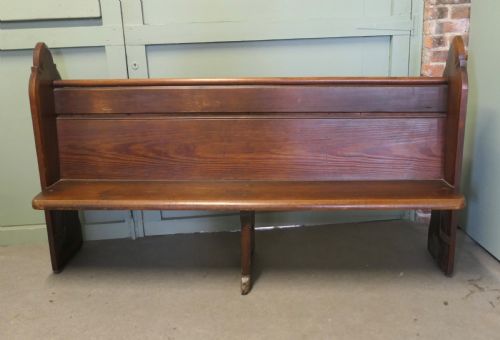
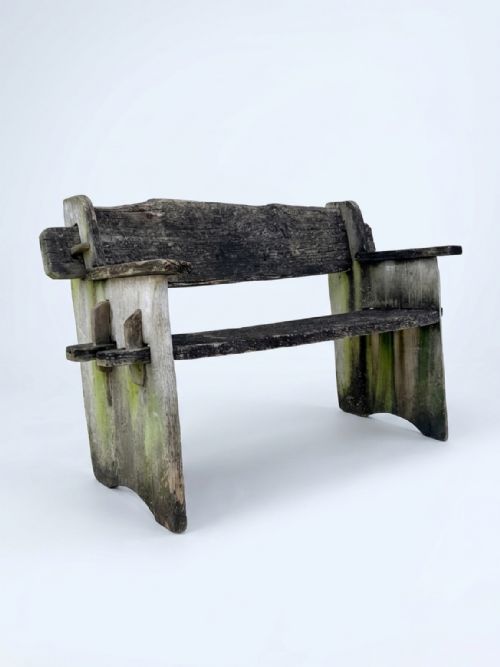
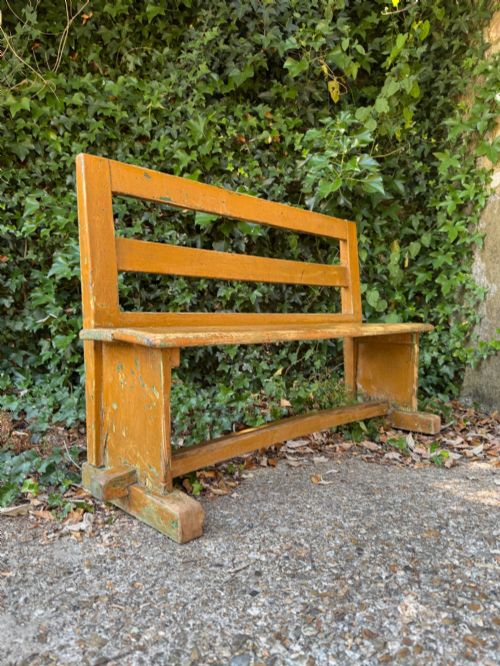
When you search for a vintage pine seat, you encounter a varied collection of practical domestic and institutional furniture spanning the Georgian period through to the twentieth century. Benches and settles dominate the selection, ranging from simple chapel pews and church organist seats to long rustic farmhouse benches and Hungarian box settles.
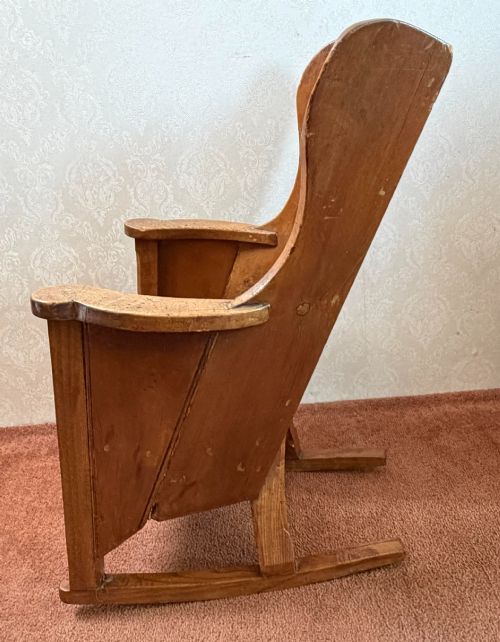
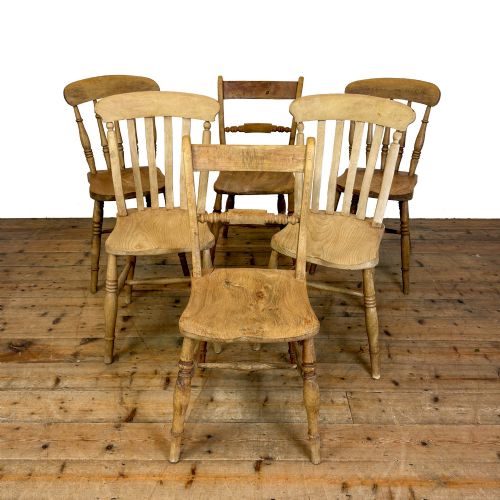
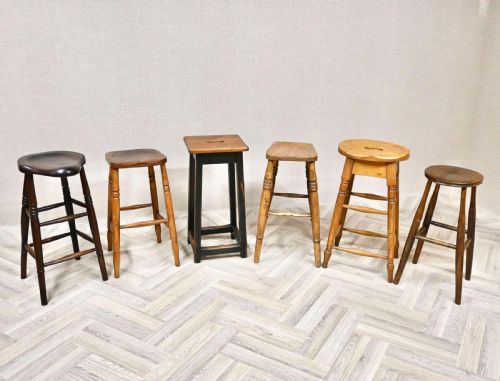
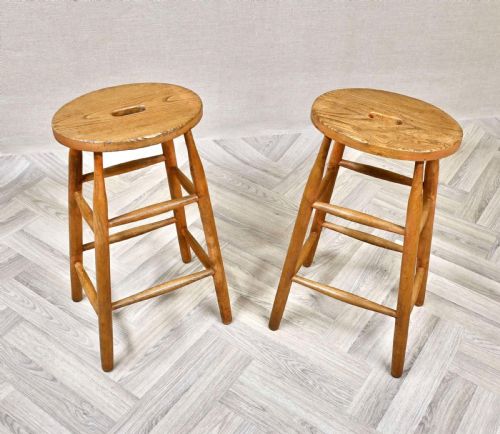
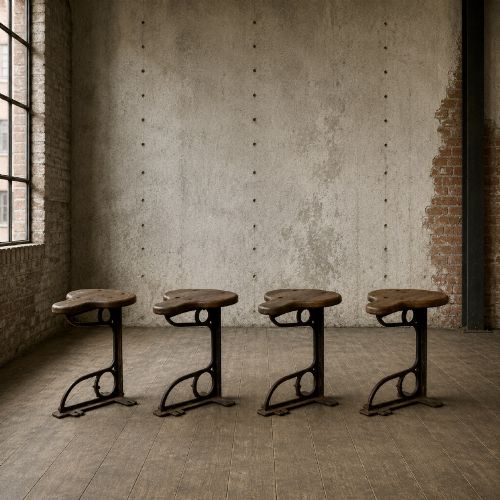
Beyond benches, the inventory includes specific seating forms such as vernacular stools, bar stools, children's rocking chairs, armchairs and dining chairs. Many examples carry regional characteristics, including Swedish and Austrian farmhouse styles alongside English country pieces.
How they were made
Construction relies primarily on solid pine, pitch pine and elm, assembled with traditional joinery suited to heavy usage in churches, farms and workshops. Iron components appear in industrial machinist stools, combining cast iron bases with wooden tops.
Surfaces show diverse historic treatments, including clear wax finishes that reveal honey brown patinas, alongside original layers of paint in ochre, green, grey, blue and black.
Flip-over chapel pews allowed congregations to face either direction, accommodating shifting liturgical duties with a simple swing of the backrest.
What varies in quality
Quality rests upon the integrity of the timber and the preservation of original surfaces, where authentic patinas and undisturbed historic paint finishes elevate a piece above later stripped examples. Structural honesty also distinguishes superior items, particularly in the joinery of long benches and box settles.
The character of the design further defines the hierarchy, distinguishing utilitarian vernacular items from pieces with regional decorative details like spindled backs or ball feet.
The Vintage Pine Seat Glossary
- Settle
- A wooden bench with a high back, solid arms and often a storage box beneath the seat. This form protected sitters from draughts in traditional hallways and kitchens.
- Pew
- A long wooden bench traditionally found in churches and chapels. These pieces often feature fixed backs and robust plank construction designed for communal seating.
- Vernacular
- Furniture made by local craftsmen using regional traditions and readily available materials rather than following high-style academic designs. These items prioritise direct utility and local character.
- Patina
- The surface sheen and colour developed over decades or centuries through handling, waxing and ageing. This quality indicates genuine historic use.
- Pitch pine
- A dense, resinous softwood timber valued for its strength and prominent grain patterns. It frequently appears in heavy institutional and industrial seating.
Vintage Pine Seat: Frequently Asked Questions
Where should I put a church pew?
Church pews and chapel benches fit naturally along long hallway walls, provide practical seating in boot rooms, or line a farmhouse dining table. Their narrow depth makes them particularly useful in restricted spaces.
Ensure you measure the length carefully before placing one, as these historical seats often span several feet and require adequate clearance.
How do I care for waxed pine?
Waxed pine benefits from occasional applications of natural beeswax to nourish the timber and maintain its protective barrier against moisture. Avoid placing these seats near direct heat sources that could dry out the wood.
Dust regularly with a dry cloth and buff gently to preserve the natural lustre of the honey brown patina.
What is a box settle?
A box settle incorporates a lidded compartment beneath the seat base, offering concealed storage for blankets, boots or household items. This dual-purpose design served utilitarian roles in traditional domestic interiors.
The enclosed base also acted as a draught barrier in older homes.
How can I tell a painted finish is original?
Original paint finishes display natural wear patterns, appropriate craquelure and multiple underlying layers consistent with the age of the timber. Look for areas of friction around handholds and seat edges where daily use occurred.
Subsequent repainting often masks the grain texture and lacks the subtle tonal variations found in historic painted surfaces.