


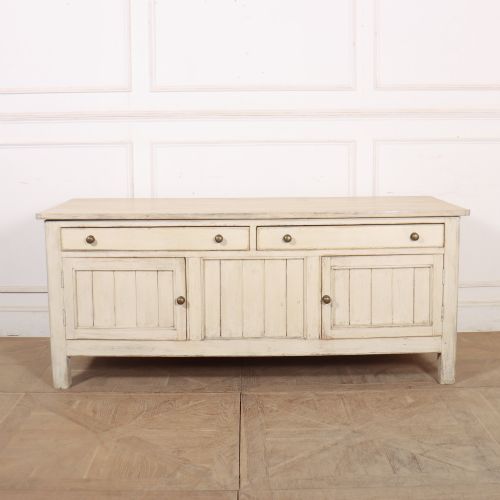


Vintage Pine Dresser Base
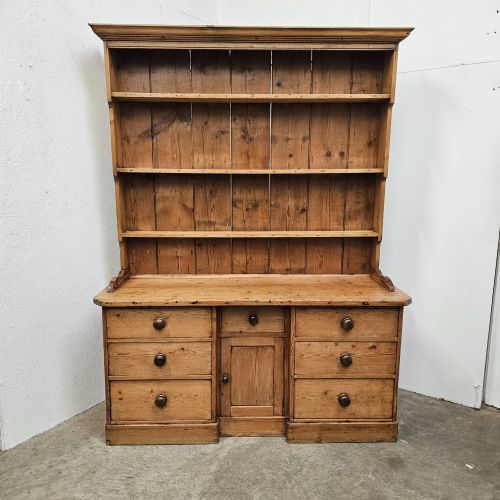
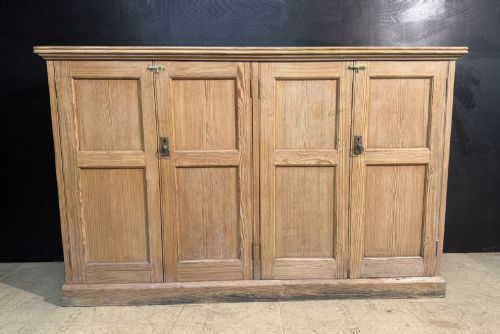
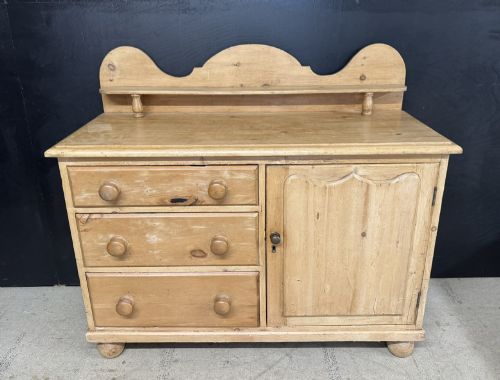
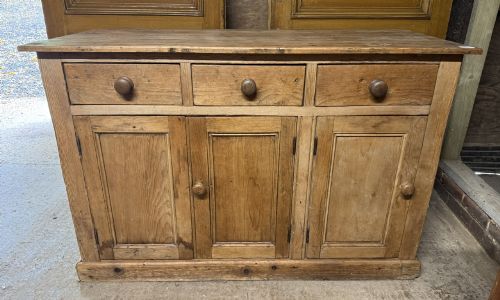
A vintage pine dresser base grounds a farmhouse kitchen with sturdy storage and honest timber surfaces built for daily service.
Vintage Pine Dresser Base
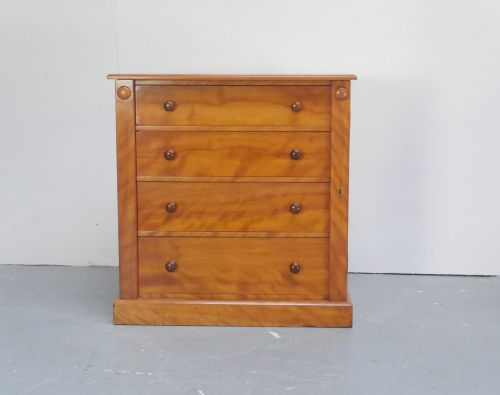
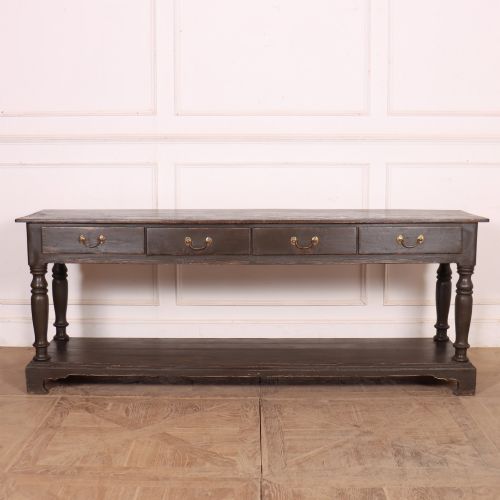
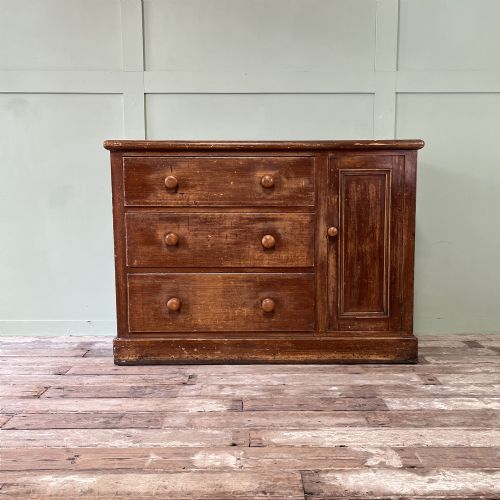
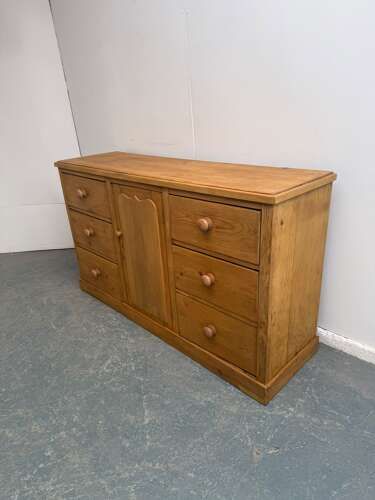
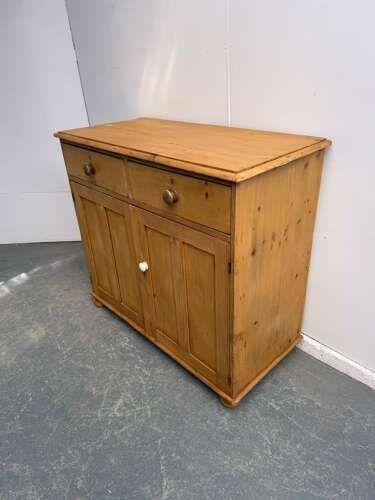
A vintage pine dresser base brings utilitarian utility to domestic spaces through low storage cabinets and wide working surfaces. These pieces emerge primarily from the nineteenth century and the Victorian era, carrying the straightforward proportions of country workshops.
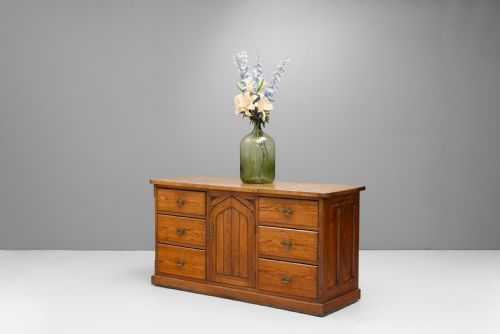
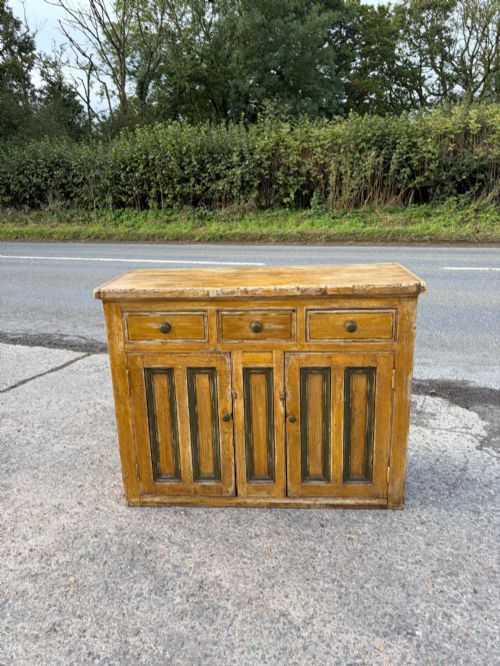
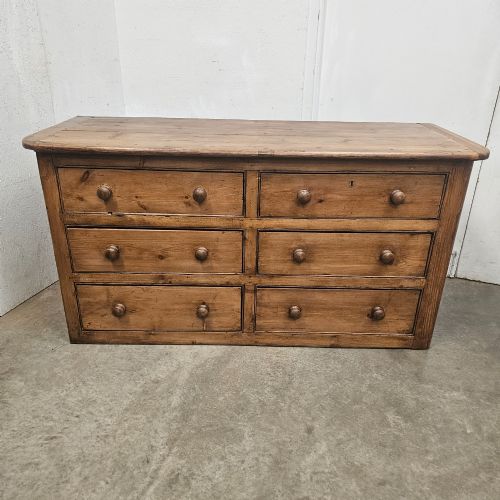
The selection centres on heavy timber sideboards, potboard bases, and two-door cupboards designed for heavy domestic labour. Regional variations span English, Welsh, Scottish, and continental European traditions, appearing either stripped to raw timber or coated in original paint layers.
How they were made
Constructed predominantly from solid pine, these utilitarian cabinets utilise dovetailed drawer construction and pegged joints for lasting strength. Cabinet makers incorporated brass handles, iron hardware, and timber potboards beneath the main counter surface to support heavy kitchen storage.
Surfaces frequently display historical layers of paint or wax finishes applied over softwood timbers. Carpenters shaped timber panels by hand, leaving tool marks and structural irregularities that distinguish authentic regional joinery from later reproductions.
Vintage Pine Dresser Base Retail Price Guide 2026
Typical asking prices for vintage pine dresser base among the pieces listed under this phrase on Sellingantiques today, from the lower quarter to the upper quarter. They describe what is for sale here now, not the wider market.
A dog kennel base offers a cosy low recess that once kept hunting hounds warm by the hearth.
What varies in quality
Quality rests upon the integrity of the original construction and the survival of untouched surfaces. Pieces retaining their historic painted finishes or deep wax patination hold greater character than those stripped down to bare modern timber.
Proportion and structural balance dictate the finer examples within the range. Refined drawer alignment, substantial timber thickness, and intact potboards or lower shelves separate standard utility cabinets from exceptional regional pieces.
The Vintage Pine Dresser Base Glossary
- Potboard
- An open lower shelf built into the base of a dresser for storing heavy earthenware and kitchen pots. This practical platform sits just above the floor on sturdy legs.
- Chiffonier
- A compact sideboard or low cabinet featuring drawers above enclosed cupboard doors. This form offers scaled-down storage suited to smaller rooms.
- Dog kennel
- A central open recess situated between lower cupboard doors on specific dresser bases. This unusual architectural feature traditionally provided a sheltered space for a working dog.
- Serving table
- A long low table designed for food preparation and the service of meals in country houses. These items share the sturdy pine construction of standard dresser bases.
- Waxed finish
- A protective coating rubbed into the timber surface to nourish the pine and create a soft lustre. This traditional treatment highlights the natural grain of the wood.
Vintage Pine Dresser Base: Frequently Asked Questions
What is a pine dresser base?
A pine dresser base is a low kitchen cabinet featuring a flat working surface above a combination of drawers and cupboards. These sturdy units served as central worktables and storage hubs in historic country homes.
Unlike tall dressers with plate racks attached to the top, these base sections stand alone against a wall. Their heavy timber construction makes them suitable for modern kitchen islands or sideboards.
How do I care for waxed pine?
Maintain waxed pine surfaces by applying a traditional beeswax polish when the timber begins to look dry. Buff the surface gently with a soft cloth to restore the subtle lustre.
Keep these wooden cabinets away from direct heat sources and excessive moisture to prevent warping. Wipe up spills promptly using a slightly damp cloth followed by immediate drying.
Are painted pine bases original?
Many nineteenth-century pine pieces retain their original painted finishes applied by country joiners or later household owners. These historic paint layers often show natural wear, chips, and patination accumulated over decades of domestic use.
Original paint surfaces require gentle cleaning with mild soap rather than harsh chemical strippers to preserve their historic character. Look for underlying primer layers and craquelure as indicators of age.
Where were these dressers made?
These utility pieces originate from rural workshops across England, Wales, Scotland, and continental Europe including France and Hungary. Regional carpenters built them using locally available softwood timbers to meet the daily storage needs of farmhouses and cottages.
Construction details, proportions, and regional variations in hardware help identify the likely geographic origin of each cabinet. Scottish and Welsh examples often feature distinct architectural mouldings and potboard arrangements.