





Vintage Persian Sofreh
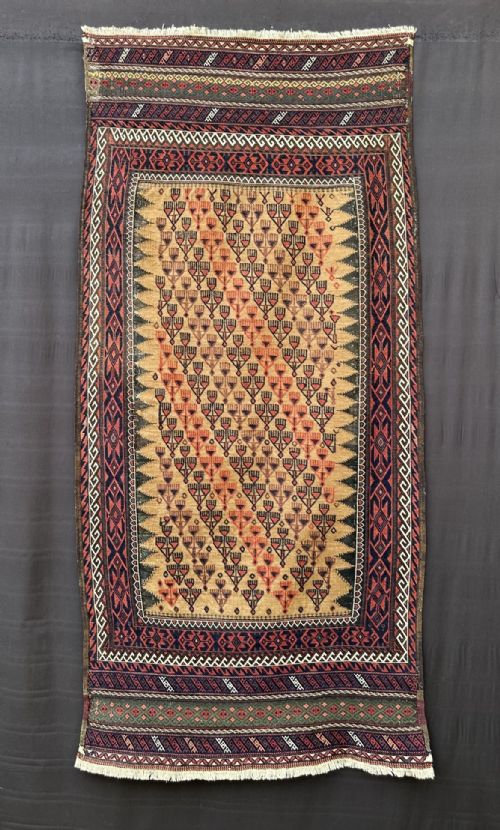
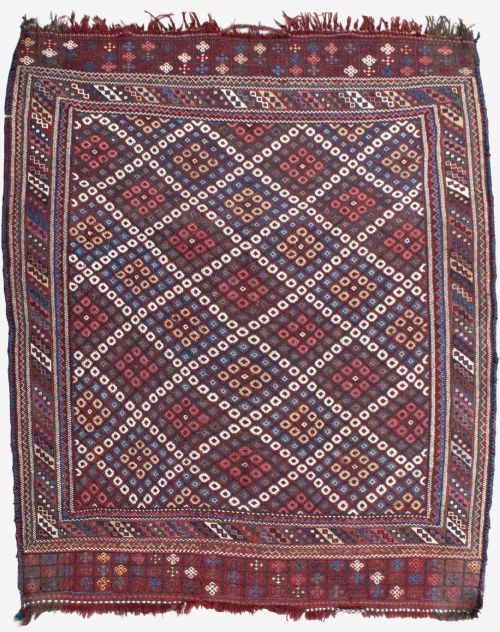
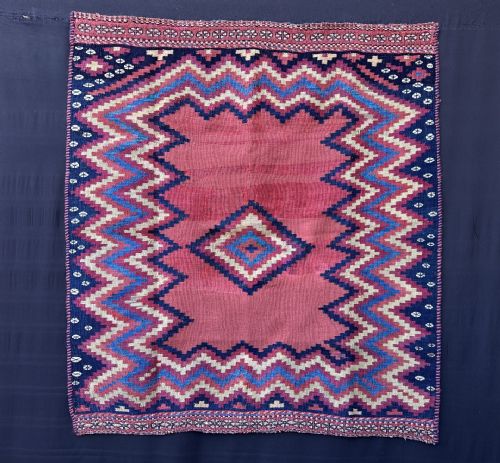
These vintage persian sofreh are tribal woven cloths made for dining and bread preparation, prized for their authentic nomadic artistry and bold geometric patterns.
Vintage Persian Sofreh
A vintage persian sofreh is a utilitarian tribal textile woven for communal dining or dough preparation, originating from nomadic and village communities across Persia. When you search for vintage persian sofreh, you encounter flatweaves and kilims created by groups such as the Afshar, Timuri, Luri-Bakhtiari, and Lor tribes. These cloths served a central domestic function within the tent or home before entering the collector market as striking floor coverings and wall hangings.
The pieces you meet on this page date from the late nineteenth century through to the early decades of the twentieth century, specifically spanning the 1870s to the 1920s. They take the form of flatweave rugs, kilim rugs, and specialised textiles designated as dining or bread sofreh. Their regional origins stretch across western, southern, and north-east Persia, as well as the borderlands shared with Afghanistan.
How they were made
The weavers utilised wool, cotton, and camel hair, spinning the fibres by hand to create durable foundational yarns. Natural dyes supplied the deep earthy palette, derived from local plants and minerals that aged gracefully over generations of domestic use.
Technically, these items rely on flatweave and kilim construction methods, omitting the pile found in standard carpets to produce a supple, lightweight textile. Tribal weavers integrated geometric motifs and field designs directly into the weave, reflecting the distinct visual traditions of specific clans like the Kamo and Djhan Beghi.
Vintage Persian Sofreh Retail Price Guide 2026
Typical asking prices for vintage persian sofreh among the pieces listed under this phrase on Sellingantiques today, from the lower quarter to the upper quarter. They describe what is for sale here now, not the wider market.
Bread dough was kneaded right on top of these cloths, meaning many carry the quiet, flour-dusted echoes of a nineteenth-century nomadic breakfast.
What varies in quality
Quality in a vintage persian sofreh rests upon the tightness of the weave and the crispness of the tribal iconography. Finer examples display a precise control of the flatweave structure, resulting in a stable textile that maintains its geometric integrity across the entire field.
The depth and vibrancy of the natural dye work further distinguish superior pieces, particularly where complex abrasash creates tonal shifts in the wool and camel hair. The structural integrity of the selvedges and the retention of original tribal finishes separate standard domestic cloths from exceptional surviving specimens.
The Vintage Persian Sofreh Glossary
- Sofreh
- A spread or cloth used in Persian households for eating meals or kneading bread dough. These woven pieces held immense cultural importance in daily nomadic life.
- Kilim
- A flatwoven textile produced without a pile by tightly interweaving warp and weft threads. This technique creates a lightweight fabric with identical patterns visible on both sides.
- Flatweave
- A general category of rugs and textiles constructed by interlocking warp and weft yarns on a loom. They lack the plush pile of knotted carpets.
- Abrasash
- Variations in colour within a single dye batch, caused by uneven absorption or changes in wool supplies over time. This characteristic adds visual depth to tribal weaves.
- Warp
- The stationary vertical threads stretched onto a loom that form the structural foundation of the textile. Weft threads are woven horizontally through them.
Vintage Persian Sofreh: Frequently Asked Questions
What is a persian sofreh used for?
These textiles served as functional cloths spread upon the ground for communal dining or for rolling and resting bread dough. Nomadic families relied on them to keep food clean and to gather the household together for meals.
Today, collectors repurpose these durable flatweaves as decorative floor rugs, table runners, or wall hangings. Their bold geometric designs bring authentic tribal warmth into contemporary interior spaces.
How do I care for a flatweave sofreh?
Protect your textile by placing a quality rug underlay beneath it to prevent slipping and reduce friction on the fibres. Gentle vacuuming without a rotating brush roll keeps dust and grit from settling into the weave.
Avoid exposing the natural dyes to direct sunlight for extended periods to prevent fading. Professional textile cleaners experienced in handling antique tribal wool should manage any washing.
How can I tell different tribal styles apart?
Tribal attribution relies on specific structural traits, wool characteristics, and regional colour palettes passed down through generations. Afshar pieces often feature distinct medallion layouts, while Luri-Bakhtiari and Timuri works display idiosyncratic geometric field arrangements.
Geographic origins such as Kerman province or the north-eastern borderlands imparted subtle technical signatures to the flatweaves. Comparing knotless weave tightness and edge finishes helps distinguish one group from another.
Are these textiles made with natural dyes?
Traditional pieces from the nineteenth and early twentieth centuries relied entirely on natural dye sources extracted from local flora and fauna. These organic colourants produced rich, muted tones that mellow harmoniously as the wool ages.
Chemical dyes entered Persian production later, but the earlier examples on this page showcase traditional plant and mineral pigments. This organic palette contributes significantly to the collectible nature of antique flatweaves.