




Persian Sofreh Mat
A persian sofreh mat is a tribal flatweave used for communal meals or bread making, valued for authentic nomadic character and rich regional geometry.
Persian Sofreh Mat
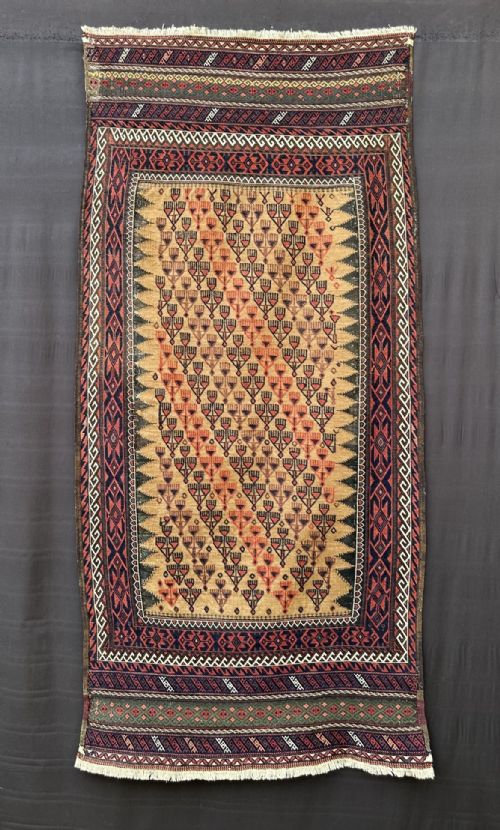
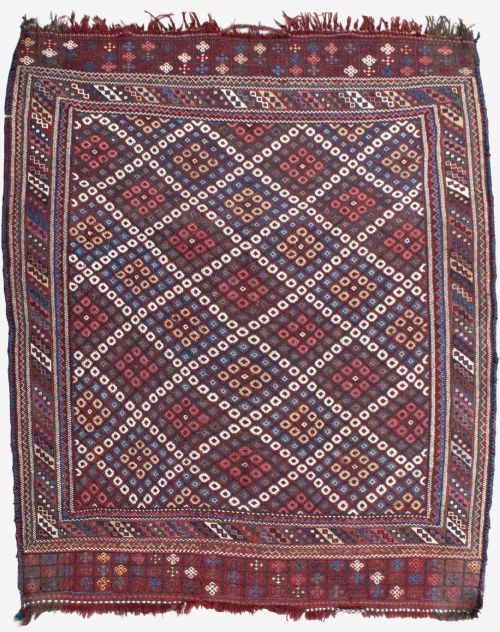
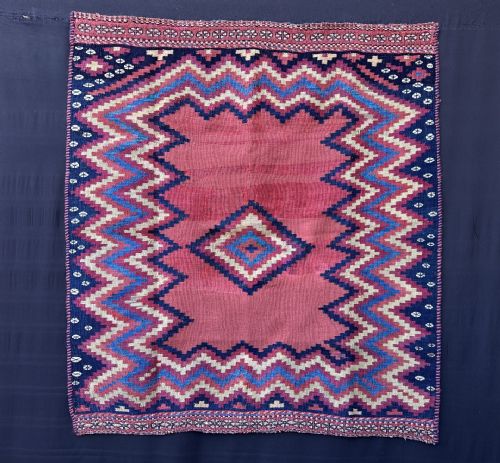
A persian sofreh mat is a flatweave textile created by tribal groups across Persia for daily domestic use. These pieces function primarily as dining cloths or bread-making mats within nomadic households. Buyers encounter various regional types originating from southern, central, and border regions of Persia. The selection centres on examples woven by tribes such as the Afshar, Timuri, and Lor.
Most items on this page are antique bread sofreh or dining sofreh dating from the late nineteenth century to the early twentieth century. These textiles display distinct tribal aesthetics rooted in the traditions of specific geographic areas like Kerman Province and Luristan. Collectors value them for their direct connection to nomadic life and traditional domestic rituals.
How they were made
Makers construct these flatweaves predominantly using wool, cotton, and camel hair to build durable textile surfaces. Weavers employ traditional flatweave techniques without pile, resulting in lightweight, flexible cloths suitable for spreading on the ground. The use of natural dyes provides the characteristic palette found across these tribal textiles.
Tribal artisans integrate geometric motifs and field designs specific to their regions of origin, such as the borderlands of north-east Persia and north-west Afghanistan. The construction reflects practical utility combined with inherited cultural patterns passed through generations of nomadic makers.
Persian Sofreh Mat Retail Price Guide 2026
Typical asking prices for persian sofreh mat among the pieces listed under this phrase on Sellingantiques today, from the lower quarter to the upper quarter. They describe what is for sale here now, not the wider market.
The inventory spans the late nineteenth century up to the early twentieth century, highlighting work from specific tribal groups.
What varies in quality
The standard of a persian sofreh mat depends upon the fineness of the flatweave structure and the clarity of the natural dye palette. Tighter, more precise weaving demonstrates greater technical skill by the tribal maker. Richness and depth in the coloured wool yarns elevate the visual impact of the field designs.
Condition and completeness of the original edges and ends influence the standing of an individual piece. Examples retaining their full tribal character and balanced proportions represent the upper tier of available specimens.
The Persian Sofreh Mat Glossary
- Sofreh
- A flatweave cloth traditionally used in Persian households for spreading on the ground during meals or for preparing bread dough. These textiles are central to domestic and tribal customs.
- Flatweave
- A rug or textile produced without knotted pile by interweaving warp and weft threads directly. This technique yields a thin, durable fabric without a raised surface.
- Natural Dyes
- Colourants derived from plant, insect, or mineral sources utilised in traditional textiles before the widespread adoption of synthetic alternatives. These dyes yield nuanced and stable hues.
- Tribal Rugs
- Textiles created by nomadic or semi-nomadic groups following traditional patterns unique to their specific community or region rather than urban workshops.
- Warp
- The stationary vertical threads stretched upon a loom that form the structural foundation of the textile. Weft threads are passed across and under these foundational elements.
Persian Sofreh Mat: Frequently Asked Questions
What is a sofreh mat used for?
These textiles served practical domestic functions within nomadic households, specifically as cloths spread on the ground for communal dining or preparing bread. Families gathered around them for daily meals.
Over time, these utilitarian objects gained recognition for their striking geometric designs and regional artistry, leading to appreciation among textile collectors.
How do I care for a flatweave textile?
Protect the piece by avoiding placement in direct sunlight to prevent fading of natural dyes. Gentle vacuuming without a rotating brush helps remove dust.
Consult a specialist textile conservator for cleaning rather than attempting domestic washing, as antique wool and cotton require careful handling.
Where do these pieces originate?
These flatweaves originate from various regions across Persia, including Kerman Province, Luristan, and the borderlands of north-east Persia and north-west Afghanistan. Different tribes produced distinct styles.
Nomadic groups such as the Afshar, Timuri, and Lor created textiles reflecting their local environments and cultural heritage.
How can I tell the age of a sofreh?
Age is assessed through indicators such as wool quality, the composition of natural dyes, and traditional tribal weaving structures. Pieces often date from the late nineteenth century to the early twentieth century.
Structural wear patterns and regional design characteristics also provide context for determining the approximate period of production.