






Kerman Province Textile
A kerman province textile brings genuine tribal heritage into a room, offering rich colours and traditional patterns woven by nomadic weavers.
Kerman Province Textile
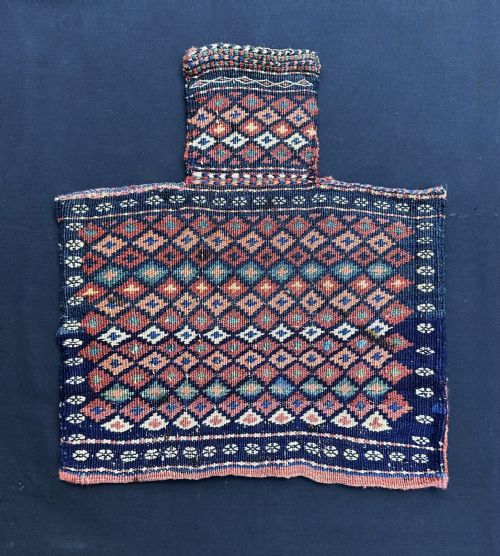
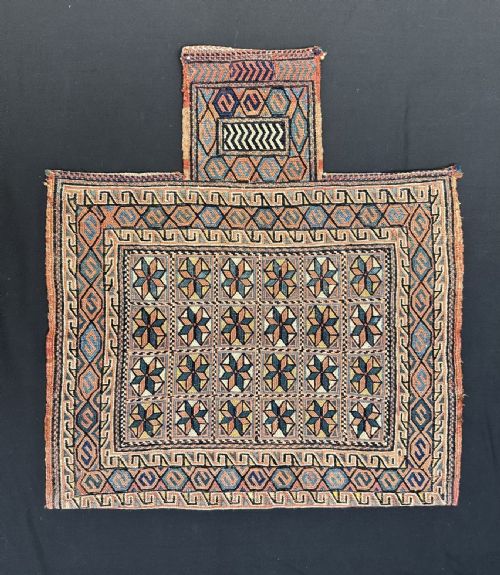
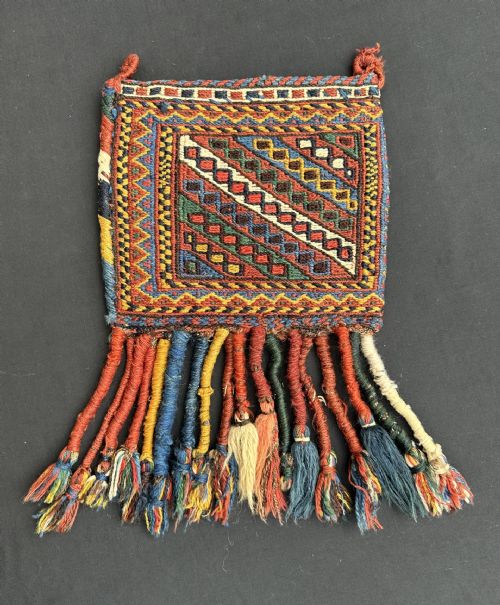
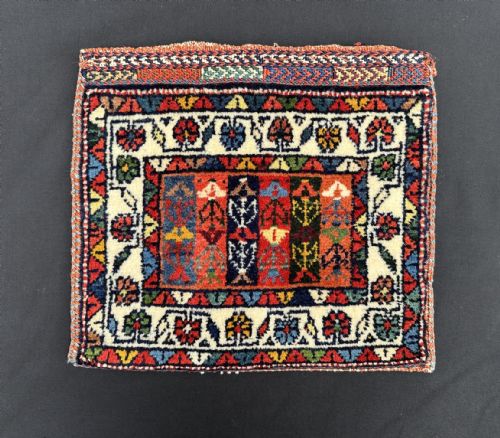
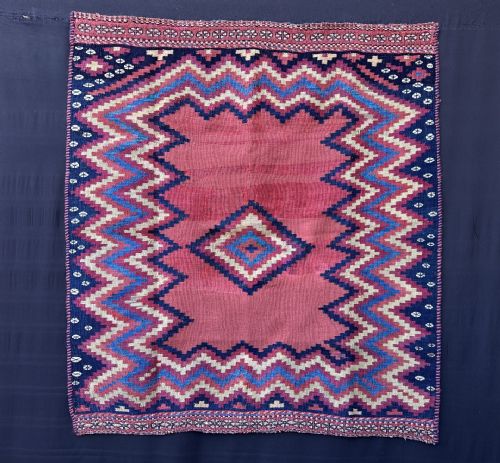
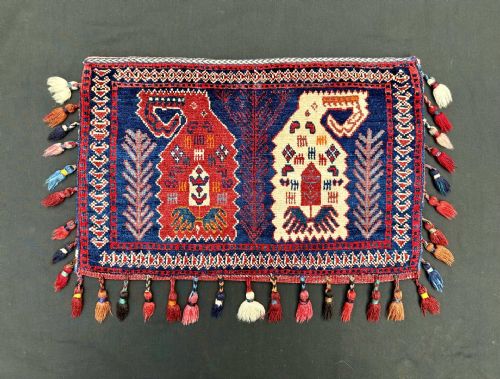
When you search for a kerman province textile, you encounter authentic pieces created by nomadic and tribal groups such as the Afshar nomads residing in the mountains and regions of South Persia. These works include practical household items and camel trappings rather than formal court carpets, reflecting a lifestyle rooted in pastoral movement.
The objects appearing here comprise functional household weaving forms, including tobacco and pipe bags, salt bags, vanity bags, bread sofreh, half-saddlebag faces, and storage pouches. Each piece served a specific daily purpose for the tribes of Bardsir, Jebal Barez, and Aqta.
Dating across the late nineteenth and early twentieth centuries, these items capture a traditional craft period before synthetic materials altered village production. The aesthetic relies entirely on indigenous Persian tribal design vocabularies passed down through generations of weavers.
What Varies in Quality
Quality in these tribal weavings rests upon the tightness of the weave, the clarity of the geometric motifs, and the richness of the natural dye palette. Superior examples demonstrate exceptional fineness in knotting or flatweave precision, coupled with well-balanced proportions across smaller bag faces and sofreh.
The handling of secondary materials, such as the secure attachment of cowrie shells and the integrity of wool foundations, distinguishes finer pieces. Condition preservation also plays a role, where original edges and intact tribal structures elevate the textile.
Kerman Province Textile Retail Price Guide 2026
Typical asking prices for kerman province textile among the pieces listed under this phrase on Sellingantiques today, from the lower quarter to the upper quarter. They describe what is for sale here now, not the wider market.
Current listings span from eighteen-sixty to nineteen-twenty, featuring materials such as wool, cotton, natural dyes, and cowrie shells.
The Kerman Province Textile Glossary
- Sofreh
- A flatwoven spread or cloth utilised for kneading bread, serving meals, or handling flour within tribal households. These textiles often feature striking geometric field designs.
- Afshar
- A major Turkic tribal group residing in the Kerman province of South Persia known for distinctive indigo grounds and bold geometric patterns. Their weaving output forms the core of these textile listings.
- Flatweave
- A textile constructed without pile by interlacing warp and weft threads together tightly. This technique creates lightweight, durable storage pouches and trappings.
- Cowrie Shell
- Small marine shells sewn onto tribal bags and trappings as decorative elements and protective amulets. They provide textural contrast against wool pile and flatweave surfaces.
- Natural Dyes
- Colorants derived from plants, roots, and insects used traditionally before chemical alternatives became widespread. These dyes yield the varied, harmonious tones seen across nineteenth and early twentieth-century Persian nomadic pieces.
Kerman Province Textile: Frequently Asked Questions
How were these bags used?
Nomadic tribes utilised these various pouches for practical storage during seasonal migrations. Items ranged from salt bags and tobacco holders to vanity cases for personal belongings.
Camel and horse trappings, such as saddlebag faces, carried equipment across rugged terrain while displaying tribal identity.
Are these pieces truly antique?
The pieces recorded here date from the mid-nineteenth century through the early twentieth century. This places them firmly within the historic period of traditional Persian nomadic weaving.
Materials such as hand-spun wool and natural dyes confirm their production era prior to widespread industrial dyeing.
Why do some bags have shells?
Cowrie shells were frequently sewn onto tribal bags and trappings as traditional ornamentation and protective talismans. Nomads valued these decorative additions for both visual contrast and symbolic meaning.
Their presence indicates specific regional weaving customs practiced by groups like the Afshar nomads.
How do I care for a textile?
Protect antique textiles by keeping them out of direct sunlight to prevent natural dye fading. Gentle vacuuming with a mesh screen attachment helps remove dust without damaging the wool structure.
Avoid hanging heavy pieces by single points to distribute weight evenly across the flatweave or pile foundation.