



Vintage Persia Carpet
A vintage persia carpet brings the depth of regional weaving traditions and weathered natural dyes into a room.
Vintage Persia Carpet
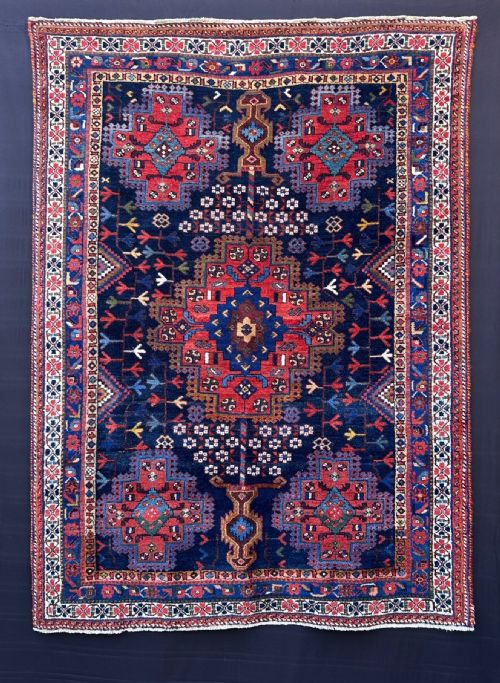
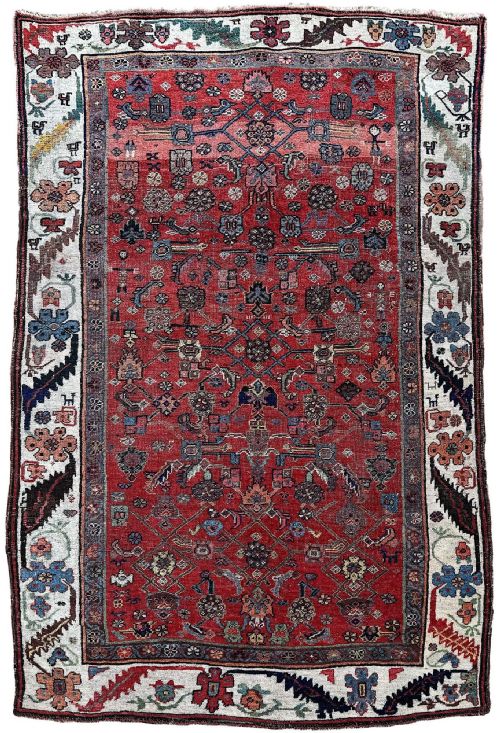
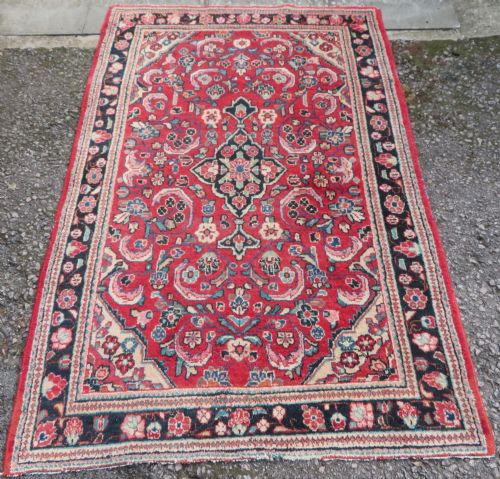
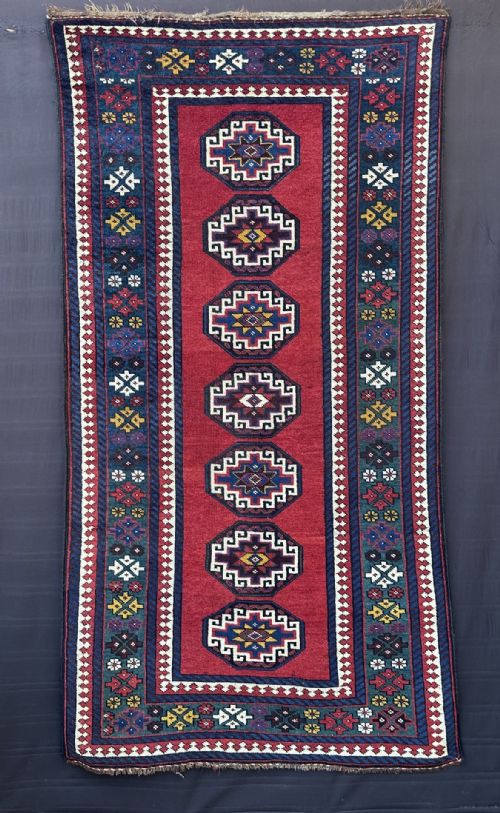
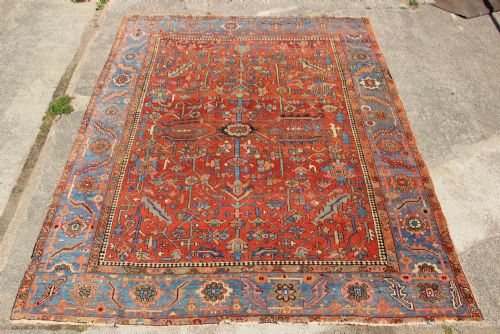
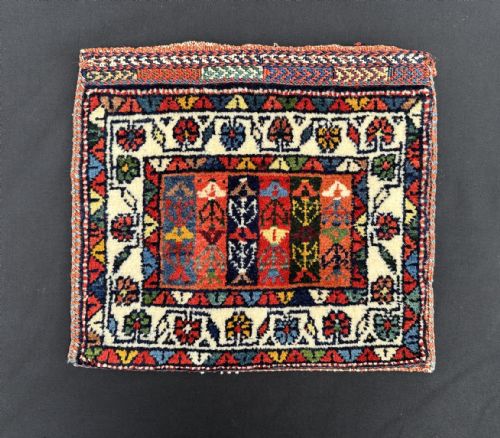
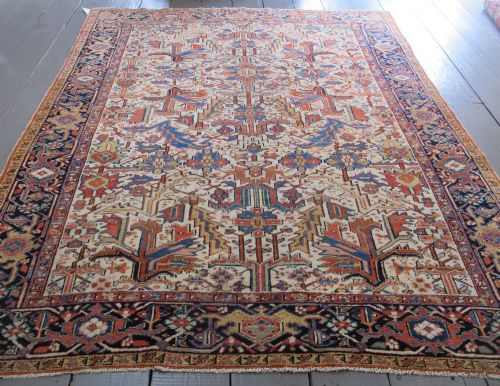
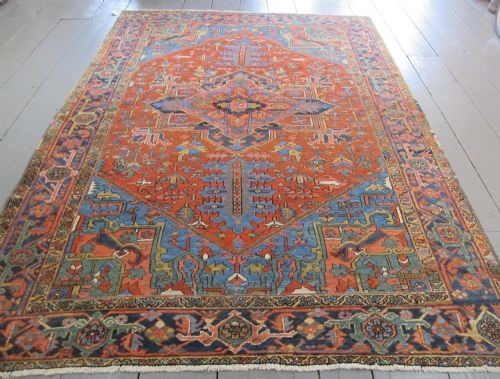
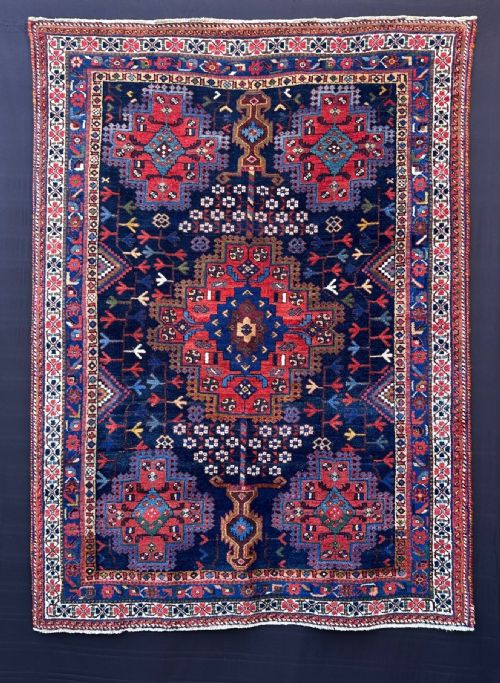
A vintage persia carpet encompasses hand-knotted and flatwoven textiles originating from various tribal confederations, rural villages, and urban workshops across nineteenth and twentieth-century Persia. These pieces range from compact tribal bags and hallway runners to large room-size carpets woven in regions such as Heriz, Bidjar, Afshar, and Bakhtiari.
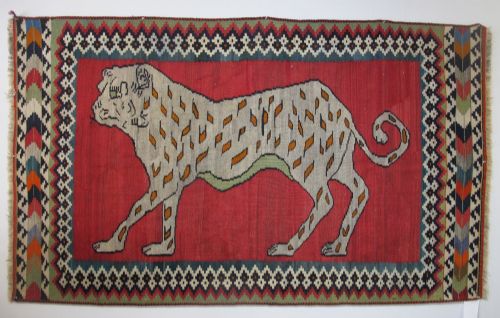
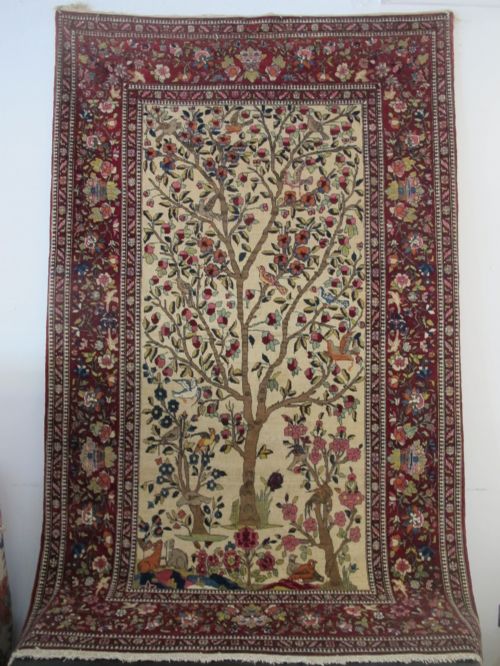
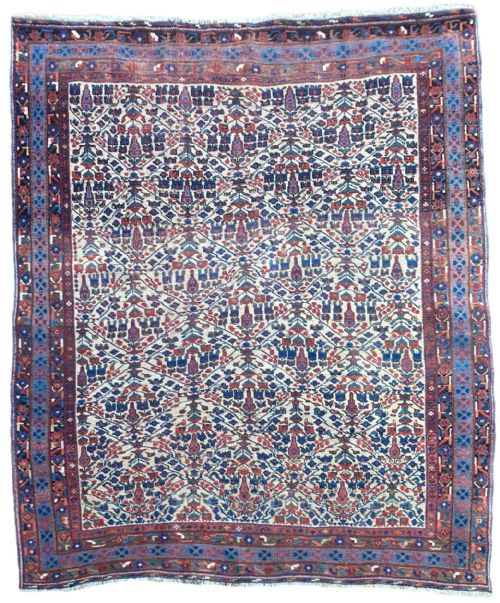
Buyers encountering this selection will frequently find wool village rugs alongside room-scale carpets displaying geometric medallions, all-over Herati patterns, or pictorial designs. The inventory covers production periods spanning from the late nineteenth century through to the mid-twentieth century, reflecting diverse regional aesthetics.
Object forms include area rugs, runners, saddle-bags, and kilims produced by distinct ethnic groups including the Qashqai, Afshar, and Luri peoples. Each piece embodies the functional domestic weaving traditions specific to its geographic origin.
Materials and construction
Weavers constructed these carpets predominantly using hand-spun wool for the pile, set upon sturdy cotton or wool foundation warps and wefts. The application of natural dyes yielded rich tones of madder red, indigo blue, and ivory that mellow gradually over decades of exposure and use.
Knotting techniques varied by region, ranging from symmetrical Turkish knots used in village workshops to asymmetrical Persian knots common in urban centres, creating varying pile densities and structural weights. Flatwoven pieces such as kilims and soumaks utilised intricate warp-wrapping and interlocking weft methods without a cut pile.
Vintage Persia Carpet Retail Price Guide 2026
Typical asking prices for vintage persia carpet among the pieces listed under this phrase on Sellingantiques today, from the lower quarter to the upper quarter. They describe what is for sale here now, not the wider market.
Listings feature regional pieces from 1870 to 1940, utilising wool, cotton, silk, and natural dyes across various tribal and urban styles.
Factors of quality
Quality in these textiles depends on the fineness of the knot count, the precision of the tribal geometry or floral drawing, and the saturation and clarity of the natural dyes. Master weavers in city workshops achieved intricate detail, whereas rural and tribal pieces relied on bolder, expressive motifs.
The integrity of the wool foundation, the uniformity of the weave across the field, and the completeness of the original outer borders dictate the structural preservation and overall caliber of each textile.
Ahmadi·Benlian·Ziegler
The Vintage Persia Carpet Glossary
- Heriz
- A region in north-west Persia known for producing large, durable carpets with bold geometric centre medallions and strong rectilinear patterns.
- Afshar
- A tribal group from the Kerman province of south Persia famous for producing smaller rugs and saddle-bags featuring hooked motifs and indigo-heavy palettes.
- Kilim
- A flatwoven textile produced without a pile, traditionally utilised as floor coverings, tent dividers, or storage bags by nomadic tribes.
- Soumak
- A flatweaving technique involving wrap-around weft threads that create a durable structure and a textured surface resembling embroidery on the reverse.
- Bidjar
- A town in western Persia renowned for exceptionally dense, heavy carpets often referred to as the iron rugs of Persia due to their rigid construction.
Vintage Persia Carpet: Frequently Asked Questions
How do I identify a tribal rug?
Tribal rugs typically display asymmetrical designs, spontaneous geometric motifs, and earthy palettes derived from local natural dyes. They reflect the nomadic or semi-nomadic lifestyle of groups such as the Qashqai or Luri rather than the formal blueprints of urban workshops.
These pieces often incorporate imperfections in symmetry and variable wool textures, which indicate hand-spinning and domestic production rather than mass manufacture.
Where were Heriz carpets made?
Heriz carpets originate from the mountainous north-west region of Persia, centred around the town of Heriz and surrounding villages. The local water and heavy copper deposits in the soil contributed to the durability of the wool and the distinctive quality of the red dyes used in these carpets.
Runners and large carpets from this area are recognised by their sturdy cotton foundations and large, prominent corner spandrels framing the central medallion.
What is a Soumak weave?
A Soumak is a flatwoven textile created by wrapping coloured weft threads over and under the warp threads in a herringbone pattern. This technique produces a sturdy, thick fabric without a cut pile, making it distinct from standard knotted rugs.
Historically produced by tribal groups like the Afshar, these textiles served heavy functional purposes in nomadic camps while displaying intricate geometric designs.
How should I care for a vintage carpet?
Vacuum these textiles gently using suction only without a rotating brush roll to protect the wool pile and delicate foundation threads. Rotate the carpet periodically to ensure even wear across areas exposed to foot traffic and sunlight.
Professional cleaning should be undertaken periodically by specialists familiar with antique vegetable-dyed wool to preserve the integrity of the fibres and prevent dye migration.