



Vintage Pepper Caster Set
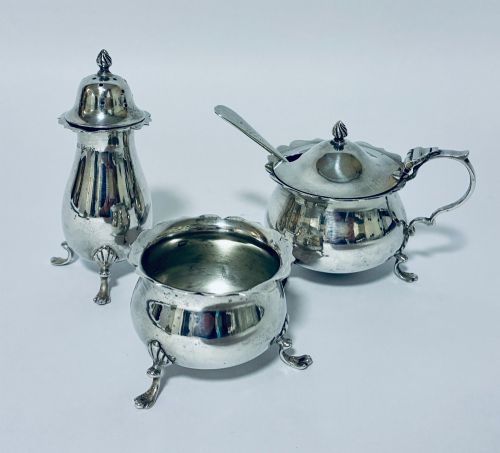
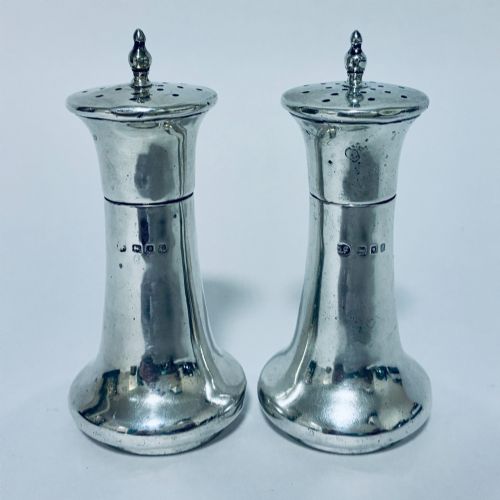
A vintage pepper caster set brings period elegance to the table, offering functional tableware crafted in sterling silver, silver plate, and cut glass.
Vintage Pepper Caster Set
A vintage pepper caster set comprises individual condiment containers designed for dining tables, spanning diverse formations from single pairs of shakers to extensive multi-bottle cruet frames. Buyers exploring this selection encounter items originating from the Georgian, Victorian, Edwardian, and mid-century eras, reflecting changing dining customs across centuries.
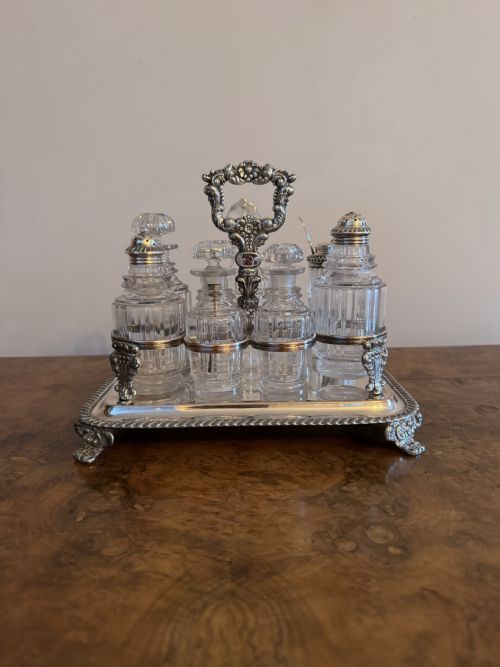
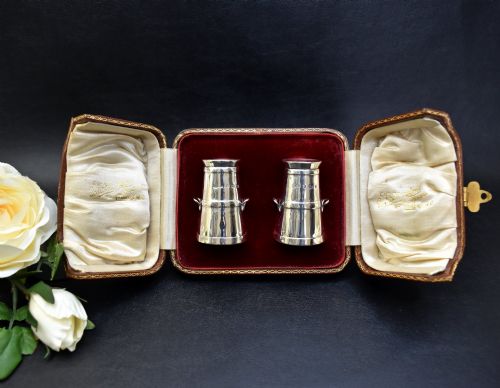
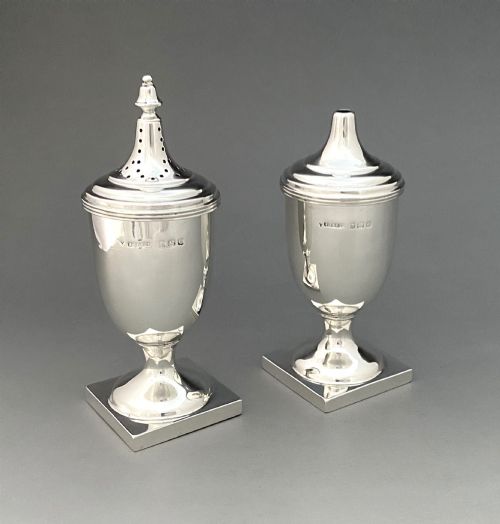
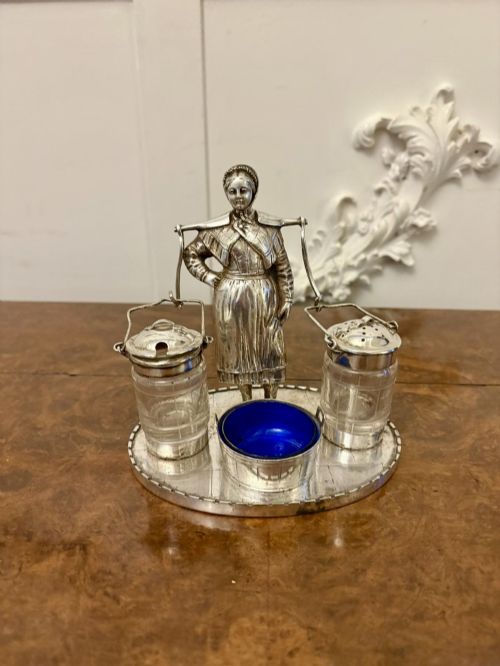
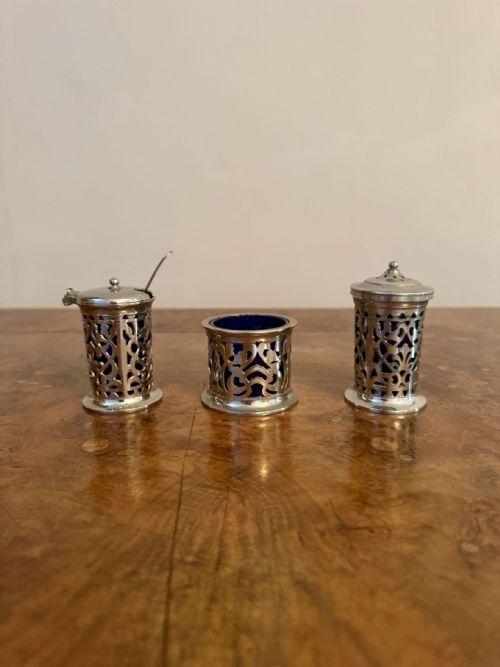
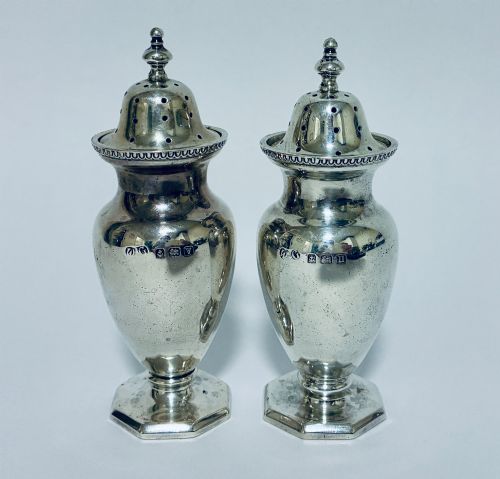
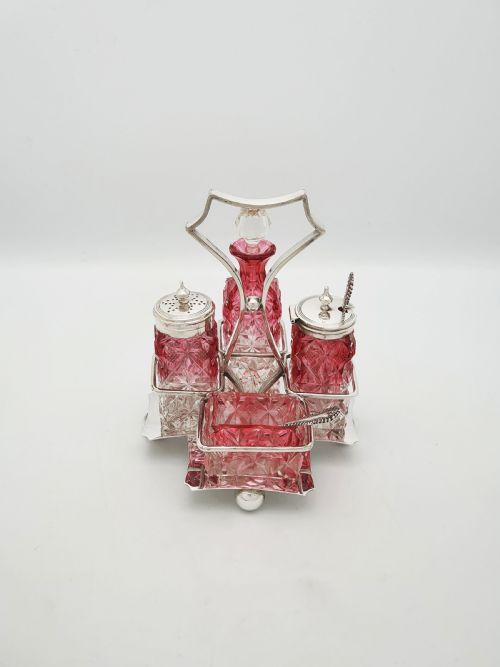
The most common formats on this page include Edwardian silver-plated frames holding multiple cut glass bottles alongside pairs of sterling silver pepper pots. Tableware options range from cased four-piece condiment sets to standalone novelty pepperettes shaped as animals.
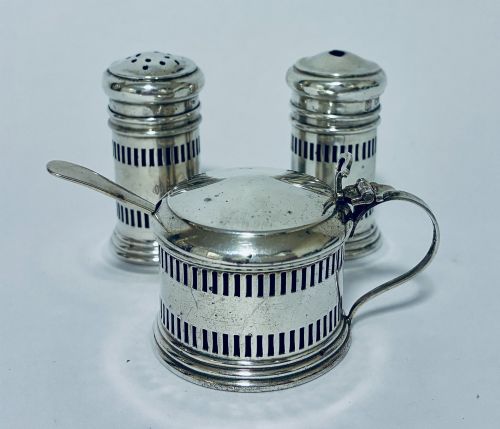
These items function within broader cruet and condiment assemblies, often pairing pepper casters alongside salt cellars and mustard pots. Their survival reflects generations of domestic use, adapting formal dining traditions into collectible display pieces.
Materials and Construction
Makers utilised sterling silver and silver plate as primary metals for frames, mounts, and pierced lids, often applying hallmarks to indicate assay office origins and dates. Glass elements relied on heavy mould-blowing and hand-cutting techniques to produce faceted bottles, liners, and cranberry flashed vessels.
Specialist items incorporated secondary materials like cobalt glass liners, leather cases, and velvet interiors to protect delicate tablewares. Novelty forms employed detailed casting methods to shape animal figures such as owls, requiring precise manual finishing for fitting screw caps.
Vintage Pepper Caster Set Retail Price Guide 2026
Typical asking prices for vintage pepper caster set among the pieces listed under this phrase on Sellingantiques today, from the lower quarter to the upper quarter. They describe what is for sale here now, not the wider market.
Evaluating Quality and Craftsmanship
The distinction between standard domestic wares and superior examples rests upon the weight of the silver, the crispness of pierced metalwork, and the clarity of cut glass bottles. Maker attribution plays a significant role, with recognised silversmiths demonstrating greater refinement in cast details and structural balance.
Complete sets featuring matching original bottles and fitted presentation cases command higher regard than assembled or incomplete groupings. The retention of original mercury gilding inside silver salt cellars and undamaged glass facets further separates utilitarian survivals from exceptional collector pieces.
A & J Zimmerman Ltd·Walker & Hall·Wilmot Manufacturing Co·Berthold Muller·Mappin & Webb·Viners
The Vintage Pepper Caster Set Glossary
- Cruet set
- A fitted stand holding multiple bottles or containers for condiments such as oil, vinegar, salt, and pepper. These assemblies formed an essential centrepiece for formal dining tables.
- Caster
- A small container with a pierced lid used for sprinkling dry seasonings like sugar or pepper over food. They typically feature threaded caps or push-fit tops.
- Condiment set
- A matched grouping of tableware vessels designed to hold various table seasonings simultaneously. They frequently include open salt cellars, mustard pots, and pepper shakers.
- Cranberry flashed
- Glass coated with a thin layer of rich red gold-ruby glass before being cut to reveal the clear metal beneath. This decorative technique appears on Edwardian cruet bottles.
- Novelty pepper
- A shaker fashioned into a representational shape, such as an animal or human figure, rather than a traditional urn or cylinder. Popular Victorian and Edwardian examples often depict birds like owls.
Vintage Pepper Caster Set: Frequently Asked Questions
What is a pepper caster?
A pepper caster is a small tabletop vessel with a perforated top designed for shaking ground pepper onto food during meals. They evolved from earlier spoon-fed spice pots into functional shakers with pierced domes.
In older cruet configurations, the pepper caster worked alongside matching salt cellars and mustard pots to complete the condiment service. Their lids were often designed to screw off for easy refilling.
How do I date a silver cruet set?
Dating silver cruet sets relies heavily on metal hallmarks stamped onto the base or rim, which indicate the assay office, year letter, and maker's mark. Stylistic clues, such as Edwardian pierced frames or Art Deco geometric lines, help narrow down the period when hallmarks are rubbed.
The presence of original cut glass bottles and fitted velvet cases also points towards specific manufacturing eras like the Victorian or Edwardian decades. Comparing construction methods offers additional context for unmarked silver-plated pieces.
Were these sets used daily?
Condiment and cruet sets served as regular fixtures on dining tables across the nineteenth and twentieth centuries, holding essential seasonings for family meals and formal dinners alike. Sturdier silver-plated and cut glass versions saw heavy domestic use in middle-class households.
Cased sets and delicate sterling silver novelties were often reserved for special occasions or displayed within dining room cabinets. This dual usage explains why surviving pieces range from heavily worn domestic items to pristine preserved sets.
How should I clean antique silver plate?
Cleaning antique silver plate requires gentle maintenance using specialised non-abrasive silver polishes and soft cloths to preserve the thin metal coating over the base metal. Harsh scrubbing should be avoided, particularly around engraved patterns and pierced gallery work where the plating may be thinner.
Glass components can be washed separately in warm soapy water after removing them from metal frames to prevent corrosion. Regular dusting and dry storage help prevent rapid tarnishing without wearing down the antique finish.