




Victorian Silver Condiment Holder
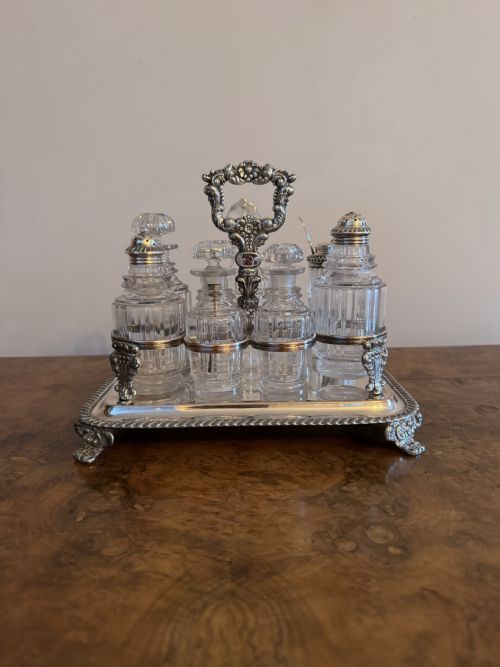
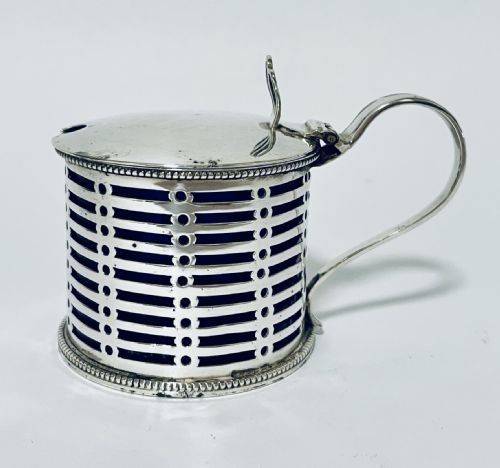
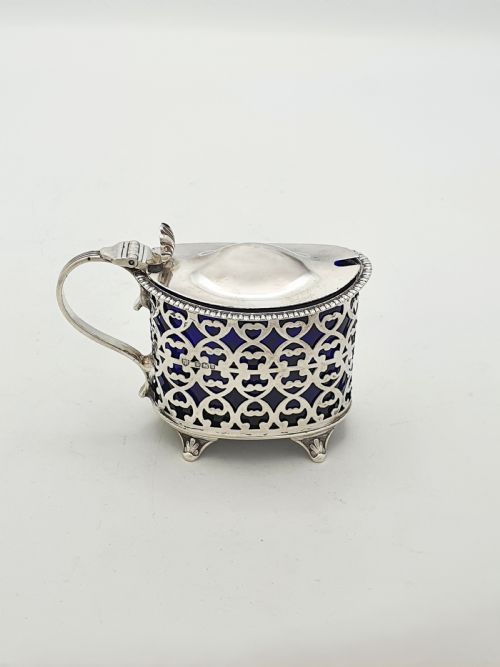
These Victorian silver condiment holder pieces bring functional elegance to the dining table with polished metal and cut glass.
Victorian Silver Condiment Holder
When you search for a victorian silver condiment holder, you encounter table accessories designed to serve relishes, sauces, mustards, and preserved fruits during formal meals. The examples appearing on this page span the Victorian, Edwardian, and later nineteenth century periods, reflecting the dining customs of those eras.
Cruet sets and mustard pots form the core of what is available, ranging from multi-bottle silver plated frames to single sterling silver pots with coloured glass liners. Forms include baskets, sauce holders, and preserve dishes alongside fitted frames that hold several bottles.
The most common variants you meet here are silver plated cruet sets featuring cut glass bottles, often accompanied by individual mustard pots in sterling silver or plated metal. These pieces utilise blue, cranberry, or ruby red glass inserts to create contrast against the metalwork.
Materials and construction
Maker workshops utilised sterling silver and silver plate over base metals to shape the frames, stands, and mustard pot lids. Piercing techniques and wirework stands appear frequently in the construction of these decorative table elements.
Glass production played a vital role, yielding heavy cut glass bottles and vibrant coloured glass liners in cranberry, ruby red, and blue tones. These glass components were blown and cut to fit precisely within the silver or plated metal mounts.
Victorian Silver Condiment Holder Retail Price Guide 2026
Typical asking prices for victorian silver condiment holder among the pieces listed under this phrase on Sellingantiques today, from the lower quarter to the upper quarter. They describe what is for sale here now, not the wider market.
Assessing the craftsmanship
The sophistication of the metalwork distinguishes finer examples, particularly where intricate piercing or detailed wirework frames demonstrate greater labour by the silversmith. Weight and the crispness of the casting on handles and rims also indicate higher standards of production.
The preservation and quality of the glass liners affect the overall integrity of the piece, with deep hand-cut patterns and unblemished coloured glass representing superior manufacture. Complete sets retain their original matching bottles and liners, which elevates the coherence of the item.
Wade Wingfield Wilkins
The Victorian Silver Condiment Holder Glossary
- Cruet set
- A fitted frame or stand designed to hold multiple bottles, jars, or castors for condiments at the dining table. These sets often incorporate handles for passing around the table during meals.
- Silver plate
- A manufacturing method where a thin layer of silver is fused to a base metal core such as copper or brass. This technique allowed makers to produce elaborate tableware at a lower cost than solid sterling silver.
- Cranberry glass
- A transparent pinkish-red glass created by adding gold to the molten batch during production. It appears frequently in Victorian tablewares and liners.
- Pierced work
- A decorative technique where metal is pierced or cut through to create openwork patterns such as lattices or scrollwork. This method lightens the appearance of heavy silver or plated frames.
Victorian Silver Condiment Holder: Frequently Asked Questions
What is a victorian silver condiment holder used for?
These pieces held condiments, sauces, mustards, and preserves during nineteenth and early twentieth century dining. They kept table seasonings organised and accessible for guests.
Larger cruet sets held multiple bottles for oil, vinegar, and sauces, while smaller pots served specific items like mustard or fruit preserves.
How do I identify a Victorian piece?
Victorian items often display hallmarks, style traits, and manufacturing techniques characteristic of the nineteenth century. Examining the construction of the metal frame and the style of the glass helps indicate the period.
Makers working during the Victorian era frequently utilised specific plating methods and distinct decorative motifs like wirework and pierced designs.
What is silver plate?
Silver plate involves applying a thin layer of silver to a base metal foundation. This practice made decorative tableware accessible to a wider Victorian household.
Pieces from this era often bear marks indicating the plating firm or the quality of the base metal used beneath the silver surface.
Why do some pots have coloured glass?
Coloured glass liners in blue, cranberry, or ruby red added visual contrast to the silver or plated metal frames. These vibrant hues brightened dining tables during the Victorian and Edwardian periods.
Coloured glass also protected certain contents from light exposure while offering a decorative element to the condiment set.