
Vintage Pearl Strand
Discover the timeless elegance of a vintage pearl strand, bringing classic sophistication to any collection.
Vintage Pearl Strand
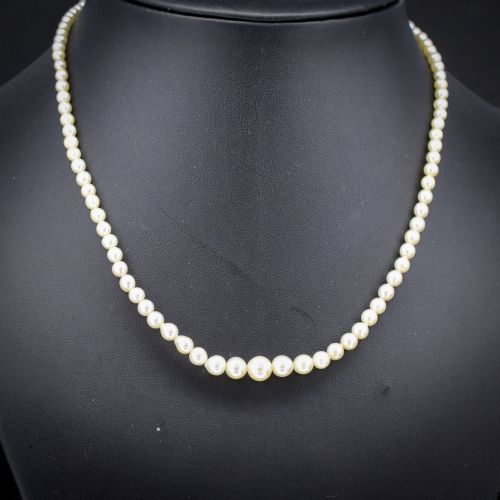
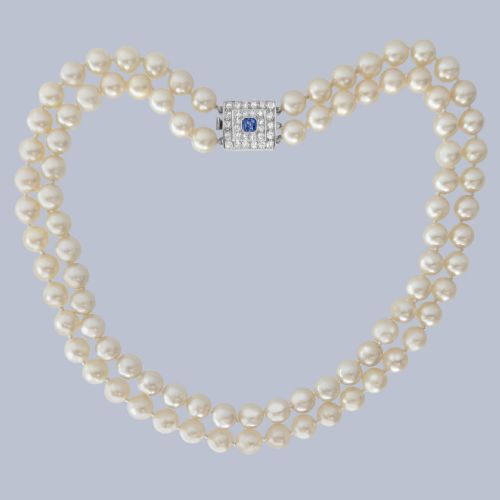
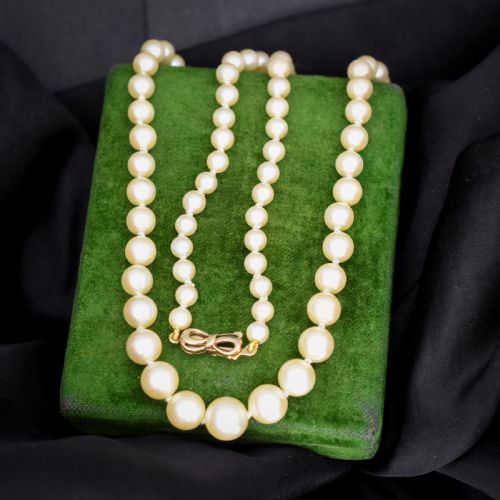
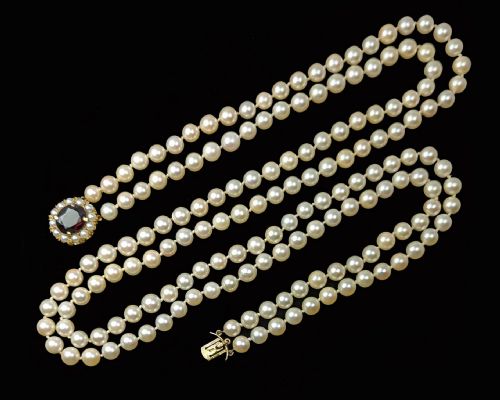
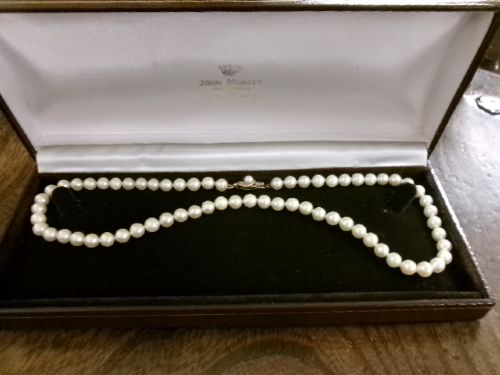
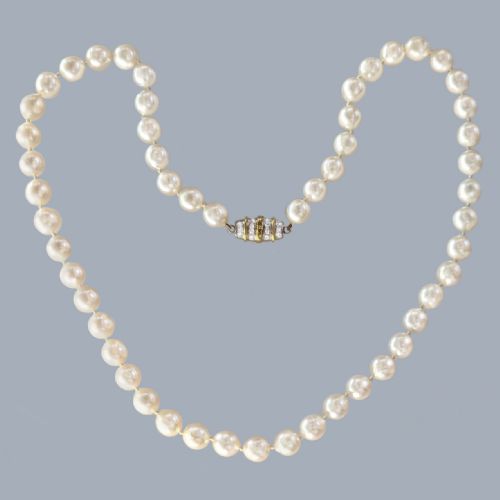
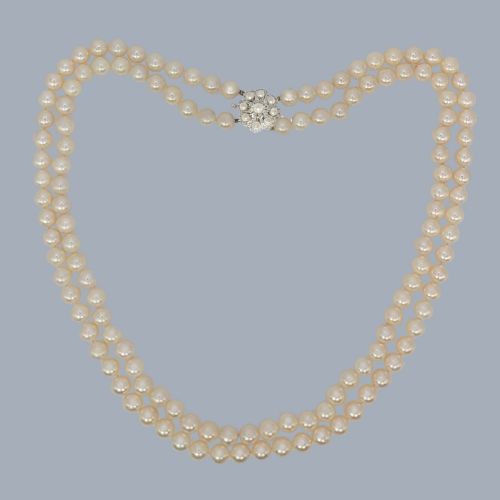
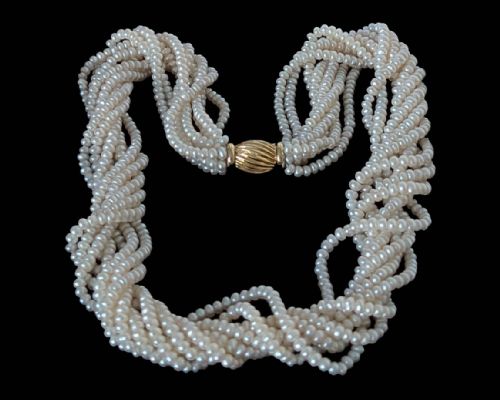
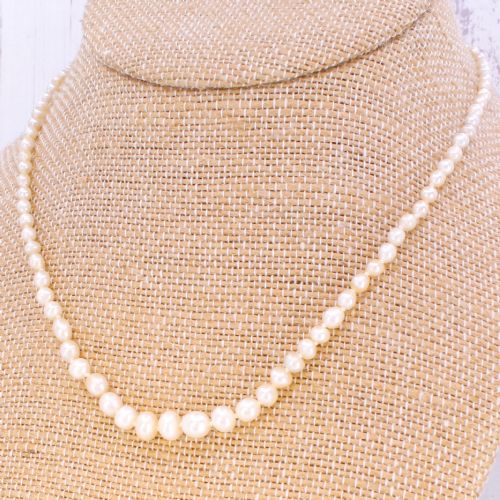
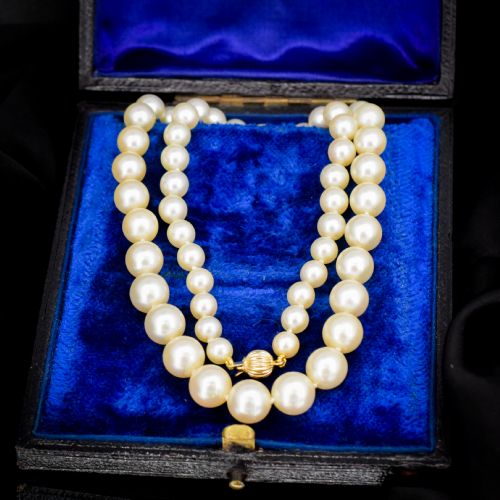
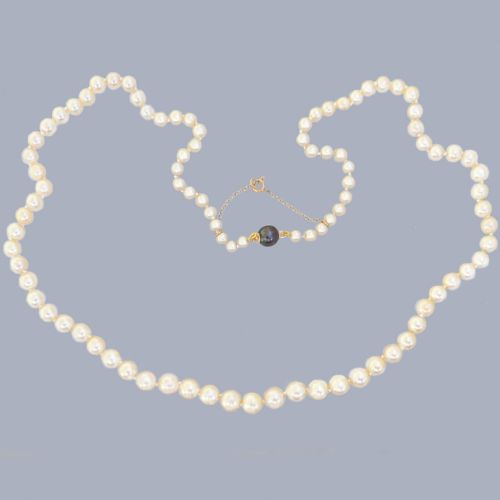
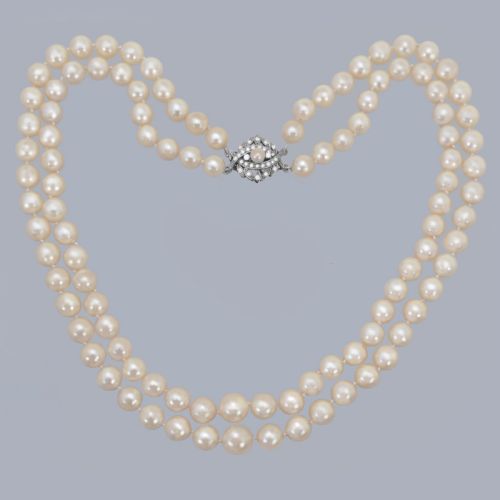
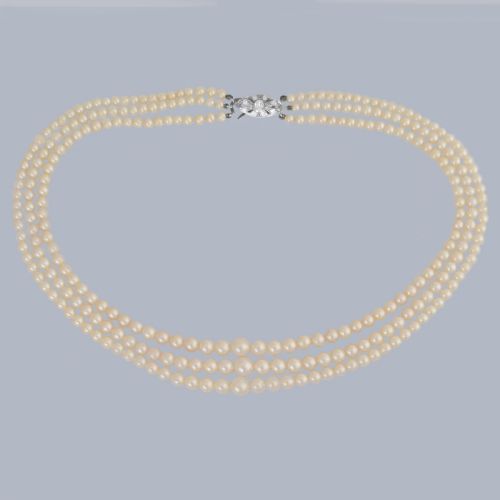
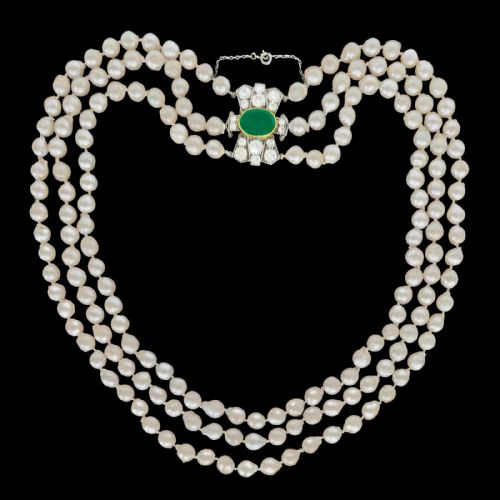
When searching for a vintage pearl strand, collectors encounter single, double, triple, and multi-row necklaces and bracelets created across the Edwardian period, the 1920s Art Deco era, and the mid-century decades up to the 1960s. These pieces range from simple single strands to complex multi-strand ropes and chokers secured by elaborate precious metal clasps.
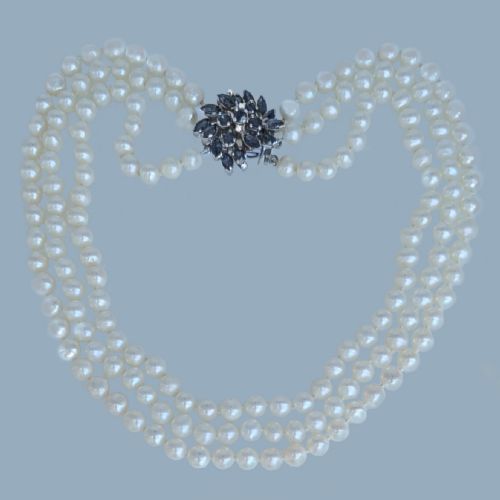
The most common examples on this page date from the 1950s and 1960s, typically featuring cultured pearls arranged in uniform or graduated rows. Many of these mid-century designs incorporate secure 9ct gold or white gold clasps set with gemstones such as sapphires, garnets, rubies, or diamonds.
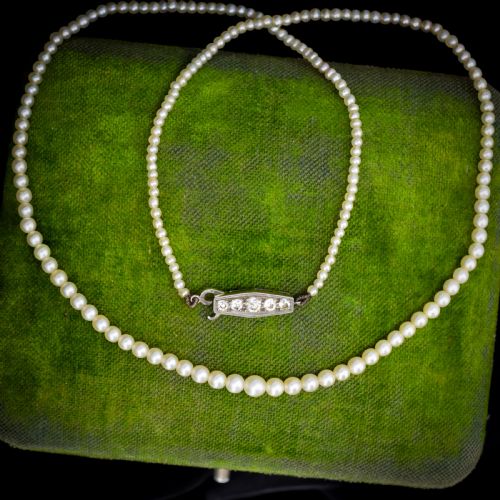
Earlier examples from the Edwardian period and the 1920s often showcase intricate platinum or white gold settings, intricate Art Deco geometries, and natural saltwater pearls. These pieces reflect the high craftsmanship of their respective decades, frequently accompanied by gemological certificates confirming their origin.
How They Were Made
The construction of a vintage pearl strand relies on meticulous hand-knotting between individual pearls, ensuring that the beads do not rub together and that the necklace retains its flexibility. Silk or specialised nylon threads are threaded through drilled pearls and secured firmly to precious metal box clasps or bolt rings.
Cultured and natural pearls are selected for lustre, surface orientation, and matching size or harmonious graduation. Natural saltwater varieties formed organically over years, while cultured pearls were systematically nucleated, both resulting in nacre layers that catch the light with a soft, deep glow.
Vintage Pearl Strand Retail Price Guide 2026
Typical asking prices for vintage pearl strand among the pieces listed under this phrase on Sellingantiques today, from the lower quarter to the upper quarter. They describe what is for sale here now, not the wider market.
Listings feature pearl strands spanning the Edwardian era, Art Deco period, and mid-century modern designs, paired with clasps in 9ct, 14ct, and 18ct gold.
What Varies in Quality
Quality in a vintage pearl strand is determined primarily by the lustre and skin condition of the pearls themselves. Superior examples display a deep, reflective orient and minimal natural surface blemishes, whereas lower tiers show dullness, chalky surfaces, or heavy pitting.
The complexity and material quality of the clasp significantly elevate a piece's standing. Fine specimens feature heavy 18ct gold, platinum, or detailed silver mounts set with certified diamonds, sapphires, or emeralds, moving beyond simple base metal or plain gold barrel fasteners into the realm of fine jewellery.
Structural integrity also dictates worth, as professionally restrung strands with tight, even knots demonstrate careful maintenance. Loose, stretched silk or mismatched pearl replacements diminish the visual harmony of an otherwise historic multi-row necklace.
The Vintage Pearl Strand Glossary
- Graduated
- A style of necklace where the pearls increase steadily in diameter from the clasp towards the centre front. This traditional arrangement ensures the largest, most impressive pearls sit prominently when worn.
- Cultured Pearl
- A pearl formed with human intervention by inserting a nucleus into an oyster or mollusc. These have formed the backbone of mid-century commercial jewellery production.
- Natural Saltwater Pearl
- A pearl grown organically in ocean molluscs without human seeding. These are typically older, scarcer, and highly prized by advanced collectors.
- Restrung
- The maintenance process of replacing old, weakened thread and adding fresh knots between pearls. This ensures the necklace remains secure during regular wear.
- Sautoir
- A very long necklace, often exceeding fifty inches in length, popular during the early twentieth century. These can be worn single or doubled up for a layered effect.
Vintage Pearl Strand: Frequently Asked Questions
Can I wear my vintage pearl strand every day?
Many people enjoy wearing their pearl strands daily, particularly sturdy mid-century cultured pieces fitted with secure gold clasps. However, because pearls have a lower hardness rating than diamonds or precious metals, they are susceptible to scratching and chemical erosion.
To prolong the life of the piece, put your pearls on last after applying hairspray, perfume, and lotions, and take them off first when undressing. Keeping them separate from abrasive metals prevents unnecessary surface wear over time.
What is the difference between cultured and natural pearls?
Natural pearls form entirely by chance when an irritant enters a saltwater mollusc in the wild without human assistance. Cultured pearls begin their growth when a technician deliberately implants a bead nucleus into the oyster, encouraging it to coat the foreign body in nacre.
Under magnification or gemological testing, natural pearls show a solid, concentric structure of pure nacre throughout. Cultured pearls reveal a distinct core boundary, though both types offer the same luminous visual appeal when worn.
How can I tell the era of a pearl clasp?
Clasp styles often reflect the dominant design ethos of their manufacturing period, such as geometric platinum settings for the Art Deco years or floral cluster motifs in the 1950s and 1960s. Examining the metal hallmarks stamped on the box tongue provides precise assay office marks and date letters.
Edwardian clasps frequently utilise delicate openwork platinum-topped gold, while later mid-century examples lean towards robust 9ct white or yellow gold mountings set with small brilliant-cut diamonds.