
Vintage Paraffin Light
These vintage paraffin light designs bring Victorian and Edwardian warmth to a room through heavy brass columns and coloured glass fonts.

Vintage Paraffin Light
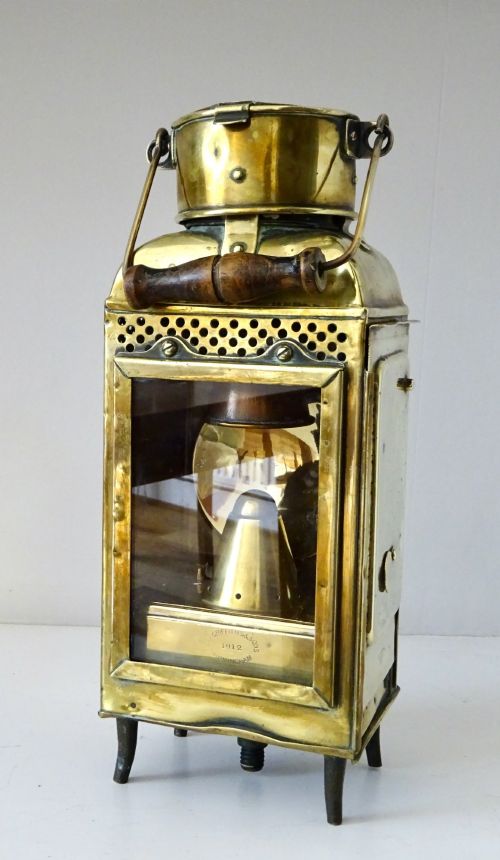
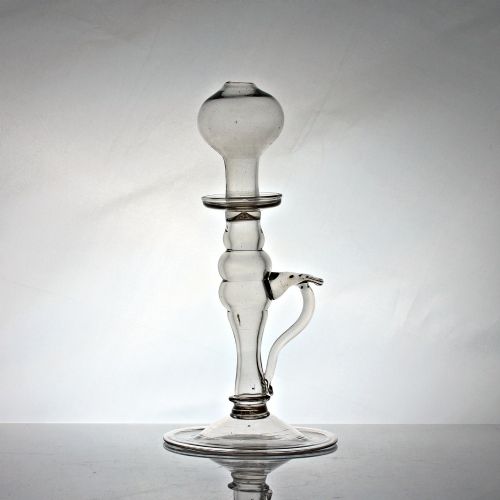
When you search for a vintage paraffin light, you encounter nineteenth and early twentieth century domestic lighting forms designed to burn oil for illumination. These objects primarily take the shape of oil lamps, table lamps, ceiling lights, and replacement lamp shades originating from periods spanning the Victorian era through the Edwardian years and into the early twentieth century.
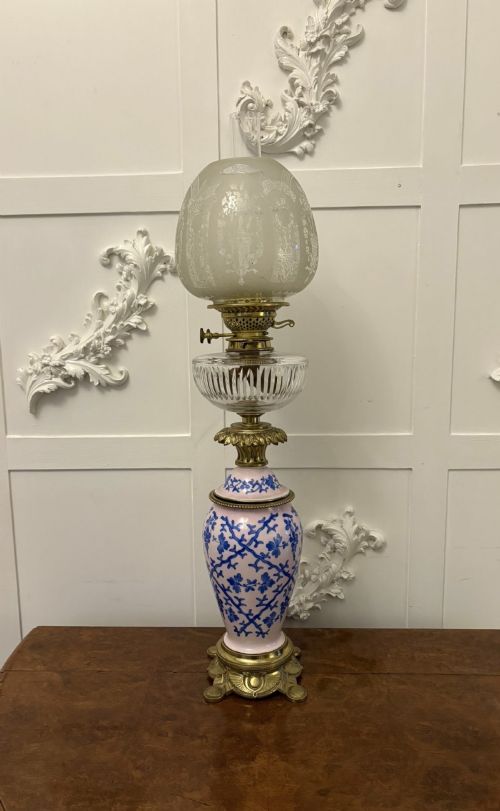
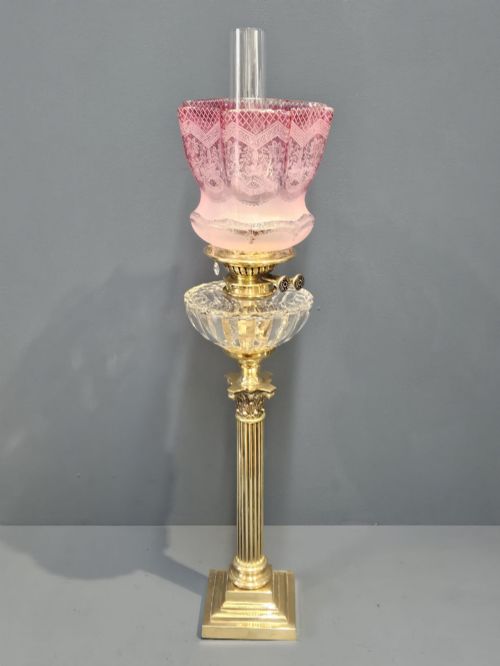
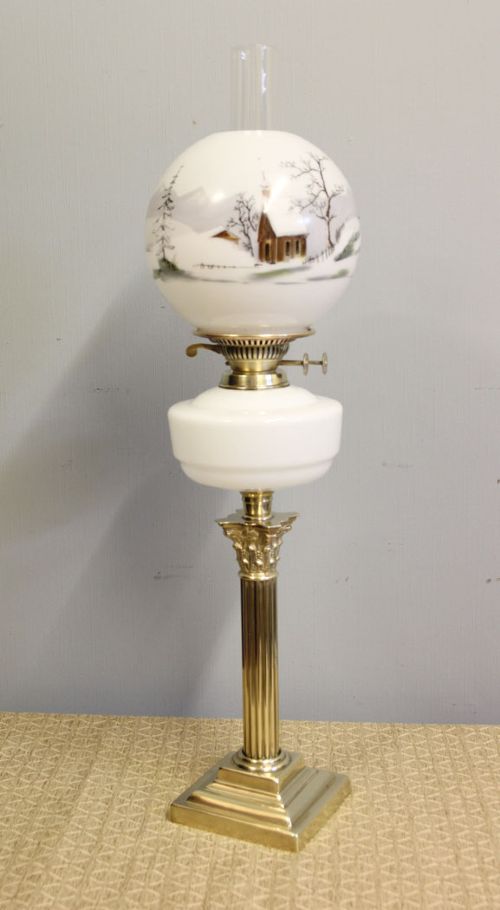
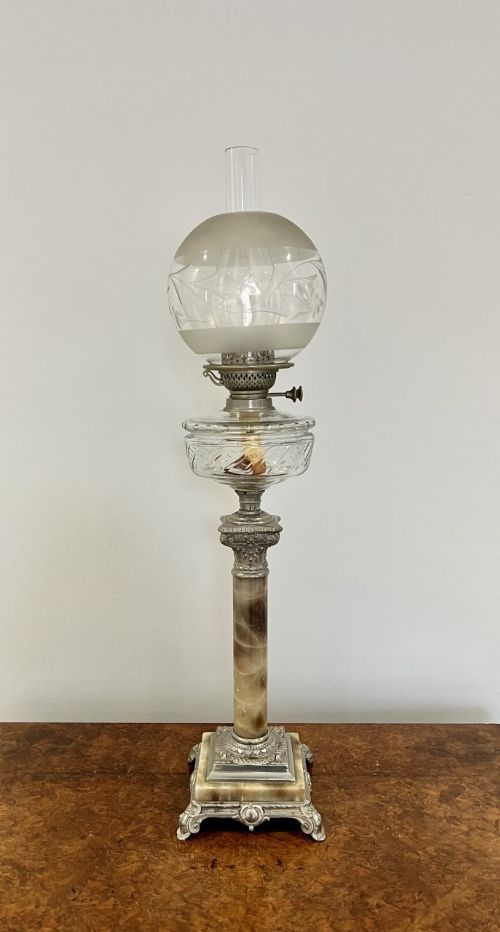
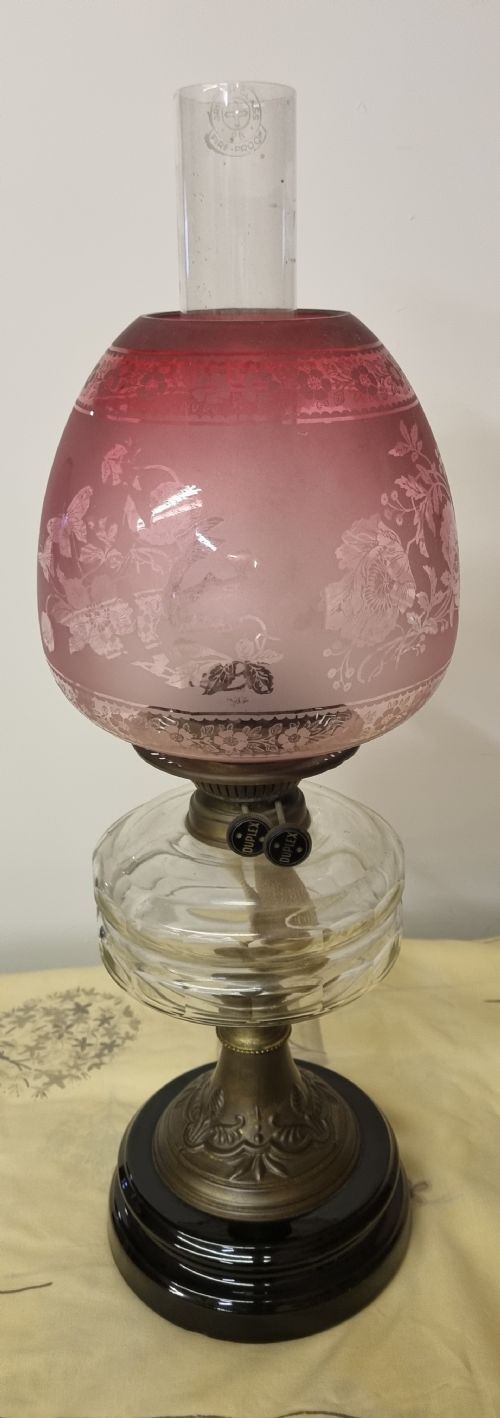
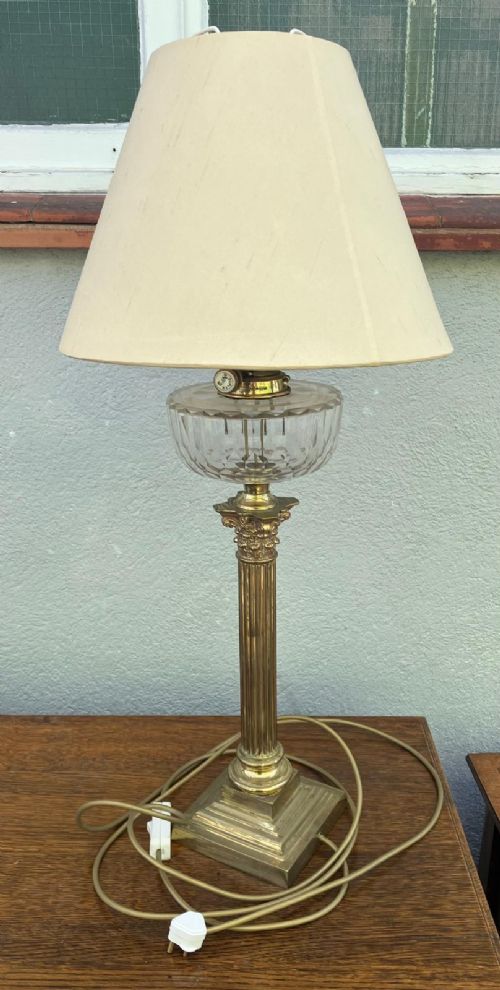
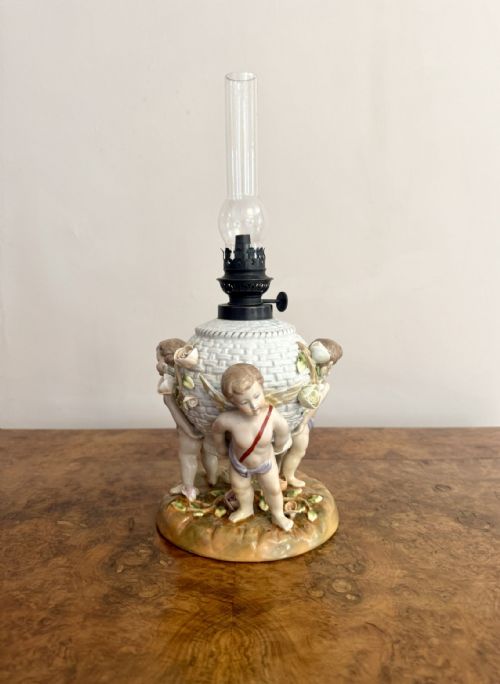
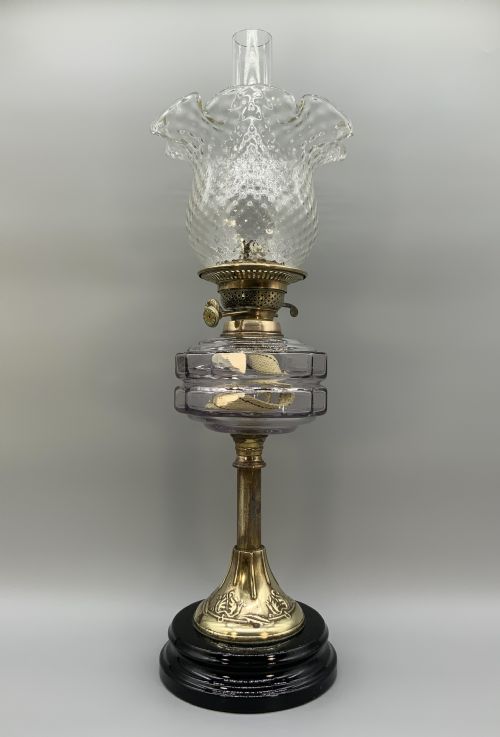
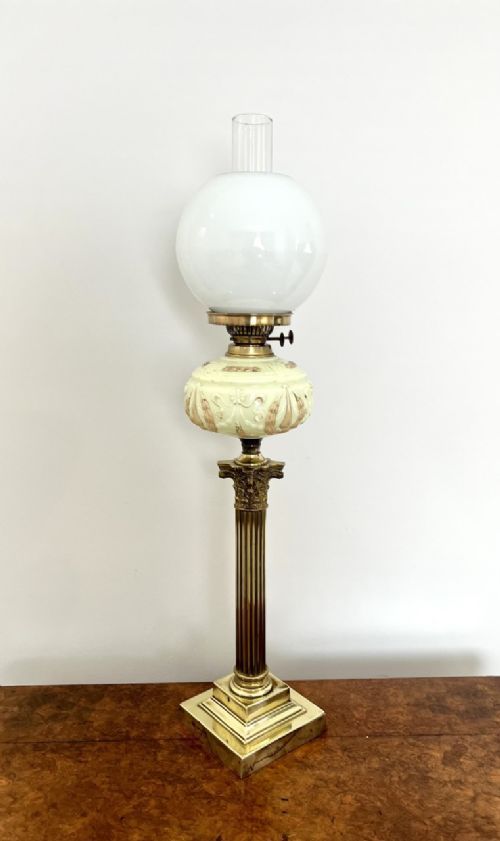
The most common examples on this page are tall brass column oil lamps, frequently featuring Corinthian or Ionic capitals paired with glass or ceramic fonts. Alongside these stand hanging ceiling lights and individual hand-blown or etched glass shades, representing the domestic lighting technology used before widespread electricity.
Materials and methods
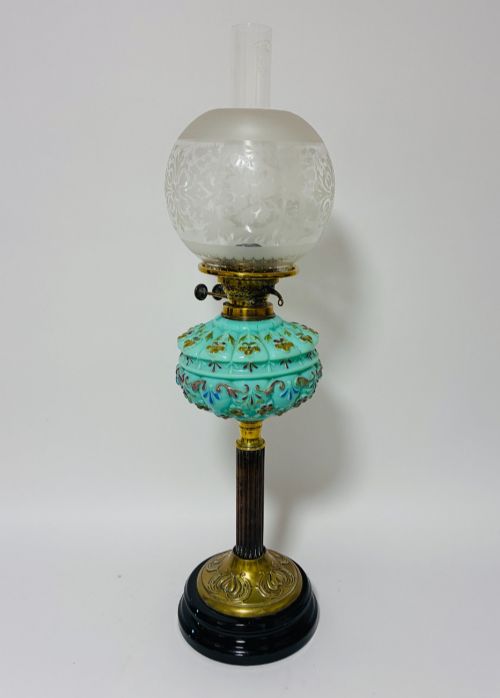
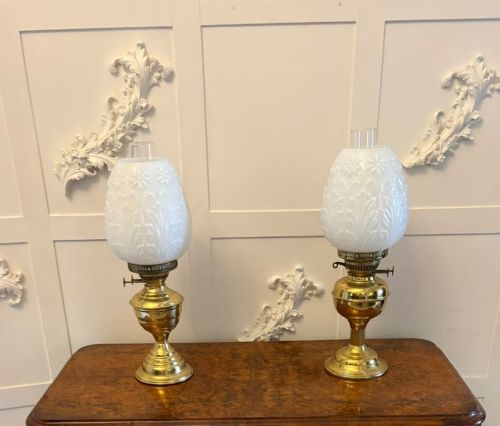
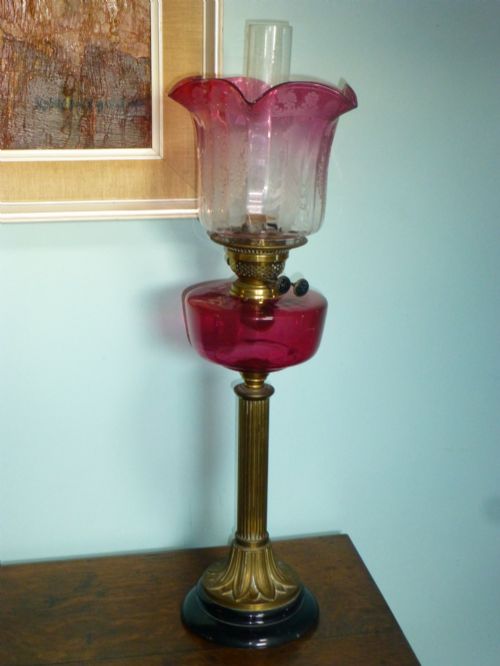
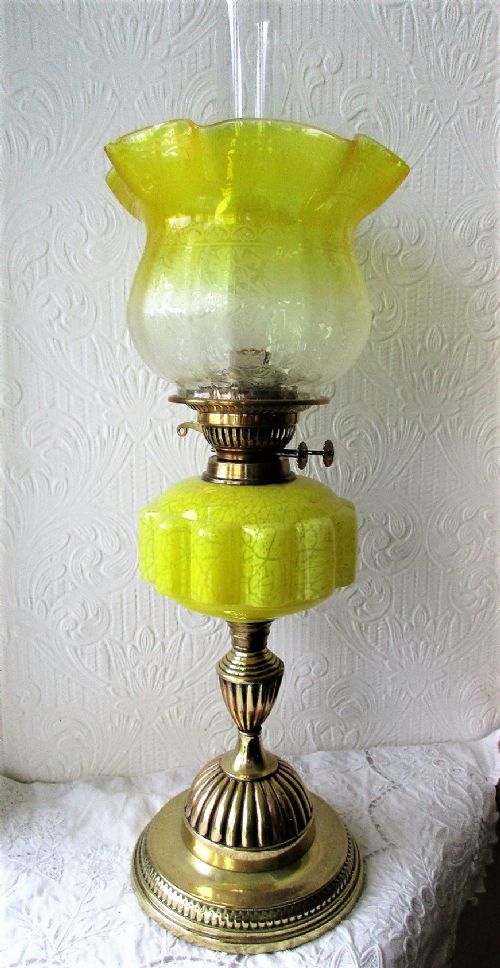
The construction of these pieces relies on cast and spun brass combined with blown, pressed, or painted glass. Metal components often feature heavy brass columns or copper elements, while the fuel reservoirs and shades utilise cranberry glass, opaline glass, clear cut glass, and painted porcelain.
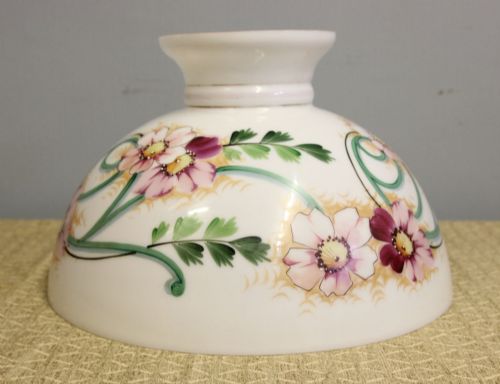
Makers integrated functional double burners, such as duplex systems, into the metal collars, attaching decorative fonts with applied handles or gilt decoration. Glass shades were frequently hand-blown, etched with floral or winter scenes, or hand-painted with botanical motifs before being fitted to the metal bodies.
Listings feature brass, cranberry glass, opaline glass, and porcelain across Victorian and Edwardian forms.
Distinctions in quality
Quality rests upon the weight of the cast brass work, the complexity of the column capitals, and the artistic merit of the glass components. Superior examples display crisply moulded Corinthian details, heavy gauge metal bases, and deeply coloured cranberry or hand-painted opaline shades rather than plain or thin glass.
The integration of recognised burner mechanisms by established makers elevates a piece above standard domestic utilitarian production. Furthermore, matching original fonts and shades demonstrate a higher grade of preservation than assembled or later replacement pairings.
Eli Griffiths & Sons·Gustave Serrurier Bovy·Wild and Wessel·Hinks
The Vintage Paraffin Light Glossary
- Duplex burner
- A heavy-duty double wick mechanism that produces a significantly brighter flame than single wick burners. This system appeared frequently on larger nineteenth century lamps.
- Corinthian column
- An architectural column style featuring ornate acanthus leaf capitals. Makers frequently utilised this classical form for the stems of substantial brass table lamps.
- Opaline glass
- An opaque, milky white glass popular for Victorian and Edwardian lamp shades. It diffuses light softly across a room.
- Cranberry glass
- A rich pinkish-red glass created by adding gold chloride to the molten batch. It forms the striking coloured shades and fonts seen on many Victorian pieces.
Vintage Paraffin Light: Frequently Asked Questions
How do I identify a Victorian oil lamp?
Victorian models typically feature heavy brass columns, opaque or coloured glass fonts, and period burner mechanisms like the duplex system. Look for classical architectural motifs such as Corinthian capitals combined with hand-painted floral glass shades.
They often bear maker stamps on the brass thumbwheels that operate the wicks. The weight of the metal and the depth of colour in the glass components further indicate nineteenth-century production.
Were these lamps converted to electricity?
Many examples retain their original paraffin burners and reservoirs, whilst others have received professional electrical conversions over the decades. Preserved oil mechanisms feature intact wick controls and original collars.
Buyers find both functional antique lighting with intact burners and pieces adapted for modern wiring. The presence of the original burner assembly remains a key detail for collectors of untouched pieces.
What styles are common in Edwardian paraffin lights?
Edwardian lighting draws upon Neoclassical revival themes, alongside emerging Art Nouveau and Secessionist influences. These later pieces often incorporate onyx elements, slender brass stems, and opaline or etched glass shades.
The designs lean toward slightly cleaner lines compared to high Victorian ornamentation, though heavy brass columns and classical column forms remained popular into the twentieth century.
How should I clean a vintage brass lamp?
Gentle dusting with a dry cloth protects the aged patina that accumulates on nineteenth-century brass surfaces. Avoid harsh chemical polishes that strip away the historical character and darkening acquired over generations.
Glass shades and porcelain fonts can be washed carefully in warm soapy water using mild detergents. Ensure all parts are completely dry before reassembly, particularly around painted or gilt glass decorations.