
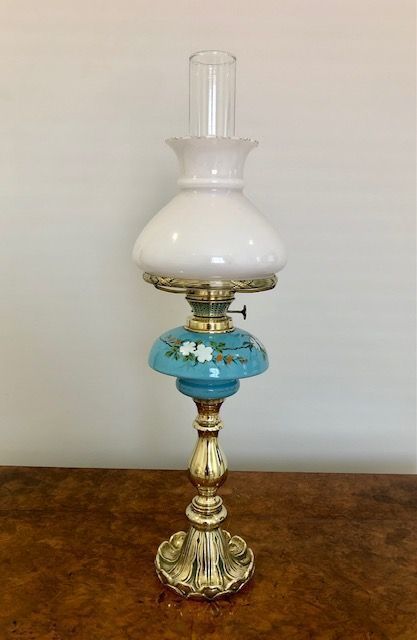
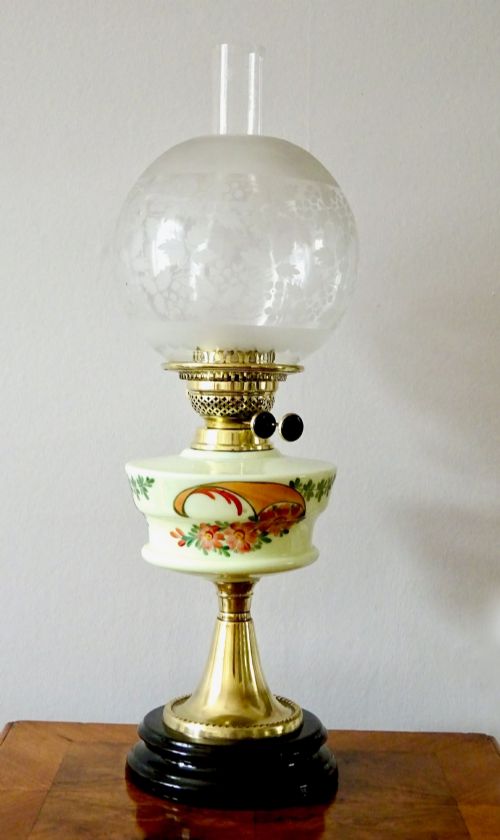


Vintage Paraffin Desk Lamp
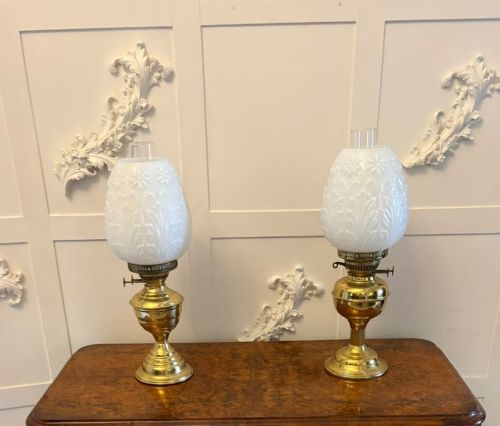
These vintage paraffin desk lamp pieces are period domestic light fittings designed for task lighting, offering substantial metalwork and decorative glass shades to enrich a study or desk.
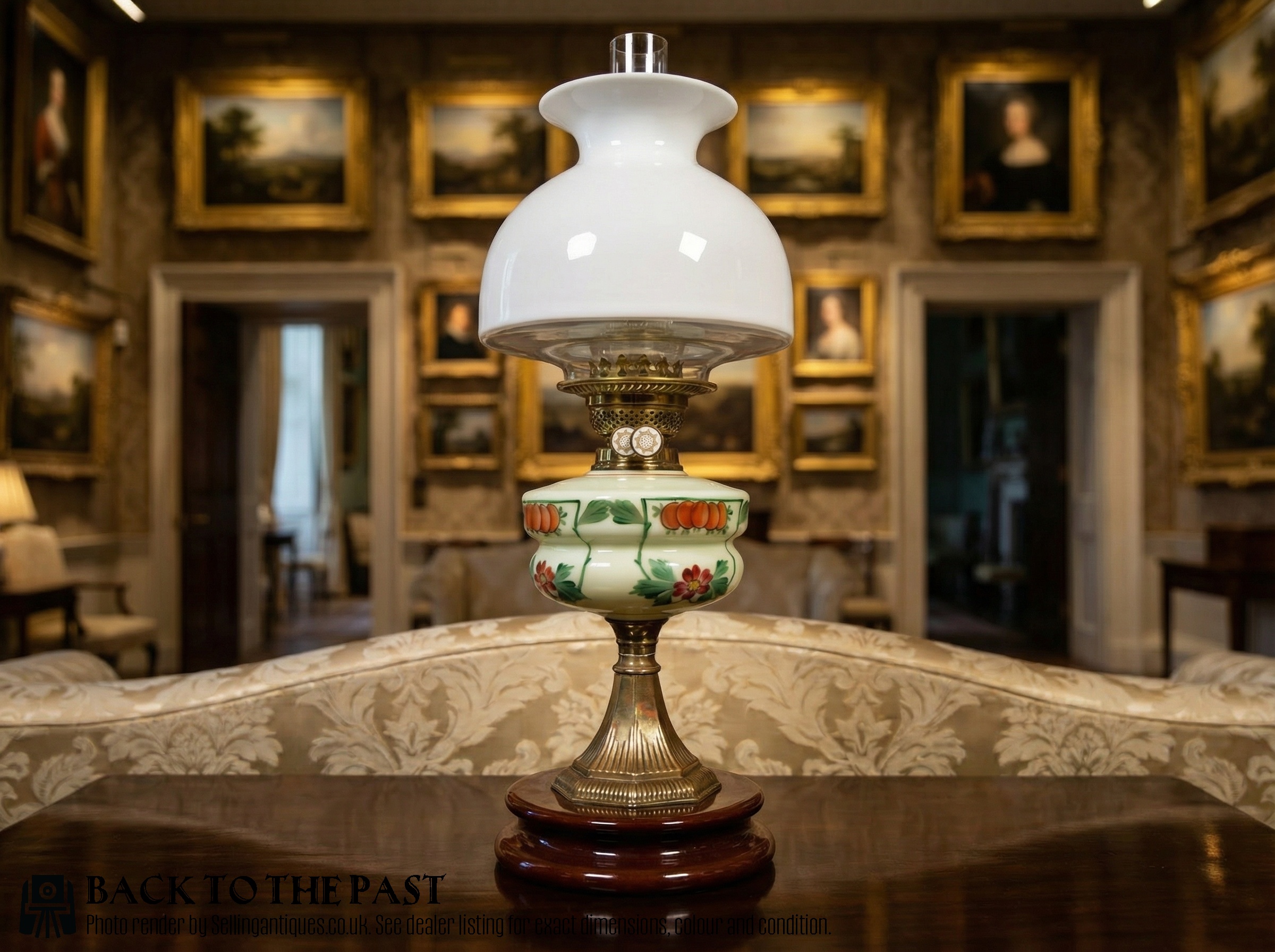
Vintage Paraffin Desk Lamp
A vintage paraffin desk lamp is a functional lighting fixture originating primarily from the Victorian and Edwardian eras, designed to burn paraffin oil before many homes had electricity. These pieces frequently appear in brass, often paired with opaline or cut glass shades, and many have subsequently been converted to electricity for modern use.
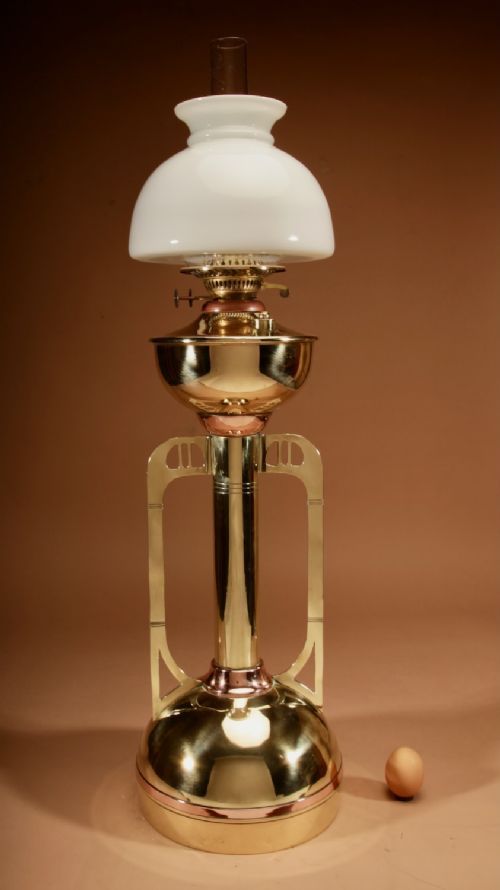
The selection on this page spans the nineteenth century through to the early twentieth century, encompassing styles from Neoclassical Revival to Arts and Crafts and Industrial. Buyers encounter table lamps, columnar designs, and specific burner systems such as Wild and Wessel.
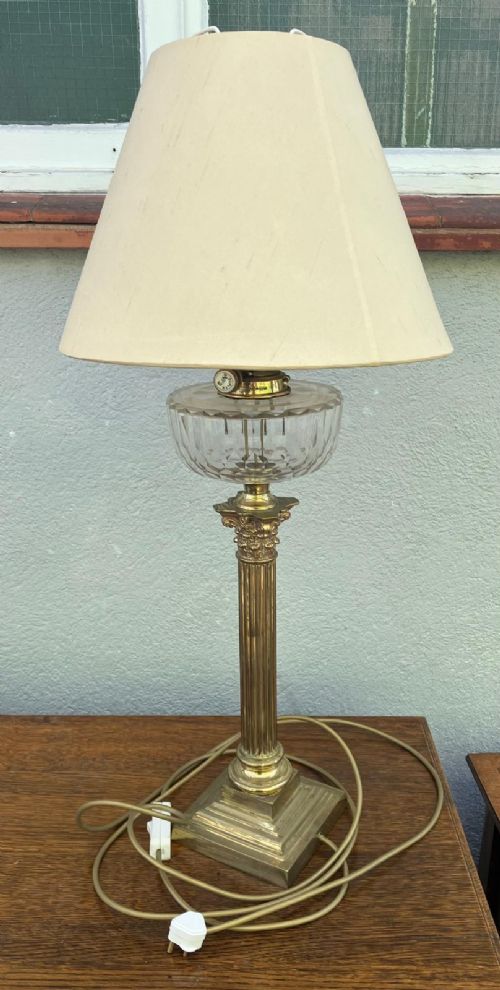
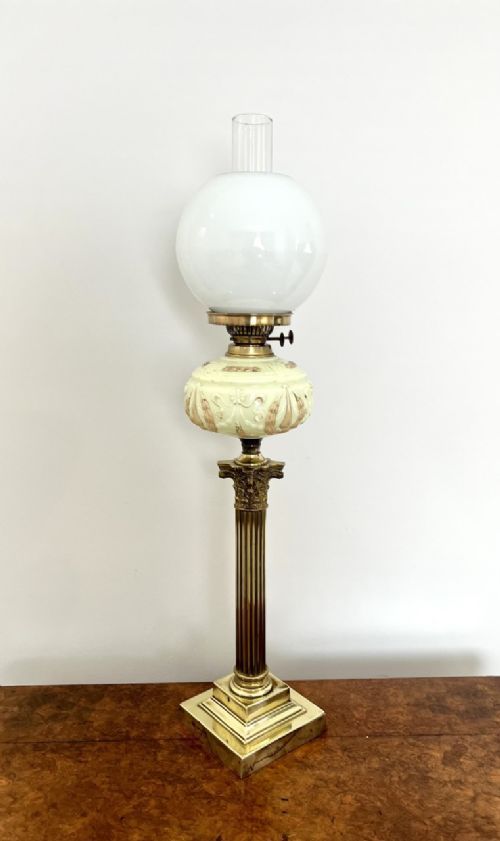
Forms range from simple brass and ceramic bodies to elaborate Corinthian column standards and French repoussé metalwork. Most examples integrate heavy metal bases to support the weight of the fuel reservoir and glass shade.
What varies in quality
Quality in a vintage paraffin desk lamp is determined by the weight and casting definition of the metalwork, such as crisp fluting on a Corinthian column or detailed hand-finishing on copper and brass components. Superior examples retain original burners, undamaged glass shades, and substantial bases that demonstrate rigorous period manufacturing standards.
The presence of specialised components, such as signed burner mechanisms or high-grade cut and opaline glass globes, elevates an individual piece above standard utilitarian production. Proportion, material purity, and the integration of decorative elements like ceramic inserts or cast cherubs dictate the standing of each lamp.
Listings feature brass as the dominant material, frequently paired with opaline glass, ceramic, and cut glass across Victorian and Edwardian periods.
Gustave Serrurier Bovy·Wild and Wessel
The Vintage Paraffin Desk Lamp Glossary
- Paraffin
- A petroleum-derived hydrocarbon liquid used as fuel for domestic oil lamps during the nineteenth and early twentieth centuries. It replaced earlier whale oil and camphene mixtures due to its cleaner burn and wider availability.
- Opaline glass
- A pale, translucent milk glass often tinted white or pastel, widely utilised for Victorian and Edwardian lamp shades to soften and diffuse light. Its milky appearance comes from the addition of bone ash or opacifying agents during manufacture.
- Corinthian column
- A classical architectural order featuring an ornate capital decorated with acanthus leaves, frequently adopted as a decorative standard for nineteenth-century brass table and oil lamps. This style reflects the period's Neoclassical Revival taste.
- Wild and Wessel
- A prominent German burner manufacturer known for producing high-efficiency duplex and round-wick burner mechanisms for nineteenth-century oil lamps. Their hardware is often stamped with maker marks and numbers, indicating technical precision.
- Repoussé
- A metalworking technique where a thin sheet of metal, such as brass or copper, is hammered from the reverse side to create a raised decorative design on the front. It appears on the bases and reservoirs of decorative period lamps.
Vintage Paraffin Desk Lamp: Frequently Asked Questions
Were all vintage paraffin desk lamps converted to electricity?
Many surviving examples have been adapted to accept modern electrical wiring, allowing them to function safely as desk lamps while retaining their period bases and burners. Some retain their original oil-burning configuration.
Conversion typically involves running a cord through the central column without altering the exterior brass or ceramic structure, making it reversible for purists who prefer original oil components.
How do I identify a Victorian oil lamp?
Victorian pieces usually display heavier brass casting, classical column forms, or ceramic bodies combined with metal mounts. The presence of period burner mechanisms and specific glass shade types points directly to this era.
Dates can often be narrowed down by examining the burner thumb-turns, collar stamps, and the stylistic influence of the design, such as Late Victorian or Neoclassical Revival motifs.
What kind of shade belongs on these lamps?
Most of these lamps were originally designed to hold opaline glass, cut glass, or plain white glass globes that sat securely in a brass gallery ring. These shades diffused the bright light of the paraffin flame.
When selecting a shade, proportion to the brass or ceramic base is essential, as heavy columnar lamps require wider globes to balance their visual weight.
How should I clean a brass paraffin lamp?
Dusting with a soft dry cloth is generally sufficient for maintaining the aged patina on nineteenth-century brass and copper surfaces. Heavy polishing is discouraged by collectors who value the historical surface finish.
Glass shades can be washed separately in warm soapy water, provided they are free from cracks, ensuring that hand-painted details are handled with care.