


Hand Painted Floral Lamps
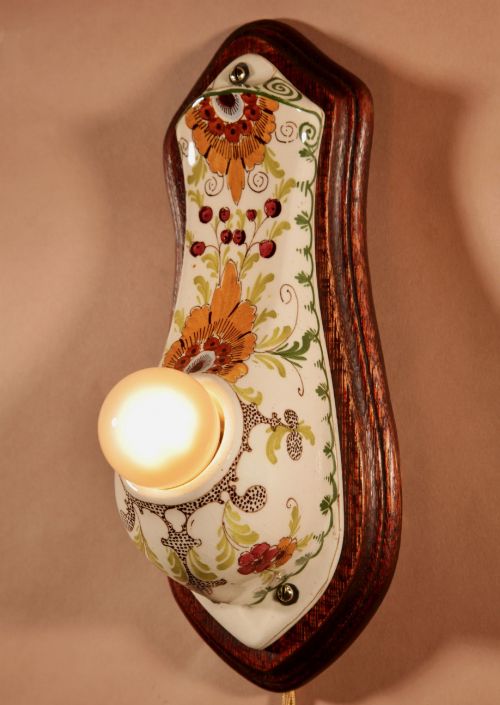
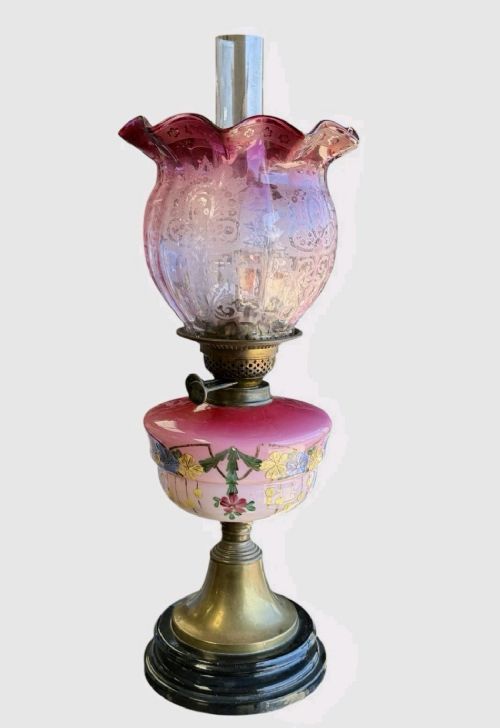
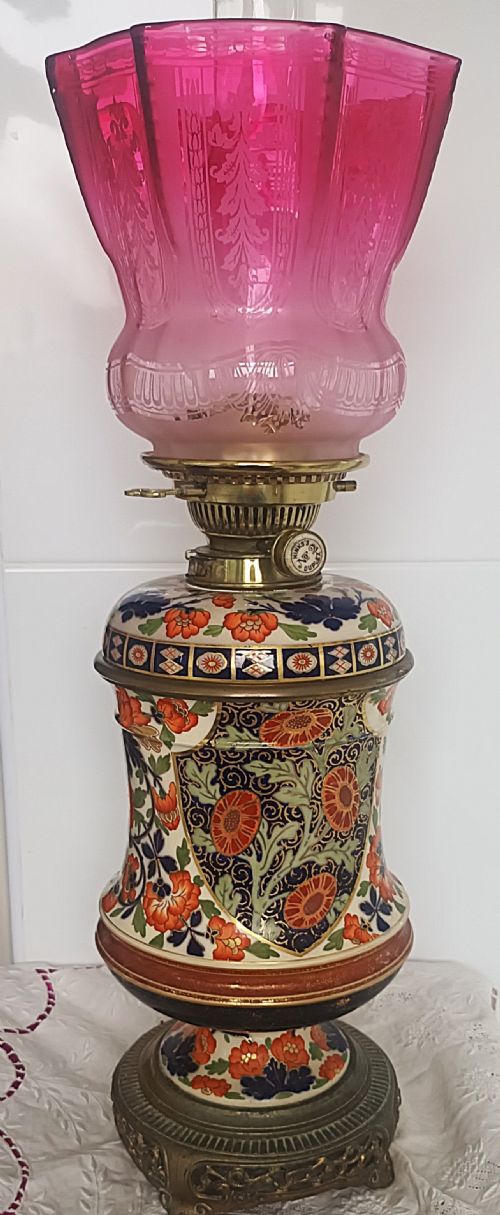
Hand painted floral lamps bring together delicate botanical artistry and functional illumination, offering interiors a warm, decorative focal point.
Hand Painted Floral Lamps
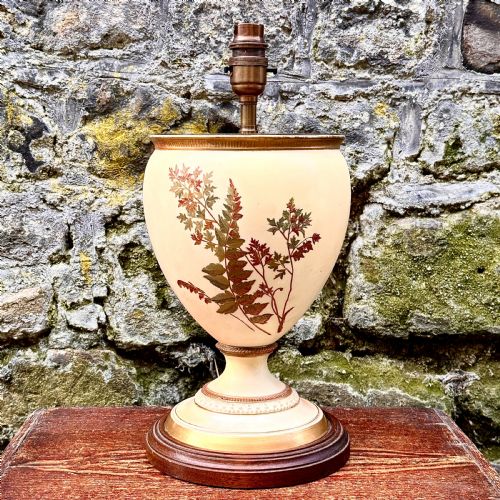
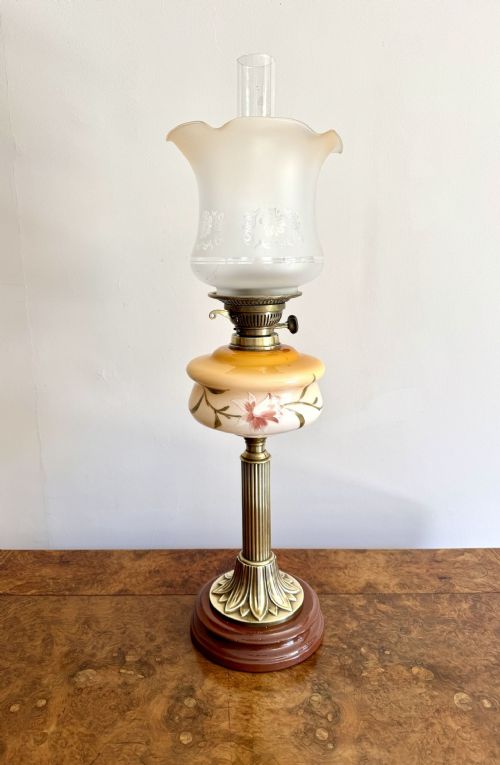
These pieces combine functional lighting with botanical artistry, spanning table lamps, oil lamps, and hanging shades decorated with floral motifs. When exploring hand painted floral lamps, buyers encounter diverse forms ranging from converted vases to traditional oil fonts.
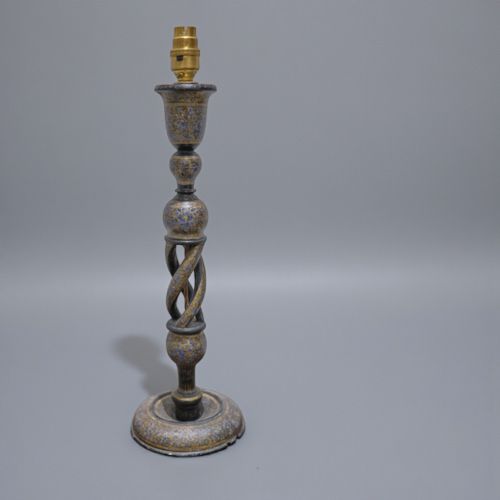
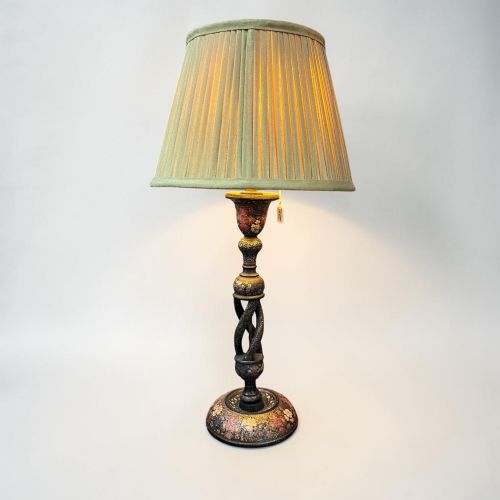
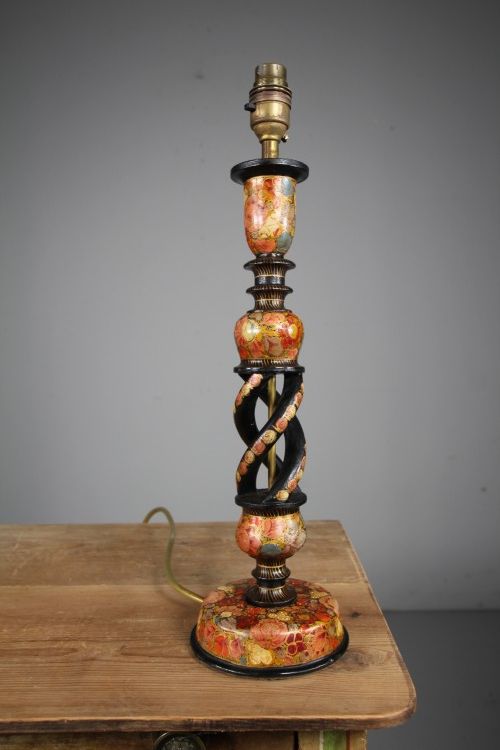
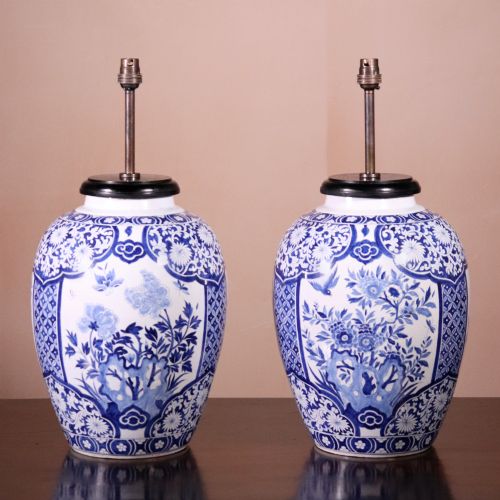
The selection includes specimens from the Victorian and Edwardian eras, alongside pieces shaped by Art Nouveau and Art Deco sensibilities. Kashmiri workshops and Chinese export styles heavily influence the visual repertoire found on this page.
Domestic lighting here frequently manifests as brass or ceramic structures paired with hand painted glass or porcelain. Table lamps and converted vases dominate the available inventory, reflecting historical shifts toward domestic electricity and refined interior decoration.
How they were made
Makers utilised traditional methods combining ceramic throwing, glass blowing, and metal casting to create the foundational bodies of these lights. Brass, gilt bronze, wrought iron, and wood provide sturdy structures for delicate glass and porcelain components.
Artisans applied pigments by hand directly onto glass shades, porcelain vases, and wooden surfaces, often sealing the work with varnish or firing it in kilns. Enamel work and gilt decoration frequently complement the painted floral designs.
Conversion from earlier oil or paraffin systems to electric wiring is common among older specimens. Craftspeople integrated electrical fittings into existing ceramic jars, metal bases, and glass fonts while preserving the original decorative exterior.
Hand Painted Floral Lamps Retail Price Guide 2026
Typical asking prices for hand painted floral lamps among the pieces listed under this phrase on Sellingantiques today, from the lower quarter to the upper quarter. They describe what is for sale here now, not the wider market.
Listings feature table lamps and oil lamps spanning the Victorian, Edwardian, Art Nouveau, and Art Deco periods, constructed from brass, porcelain, glass, and wood.
What varies in quality
The precision and detail of the hand painted floral decoration set finer examples apart from simpler production work. Subtle shading, delicate brushwork, and well-composed botanical arrangements indicate superior craftsmanship.
Material selection dictates the structural integrity and weight of each piece, distinguishing solid brass, crystal glass, and fine porcelain from lighter substitutes. The preservation of original gilt accents, enamel work, and structural mounts influences overall merit.
The harmony between the lighting fixture and its shade, especially in paired items or converted vases, determines visual balance. Original components and intact surface patinas hold greater favour among collectors.
Royal Worcester·Taylor Tunnicliff·Samson·Hinks
The Hand Painted Floral Lamps Glossary
- Famille Rose
- A palette of opaque Chinese ceramic colours dominated by pink enamel. This style frequently appears on porcelain vases later adapted into lighting.
- Opaline glass
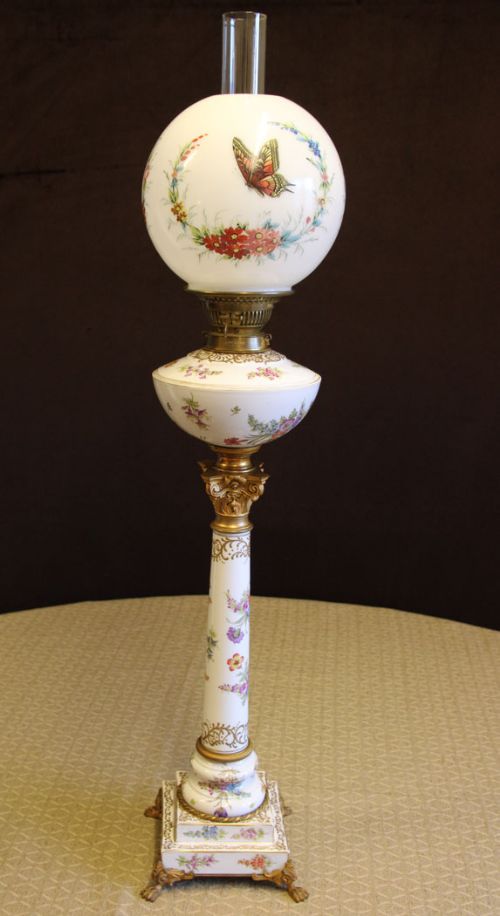
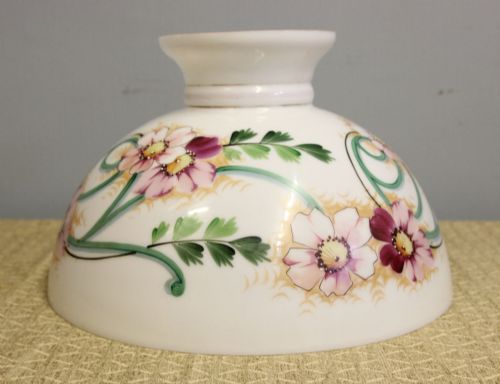
- A milky, translucent glass developed in the nineteenth century. It provides an ideal canvas for hand painted botanical decoration on lamp shades.
- Font
- The oil reservoir section of a traditional lamp. In many surviving pieces, this glass or ceramic component sits atop a metal or wooden column.
- Etagere
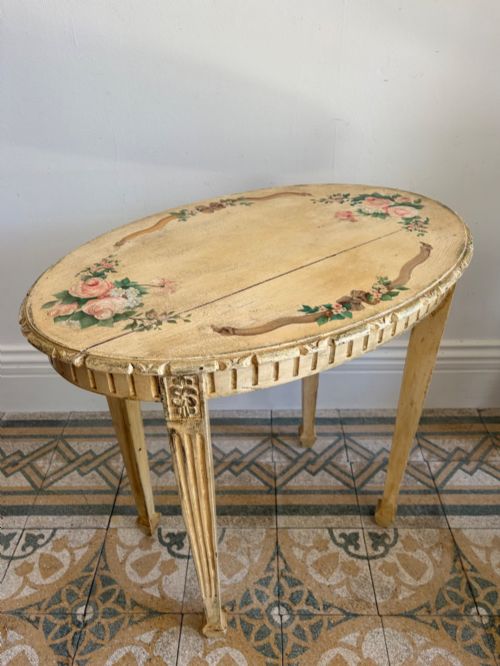
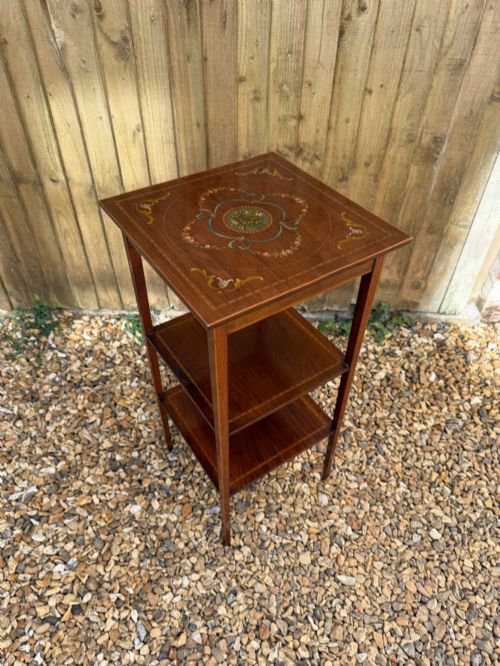
- A set of open shelves for displaying small objects. Painted wooden examples sometimes incorporate decorative surfaces matching regional artistic traditions.
- Baluster vase
- A pillar-shaped vessel with a rounded body and a narrow neck. These forms serve frequently as bodies for converted table lamps.
Hand Painted Floral Lamps: Frequently Asked Questions
How do I clean hand painted lamp shades?
Dust surfaces gently using a soft, dry cloth to protect delicate pigments and gilt details. Avoid abrasive cleaners or excess moisture near painted areas.
For glass shades, remove them carefully before washing in lukewarm water with mild soap. Ensure every component dries completely before reassembly.
Can older oil lamps be used safely today?
Many historical lamps undergo professional rewiring to meet modern electrical standards. This process allows functional use while preserving the antique body.
Consult a qualified electrician to inspect older fittings and ensure safe operation within your home. Original oil mechanisms remain intact as decorative elements.
What periods do these lamps represent?
The inventory spans the nineteenth and early twentieth centuries, capturing Victorian, Edwardian, and Art Deco aesthetics. Regional styles from Kashmiri and Chinese traditions also feature prominently.
Each era brings distinct material choices and decorative motifs, from ornate brass oil lamps to delicate porcelain vase conversions.
How do I identify Kashmiri table lamps?
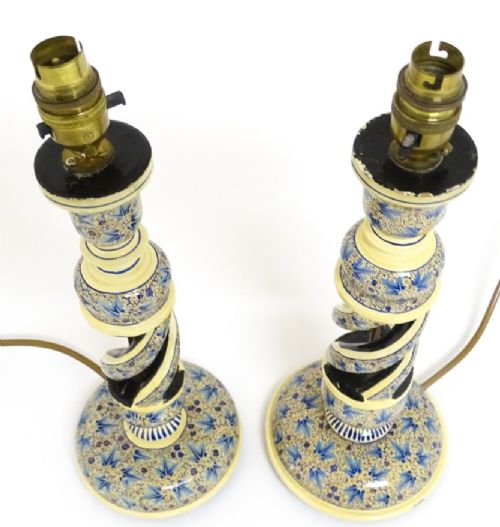
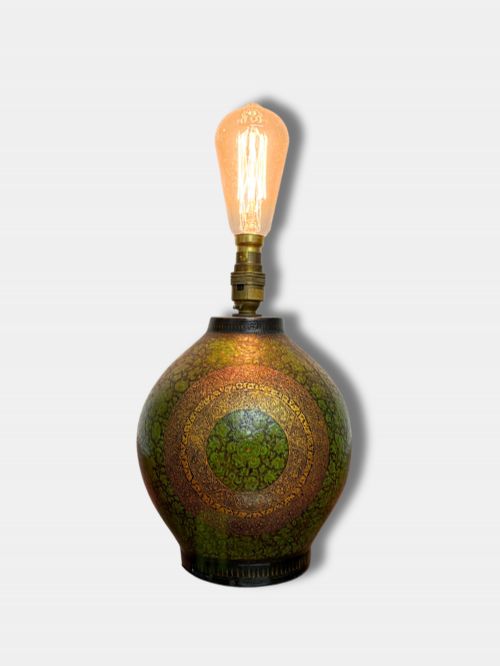
Kashmiri lamps typically display intricate hand painted floral patterns on wooden or lacquered surfaces. Cream or brightly coloured backgrounds are common across these pieces.
Their distinct regional artistry reflects early twentieth-century craftsmanship, often utilising rich gilt gold and green tones.