
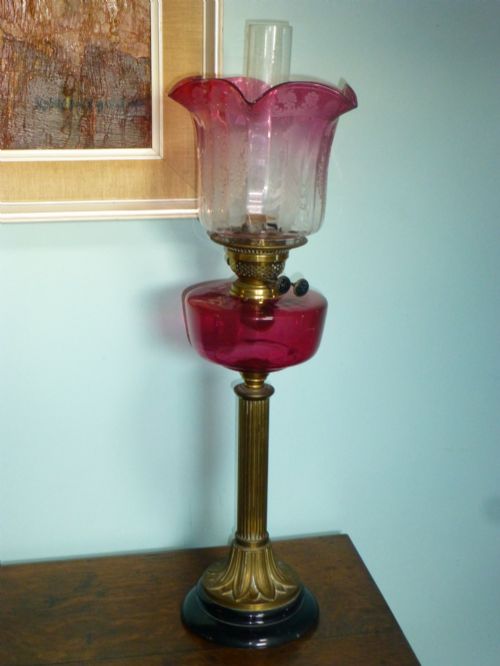
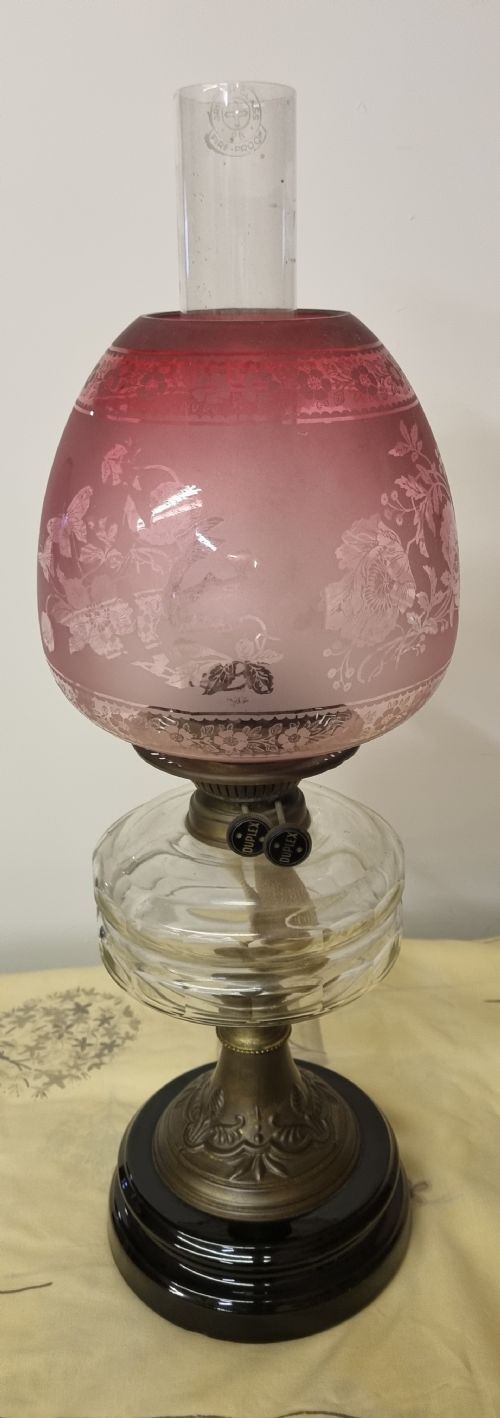
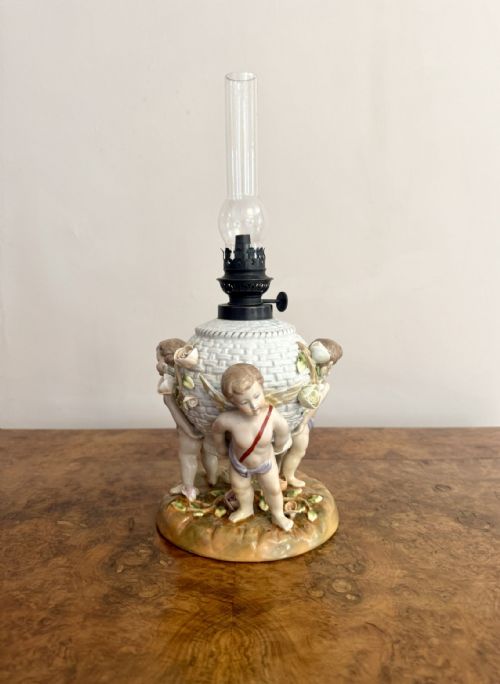
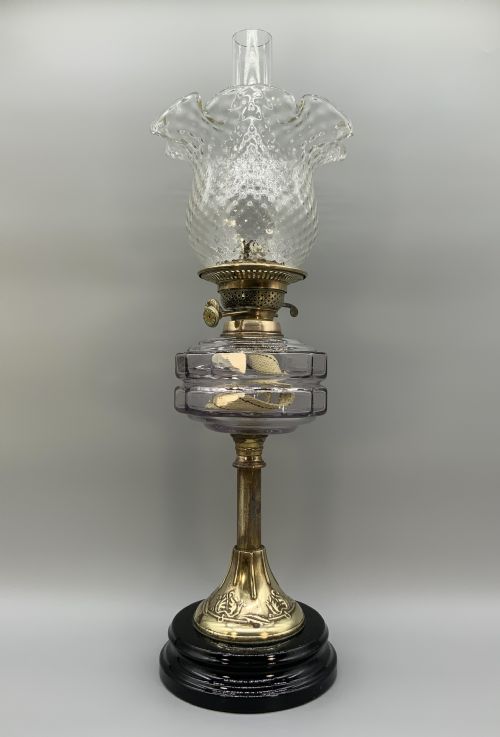

Vintage Paraffin Burner
These vintage paraffin burner designs bring nineteenth-century illumination home, combining practical domestic lighting with decorative glass and polished metal.

Vintage Paraffin Burner
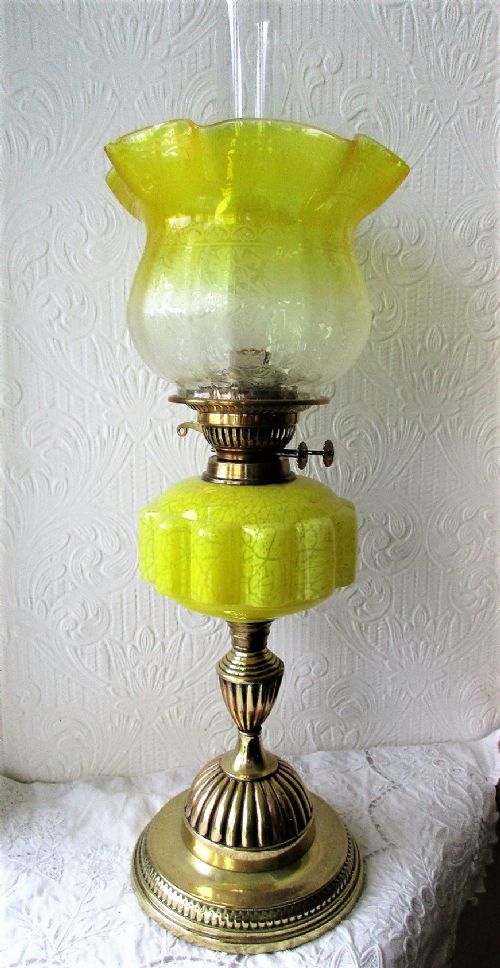
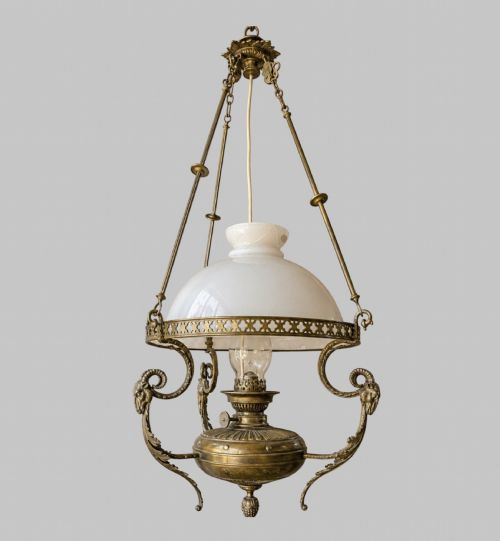
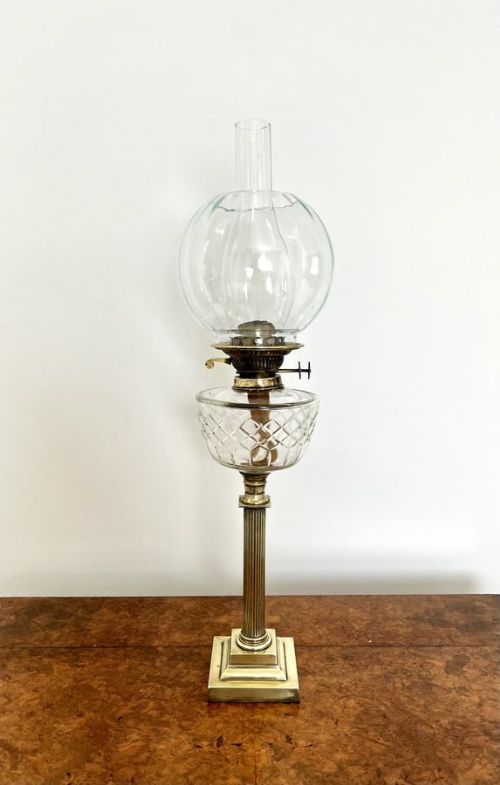
A vintage paraffin burner is fundamentally an oil lamp designed for domestic illumination, surviving mostly from the Victorian and Edwardian eras. When searching for a vintage paraffin burner, buyers generally encounter tall table lamps, column designs, and occasional hanging or ceiling lights.
The pieces on this page span several decades from the mid-nineteenth century through to the early twentieth century. These lamps served as primary light sources in homes before electricity became widespread, utilising burning oil stored within a glass or ceramic reservoir.
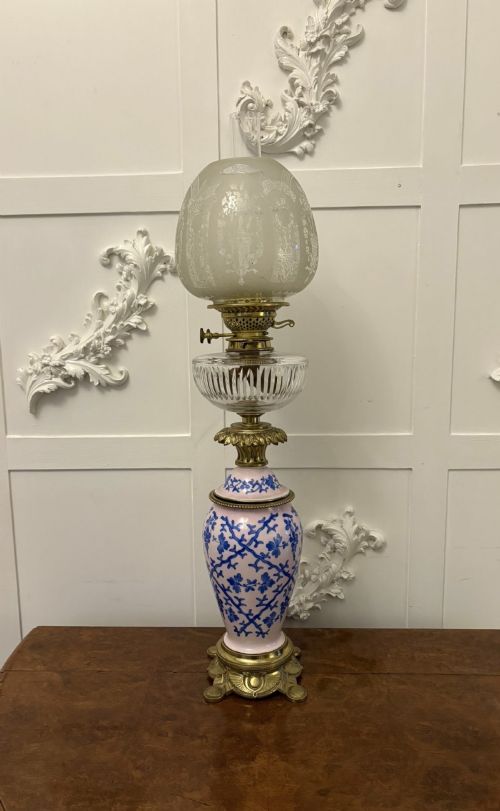
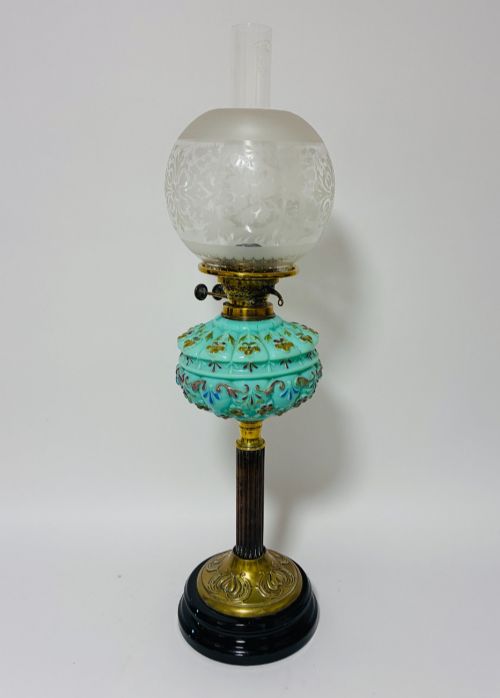
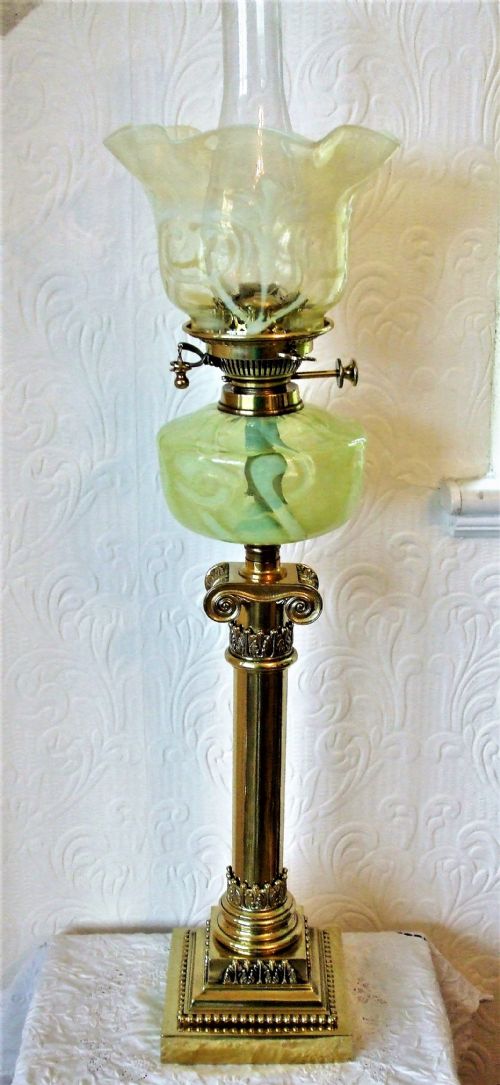
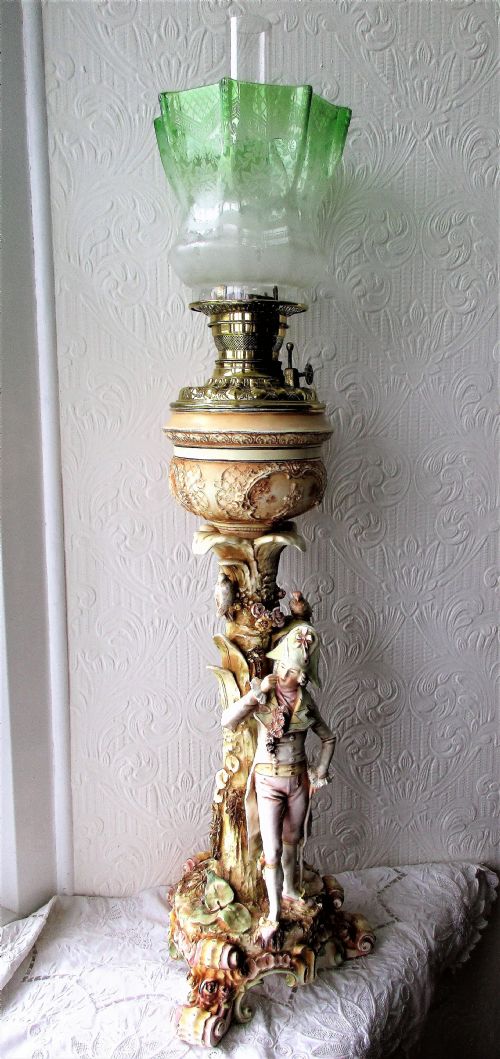
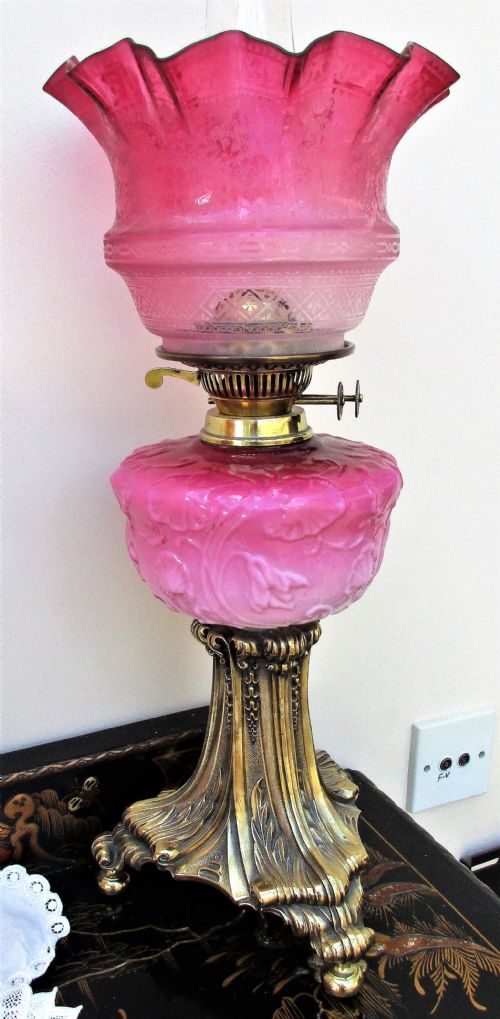
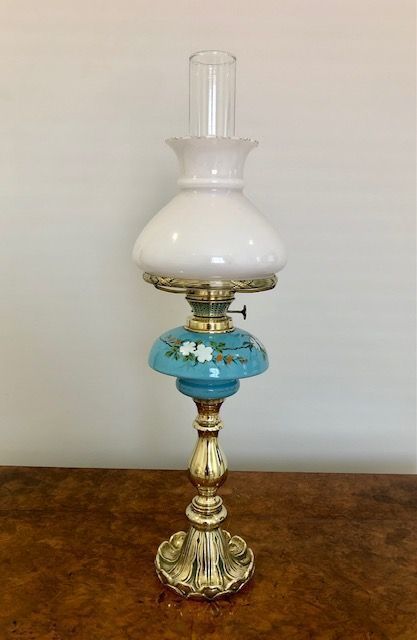
Most examples combine a heavy metal base or column with an ornate glass font and a matching shade. Collectors find these objects prized both for their period craftsmanship and their decorative presence in a room.
Materials and construction
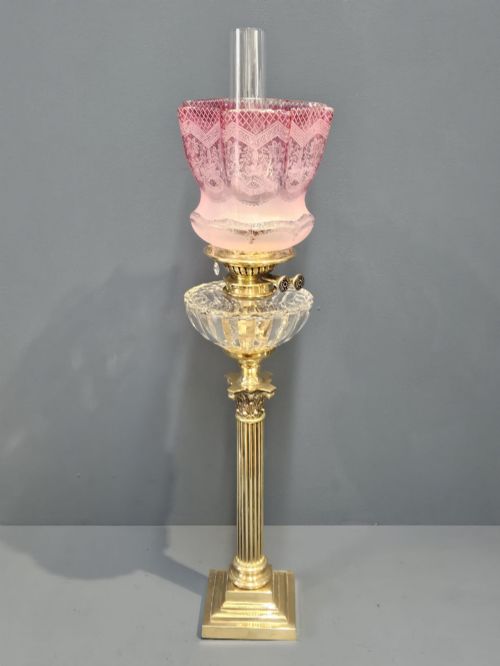
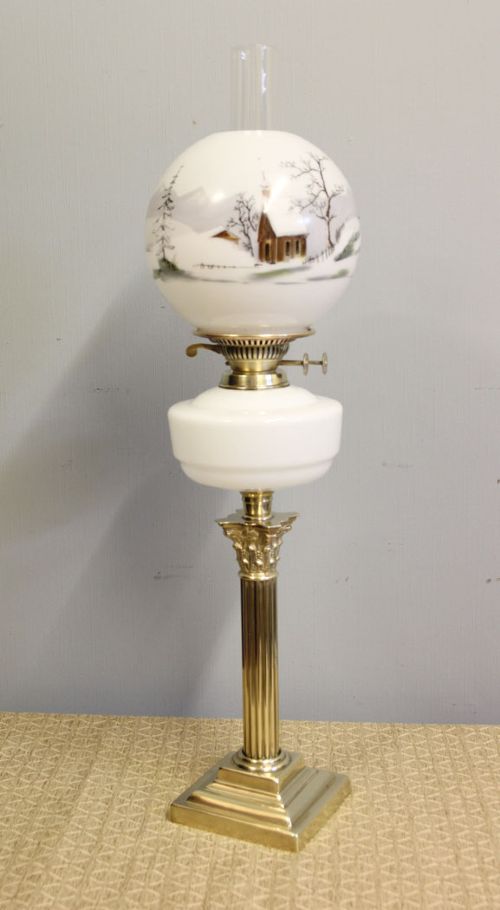
Makers built these lamps using durable metals such as brass, copper, and silver plating to form sturdy bases and structural columns, often incorporating classical architectural motifs like Corinthian or Ionic capitals.
The fuel reservoirs and shades showcase diverse glassworking techniques, featuring clear glass, cut glass, opaline glass, and rich cranberry glass, alongside hand-painted porcelain components from factories like Sitzendorf.
Advanced burner mechanisms, including duplex systems and specialised makers' fittings such as Hinks or Wild and Wessel burners, regulated the flame and allowed efficient combustion of the paraffin oil.
Listings span the Victorian and Edwardian periods, showcasing brass, cranberry glass, and porcelain.
Evaluating quality and design
The distinction between ordinary and superior pieces rests on the weight of the metalwork, the crispness of the casting on columns, and the complexity of the burner mechanism. Telescopic brass standards and heavy cast components indicate higher workshop standards.
Glass quality determines much of the visual appeal, separating standard pressed fonts from hand-blown, hand-etched, or flashed cranberry glass shades with detailed botanical or winter scene decorations. Figural porcelain mounts and hand-painted gilt details further elevate individual pieces.
Sitzendorf·Hinks·Wild and Wessel
The Vintage Paraffin Burner Glossary
- Font
- The reservoir that holds the paraffin oil, commonly made from coloured glass, clear glass, or porcelain.
- Duplex burner
- A double-wick burner mechanism designed to produce a significantly brighter flame than single-wick alternatives.
- Peg lamp
- A small oil lamp fitted with a tapered lower metal spigot designed to sit inside a separate candlestick or base.
- Ionic column
- A classical architectural column style featuring paired scrolls on the capital, frequently utilised for brass lamp standards.
- Cranberry glass
- A rich red-pink transparent glass created by adding gold chloride to the molten metal mixture during production.
Vintage Paraffin Burner: Frequently Asked Questions
How do these lamps work?
These lamps burn paraffin or lamp oil drawn up through a cotton wick from the central glass or metal font. Adjusting the thumbwheel on the burner mechanism controls the height of the flame and the resulting light output.
Air tubes inside the burner supply oxygen to the flame, ensuring a steady and relatively smoke-free burn when paired with a matching glass chimney.
Can I still burn oil in them?
While many collectors retain the original operational burners and wicks, modern safety standards lead most owners to use these pieces primarily for decorative display. Converting them to electricity without damaging the historic structure is also a common practice.
If you decide to use oil, ensure the metalwork is stable and use only clean, odourless paraffin suitable for indoor lamps.
How do I date a lamp?
Dating relies on stylistic clues, patent markings on the brass burner mechanisms, and the manufacturing techniques used for the glass and ceramics. Victorian examples often feature heavy brass columns and cranberry glass, while Edwardian pieces lean towards softer opaline shades.
Makers' names stamped onto the metal wick turners provide the most precise chronological markers for specific components.
What is a duplex burner?
A duplex burner uses two parallel flat wicks instead of one, creating a wider flame and greater illumination. This system became popular in the late nineteenth century for larger table lamps.
Lamps equipped with duplex burners usually require wider chimneys and specific double-slot galleries to fit the mechanism correctly.