



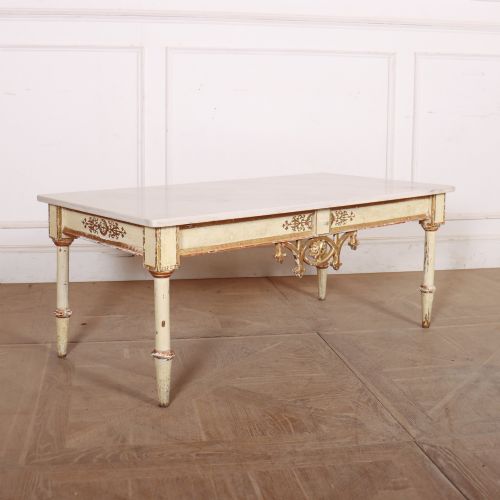
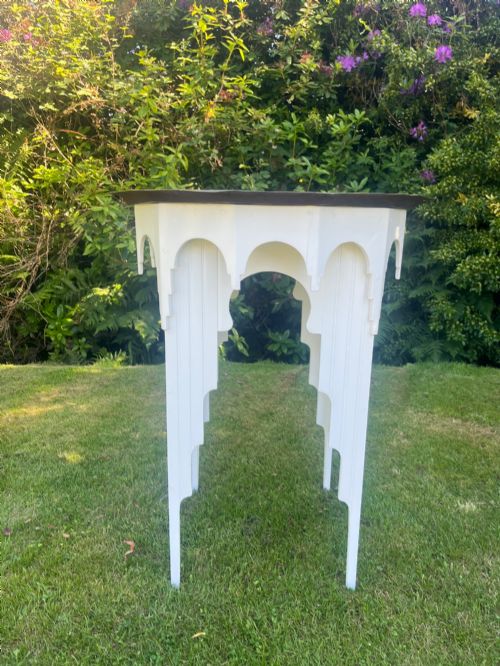
Vintage Painted Tea Table
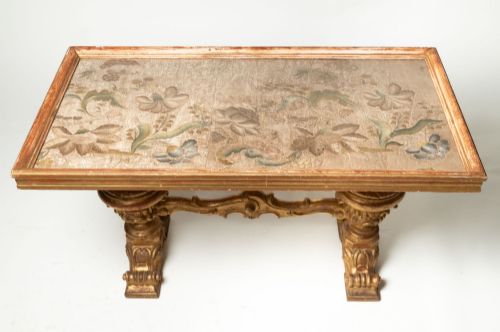
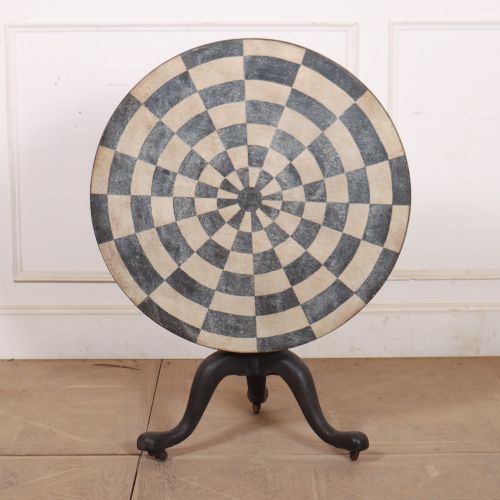
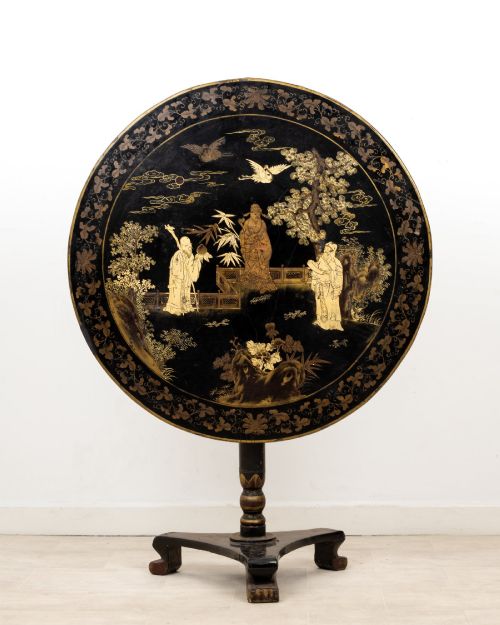
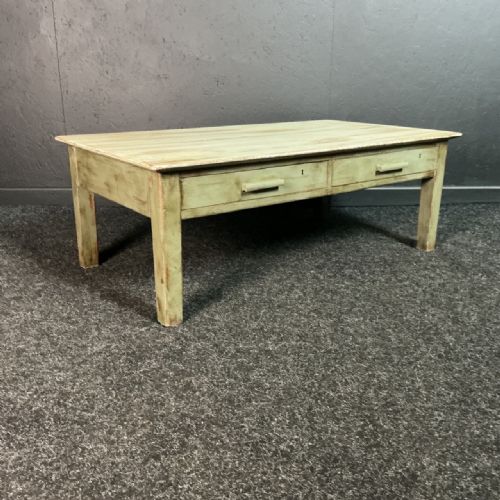
A vintage painted tea table brings hand-applied colour and decorative depth to a room, ranging from black lacquer Chinoiserie to rustic farmhouse pine.
Vintage Painted Tea Table
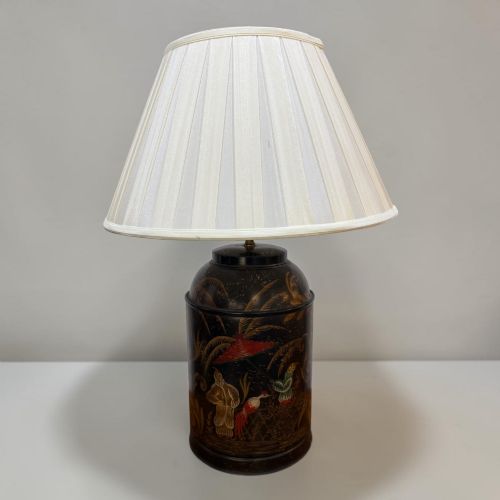
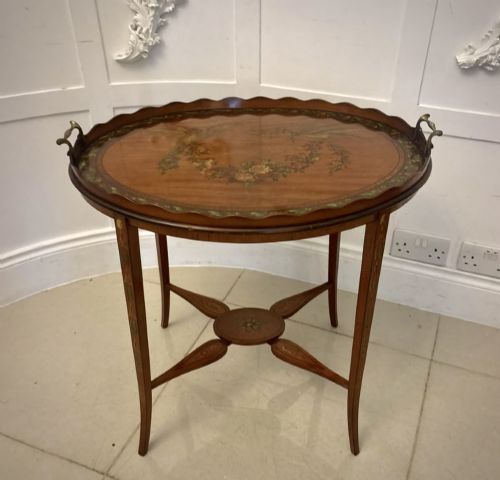
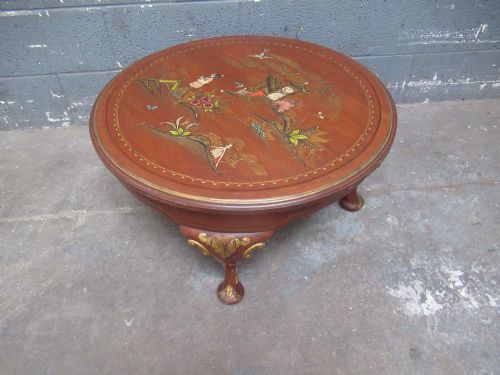
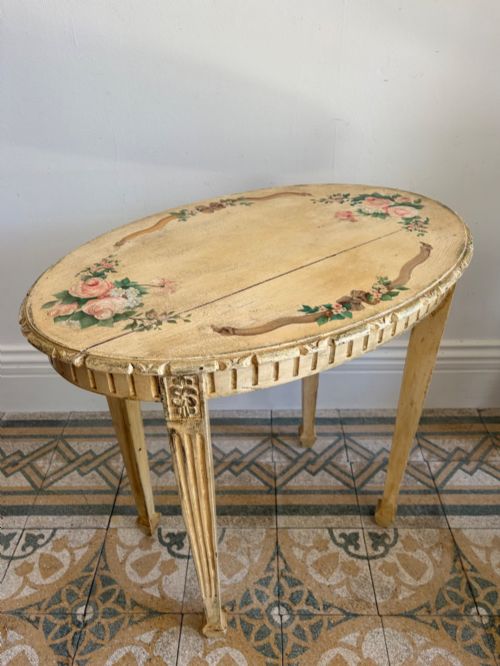
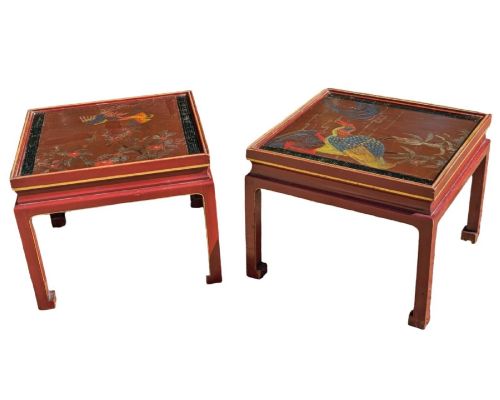
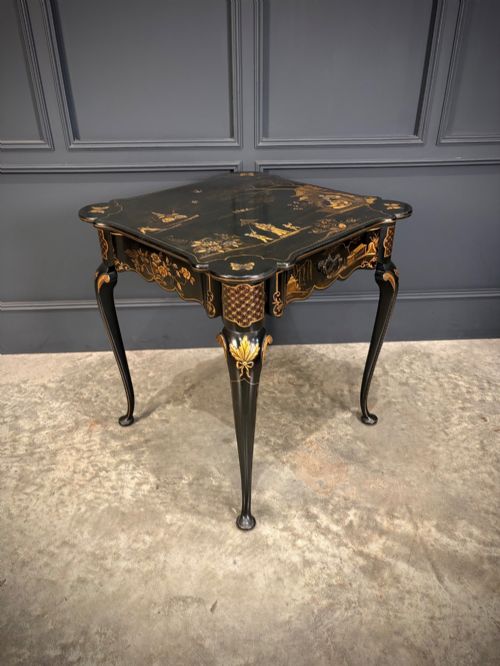
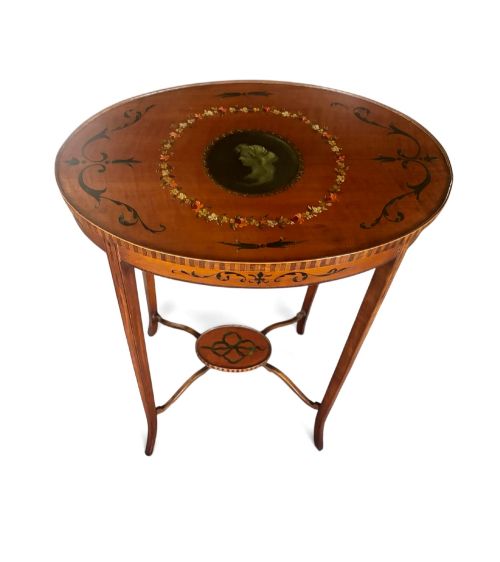
A vintage painted tea table encompasses a diverse group of low tables, occasional pieces, and tray tables produced across the nineteenth and twentieth centuries. These tables span stylistic traditions from English Sheraton Revival and Edwardian satinwood to Chinese lacquer, Italian Baroque, and Indian Kashmiri craftsmanship.
The selection on this page relies heavily on early twentieth-century production alongside nineteenth-century examples. Common forms include coffee tables, tray tables with detachable stands, octagonal shapes, and nested sets, often adapted from earlier functional forms like kettle stands and Pembroke tables.
How they were made
Construction relies on a foundation of timber such as mahogany, satinwood, walnut, oak, and pine, occasionally accompanied by metal toleware trays and brass fittings. Artisans formed these supports using traditional joinery before applying protective surface layers.
Decoration involves hand-painted floral motifs, gilt detailing, and elaborate black or coloured lacquer work. Some pieces feature original painted schemes, whilst others display later decorative interventions applied decades after the table's initial construction.
Vintage Painted Tea Table Retail Price Guide 2026
Typical asking prices for vintage painted tea table among the pieces listed under this phrase on Sellingantiques today, from the lower quarter to the upper quarter. They describe what is for sale here now, not the wider market.
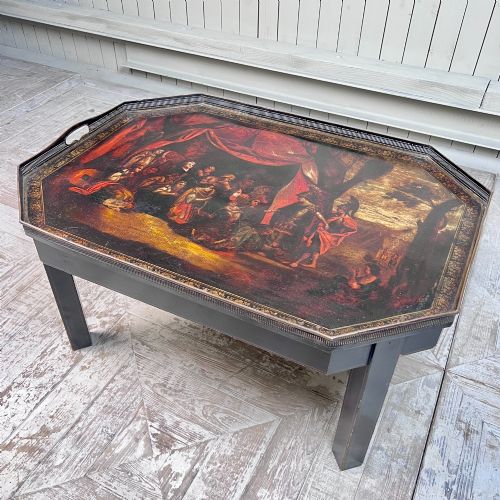
One standout nineteenth-century tole tray table depicts the epic military encounter of the family of Darius before Alexander.
What varies in quality
Quality rests primarily in the execution of the painted surface and the integrity of the underlying wood. Finer examples display meticulous brushwork, stable lacquer layers, and harmonious integration between the decorative scheme and the form of the table.
Age and origin also shape the standing of a piece. Original period paintwork commands distinct interest compared to later decorative enhancements, while regional techniques such as Kashmiri or Chinoiserie lacquer work demand specialist execution to achieve depth and durability.
The Vintage Painted Tea Table Glossary
- Toleware
- Painted or japanned metalware, often iron or tin. Trays made in this medium were frequently mounted on folding wooden stands to serve as low tables.
- Satinwood
- A durable hardwood with a lustrous, golden-yellow sheen. It served as a favoured timber for fine English cabinetmaking and painted neoclassical furniture.
- Pembroke table
- A small rectangular table with hinged drop-leaves on either side. These pieces often feature tapered legs and drawers, designed for versatility in domestic interiors.
- Lacquer
- A durable resin finish built up in multiple layers and polished. Asian and European workshops utilised this technique to create glossy, hard-wearing decorated surfaces.
Vintage Painted Tea Table: Frequently Asked Questions
How do I clean a painted tea table?
Dust the surface regularly with a soft, dry cloth to prevent particulate accumulation. Avoid abrasive cleaners, moisture, and chemical polishes that can degrade aged paint or lacquer layers.
Keep the timber away from direct sunlight and heat sources to prevent the painted surface from cracking or fading over time. Professional conservation is recommended for deep cleaning or unstable finishes.
Are these tables sturdy enough for daily use?
Most of these occasional and coffee tables function well for everyday domestic placement, such as holding books or cups. Lighter forms, such as nest tables or tray tables, require careful handling to preserve their joints and painted edges.
Heavier hardwood bases provide greater stability, while delicate folding stands benefit from placement in low-traffic areas. Assess each piece individually based on its construction and leg assembly.
How can I tell original paint from later decoration?
Original paintwork typically exhibits uniform ageing, craquelure, and wear patterns consistent with the underlying timber's age. Later additions may show discrepancies between the style of the decoration and the date of the structure.
Examinations under magnification can reveal whether pigments and binding agents match the historical period of the piece. Subtle signs of wear around the edges often indicate genuine period integration.
What is a tray table?
A tray table consists of a removable painted or lacquered tray resting upon a folding or fixed wooden stand. This dual-purpose design allowed servants to transport tea before mounting the tray for display.
Originating in various materials including papier-mâché, metal tole, and wood, these tables offer flexible surface space and portable decorative utility.