
Vintage Painted Dresser
A vintage painted dresser brings character and practical storage to a room, offering time-worn charm through aged surfaces and traditional craftsmanship.
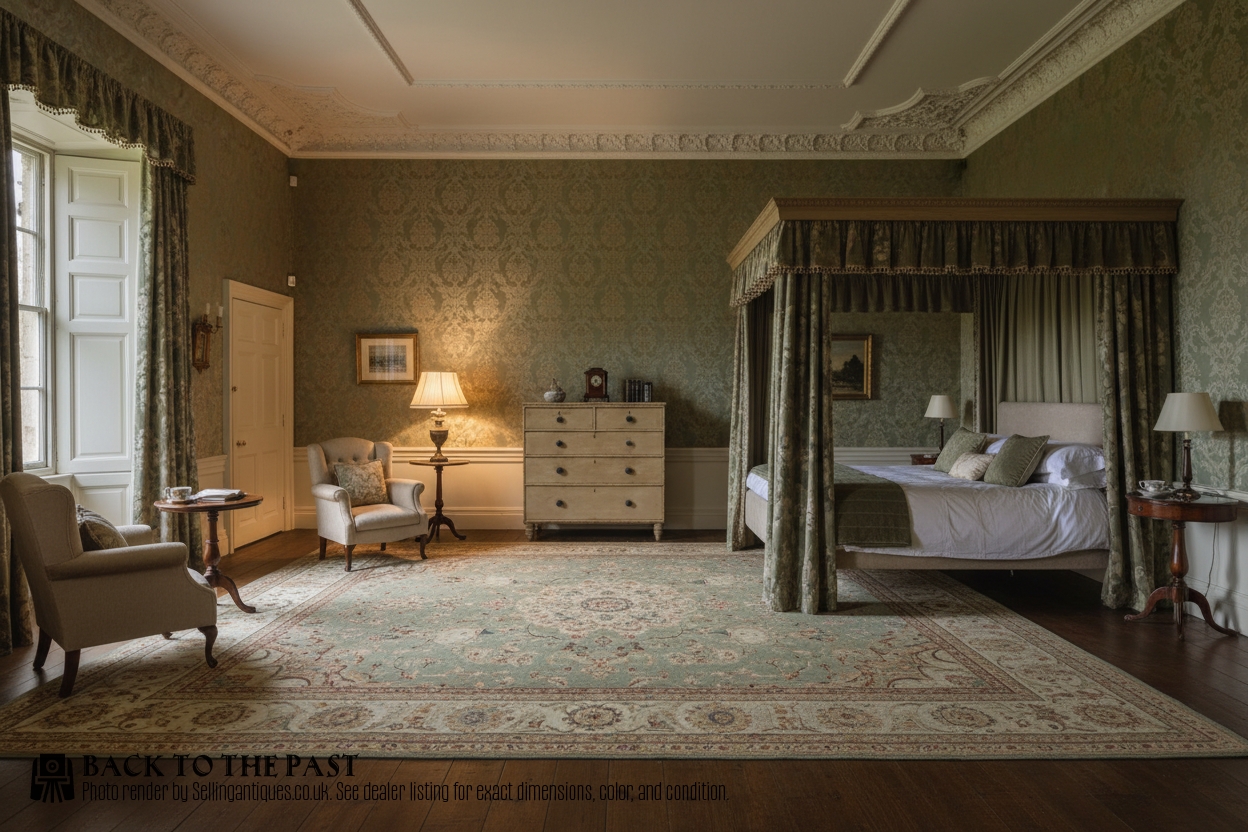
Vintage Painted Dresser
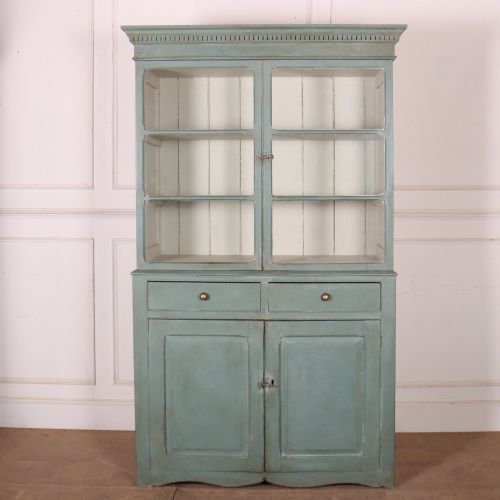
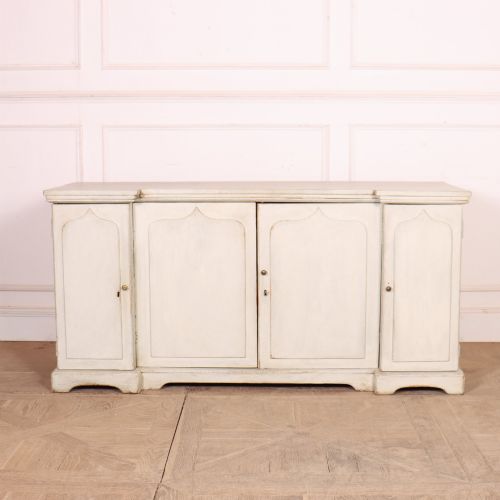
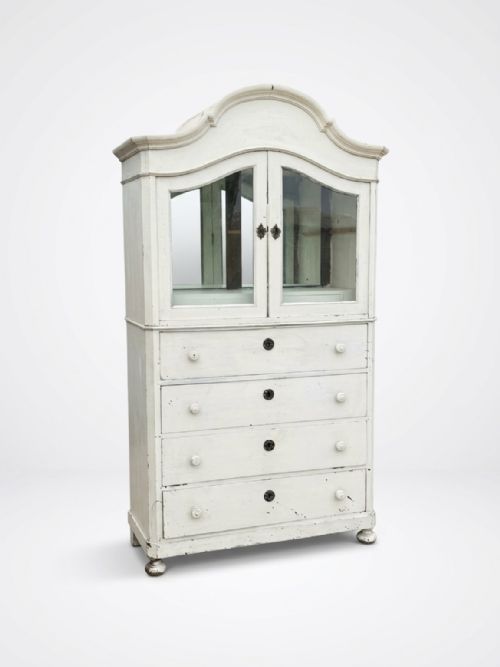
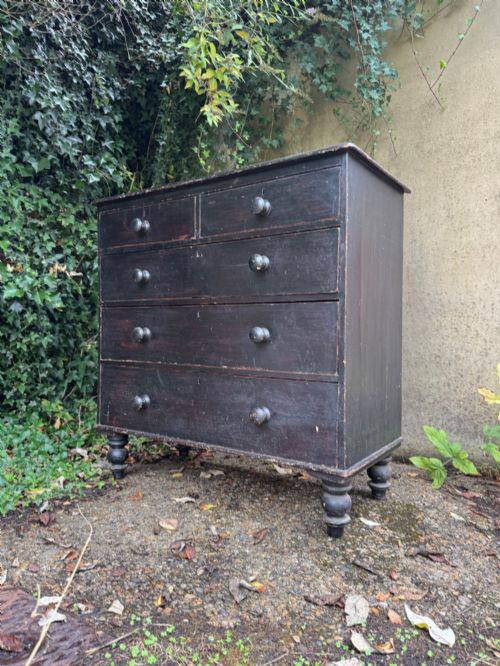
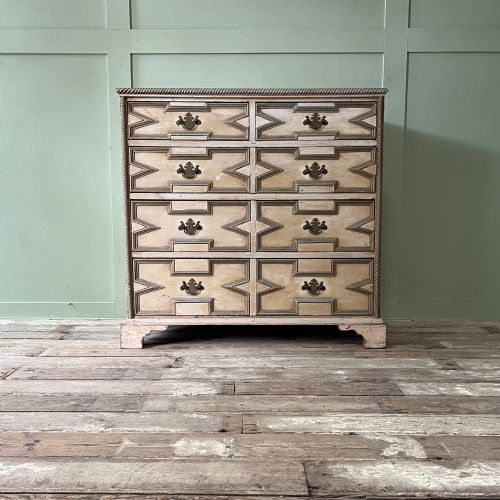
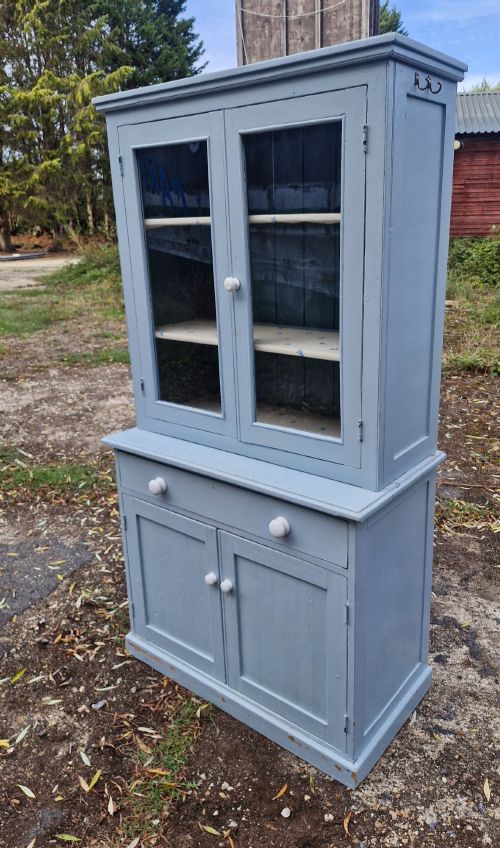
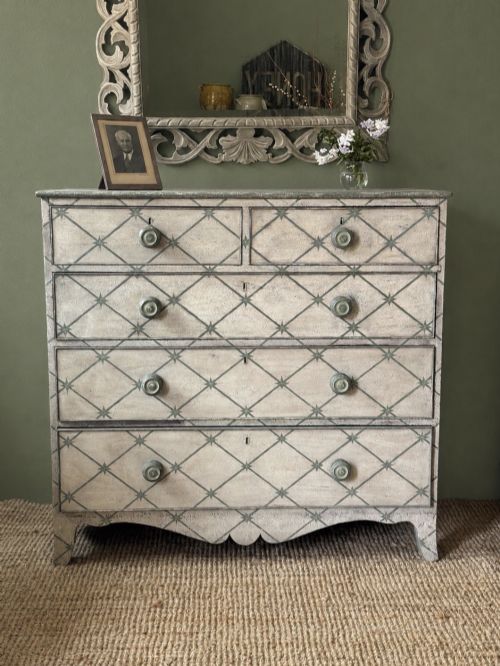
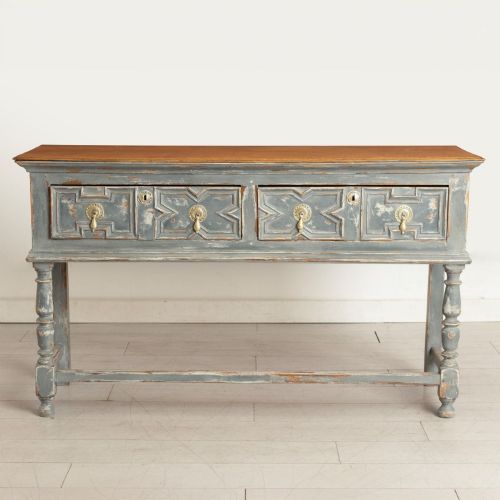
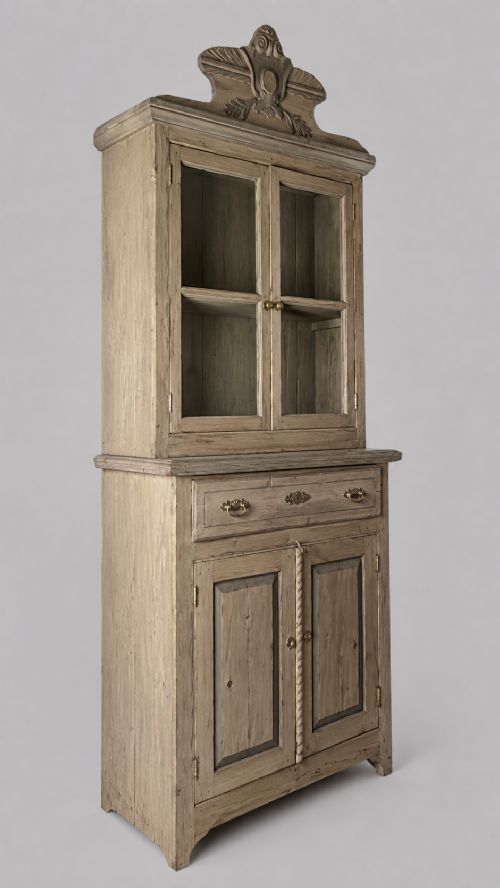
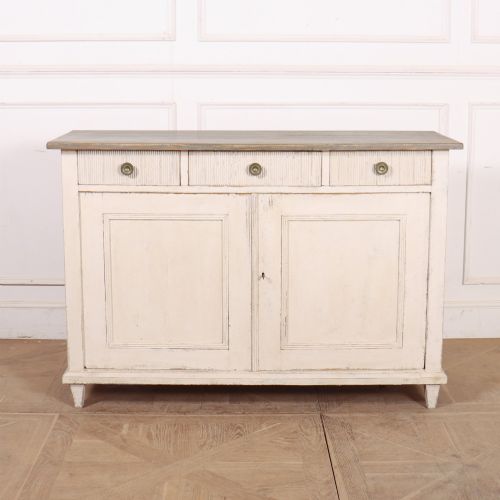
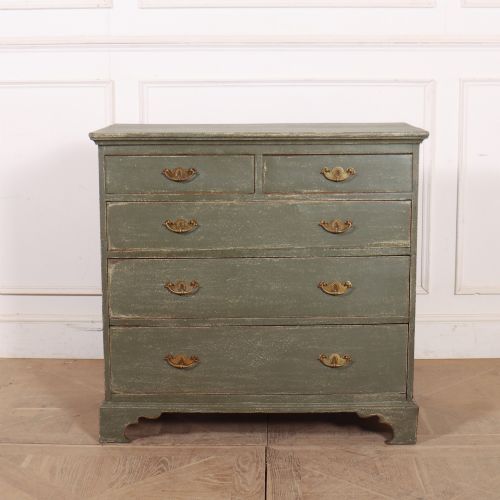
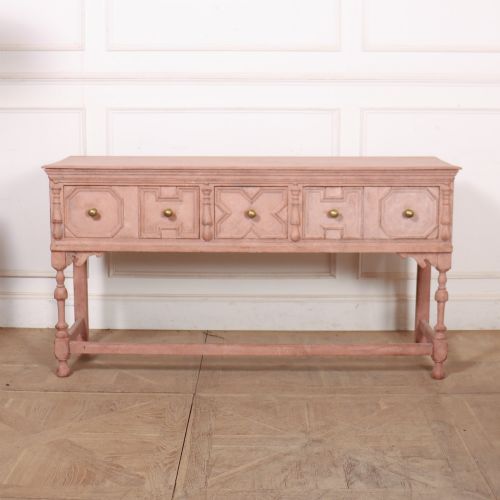
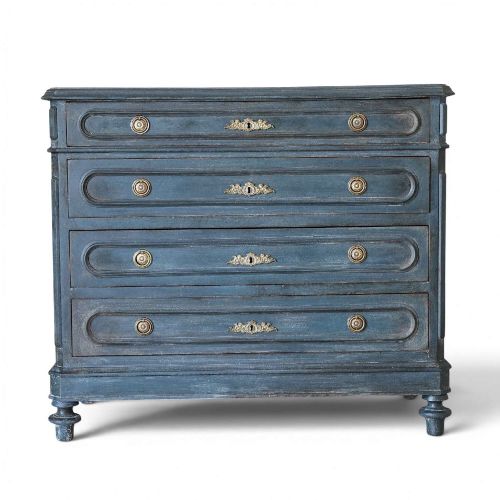
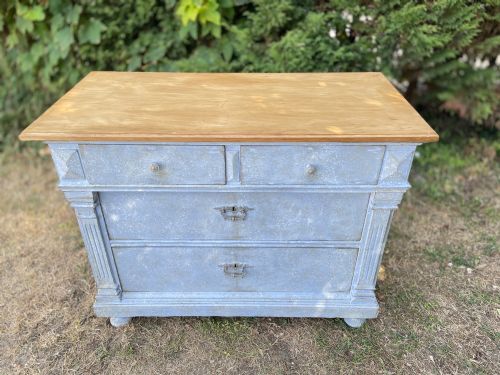
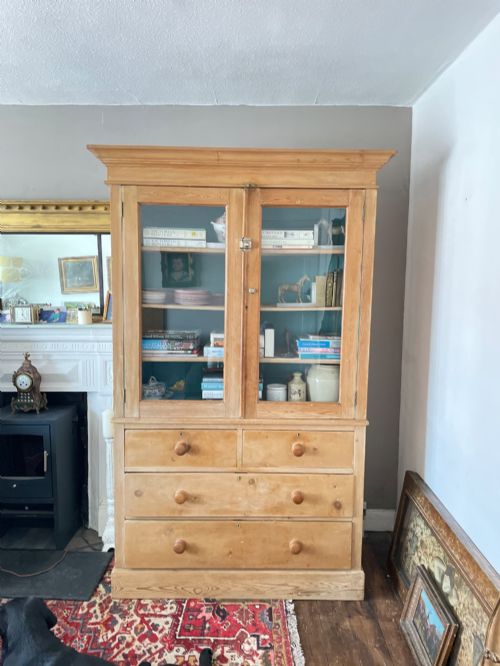
A vintage painted dresser comprises substantial storage furniture, ranging from kitchen dressers and dresser bases to chests of drawers, cabinets, and cupboards. When searching for a vintage painted dresser, buyers encounter items built from sturdy timbers finished in historical paint layers.
The selection spans multiple periods, predominantly the 19th century and Victorian eras, alongside Georgian, Regency, Edwardian, and 18th-century examples. Origin points vary across English, French, Swedish, German, Danish, and Continental workshops.
Design styles reflect regional domestic traditions, including English Country, Victorian Country, Rustic Farmhouse, Scandinavian Country, French Provincial, French Country, and Louis XVI revival aesthetics.
What varies in quality
The integrity of the original paint surface distinguishes everyday utilitarian items from finer decorative examples. Retaining authentic historical pigment without modern overpainting preserves the historical value of the piece.
Proportion and execution define the hierarchy of these items, separating standard country furniture from sophisticated revival pieces and signed workshop commissions. Superior items display balanced proportions, refined hardware in brass or iron, and intact original glazing.
Form variations include kitchen dressers, potboard bases, glazed cabinets, bonnet top cupboards, and serpentine commodes from English and continental origins.
Sir Clough Williams-Ellis·Christopher Dresser·Edwards and Roberts
The Vintage Painted Dresser Glossary
- Dresser Base
- A low sideboard or cabinet featuring drawers and cupboards beneath a flat top, historically used for food preparation and serving in kitchens.
- Commode
- A decorative chest of drawers or cabinet originating from French furniture traditions, often featuring serpentine or shaped fronts.
- Potboard
- An open slatted lower shelf incorporated into the base of a traditional country dresser for storing heavy pots and utensils.
- Faux Bamboo
- A decorative technique where timber is carved or turned to imitate the segmented stalks of natural bamboo, popular during the Regency period.
Vintage Painted Dresser: Frequently Asked Questions
What is a vintage painted dresser?
A vintage painted dresser is a functional storage unit, such as a kitchen cabinet, dresser base, or chest of drawers, finished with historical paint.
These pieces originate mainly from the 19th century and Victorian periods, showcasing country and regional styles from Britain and continental Europe.
How are these dressers used today?
These pieces serve as practical storage furniture in kitchens, dining rooms, and hallways for dinnerware, linens, and dry goods.
Their decorative surfaces also provide a distinct focal point in traditional and contemporary interior settings alike.
What materials were used?
Construction primarily utilises pine and oak, complemented by iron or brass hardware and glass panels in display cabinets.
Surfaces are typically treated with traditional paint layers or wax finishes over solid timber.
How do I identify the period?
Period identification relies on construction methods, hardware, timber types, and stylistic indicators such as Regency faux bamboo or Louis XVI revival details.
19th-century examples frequently combine robust pine carcasses with hand-mixed paint finishes.