
Painted Wood Drawers
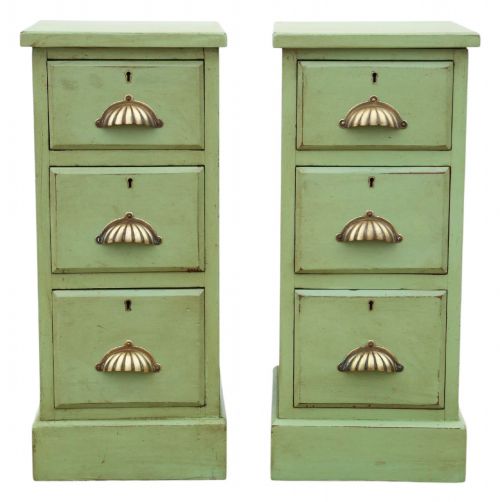
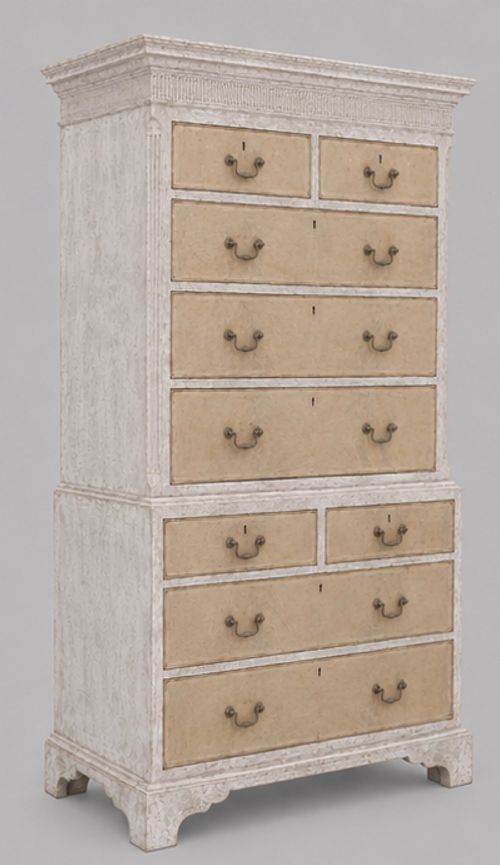
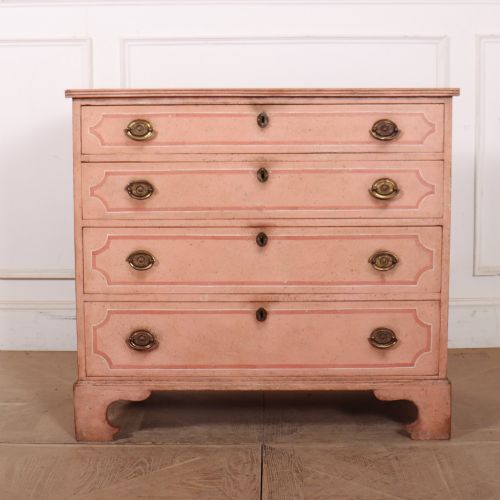
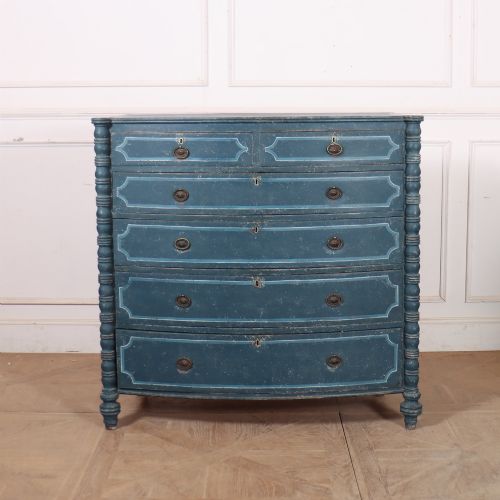
These painted wood drawers bring character and colour to a room through centuries of regional styles and decorative finishes.
Painted Wood Drawers
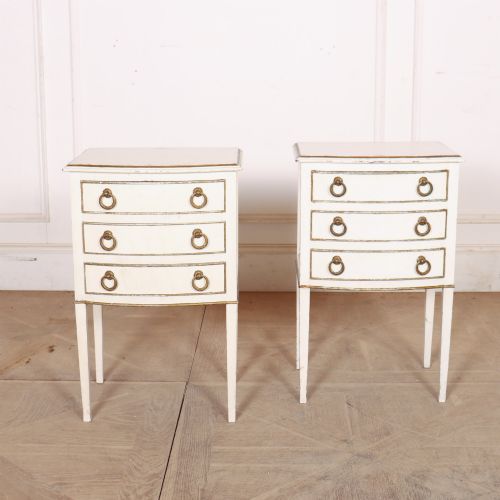
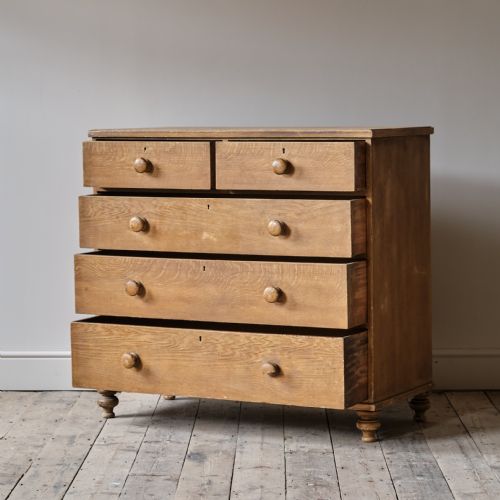
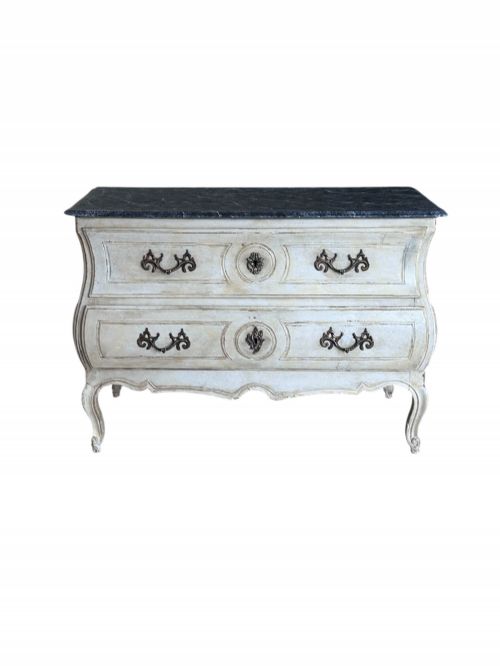
Painted wood drawers encompass everything from English country chests to grand continental commodes. When searching for painted wood drawers, buyers encounter pieces spanning the eighteenth century through to the early twentieth century.
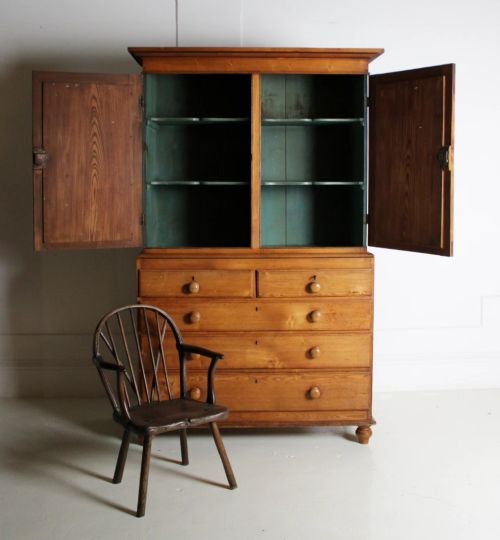
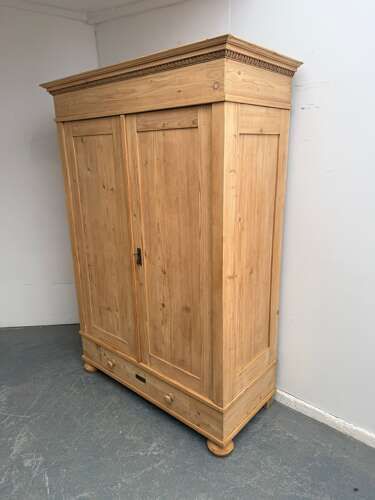
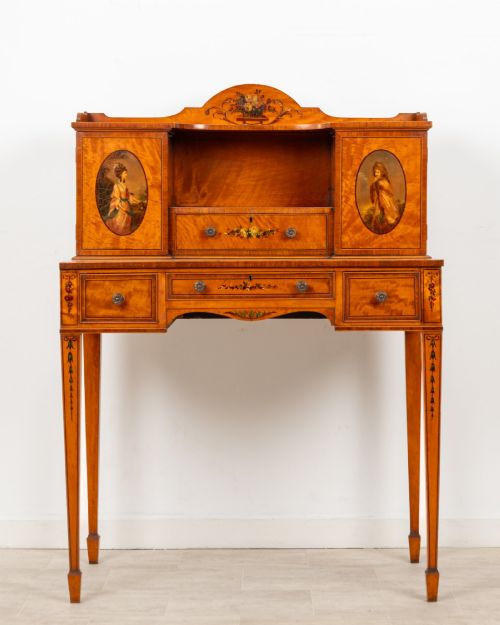
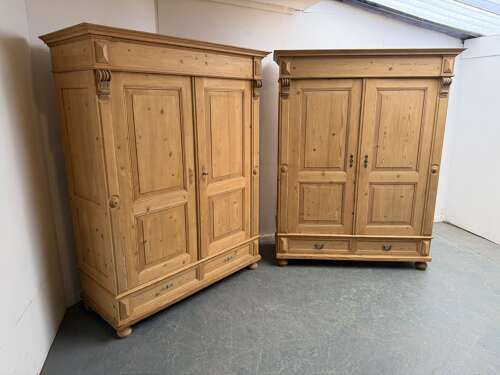
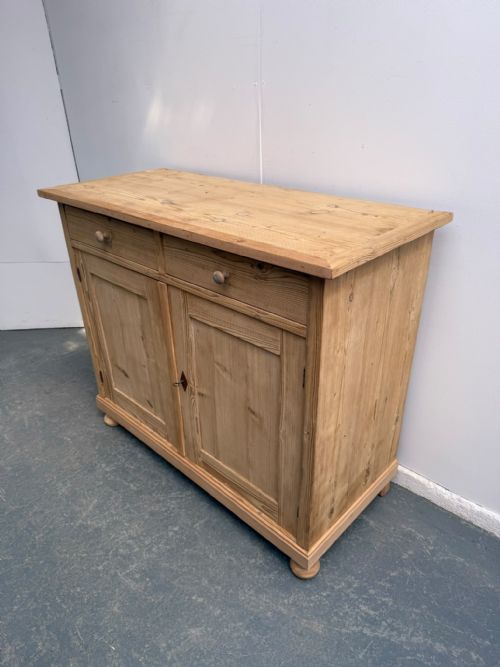
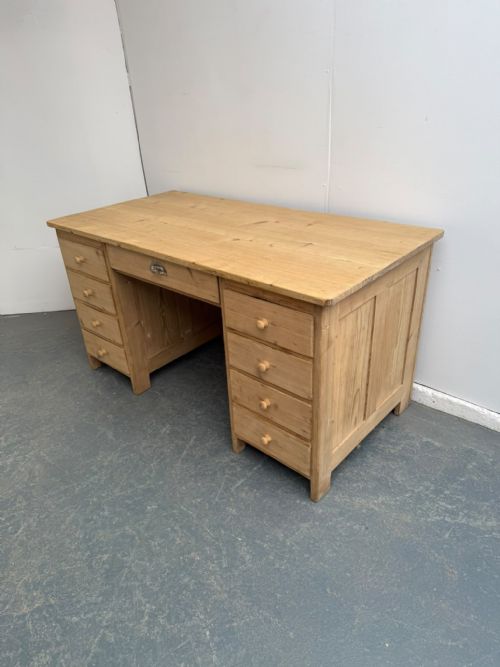
The selection ranges from vernacular pine to formal satinwood and mahogany structures. Domestic storage forms dominate, alongside side tables, desks and specialised apothecary shop fittings.
Continental examples bring specific regional decorative traditions, including Swedish, French and Italian schemes. English pieces reflect country house tastes, Georgian elegance and Victorian utility.
Materials and Construction
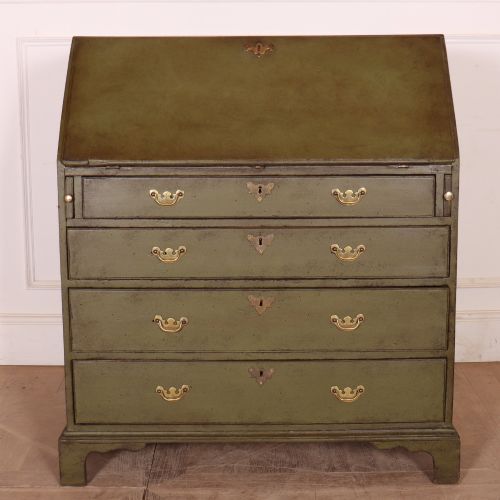
Makers utilised native and imported timbers, notably pine, mahogany, ash and satinwood, assembled with traditional joinery. Carcasses received priming and layers of paint, often mimicking luxurious woods like rosewood or birch through faux graining techniques.
Surface decoration frequently involved hand-painting, gilding and decorative brushwork applied over original timber or prepared grounds. Iron and brass handles, locks and hinges finished the construction.
Apprentice pieces allowed young woodworkers to demonstrate their miniature mastery before joining the guild.
Assessing Quality and Finish
The integrity of the original paint surface determines much of the character and desirability of each piece. Retained early finishes, whether weathered or decorative, hold distinct visual weight compared to later overpainting.
Structural joinery, timber selection and drawer construction reflect the workshop standards of the period. Proportion, decorative restraint and the execution of faux finishing separate standard utility items from finer decorative works.
Gemla Fabrikers
The Painted Wood Drawers Glossary
- Commode
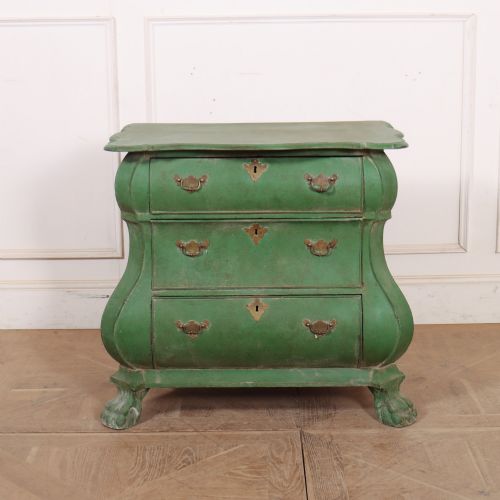
- A low chest of drawers or cabinet, frequently associated with eighteenth-century French and continental design. These pieces often feature decorative commode serpentine fronts or painted finishes.
- Bespoke
- Made to individual order and specific dimensions. Custom joinery ensures fitted furniture suits distinct architectural spaces.
- Faux bamboo
- A decorative carving technique mimicking bamboo stalks. This style appears on nineteenth-century frames and furniture.
- Bombe
- A swelling, outward-curved contour characteristic of continental furniture. This curved profile requires skilled carpentry to shape timber panels.
- Dresser base
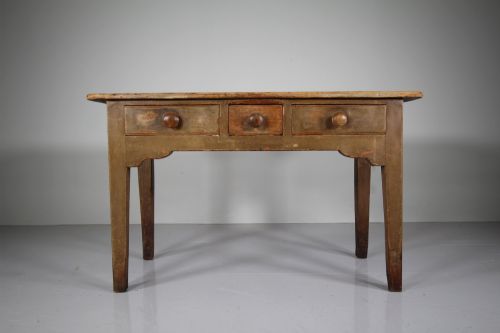
- A low sideboard or table fitted with drawers and occasionally a potboard shelf below. These utilitarian surfaces served rural and country house kitchens.
Painted Wood Drawers: Frequently Asked Questions
How do I date painted drawers?
Dating relies on construction methods, timber types, handle design and the characteristics of the paint layer. Secondary woods inside drawers often provide clear clues to the period.
Hardware placement and dovetail joint styles evolve over the eighteenth and nineteenth centuries, helping specialists narrow down the decade of production.
Are painted finishes original?
Original paint surfaces show natural wear, craquelure and integration with the underlying timber structure. Examination under magnification reveals layers and patination consistent with age.
Many pieces were painted decades after manufacture to suit changing domestic tastes, making surface analysis an essential part of evaluation.
Where should I place these in a home?
These pieces function well in hallways, bedrooms and living spaces where surface colour and storage are required. Smaller chests and commodes adapt easily as bedside tables or lamp stands.
Their decorative presence allows them to act as focal points against neutral walls or to complement eclectic interior schemes.
How do I care for antique paint?
Maintenance requires dry dusting with a soft cloth and avoiding moisture, chemical cleaners or silicone polishes. Preserving the fragile surface layer protects the historical integrity of the piece.
Stable room temperatures prevent timber movement that might otherwise cause the paint layer to crack or flake.