
Vintage Painted Armchairs
Vintage painted armchairs bring character to a room through weathered finishes and classic forms.
Vintage Painted Armchairs
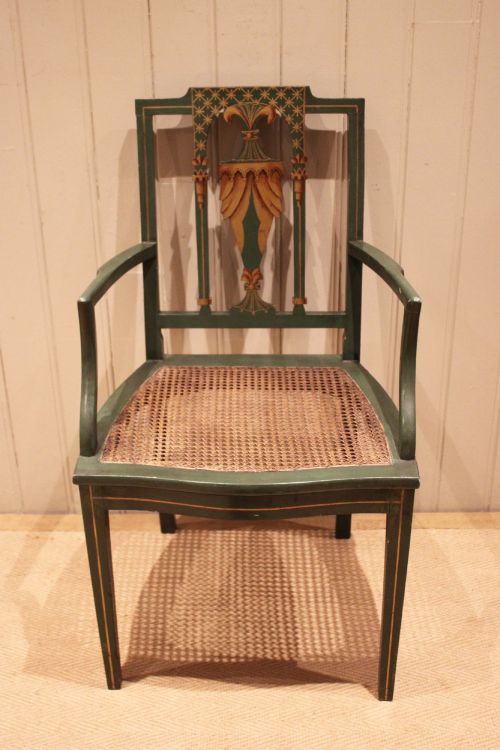
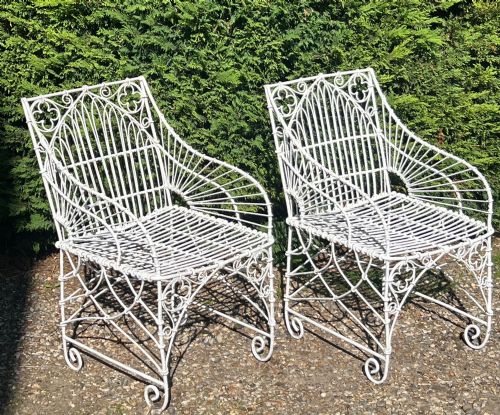
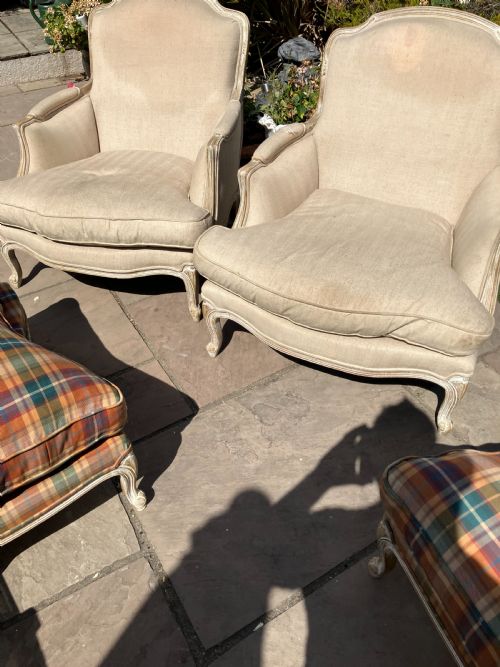
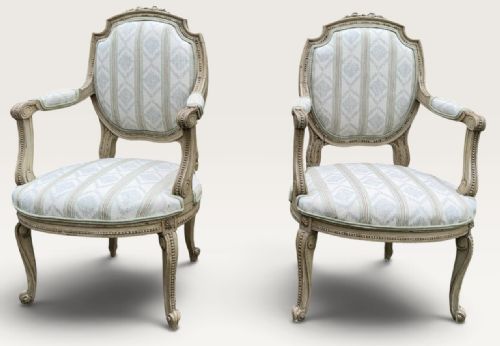
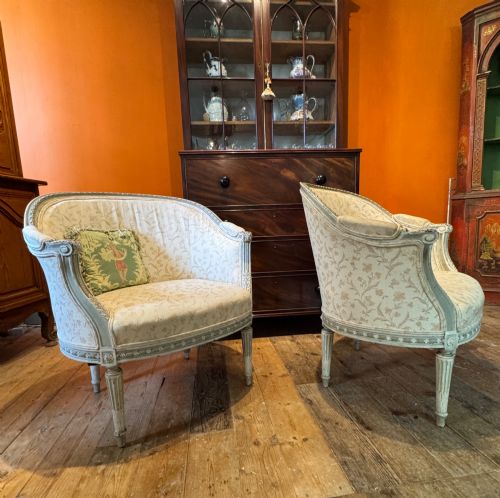
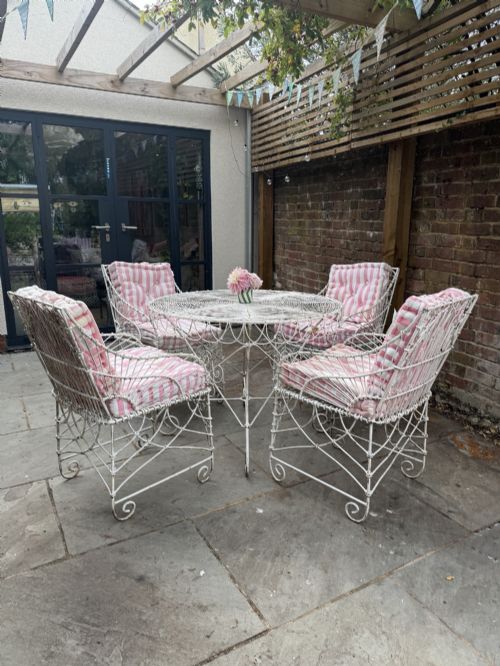
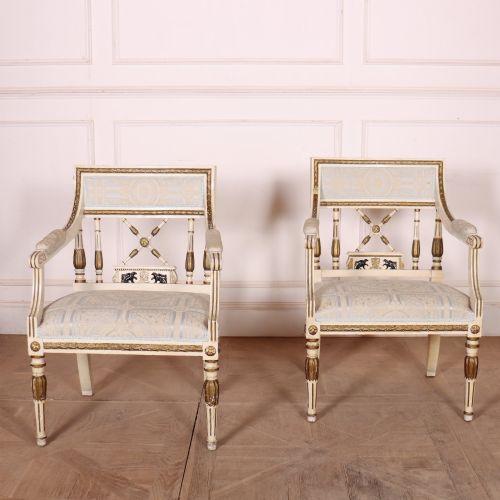
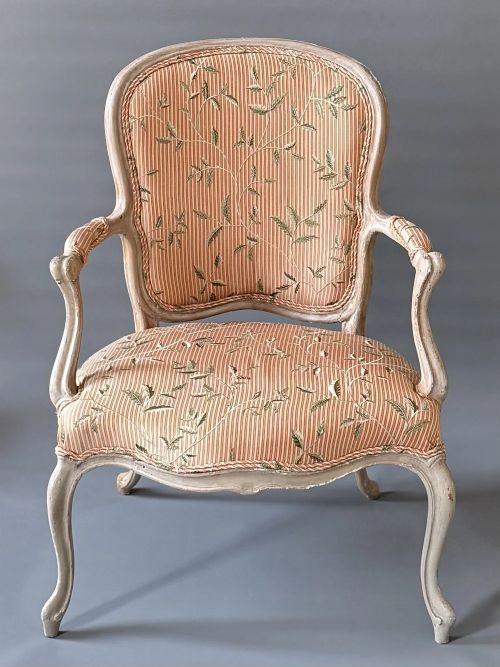
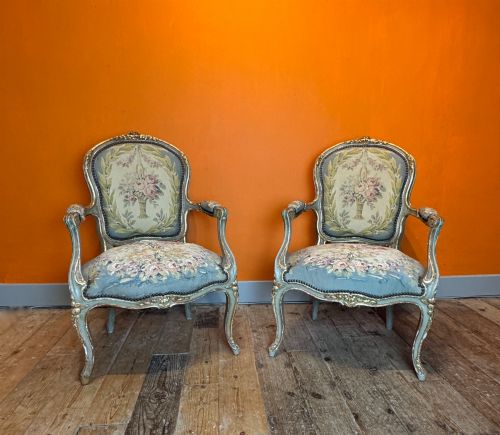
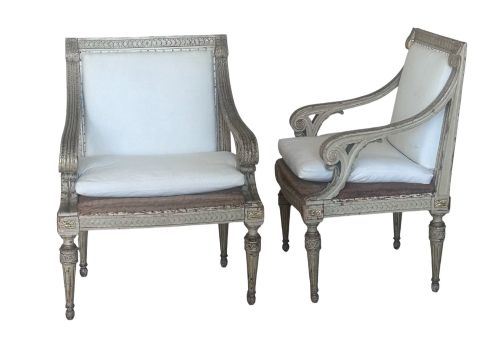
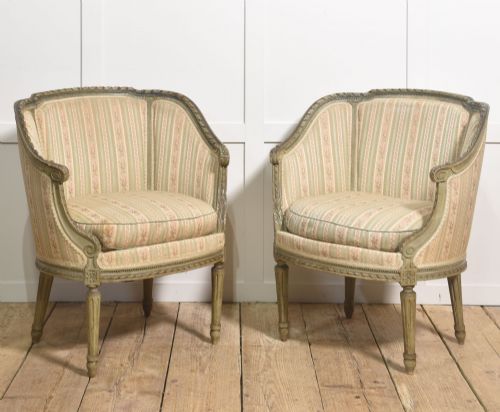
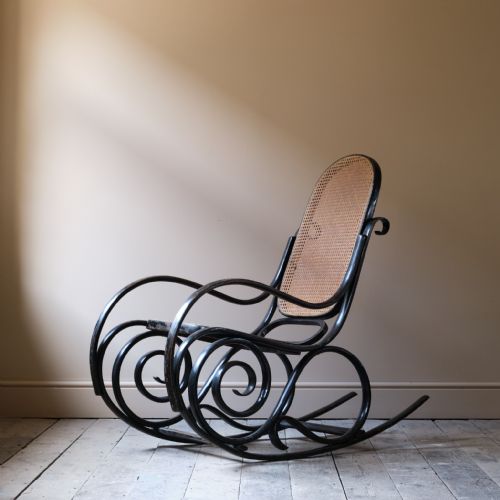
Vintage painted armchairs encompass seating options spanning the eighteenth century through the twentieth century, with a heavy emphasis on French and Swedish regional styles. Buyers seeking vintage painted armchairs encounter diverse forms including Bergère tub chairs, Louis-style fauteuils, country rocking chairs, and wrought iron garden seats.
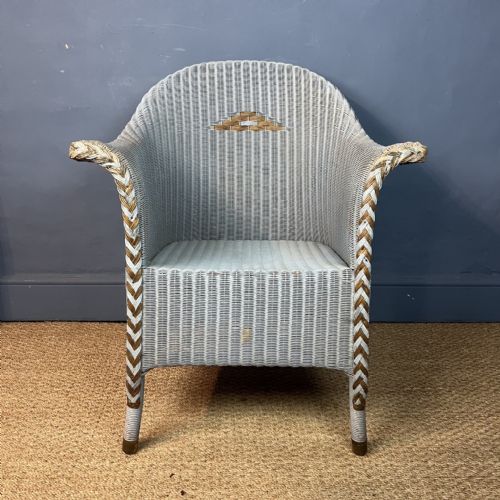
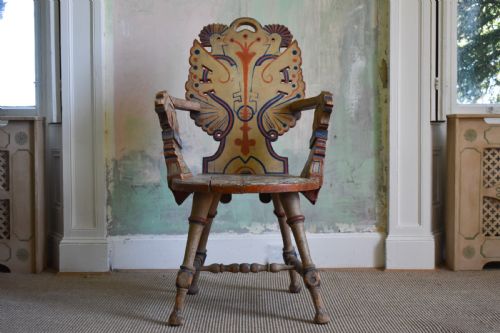
The selection ranges from formal eighteenth-century Hepplewhite designs to vernacular folk art pieces and early twentieth-century Lloyd Loom or bentwood creations. Most pieces show distinct historical influences such as Louis XVI, Louis XV, and Empire aesthetics adapted across various European workshops.
Materials and construction methods
Construction relies heavily on traditional hardwoods like beech, walnut, and satinwood, frequently shaped into curved armrests, cabriole legs, or fluted supports. Artisans applied surface coatings directly to wood or metal, often retaining original paint layers that show decades of natural wear.
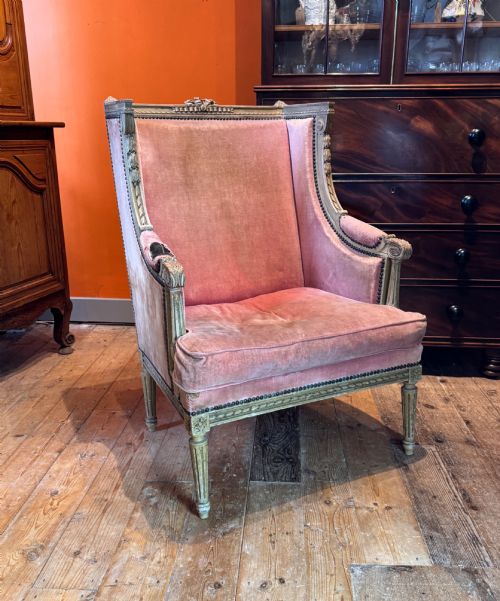
Upholstery techniques vary from hand-caned seats and woven cane panels to rich textiles including velvet, tapestry, needlework, and leather. Metal garden variants utilise cast and wrought iron shaped into structural frameworks and decorative motifs.
Listings feature eighteenth-century pieces alongside Victorian and twentieth-century items, constructed from painted wood, wrought iron, and cane.
Distinctions in craftsmanship and preservation
Quality rests upon the integrity of the underlying woodwork and the survival of authentic surface finishes rather than pristine perfection. Pieces retaining untouched historical paint layers command greater interest than those subjected to modern repainting.
Refinement shows in the hand-carved details of the frame, such as crisp floral motifs, parcel gilt accents, and balanced proportions. Structural soundness in joints and the quality of traditional upholstery materials further differentiate standard items from finer examples.
Heals
The Vintage Painted Armchairs Glossary
- Bergère
- An enclosed upholstered armchair with a wooden frame and a solid upholstered back. These seats often feature exposed painted wood and loose seat cushions.
- Fauteuil
- An open-framed upholstered armchair originating in France. The design typically incorporates padded armrests and an exposed wooden structure.
- Caning
- A method of weaving peeled rattan or cane strips to form seats or back panels. This technique appears frequently on light-framed seating.
- Parcel Gilt
- A decorative treatment where specific carved details or highlights on a painted surface receive a thin application of gold leaf.
- Chinoiserie
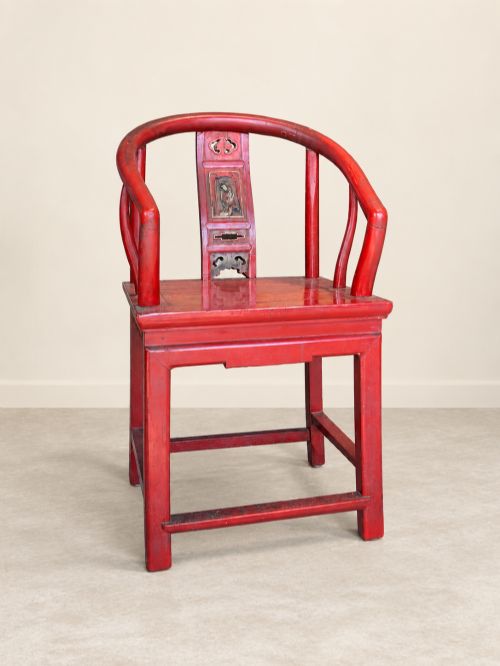
- European artistic styles reflecting Chinese motifs and decorative techniques. This aesthetic appears on specialised seating finished with ornate painted details.
Vintage Painted Armchairs: Frequently Asked Questions
How do I identify original paint?
Original paint surfaces show natural craquelure, subtle fading, and consistent wear patterns accumulated over decades of use. Modern repainting often presents an unnaturally uniform texture and conceals the underlying grain of the wood.
Closer inspection under natural light reveals microscopic layers and edges where earlier decorative schemes peek through chips in the topmost coat.
Are these chairs suitable for daily seating?
Most vintage painted armchairs function well for everyday use provided the wooden frames remain structurally sound. Traditional joinery can loosen over time, so checking the stability of the legs and arm attachments is prudent.
Upholstered versions may require modern internal webbing or padding reinforcement to support regular sitting comfortably while retaining their historic exterior.
How do I clean a painted finish?
Maintenance requires gentle dusting with a soft, dry cloth to prevent dirt accumulation without disturbing fragile surface layers. Avoid commercial solvents, abrasive cleaners, or excess water that might strip historical paint or cause wood to swell.
Professional conservation advice is recommended if deeper cleaning becomes necessary to preserve the integrity of the original coating.