
French Louis XV Chairs
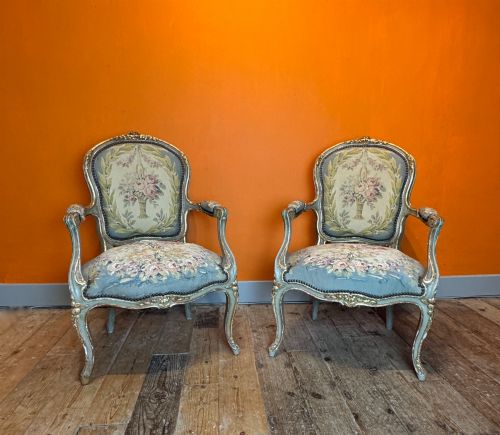
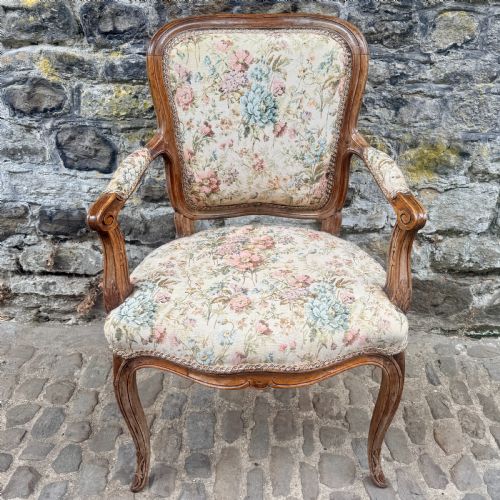
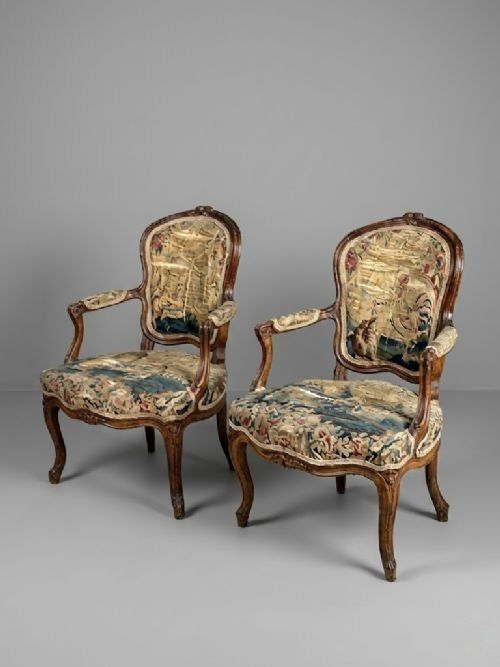
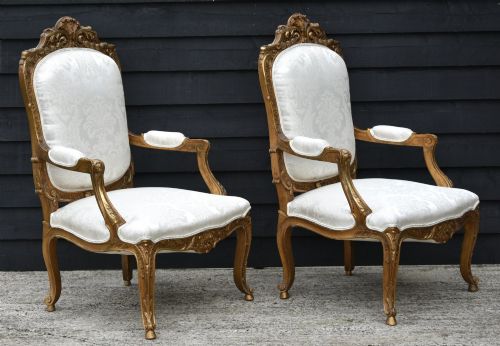
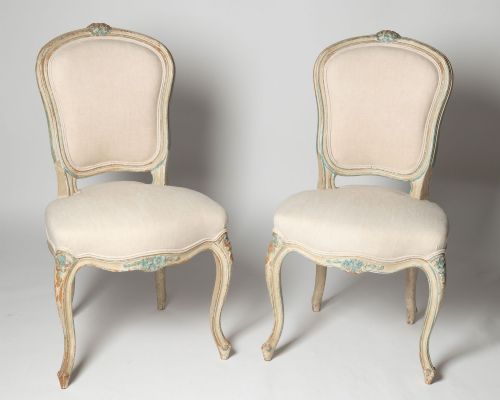
These french louis xv chairs bring fluid curves and historic seating elegance into modern rooms through carved wooden frames and classic upholstery.
French Louis XV Chairs
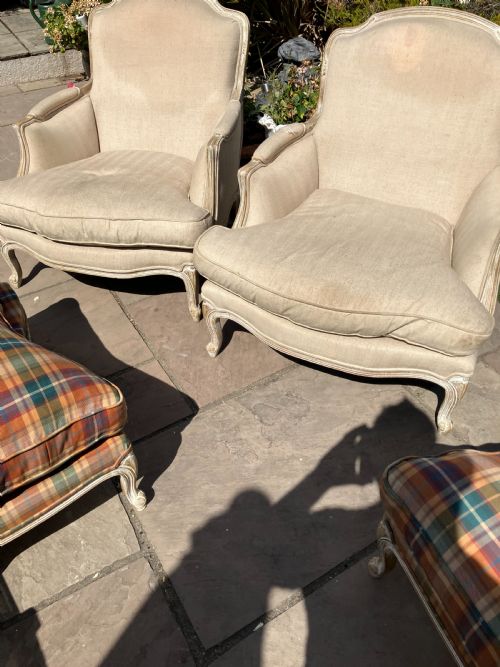
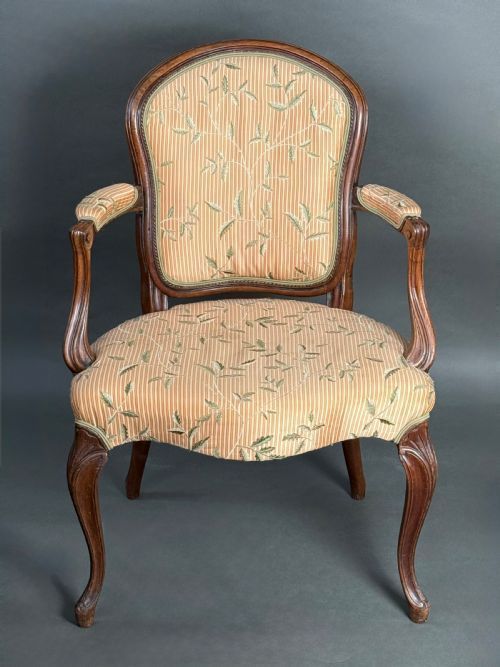
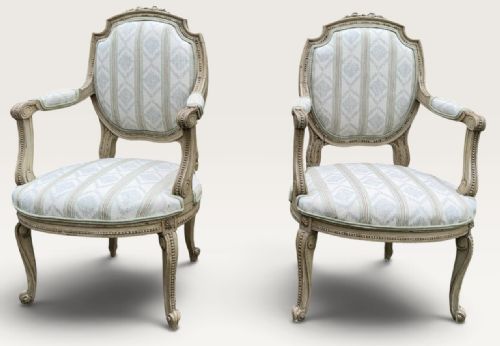
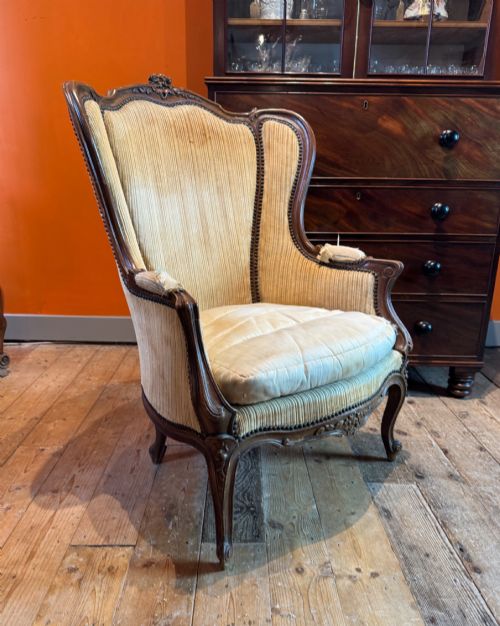
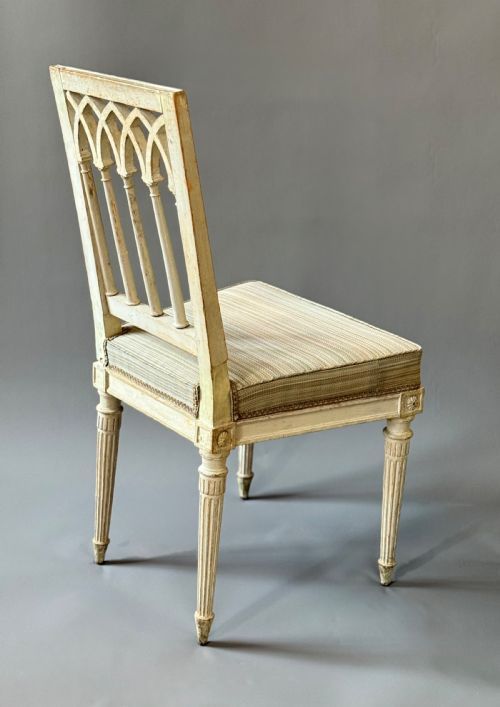
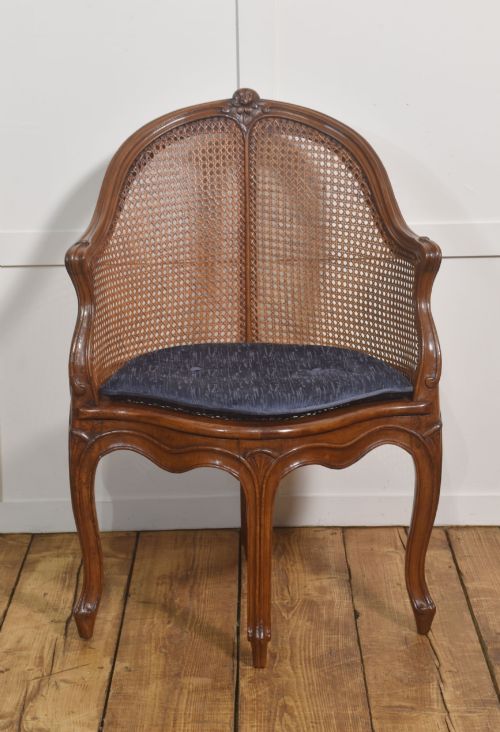
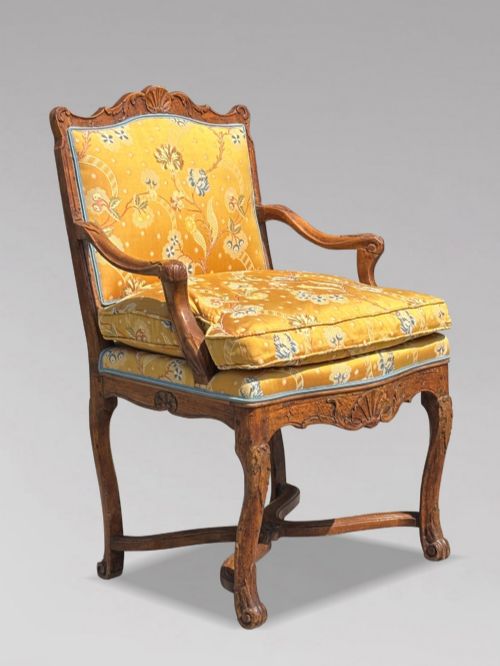
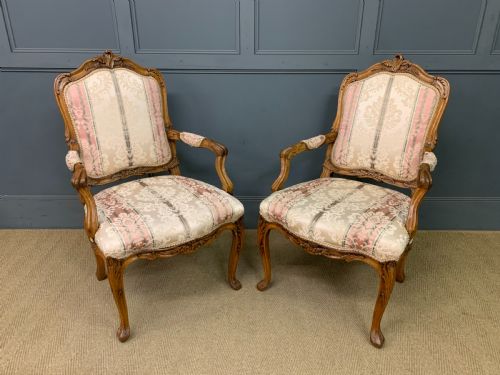
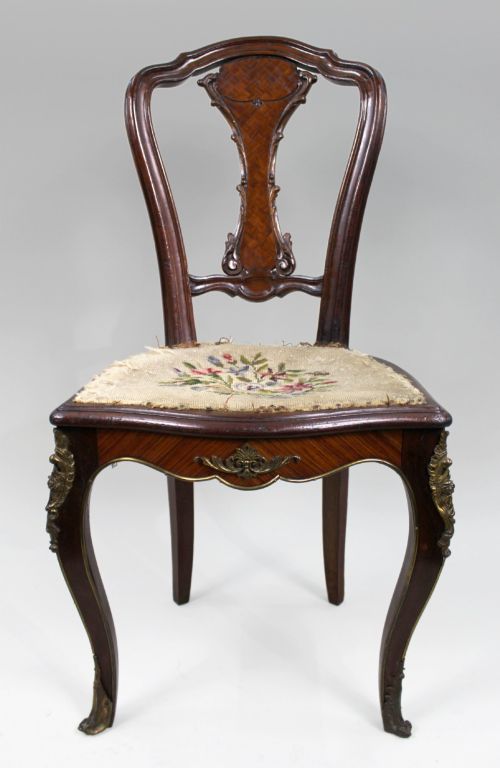
When searching for french louis xv chairs, collectors encounter seating spanning the mid-18th century through the nineteenth and twentieth century revivals. The selection includes open armchairs, side chairs, bergères, and salon suites originating from French workshops and provincial makers.
The most common examples on this page date from the nineteenth century, reflecting enthusiastic revivals of the rococo style. These later pieces emulate the curvilinear profiles and carved ornamentation of authentic 18th-century originals.
Formations range from modest side chairs to large upholstered armchairs and duchesse brisée chaise longues. Walnut and painted beech frames appear frequently alongside velvet, silk, and tapestry coverings.
Markers of distinction
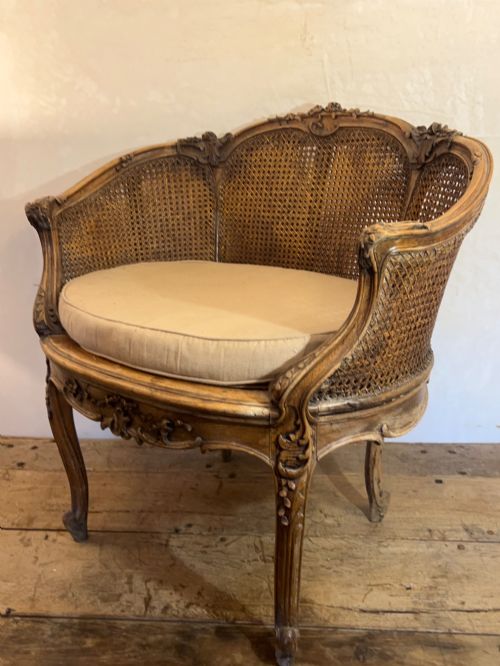
The division between ordinary and exceptional pieces rests upon the crispness of the wood carving and the integrity of the frame construction. Superior examples display deeply chiselled foliage and harmonious proportions rather than shallow, mechanical milling.
Original surface finishes, whether patinated walnut or untouched historic paint, elevate a piece far above later stripped or heavily repainted surfaces. The choice of covering textile, from hand-woven tapestry to pure silk, further denotes the ambition of the original commission.
Even the humblest kitchen ladder-back received the rococo treatment when provincial makers adopted the reigning Parisian style.
Blaise Maucuy·Colefax and Fowler
The French Louis XV Chairs Glossary
- Cabriole leg
- A furniture leg that curves outward and then tapers inward, mimicking the shape of an animal's leg. This form defines much of the rococo seating aesthetic.
- Bergère
- An enclosed upholstered armchair with solid wooden sides and a loose seat cushion. It offers deeper comfort than an open armchair.
- Fauteuil
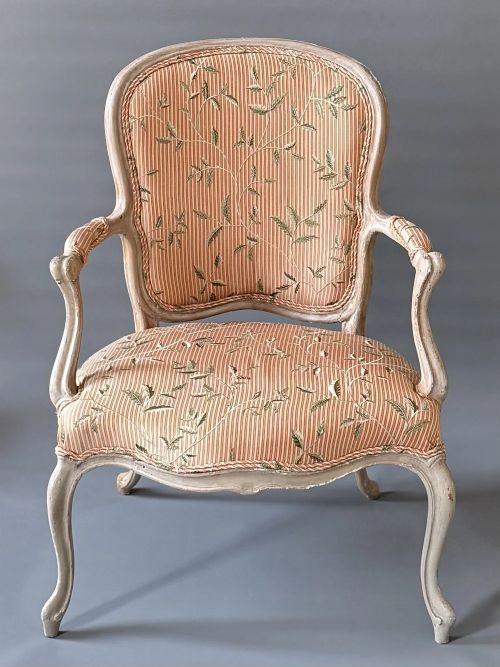
- An open-framed upholstered armchair with exposed wooden arms and carved supports. These seats were designed for formal Parisian salons.
- Giltwood
- Timber coated with a thin layer of gold leaf or powder over a prepared ground. It imparts a luminous metallic finish to decorative frames.
- Ormolu
- Cast bronze mounted to furniture frames and heavily gilded with gold amalgam. It provides metallic contrast against dark hardwoods.
French Louis XV Chairs: Frequently Asked Questions
What is a fauteuil chair?
A fauteuil is an open-framed upholstered armchair featuring exposed wooden arms and carved supports. These elegant seats were designed primarily for formal salons during the eighteenth century.
They combine structural woodwork with comfortable upholstered backrests and seats. The open sides distinguish them from enclosed bergère armchairs.
How do I identify a revival piece?
Revival pieces date from the nineteenth or twentieth centuries while imitating the distinct aesthetic of the eighteenth century. Examining the timber maturity and construction methods helps determine the actual age.
Many nineteenth-century examples display exceptional carving quality that rivals older originals. Stylistic details often blend rococo curves with Victorian comforts.
What is a bergere armchair?
A bergère is a wider, enclosed armchair featuring upholstered sides filled with padding or cane work. This design provides a more enveloping and relaxed seating posture than standard open armchairs.
These chairs usually include a loose, feather-filled seat cushion for added luxury. They appear frequently in both 18th-century forms and later revival suites.
Where should I place these chairs?
These seating pieces suit drawing rooms, bedrooms, and quiet reading corners where their decorative profiles can be appreciated. Pairs of armchairs anchor a fireplace or conversational grouping effectively.
Their historic character adds textural contrast to modern minimalist interiors. Mixing painted frames with natural wood finishes creates visual depth in any room.