

Vintage Painted Accent Chairs
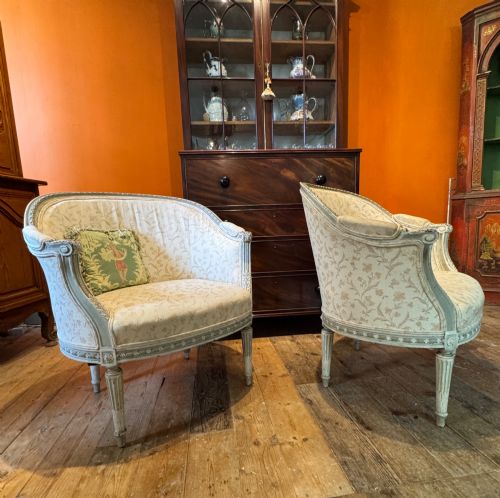
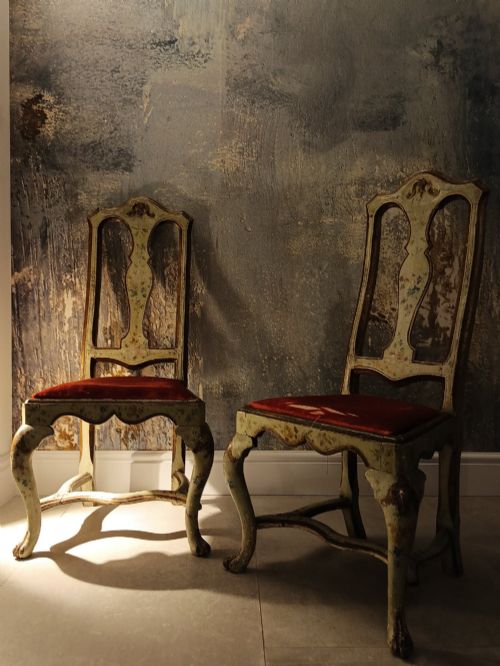
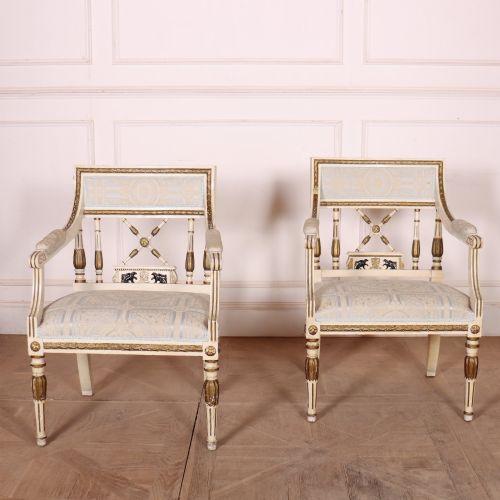
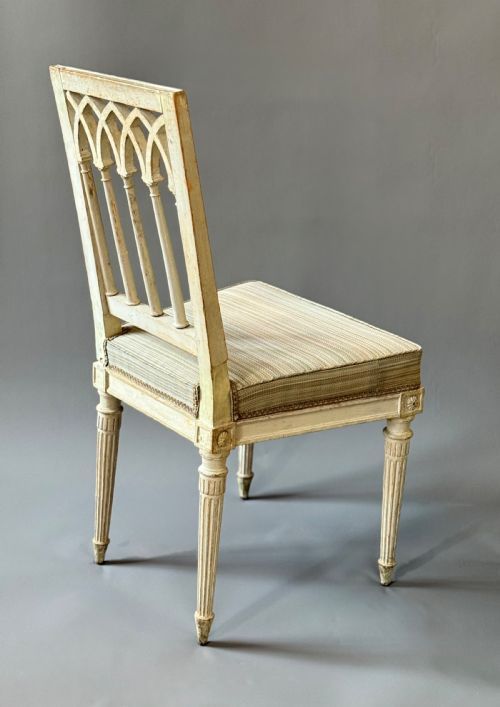
These vintage painted accent chairs bring colour and character to a room, ranging from French bergères to Swedish folk art pieces.
Vintage Painted Accent Chairs
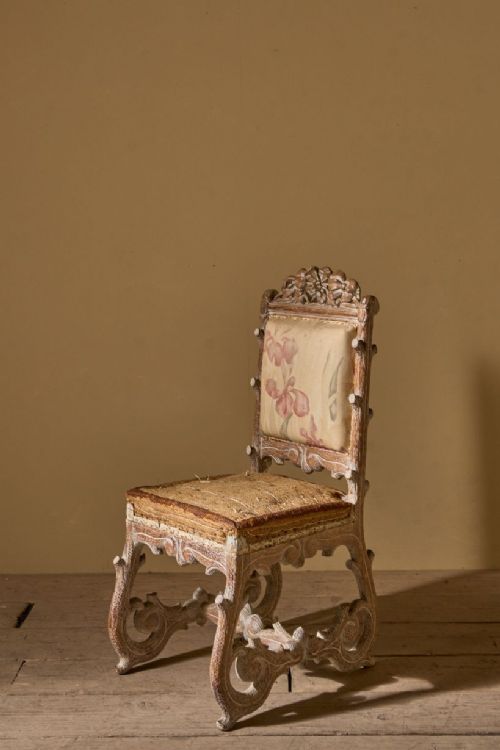
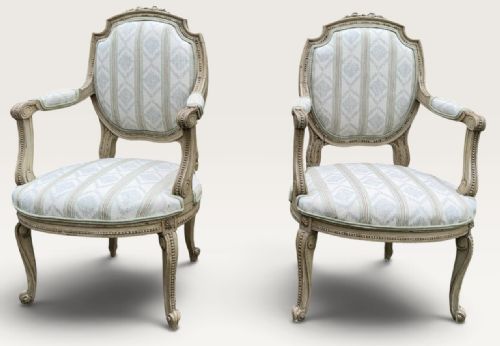
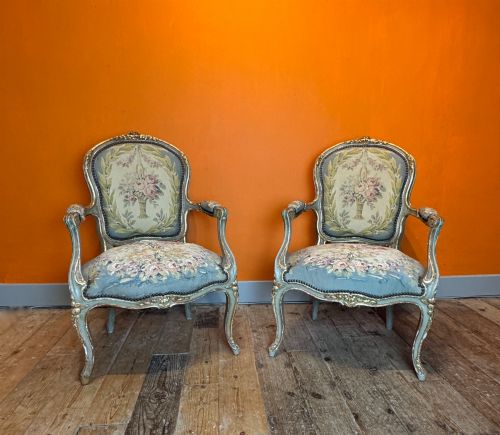
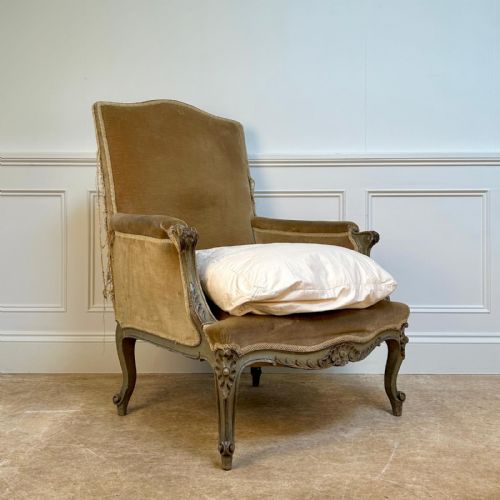
Vintage painted accent chairs encompass a wide variety of seating forms designed to provide a decorative focal point in a room while offering functional use. When searching for vintage painted accent chairs, buyers typically encounter French styles such as bergères, fauteuils, and tub armchairs dating from the nineteenth and early twentieth centuries.
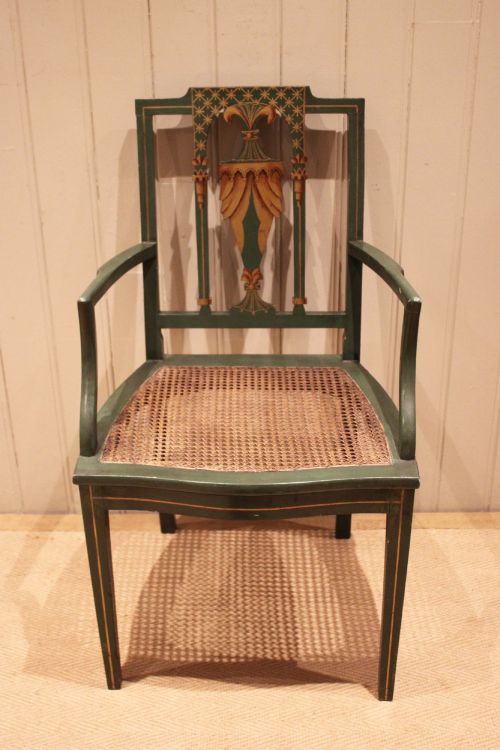
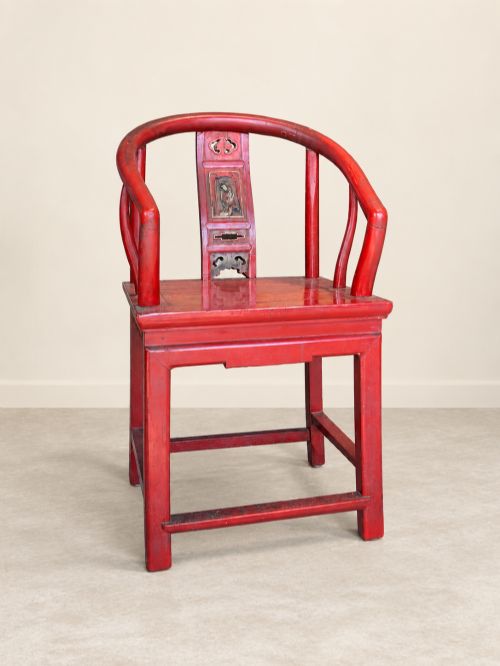
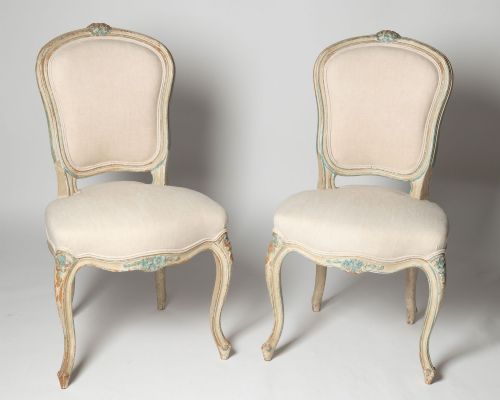
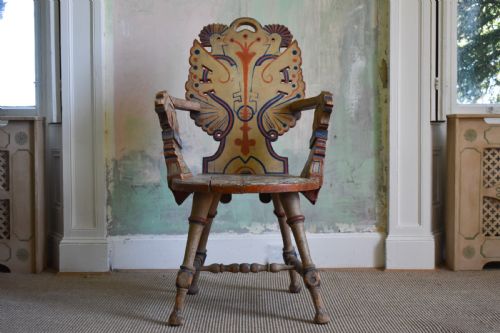
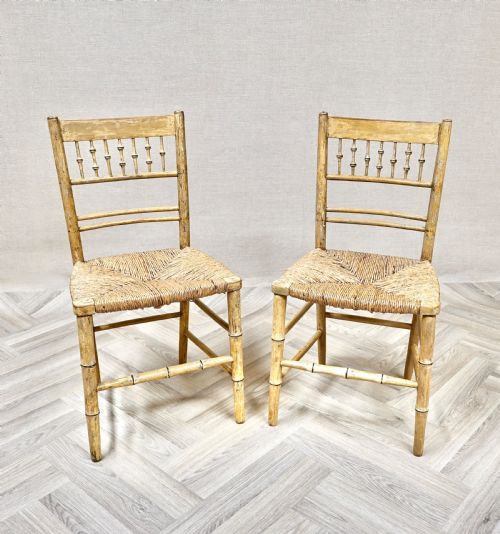
The selection includes side chairs, rocking chairs, hall chairs, and chaise longues spanning periods from the eighteenth century through to the 1930s. Regional variations appear frequently, including Swedish folk art, North Italian side chairs, and Chinese designs, alongside British examples like Windsor and Cockpen chairs.
Most pieces encountered on this page originate from continental Europe, particularly France, and feature wood structures finished with historical paint schemes. These chairs serve primarily as decorative seating in living spaces, bedrooms, or hallways, prized for their aged surfaces and distinct regional forms.
How they were made
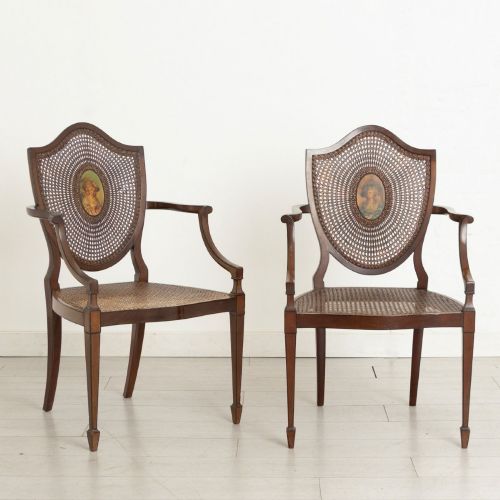
Construction relies primarily on traditional timber framing using woods such as beech, mahogany, and satinwood, occasionally incorporating cane panels or wrought iron. Joinery methods reflect the period of manufacture, from eighteenth-century hand-carved joints to early twentieth-century bentwood techniques.
Surfaces are prepared with gesso before the application of paint, creating a smooth ground for decorative finishes that often include parcel gilt highlights or hand-painted motifs. Upholstery materials range from original tapestry and needlepoint panels to modern fabric replacements on chairs like Art Deco bentwoods.
Regional styles represented include French provincial, Swedish folk art, and North Italian designs alongside British country furniture.
What varies in quality
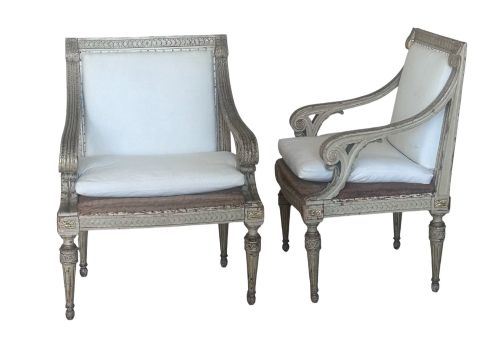
The integrity of the original paint surface dictates much of the visual appeal, distinguishing pieces retaining untouched historic finishes from those with later overpainting or heavy restoration. The crispness and depth of hand-carved wooden details, whether in Louis XVI style medallion frames or faux bois textures, separate standard production from superior craftsmanship.
Structural robustness and the survival of delicate elements such as cane seating or intricate fretwork influence the standing of an individual chair. Provenance and attribution to known makers or specific regional folk traditions add historical weight to the construction.
Heals·Liberty of London·White, Allom and Co·Anton Rosen
The Vintage Painted Accent Chairs Glossary
- Bergère
- An enclosed upholstered armchair with wooden framing, popular in French interior design. The sides are typically filled with cane or upholstered padding.
- Fauteuil
- An open-framed armchair with upholstered seat and backrest, featuring exposed wooden arms. This French seating form often displays carved stylistic traits from the Louis periods.
- Gesso
- A plaster-like mixture applied to wooden furniture surfaces to prepare them for painting and gilding. It provides a smooth base that holds fine decorative detail.
- Faux bois
- A technique where wood or other materials are painted and sculpted to imitate the natural appearance of tree branches or bark. It appears frequently on nineteenth-century garden and rustic indoor seating.
- Chinoiserie
- European artistic style incorporating Chinese and East Asian motifs, prevalent in painted furniture decoration. This aesthetic produces distinctive scenic or floral painted patterns on chairs.
Vintage Painted Accent Chairs: Frequently Asked Questions
How do I identify original paint?
Original paint surfaces show natural craquelure, subtle fading, and wear consistent with age rather than uniform modern brushstrokes. Examination under magnification often reveals underlying gesso layers and historical pigment accumulation.
Comparing the wear patterns around high-contact areas like armrests and feet helps confirm whether the finish belongs to the period of manufacture.
Where were bergere chairs used?
Bergère chairs were designed for formal sitting rooms, boudoirs, and libraries in grand houses across France and later Britain. Their enclosed upholstered sides offered protection from draughts in large, high-ceilinged rooms.
Today they function effectively as accent seating in living spaces where their decorative painted frames can be appreciated.
Can I use these chairs daily?
Most vintage painted accent chairs handle normal domestic use, provided the timber frame and joinery remain sound and stable. Chairs with delicate cane seats or antique upholstery may require more careful sitting than robust wooden hall chairs.
Checking the structural integrity of the legs and arm joints ensures safe everyday placement in modern interiors.
What is a Cockpen chair?
A Cockpen chair is a distinct type of eighteenth-century armchair featuring an open lattice back inspired by Chinese geometric screens. These chairs were popular in British country houses influenced by Oriental design trends.
Early twentieth-century revivals also adopted this distinctive open woodwork pattern for decorative seating.