
Carved Wood French Fauteuil
A carved wood french fauteuil brings open-armed elegance and classical seating to a room.
Carved Wood French Fauteuil
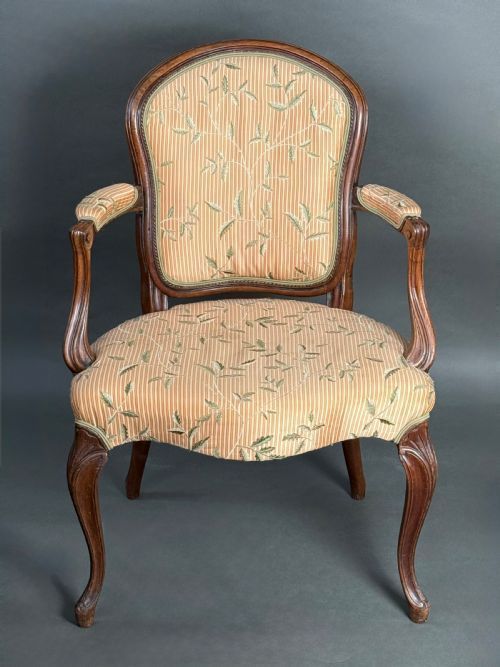
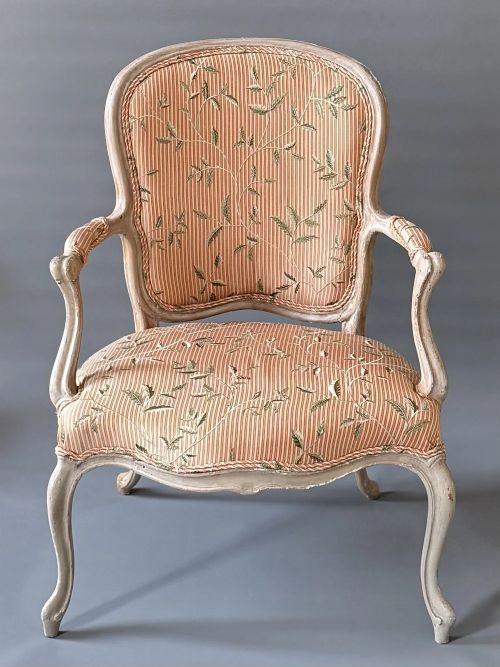
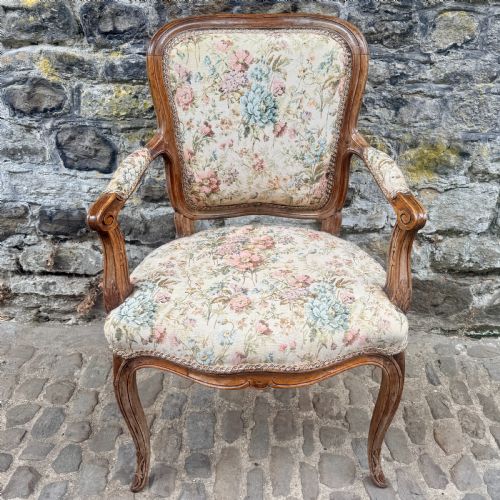
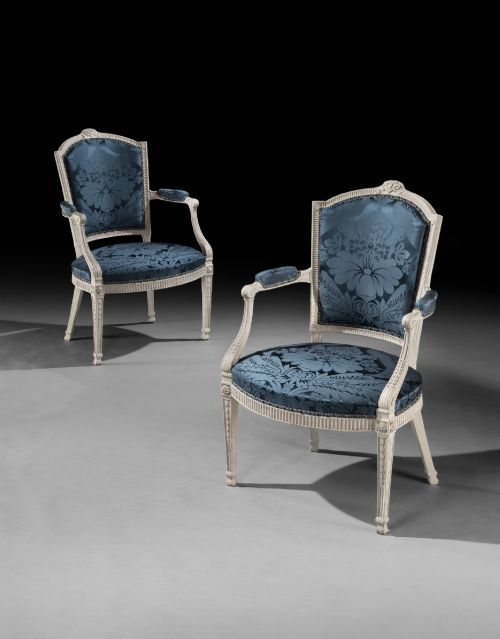
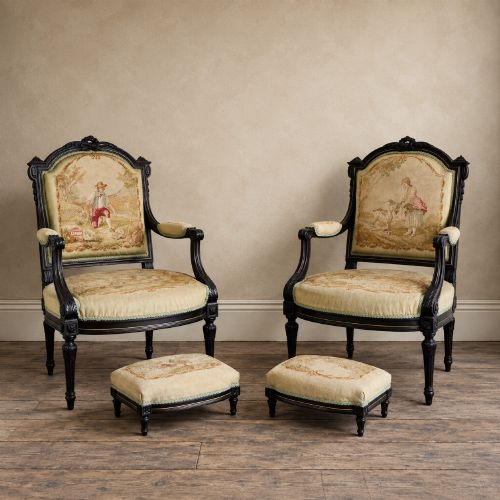
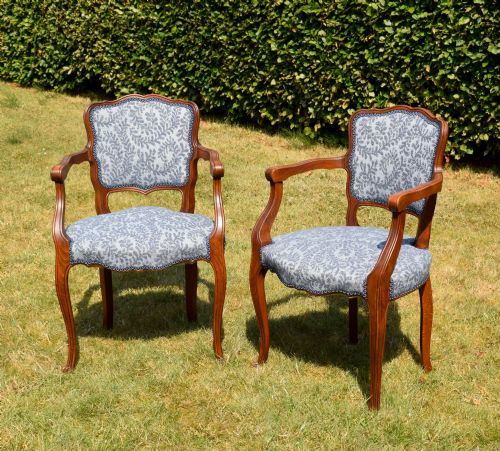
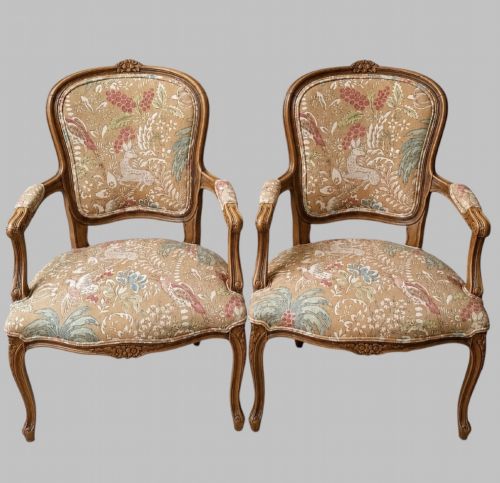
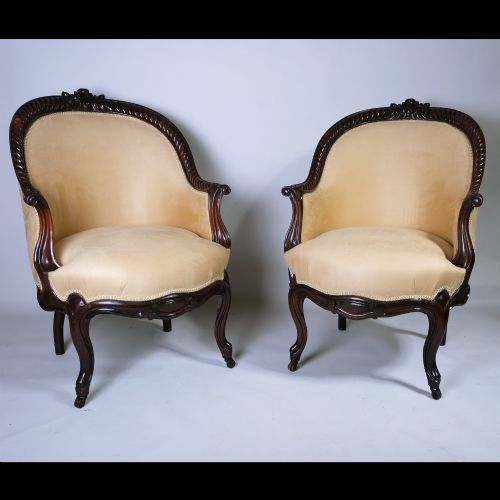
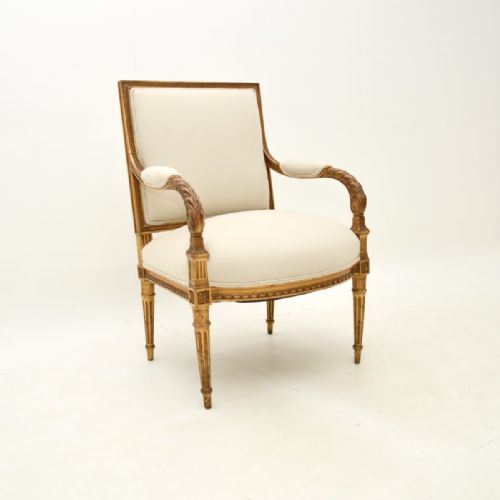
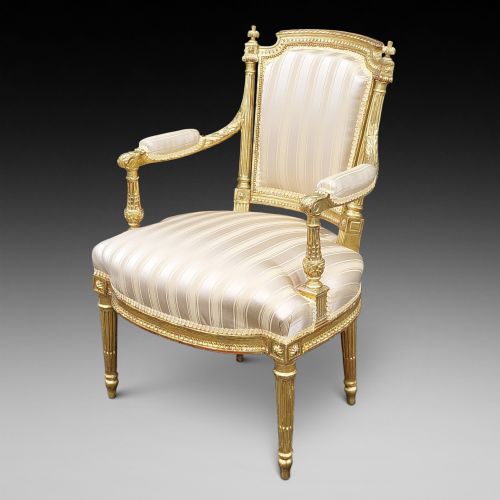
A carved wood french fauteuil represents the classic open-armed seating tradition originating in continental reception rooms and salons. These chairs combine exposed timber frameworks with upholstered seats and backrests designed for comfortable social interaction.
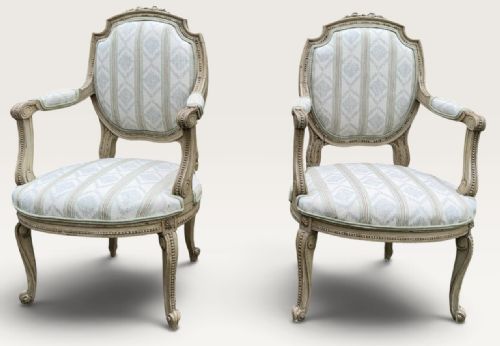
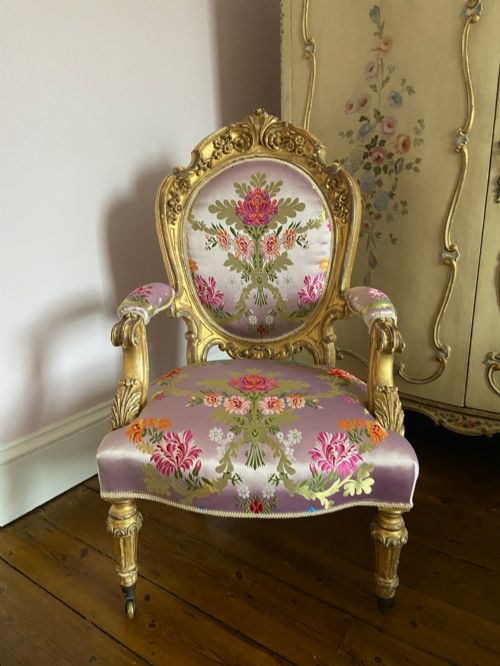
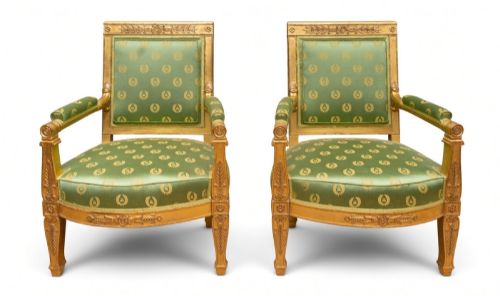
The selections available range from authentic eighteenth-century examples to later nineteenth-century revivals inspired by Louis Quinze and Louis Seize aesthetics. Buyers frequently encounter nineteenth-century giltwood and walnut interpretations alongside earlier provincial forms.
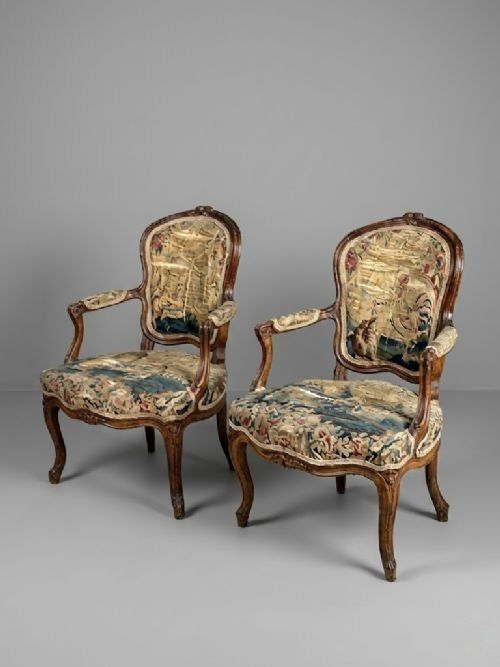
Object types span individual open armchairs, matched pairs, and larger salon suites accompanied by decorative textiles such as silk, velvet, and tapestry needlework.
Materials and Construction Methods
Frameworks rely on dense hardwoods including beech, walnut, oak, and rosewood, chosen for their ability to sustain deep hand-carving along the rails, armrests, and cabriole or fluted legs.
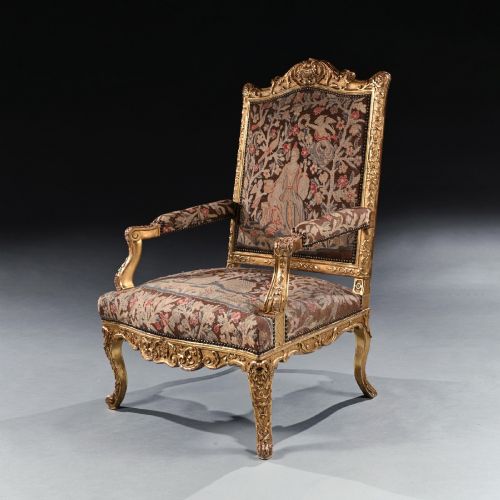
Surface treatments involve traditional gilding with gold leaf applied to giltwood frames, alongside original paint, ebonising, or polished natural wood finishes.
Upholstery techniques secure traditional fillings within supportive webbing, finished with decorative textiles like silk damask, patterned velvet, needlepoint tapestry, and Aubusson weave.
Children's salon chairs appear among the full-sized seating, proving that miniature courtly comfort was essential for historic households.
Distinctions in Quality and Execution
The sharpness and depth of the hand-carved ornamentation separate superior frameworks from simpler commercial production, where floral motifs and scrollwork appear shallow or cast rather than carved.
The integrity of the structural joinery within the frame determines stability, while the preservation of original giltwood surfaces or historic paint finishes adds considerable character compared to later re-gilding.
The quality of the covering textiles, ranging from period tapestry panels to contemporary silk and velvet, influences the visual harmony and tactile finish of the piece.
Jacob-Desmalter
The Carved Wood French Fauteuil Glossary
- Fauteuil
- An open-framed upholstered armchair originating in France, characterised by exposed wooden arms and a padded backrest. These chairs were designed to accommodate wide court dress during the seventeenth and eighteenth centuries.
- Giltwood
- Timber coated with a thin layer of gold leaf over a prepared gesso ground. This finish reflects candlelight and daylight in formal reception rooms.
- Louis XV Style
- A decorative aesthetic defined by asymmetrical rococo curves, cabriole legs, and organic scrollwork. It reflects the design language popular during the mid-eighteenth century and revived in the nineteenth century.
- Louis XVI Style
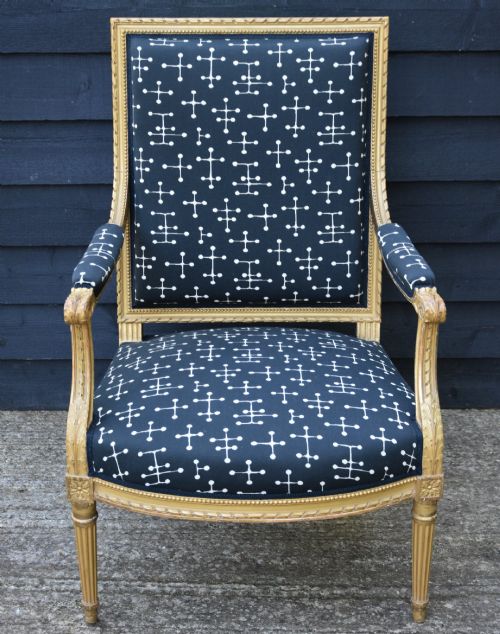
- A neoclassical design vocabulary marked by straight geometric lines, fluted column legs, and oval or rectangular medallion backs. This style emerged in the late eighteenth century and influenced subsequent revival seating.
- Aubusson
- A traditional tapestry weave produced in the French town of Aubusson, frequently utilised for seat covers and back panels on high-status chairs.
Carved Wood French Fauteuil: Frequently Asked Questions
What is a carved wood french fauteuil?
A carved wood french fauteuil is a traditional open-armed armchair featuring an exposed wooden frame and upholstered components. These seats were originally created for formal French salons and reception spaces.
Today, they serve as decorative accent seating in living rooms, bedrooms, and libraries, offering a blend of historic craftsmanship and functional comfort.
How do I date a fauteuil?
Dating involves examining the carved decorative motifs, the shaping of the wooden frame, and the joinery methods used beneath the upholstery. Eighteenth-century examples display hand-carved details specific to periods like the Regence or Louis Seize.
Revival pieces from the nineteenth century often incorporate heavier proportions or machine-assisted joinery while mimicking these earlier classical styles.
Can these chairs be used daily?
These historic armchairs function well for everyday seating provided the internal frame and webbing remain structurally sound. Many survive with modern upholstery that supports regular domestic use.
Placing them away from direct heat sources and strong sunlight helps preserve fragile giltwood surfaces and delicate textile coverings.
What is the difference between Louis XV and Louis XVI styles?
Louis XV style armchairs feature curved lines, cabriole legs, and flowing rococo ornamentation without symmetry. They project an organic and fluid visual movement.
Louis XVI style chairs adopt neoclassical rectilinearity, featuring straight fluted legs, symmetrical frames, and geometric back panels.