



Vintage Paint Container
A vintage paint container encompasses a surprisingly diverse range of decorative boxes, storage tins, and caddies carrying pigment or applied ornament from past centuries.
Vintage Paint Container
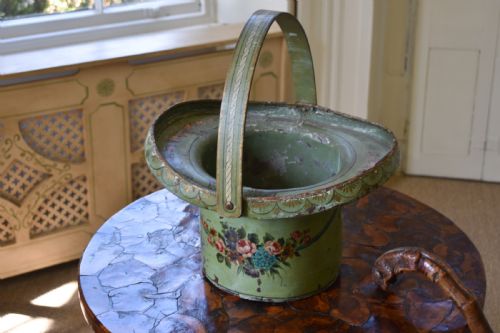
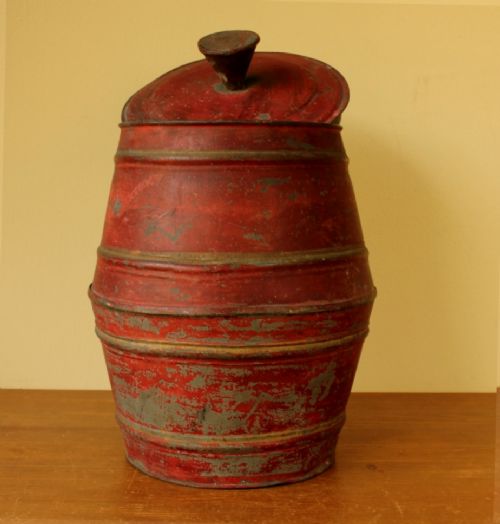
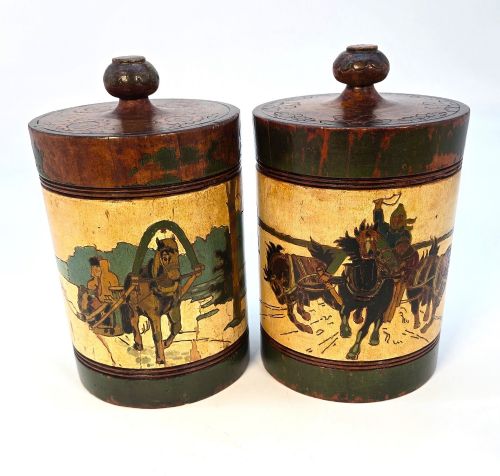
A vintage paint container search leads you to a varied selection of utilitarian and decorative receptacles rather than a single standardised form. The evidence shows these functional objects stretch from toleware document tins and flour bins to delicate porcelain patch boxes and wooden tobacco jars.
You are most likely to meet painted toleware or wooden storage boxes dating from the nineteenth and early twentieth centuries on this page. These practical household vessels frequently double as charming decorative accents thanks to surviving surface decoration.
The material origins span multiple continents and eras, bringing together English porcelain, French toleware, Scandinavian pine, and Asian lacquer or ceramic storage pieces. Each item reflects the domestic or commercial storage needs of its specific period.
Materials and construction
Makers utilised resilient base materials including sheet iron for toleware, sturdy hardwoods such as fruitwood and pine, and fine ceramic or porcelain bodies. These substrates were chosen to endure daily handling in domestic kitchens, shops, or offices.
Surface finish is paramount, relying on hand-painted motifs, enamel decoration, or applied lacquers over the base material. Artisans built up these decorative layers using traditional pigments that patinate distinctively over time.
Listings feature materials spanning wood, brass, porcelain, toleware, enamel, iron, and leather across multiple centuries.
Assessing the pieces
Quality rests heavily on the integrity and preservation of the original painted or enamelled surface decoration. Finer examples retain crisp brushwork and authentic pigment depth without heavy modern repainting.
The structural joinery and original hardware, from brass hinges to iron strapwork, separate standard utilitarian vessels from superior workshop productions. Well-preserved handles and tight-fitting lids indicate careful manufacture.
Royal Worcester·Clarice Cliff·Tokyo Taizan
The Vintage Paint Container Glossary
- Treen
- Small handmade wooden household objects. Collectors prize these for their tactile grain and smooth, handled patination.
- Pot pourri
- A decorative jar or vase pierced to release dried scent. These vessels often display fine painted floral motifs.
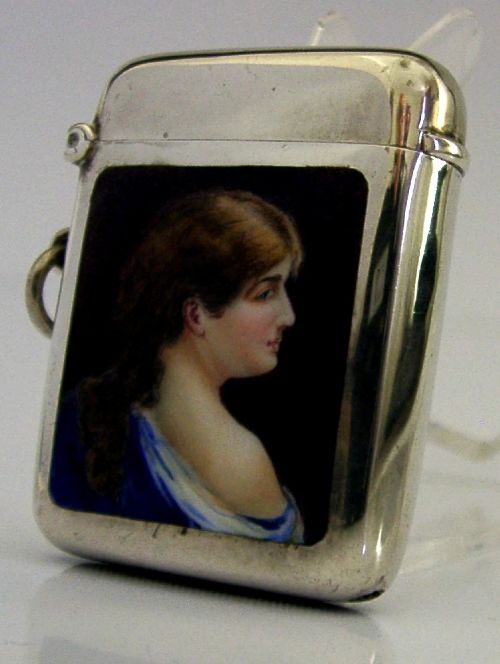
- Vesta case
- A small pocket box designed to hold matches. They frequently incorporate detailed enamel work or precious metals.
- Patch box
- A tiny container used for cosmetic skin patches. Eighteenth-century examples often combine copper with delicate white enamel.
Vintage Paint Container: Frequently Asked Questions
What were these containers used for originally?
These vessels served diverse practical purposes in homes and trades, ranging from storing dry foodstuffs and tobacco to holding legal documents or matches. Many were designed for daily utility in domestic kitchens, merchant shops, or administrative offices.
Over time, utilitarian pieces with decorative painted surfaces transitioned into display items. Their original functions shaped their durable construction and protective finishes.
How do I care for painted wooden and metal surfaces?
Keep these items away from direct sunlight and damp environments to protect fragile painted decoration and prevent wood from splitting. Dust them gently with a dry, soft cloth rather than using liquid cleaning agents.
Handling pieces by their solid structural parts rather than delicate applied ornament preserves the finish. Stable indoor temperatures prevent the flaking of old enamel and paint layers.
How can I tell a nineteenth-century tin from a later piece?
Examine the method of construction, noting hand-cut joints, older soldering techniques, and the specific composition of the underlying metal plate. Nineteenth-century items typically show natural wear patterns consistent with age rather than artificial distress.
The pigments and binding mediums used in the painted decoration also offer clues to period production methods. Older pieces exhibit a soft, integrated patination where the paint has settled into the substrate.
Are these containers suitable for daily modern storage?
Many of these sturdy boxes and jars remain entirely functional for holding small household items on shelves or desks. Their robust construction from wood, metal, or ceramic suits light contemporary organisation.
For fragile painted or enamelled pieces, dry storage away from heavy traffic prevents accidental surface damage. Using them thoughtfully allows you to integrate historical craftsmanship into daily life.