
Victorian Paint Box
When you search for a victorian paint box, you uncover timber storage and watercolour kits designed for portable creative work.
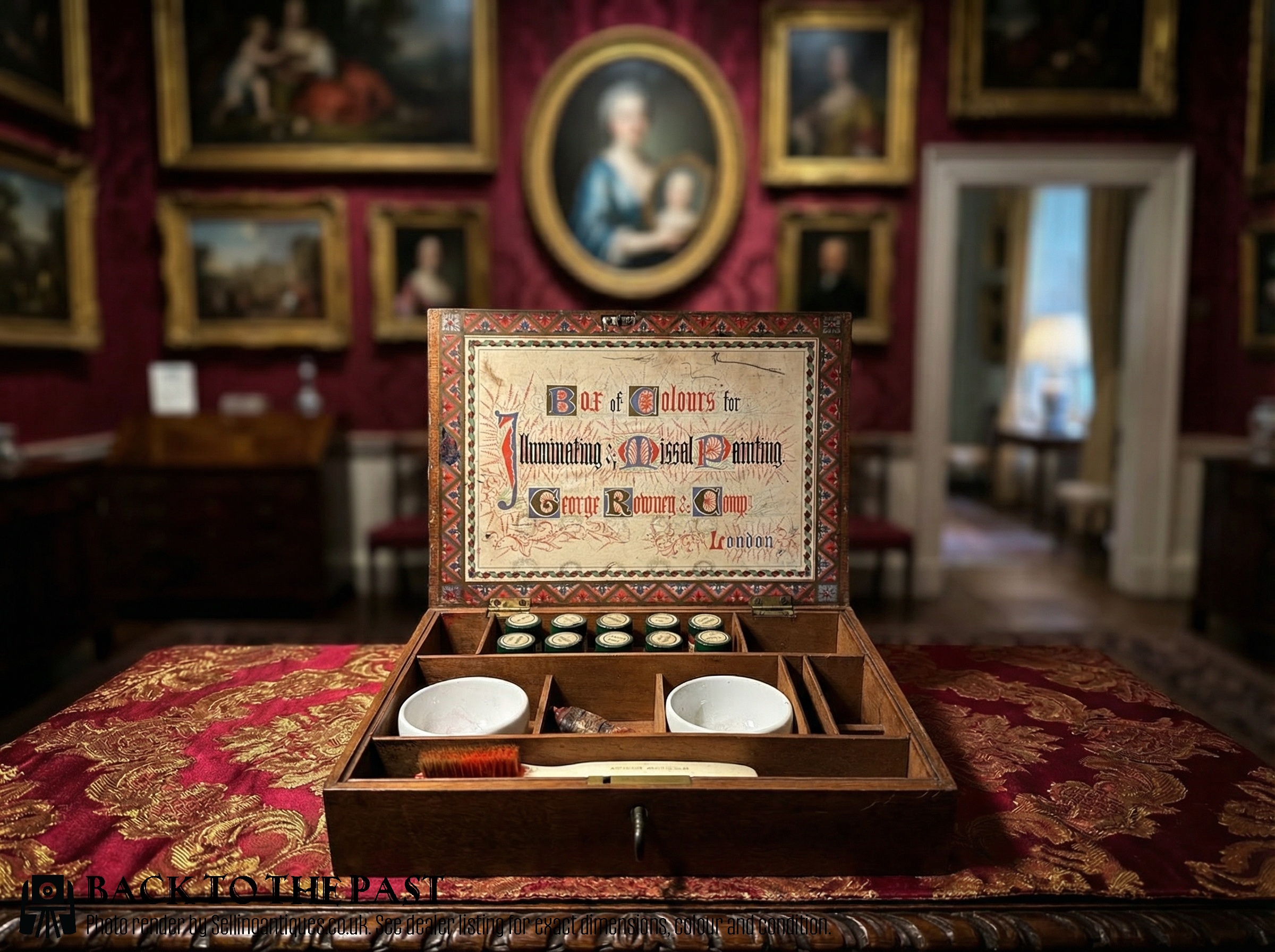
Victorian Paint Box
A victorian paint box is a portable wooden or metal container designed to hold artists' watercolours, brushes and mixing palettes during the nineteenth century. These items range from compact sketching kits produced by makers like Winsor and Newton or Reeves to larger pine and mahogany receptacles utilised by travellers and professionals.
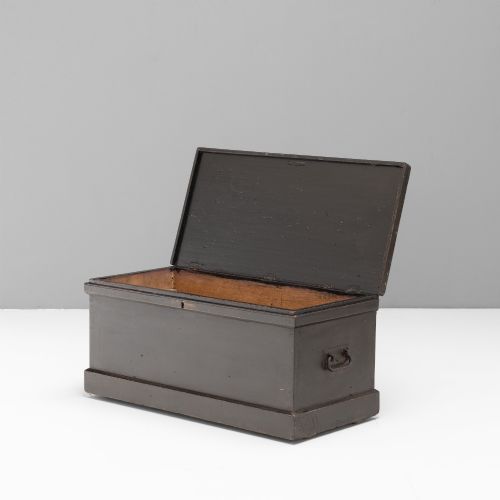
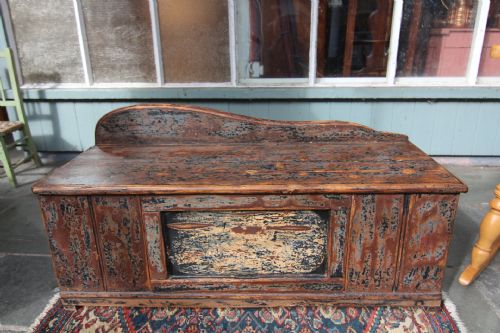
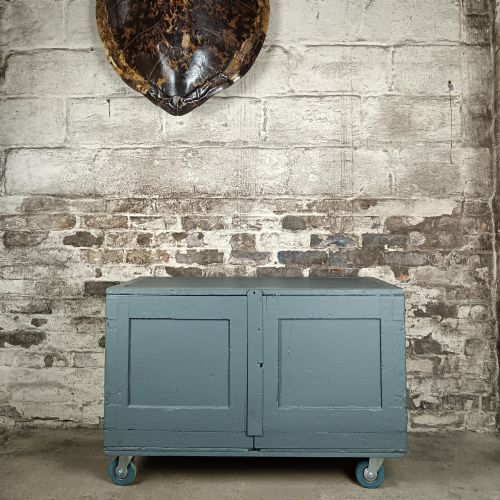
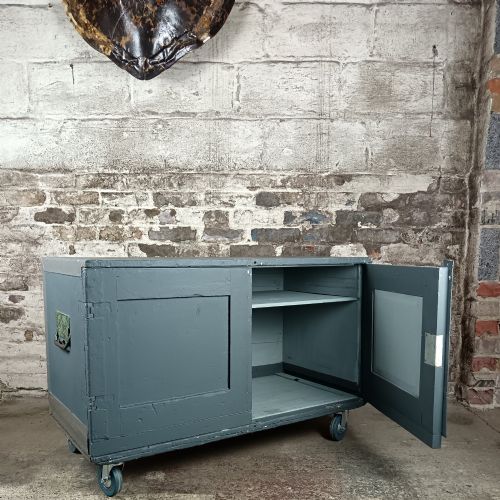
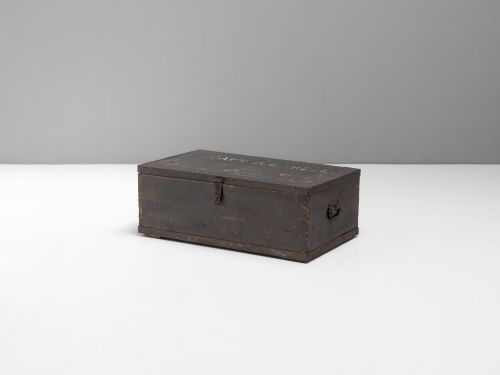
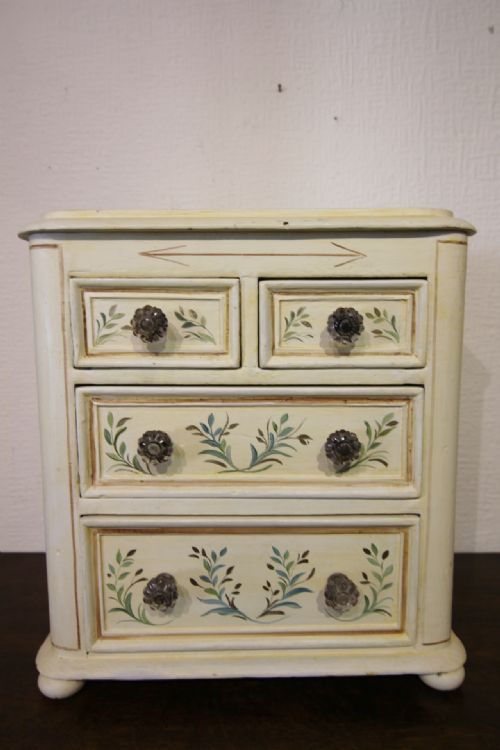
The versions most frequently met on this page include fitted wooden caddies with internal compartments for pigment cakes, alongside broader pine blanket boxes and country house chests bearing original surface decoration. These containers reflect both amateur botanical sketching and professional landscape work from periods spanning the eighteen-sixties to the late nineteenth century.
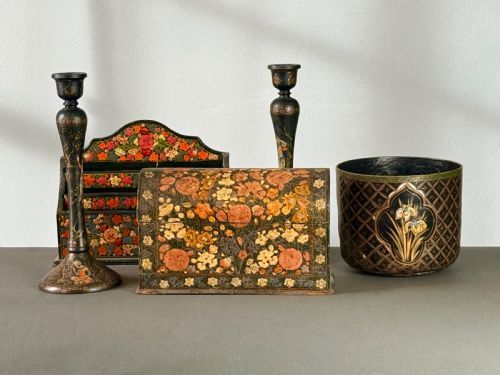
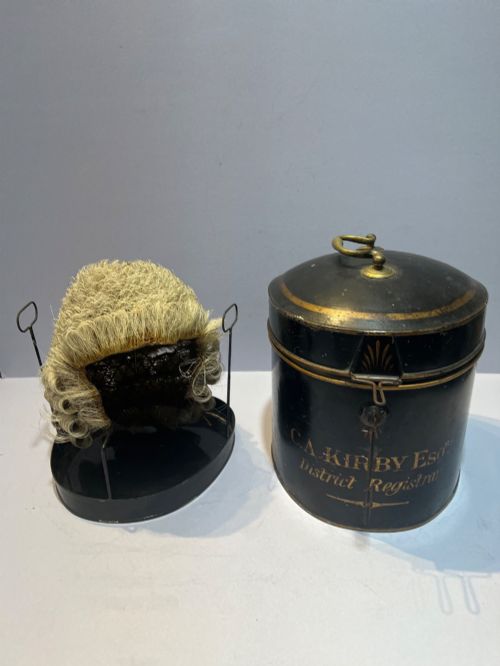
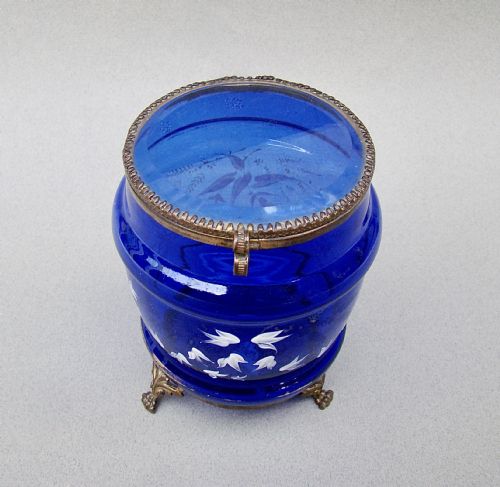
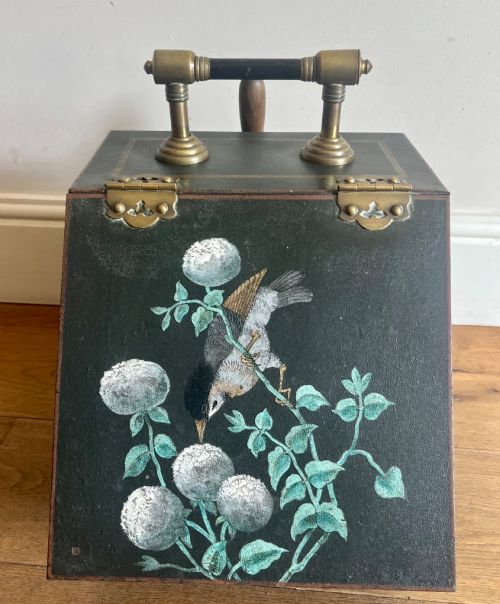
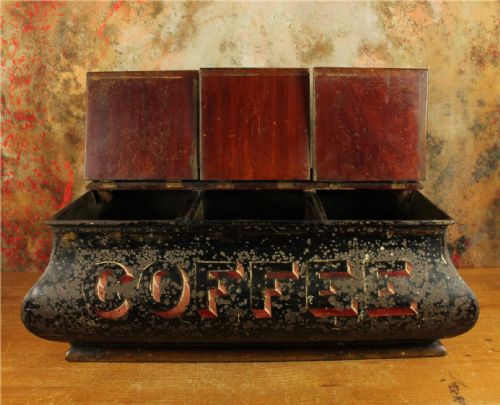
Buyers also encounter related household storage vessels formed from painted toleware, tin and pine, which share the functional utilitarian origins of the dedicated artist's kit. Such pieces demonstrate how nineteenth-century makers applied decorative paint finishes to everyday containers used for travel and domestic organisation.
Materials and Construction Techniques
Carpenters constructed these boxes primarily from solid pine, mahogany, or walnut, utilising dovetailed joints to ensure durability during frequent transport. Iron and brass hardware such as hinges, corner brackets and carrying handles secured the lids and protected the edges from heavy handling.
Listings feature nineteenth-century portable boxes constructed from pine, mahogany, and walnut, often retaining original fitted trays and maker stamps.
Distinctions in Quality
Quality in a victorian paint box rests upon the intact survival of its original internal fittings, such as mixing tiles, porcelain saucers and maker-marked pigment blocks. Boxes that retain their complete compartmentalised trays and original exterior paint surfaces sit firmly at the higher end of the range.
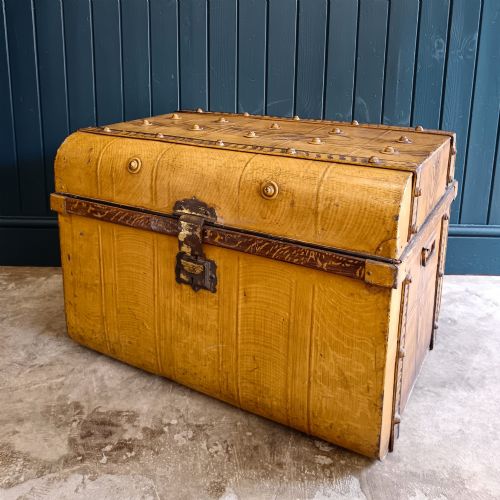
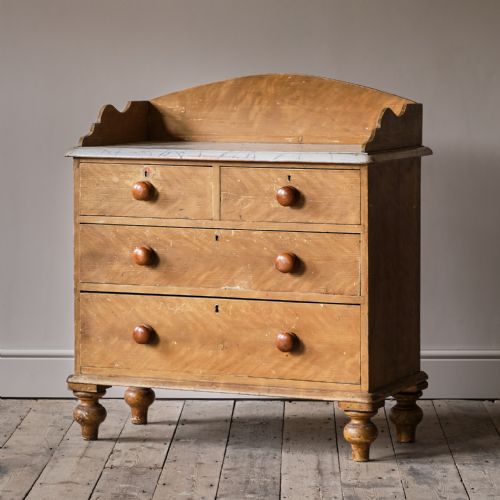
The standard of craftsmanship is further demonstrated by the precision of the box joints, the weight of the brass or iron furniture, and the subtlety of decorative techniques like scumble graining or hand-applied lettering. Pieces retaining manufacturer signatures from established suppliers show superior workshop origin compared to unbranded utilitarian containers.
Winsor and Newton·Reeves and Sons·AW Faber·Drew and Sons·Eade and Son
The Victorian Paint Box Glossary
- Scumble paint
- A decorative technique involving the manipulation of a translucent glaze over a lighter base coat to simulate the grain of expensive hardwoods. This method was widely applied to pine boxes and furniture to achieve a richer aesthetic.
- Toleware
- Metalware, usually iron or tin, coated with japanned finishes or hand-painted designs. These items served various domestic and utilitarian functions in nineteenth-century households.
- Dovetail joint
- A carpentry technique joining two pieces of wood by interlocking wedge-shaped fingers. It provides exceptional tensile strength for boxes subjected to frequent travel.
- Campaign box
- A portable container built for military officers or travellers, characterised by recessed brass handles and reinforced corners. These pieces were engineered for durability on long journeys.
- Pigment pan
- A small ceramic or metal container holding artist watercolour paint. These removable units fit snugly into the dedicated compartments of an artist's box.
Victorian Paint Box: Frequently Asked Questions
What goes inside a standard victorian paint box?
These kits typically contained dry watercolour cakes, ceramic mixing palettes, small glass water bottles and various animal hair brushes. Many examples also included storage space for sketching paper and pencils.
Makers arranged these components within fitted wooden trays that lifted out to reveal deeper compartments beneath.
How do I identify original paint on these boxes?
Original surface finishes display natural wear patterns, craquelure and patination consistent with age and handling. Overpainted surfaces often obscure the crisp edges and underlying timber characteristics found on untouched pieces.
Examining the interior corners and undersides usually reveals the consistency of the original pigment application.
Were these boxes used by professionals or amateurs?
Nineteenth-century paint boxes served both serious landscape artists and leisure-seeking gentry who practiced watercolour sketching outdoors. Portable kits allowed painters to capture topographical scenes while travelling during the Victorian era.
Different grades of box accommodated varied budgets, from simple pine student sets to elaborate mahogany professional cabinets.
How should I clean a painted wooden box?
Maintenance requires gentle dusting with a soft, dry cloth to preserve fragile surface patination and historic paint layers. Moisture and modern chemical solvents should be avoided entirely to prevent lifting the historic finish.
Applying a microcrystalline wax can protect exposed wooden areas without altering the appearance of the original paint.