
Antique Paint Chest
An antique paint chest brings historical pigment and utility together, offering storage grounded in centuries of decorative surface work.
Antique Paint Chest
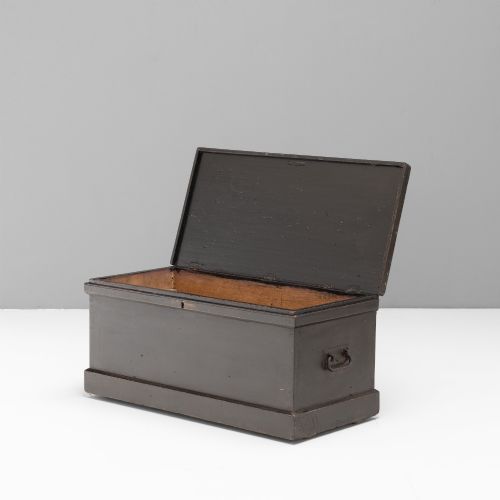
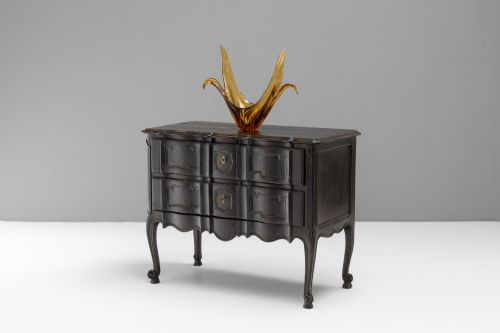
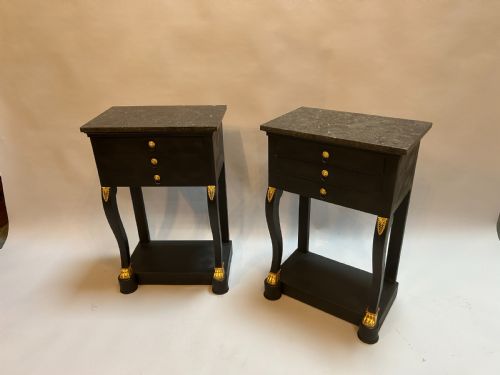
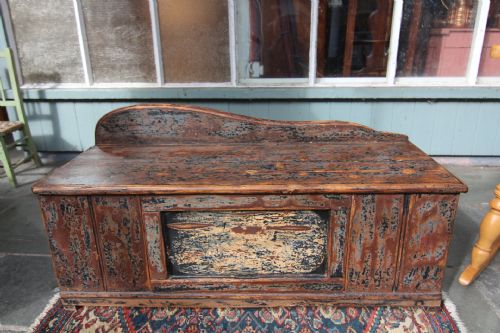
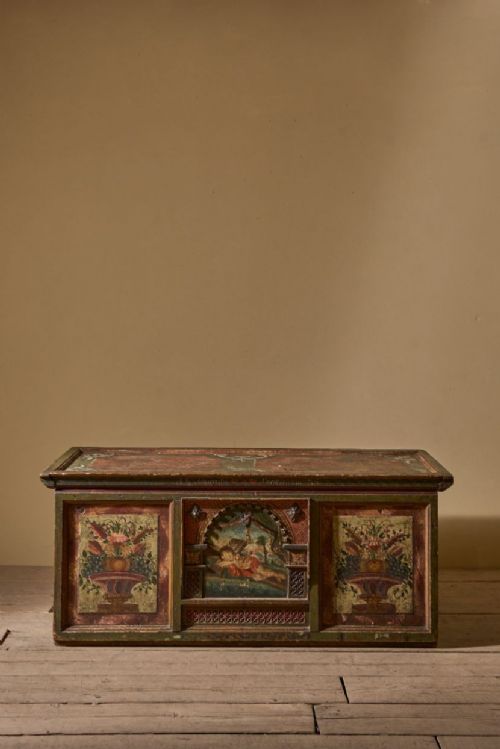
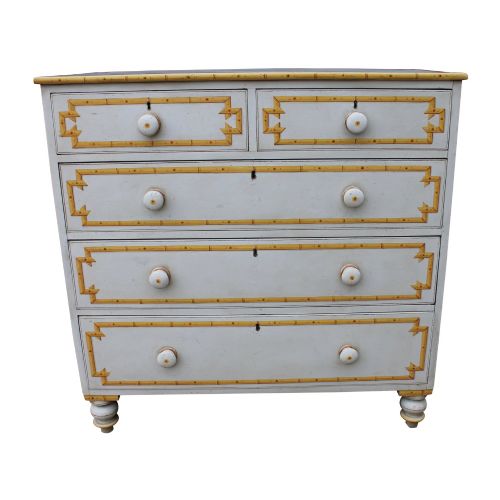
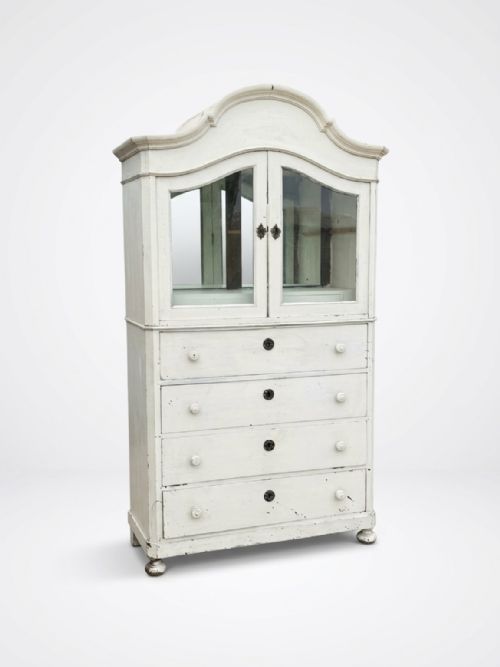
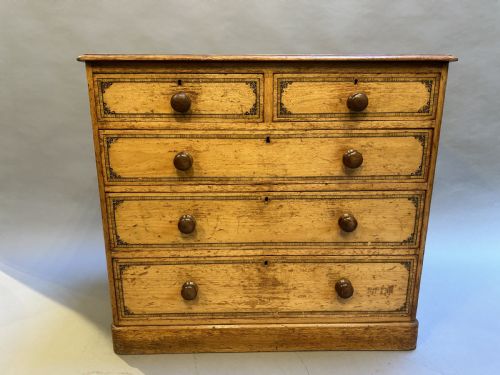
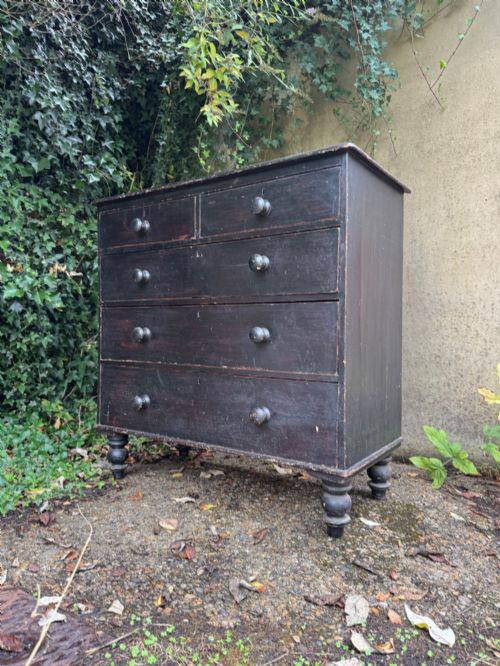
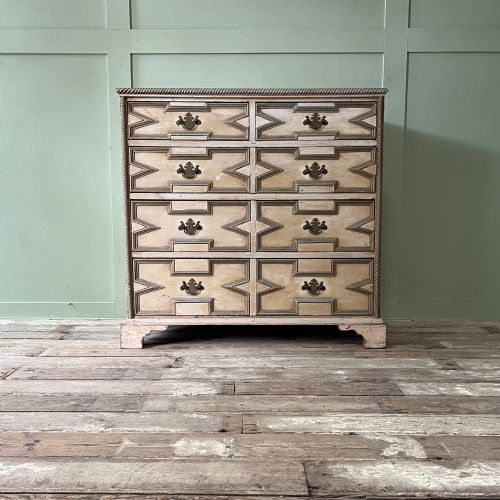
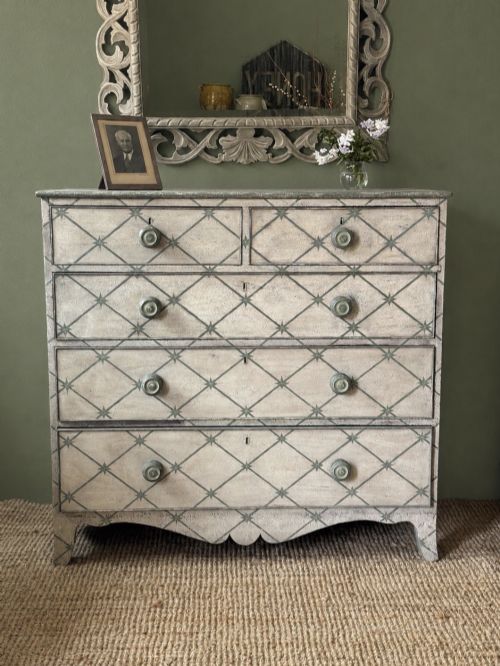
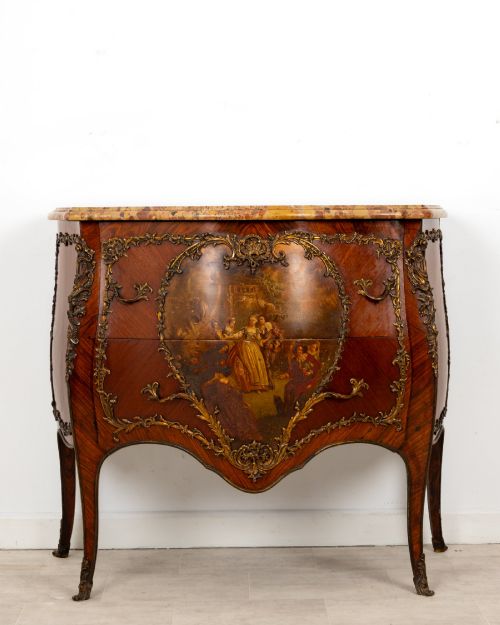
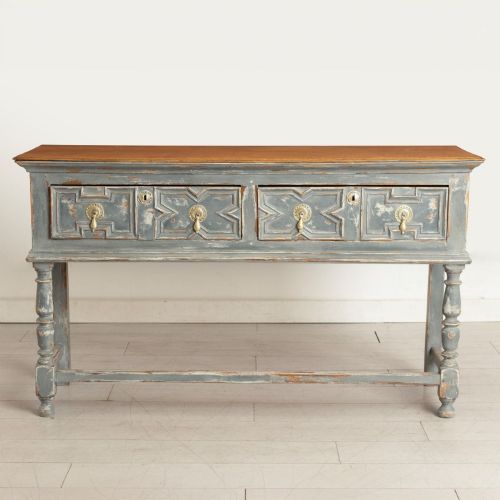
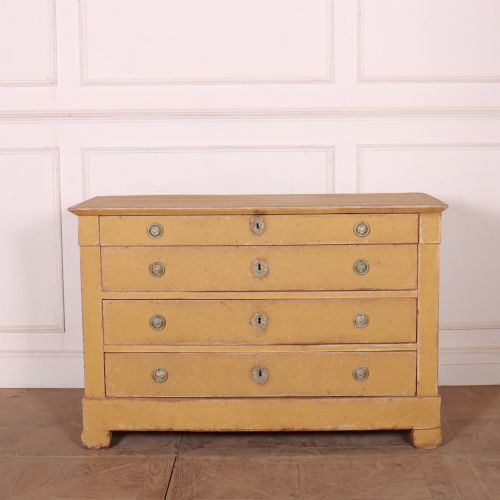
The term antique paint chest covers functional storage units finished with historical decorative surface treatments rather than exposed timber grain. Buyers seeking this phrase encounter domestic drawer units, provincial commodes, and utilitarian trunks originating from Georgian, Victorian, and Edwardian periods.
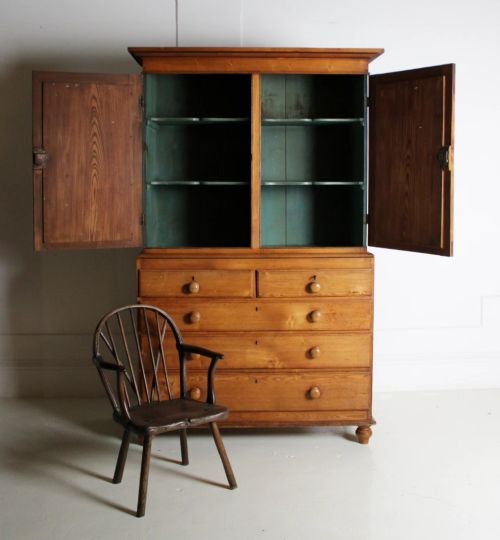
Pine remains the dominant wood for these pieces, often discovered in British, Swedish, and Hungarian regional workshops. Surviving examples range from simple domestic bedroom chests to specialised office units and campaign storage.
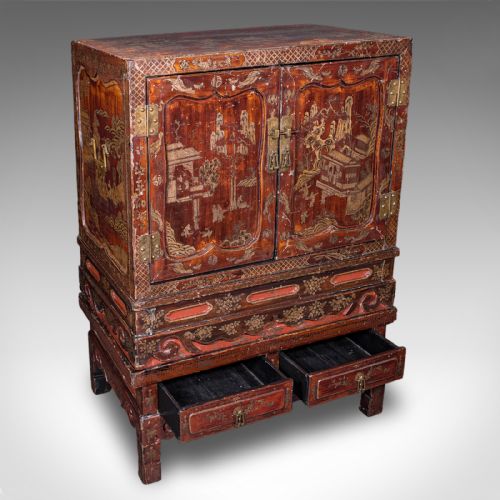
Surface finishes vary from plain scumble and regional folk motifs to sophisticated lacquer work and Chinoiserie detailing. Many pieces retain their initial decorative coatings applied decades or centuries ago.
Materials and construction methods
Carpenters utilised native softwoods like pine alongside harder timbers for framing, securing joints with traditional techniques before applying multiple layers of pigment. Iron strapwork, brass handles, and hand-forged hardware provided structural reinforcement and functional closure.
Decorative surfaces relied on oil-based paints, scumble glazes, and varnish layers applied directly to the wood substrate. Specialised finishes such as Vernis Martin or Japanned lacquer involved meticulous drying and polishing stages to achieve a hard, lustrous sheen.
Listings feature pine, oak, satinwood, and metal substrates finished with lacquer, paint, and brass fittings across multiple European origins.
Factors determining quality
The integrity of the original surface coat dictates much of the visual and historical merit in these items. Pieces retaining untouched historical pigment display patination and wear patterns that factory-applied or later modern coatings lack.
Joinery standards and hardware execution differentiate provincial utility items from high-style urban furniture. Smooth drawer movement, hand-beveled panels, and original forged iron or brass mounts indicate superior workshop production.
Sir Clough Williams-Ellis·Phil Smith·Thomas Matthews Rooke·Robert Winchester Fraser
The Antique Paint Chest Glossary
- Scumble paint
- A decorative glazing technique where a translucent darker paint is manipulated over a lighter base coat to imitate grain or texture. It was frequently used on utilitarian pine furniture.
- Vernis Martin
- An eighteenth-century European imitation of East Asian lacquerwork utilising resin-based varnishes. This technique created glossy, translucent panels often decorated with metallic dust.
- Commode
- A low French or continental cabinet or chest of drawers designed for domestic storage. These pieces frequently incorporate serpentine fronts or marble tops.
- Linen press
- A tall cupboard traditionally used for storing household textiles, combining upper shelving or hanging space with lower drawer units. They are often constructed from pine, ash, or mahogany.
Antique Paint Chest: Frequently Asked Questions
How do I clean an antique painted surface?
Maintenance requires minimal intervention using a dry, soft cloth to remove dust without disturbing the underlying pigment. Moisture and modern chemical solvents can lift historical paint layers.
Wax can occasionally be applied to sealed finishes for protection, but porous folk paint surfaces should remain untreated by commercial polishes.
What is scumble paint?
Scumble paint involves dragging or brushing a translucent glaze over a lighter base colour to create a faux wood grain or mottled texture. This technique added decorative depth to plain pine furniture.
Cabinetmakers utilised it to elevate domestic storage items affordably during the nineteenth century.
Where were these chests used historically?
These items served functional roles in bedrooms, kitchens, and administrative spaces for organising garments, documents, or household provisions. Provincial workshops produced sturdy pine versions for rural homes.
More refined lacquer or commode variants found places in formal drawing rooms and parlours.
How do I identify original paint?
Original pigment displays natural crazing, fine micro-cracking, and wear patterns consistent with age and domestic use. Examination under magnification often reveals underlying layers and ground preparation characteristic of historical periods.
Modern repaint jobs tend to sit uniformly on the timber without historical grime integration.