



Nineteenth Century Paint Box
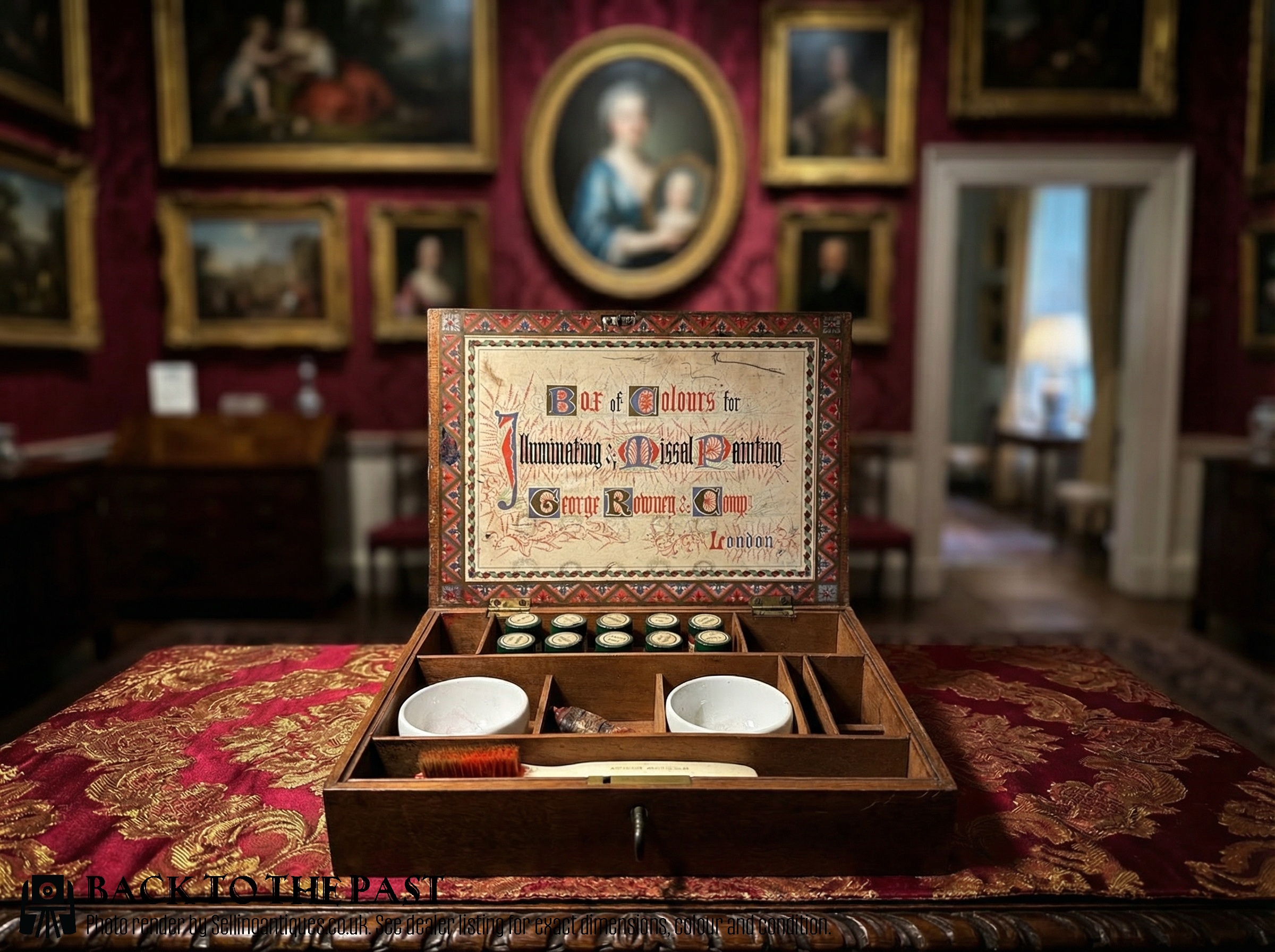
A nineteenth century paint box is a fitted wooden or papier-mâché case designed to hold artist pigments, brushes, and mixing trays for field or studio work.
Nineteenth Century Paint Box
When you search for a nineteenth century paint box, you are looking at utilitarian and decorative containers shaped by the drawing and painting habits of the Victorian and Regency periods. The examples found here demonstrate how artists and amateurs transported their colours, mixing surfaces, and implements before modern pre-mixed tubes dominated the market.
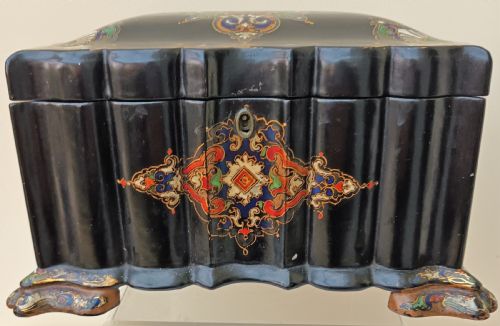
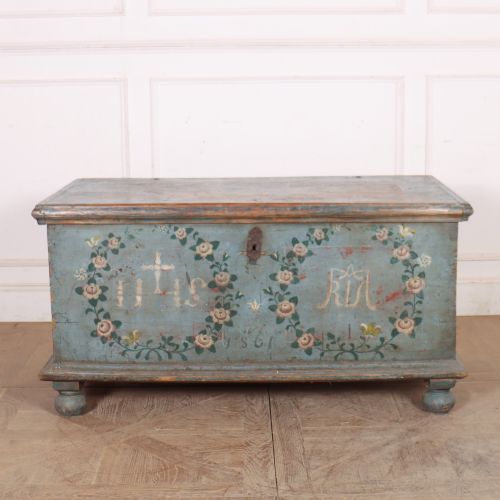
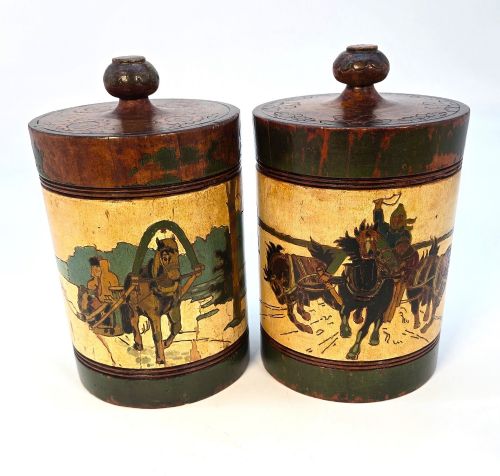
Most pieces encountered in this range span the Victorian and Regency eras, constructed primarily from pine, mahogany, or papier-mâché. They appear alongside related storage forms like tea caddies, jewellery boxes, and decorated chests, reflecting the widespread domestic and professional utility of lidded wooden containers in the eighteen-hundreds.
How they were made
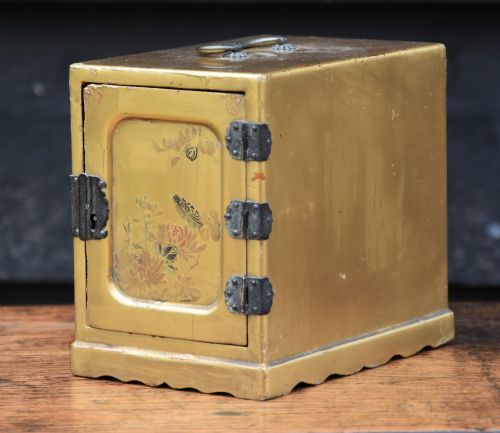
Makers constructed these boxes using traditional timber joinery, frequently employing pine, mahogany, or papier-mâché as the primary structural body. Surfaces received decorative treatments including hand-painted finishes, lacquering, or grained paint work to imitate more expensive woods or provide folk art decoration.
Internal arrangements relied on fitted wooden trays, dividers, and compartments designed to secure fragile glass or porcelain paint pans, iron hardware, and brass hinges. Craftspeople integrated brass locks, campaign handles, and inlaid details to ensure durability during travel.
Victorian artists frequently tucked spare bone paper knives and stray quills into the secret recesses of their sketch boxes.
What varies in quality
Quality in a nineteenth century paint box depends on the integrity of the internal fittings, the survival of original paint or lacquer, and the precision of the carpentry. Better examples retain their complete set of internal compartments, original glass or porcelain mixing tiles, and uncompromised hinges and locks.
The sophistication of the exterior finish also distinguishes finer pieces, whether through skilled hand-painting, detailed japanning, or carefully managed wood graining. Plain utility boxes sit at one end of the spectrum, while highly decorated or fitted boxes intended for professional artists represent the other.
The Nineteenth Century Paint Box Glossary
- Papier-mâché
- A composite material made from paper pulp or layers of paper glued, pressed, and dried into shape. It was frequently used for small boxes and finished with lacquer or painted decoration.
- Treen
- Small handmade wooden household objects and utensils. The term covers boxes, containers, and turned items valued for their material and utilitarian craftsmanship.
- Japanning
- A European imitation of East Asian lacquer work popular on furniture and boxes. It involved layering varnishes and heat-curing the surface.
- Scumbled
- A paint technique where a translucent layer of colour is brushed over a lighter base coat to create a textured, mottled appearance.
- Sucrier
- A small covered container designed for holding sugar, often made of porcelain and matching tea service components.
Nineteenth Century Paint Box: Frequently Asked Questions
What went inside a nineteenth century paint box?
These boxes typically contained dry pigment cakes, porcelain or glass palettes for mixing, small ceramic saucers for water, and compartments for brushes and quills.
Artists would grind pigments and mix them with binders inside the box before applying them to paper or canvas.
How do I date a paint box?
Dating relies on the construction methods, the materials used, and the style of any exterior decoration or hardware. Regency boxes often feature mahogany with fine brass inlay, while Victorian examples frequently utilise scumbled paint, pine, or papier-mâché.
Internal layouts also shift over the decades to accommodate changing supplies like metal paint tubes.
Were these boxes for professionals or amateurs?
Makers produced paint boxes for both professional artists and wealthy amateurs who practiced watercolour sketching as a polite accomplishment. Simpler pine boxes suited field work, while elaborately fitted mahogany or papier-mâché cases belonged in the studio or drawing room.
Many portable boxes were specifically designed for travel and outdoor sketching.
How should I clean a painted box?
Painted and lacquered surfaces require gentle dusting with a soft, dry cloth to avoid lifting fragile pigments or varnishes. Moisture and modern cleaning chemicals should be kept away from historic painted finishes.
Preserving the original surface texture and patina is essential for maintaining the character of the piece.