


Brown Wooden Paint Box
A brown wooden paint box brings tactile history to your desk, offering a practical vessel for pigments with period character.
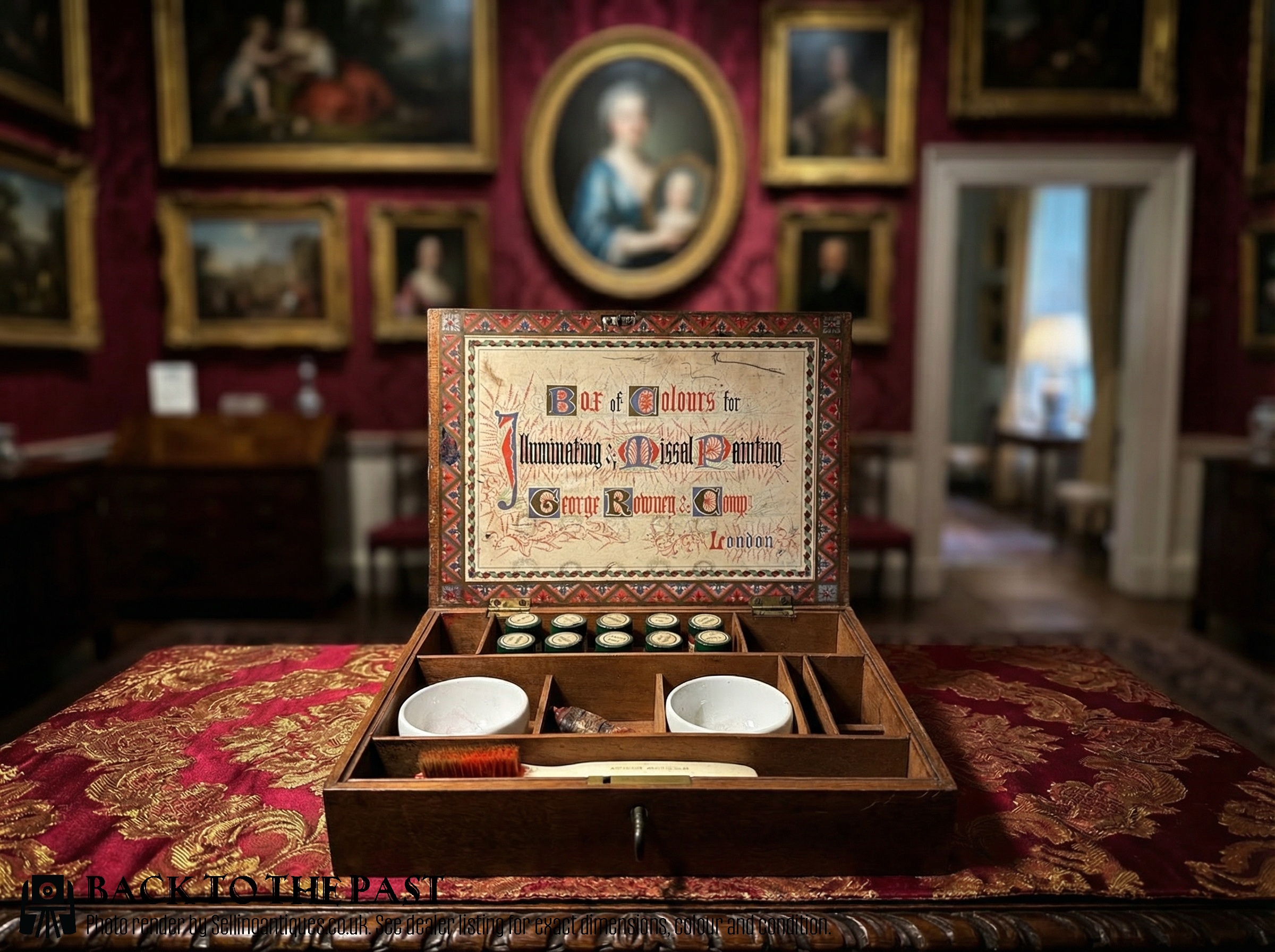
Brown Wooden Paint Box
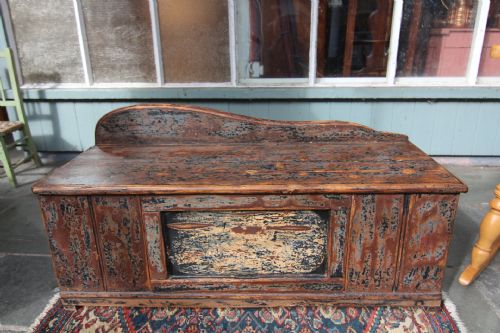
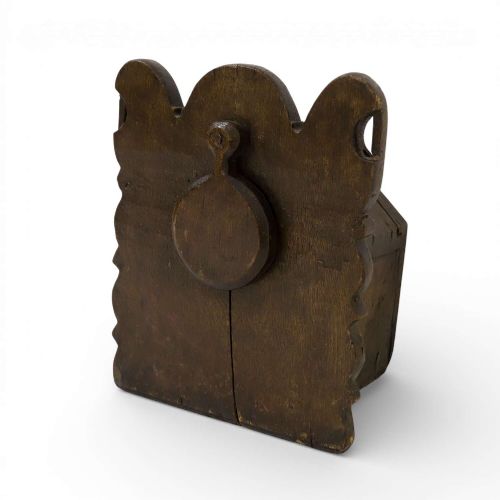
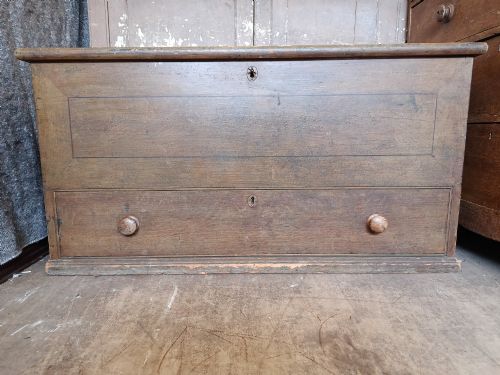
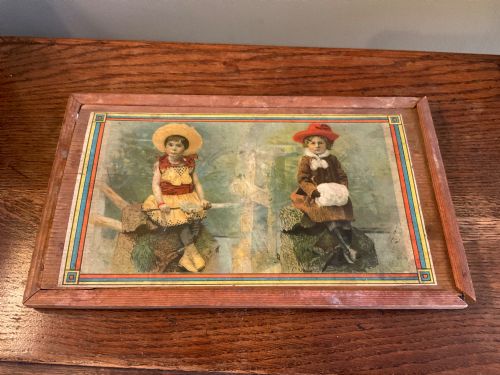
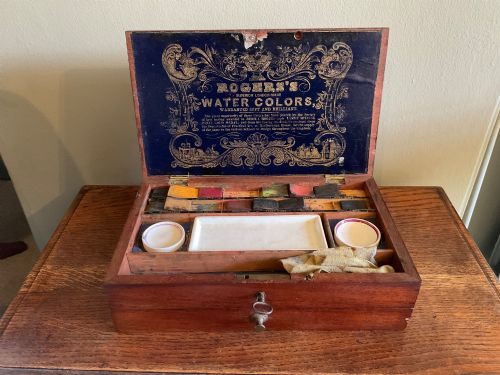
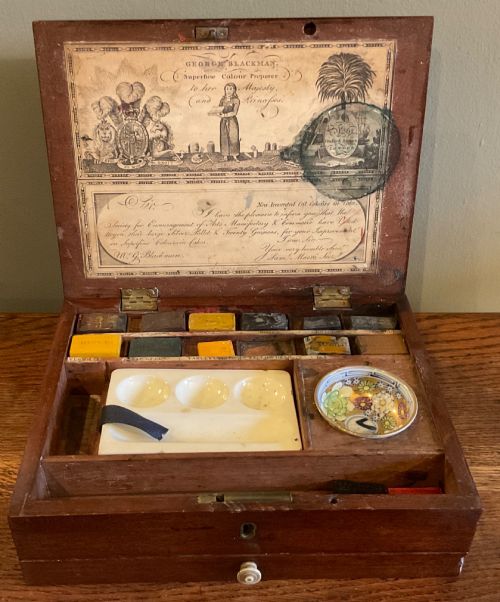
A brown wooden paint box serves as a utilitarian container for creative work, often taking the form of a fitted artist box designed for travel or studio use. When you search for a brown wooden paint box, you encounter pieces spanning the Georgian, Regency, and Victorian eras, alongside robust nineteenth-century storage chests and smaller tabletop boxes.
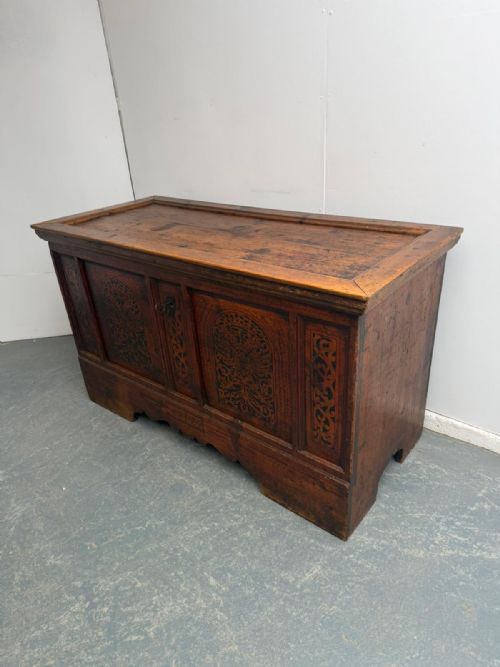
These items emerge from diverse traditions, ranging from English mahogany artist boxes by makers such as George Blackman to Scandinavian country pieces and pine storage chests with painted finishes. The selection balances small watercolour sets with larger blanket boxes, coffers, and travel trunks constructed from foundational woods.
Materials and construction methods
Makers utilised sturdy timbers such as pine, oak, mahogany, and satinwood to build these boxes, often reinforcing joints with iron hardware and brass fixtures for durability. Surfaces frequently received a layer of paint, scumbling, or penwork decoration to alter the appearance of the underlying wood.
Interior fittings were tailored to purpose, incorporating compartments for pigments, brushes, and accessories in watercolour sets or apothecary boxes. Traditional carpentry techniques ensure the box structures withstand decades of opening and closing.
Listings feature items built from pine, mahogany, oak, and satinwood, spanning the Georgian, Regency, and Victorian periods.
Distinguishing quality across examples
The degree of preservation in the original painted finish or surface patina separates standard containers from superior examples. Boxes retaining untouched decorative schemes, gilt details, or regional folk art motifs command greater interest among collectors.
The integrity of internal divisions, original brass hinges, and functional locks indicates the level of craftsmanship invested in the piece. Well-preserved maker labels or attributed workshop origins further elevate the standing of an individual box.
George Blackman·Rogers
The Brown Wooden Paint Box Glossary
- Scumble
- A decorative painting technique where a translucent glaze is dragged over an opaque base coat to simulate wood grain or texture. This method was widely applied to Victorian pine furniture and storage boxes.
- Penwork
- An intricate decorative technique using ink applied to wood or other surfaces to create geometric or pictorial designs. It appears on finer Regency games and keepsake boxes.
- Mule chest
- A storage chest featuring one or more drawers at the base beneath a hinged lid compartment. These pieces are frequently found in pine or oak from the eighteenth and nineteenth centuries.
- Tea caddy
- A small lidded box originally designed to store loose tea leaves securely. Georgian examples in mahogany often exhibit fine cabinetmaking and internal compartments.
- Coffer
- A heavy wooden chest traditionally used for storing valuables or dry goods. Hungarian and British examples often display robust iron hardware and original painted finishes.
Brown Wooden Paint Box: Frequently Asked Questions
What fits inside an antique artist box?
These fitted boxes typically housed watercolour cakes, ceramic palettes, small glass jars for water, and various animal-hair brushes. Interior compartments kept fragile pigment cakes secure during transit.
Larger studio boxes accommodated mixing trays and sketching tools, while travel versions prioritized compact arrangements for outdoor painting.
How do I care for painted wooden boxes?
Keep wooden boxes away from direct sunlight and fluctuating radiator heat to prevent the timber from warping and the historic paint from flaking. Dust gently with a dry, soft cloth without applying modern chemical polishes.
Wax can be used sparingly on unpainted hardwood surfaces, but painted finishes require caution to preserve original pigments.
Are these boxes suitable for daily storage?
Sturdy pine chests and strong boxes function well for organising household items, blankets, or keepsakes while adding period character to a room. Their robust construction supports practical everyday use.
Delicate watercolour sets and penwork boxes are better suited for display or careful curation due to their age and fragile internal partitions.
How can I tell a Georgian box from a Victorian one?
Georgian pieces often emphasise clean mahogany grains, subtle brass pulls, and restrained classical proportions. The craftsmanship prioritizes refined joinery and understated elegance.
Victorian examples frequently introduce bolder treatments such as scumbled pine, heavy metal-bound edges, and vibrant painted or gilt decorations reflecting industrial-era diversity.