
Vintage Paint Chest
A vintage paint chest brings authentic colour and character to a room, offering practical storage with layers of history in the finish.
Vintage Paint Chest
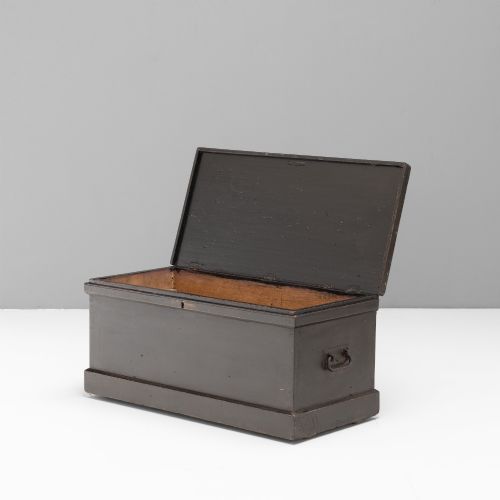
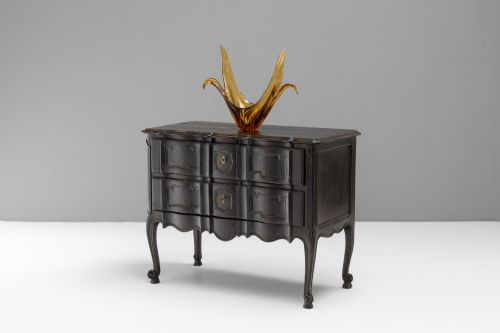
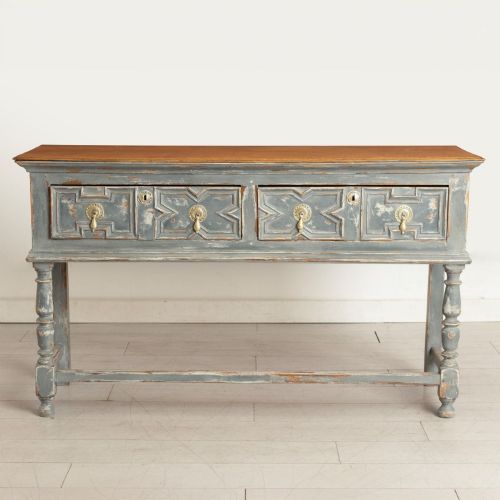
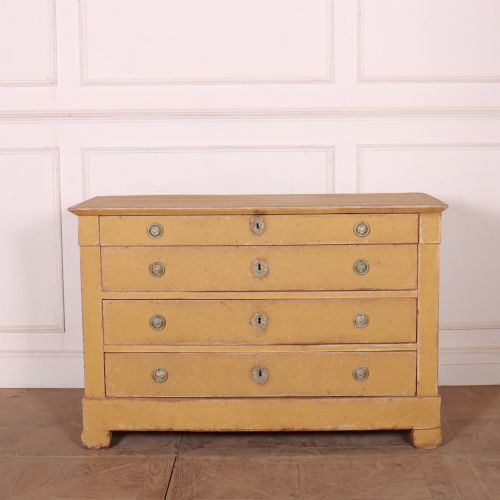
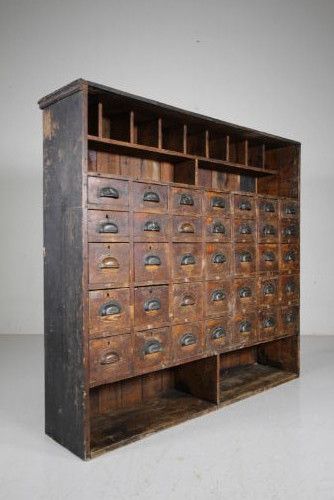
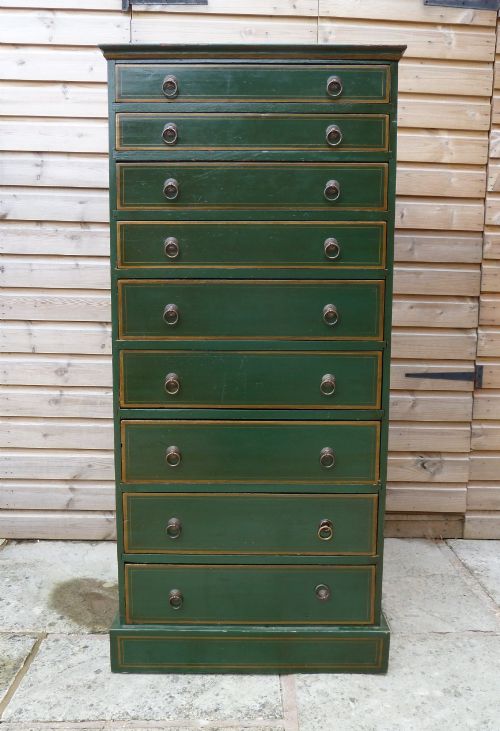
When buyers search for a vintage paint chest, they encounter a diverse selection of storage forms that span multiple centuries and regional workshops. These pieces include sturdy chests of drawers, utilitarian office chests, and bedside cabinets finished in historic decorative coatings.
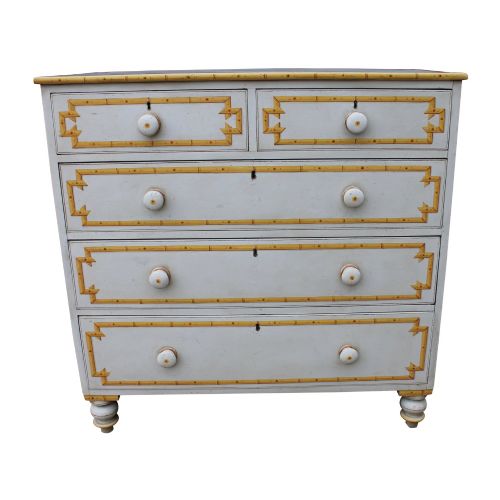
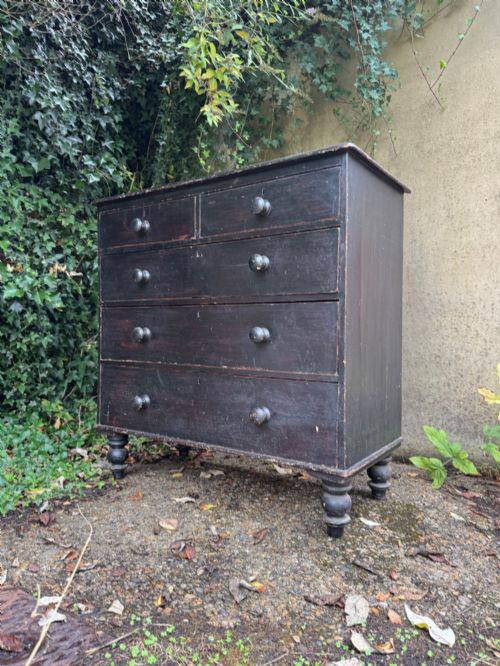
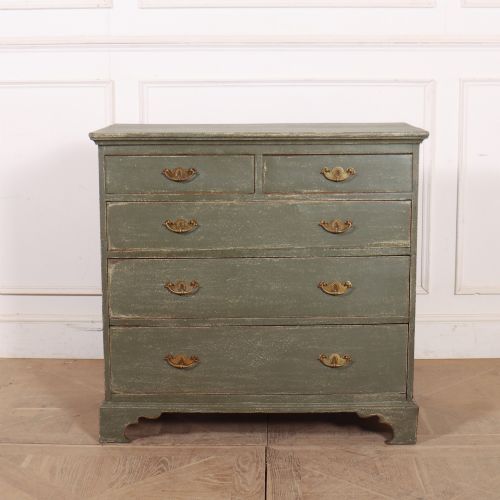
The most common examples on this page are pine chests of drawers and commodes originating from the nineteenth century. Makers fashioned these utilitarian and domestic items from accessible timbers, applying layers of pigment that survived decades of daily use.
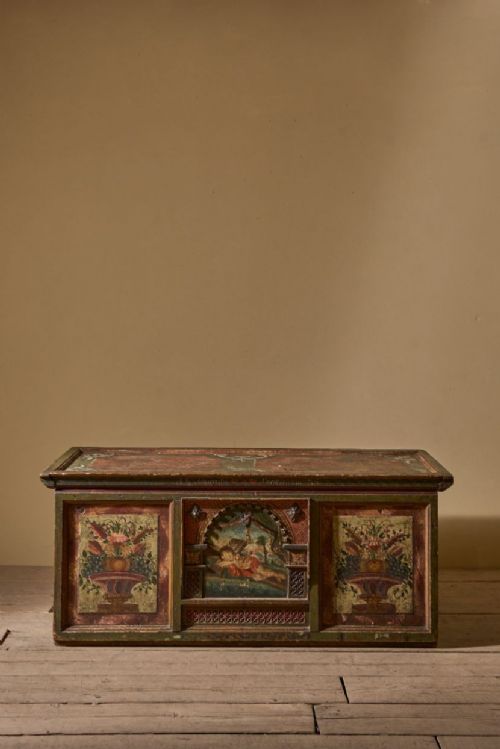
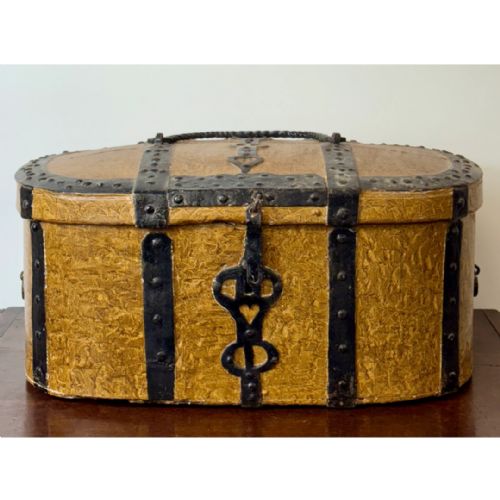
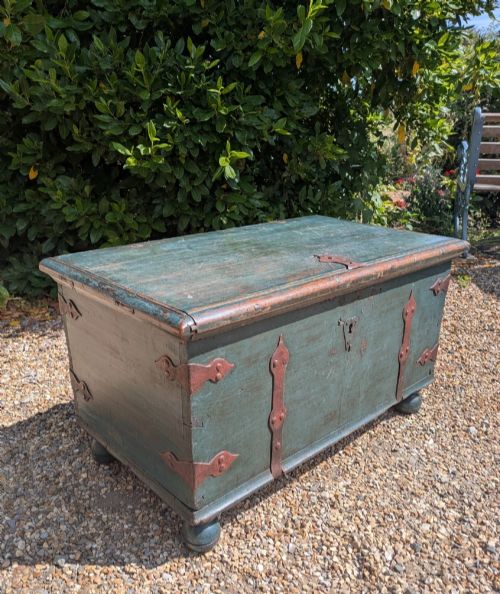
Beyond standard drawer units, the selection encompasses folk art trunks, linen presses, and bedside tables reflecting Victorian, Regency, and continental country styles. Each form provides robust storage while displaying the distinct marks of its original domestic or institutional context.
Materials and construction
Carpenters built the carcases of these items primarily from solid pine, oak, and teak, joining boards with traditional dovetails and tongue-and-groove methods. Metal hardware such as hand-forged iron strapwork and brass handles provided structural reinforcement and secure closures for heavy transport.
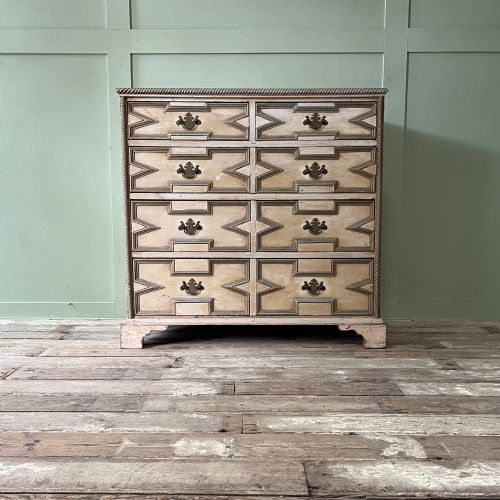
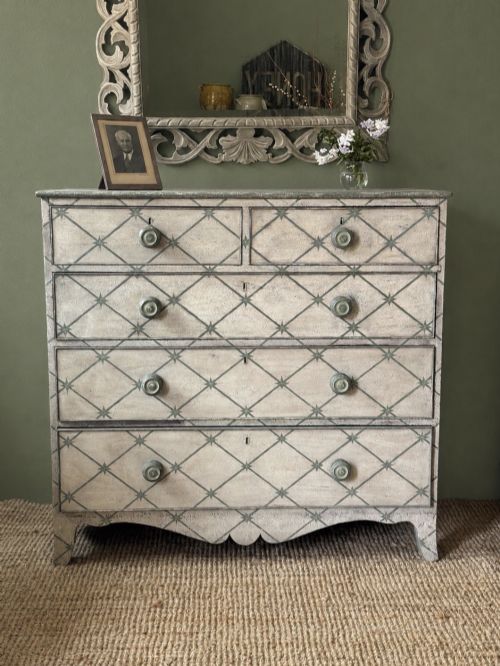
Makers applied oil or water-based paints directly to the wood, sometimes layering colours or employing scumble techniques to imitate finer grained timbers. This original paint surface often underwent decades of wear, creating a crackled patina that records the piece's long history.
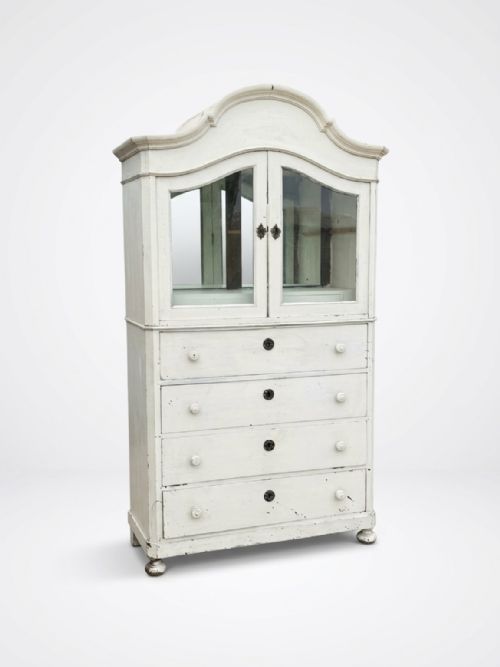
The inventory includes diverse regional forms such as Swedish bonnet top cabinets, French commodes, and English campaign chests.
Evaluating quality and authenticity
Quality rests upon the integrity of the original paint surface and the honesty of the timber construction beneath. Pieces retaining their early or original decorative finish command greater interest from collectors than those stripped down or repeatedly repainted in modern times.
Construction details also dictate value, distinguishing vernacular provincial work from refined cabinetmaking. Sound structural joints, original hardware, and untouched interior surfaces separate superior regional pieces from lesser domestic utility items.
Sir Clough Williams-Ellis
The Vintage Paint Chest Glossary
- Scumble paint
- A decorative technique where translucent glaze is manipulated over a lighter base coat to simulate wood grain or create textured depth. This method was widely used on nineteenth-century housekeepers' cupboards.
- Commode
- A low cabinet or chest of drawers, often featuring serpentine fronts and associated with French and German provincial rooms. These decorative storage pieces frequently display sophisticated painted finishes.
- Campaign chest
- A portable packing case or set of drawers split into sections for military transport during the nineteenth century. These items typically feature recessed brass handles and reinforced corners.
- Linen press
- A tall storage cabinet featuring upper doors enclosing sliding trays and lower drawers for textiles. They often appear in painted pine and country vernacular styles.
- Serpentine
- A furniture front characterised by a wavy outline with a convex centre flanked by concave curves. This shaping requires skilled carpentry and appears on finer eighteenth and nineteenth-century commodes.
Vintage Paint Chest: Frequently Asked Questions
What is a vintage paint chest?
A vintage paint chest is a utilitarian or decorative storage unit finished with historic layers of pigment rather than exposed wood. These pieces range from nineteenth-century pine drawers to regional folk art trunks.
Buyers choose them to introduce genuine age, texture, and colour into contemporary interiors. Each chest carries the visual evidence of its past use through worn and patinated surfaces.
How do I care for original paint?
Preserving an original paint surface requires gentle maintenance away from direct sunlight and excessive moisture. Dust the wood lightly with a dry microfibre cloth and avoid harsh chemical cleaners.
Wax or oil treatments are generally unnecessary on historic painted finishes. Maintaining stable room temperatures prevents the underlying timber from expanding and cracking the historic paint layer.
Are these chests structurally sturdy?
Nineteenth-century and earlier chests were built using solid timbers and traditional joinery designed for heavy daily use. Drawers generally slide smoothly, though slight movement can occur due to age and environmental changes.
Most pieces remain fully functional for modern storage requirements. Inspecting the joints and base construction confirms the physical stability of each individual chest.
How can I tell the period?
Dating a painted chest involves examining the timber preparation, hardware, and structural assembly methods. Hand-forged iron strapwork, dovetail joints, and cut nails indicate nineteenth-century or earlier craftsmanship.
The style of the painted finish and regional cabinetmaking characteristics also provide clear clues. Gustavian, Victorian, and Regency examples each display distinct decorative vocabularies and proportions.