



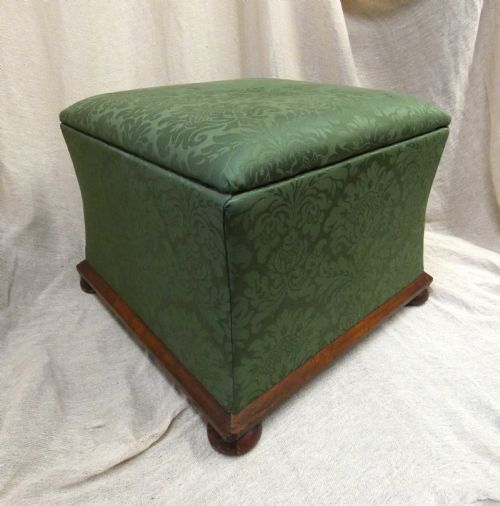
Vintage Padded Ottoman
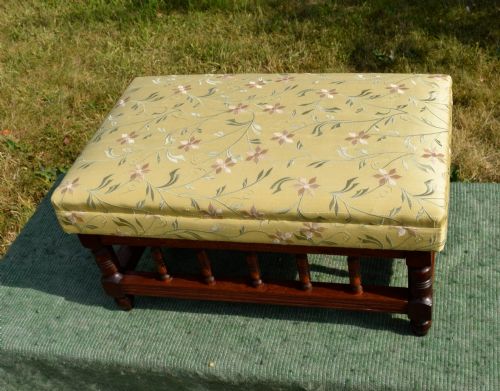
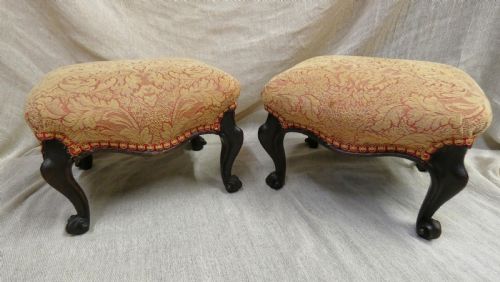
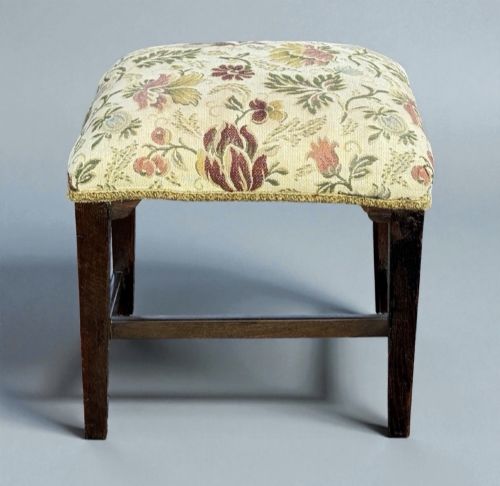
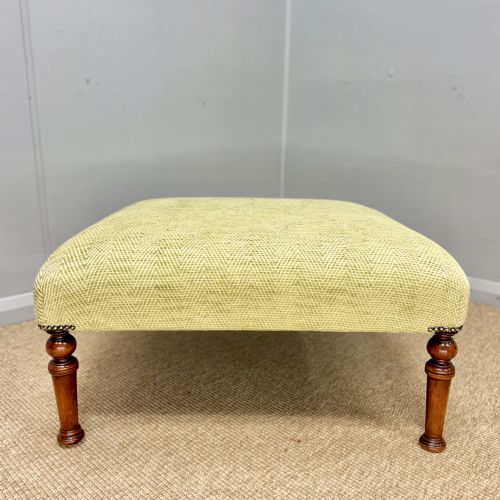
A vintage padded ottoman provides comfortable resting places and period character, bringing traditional upholstery and timber frames into sitting rooms.
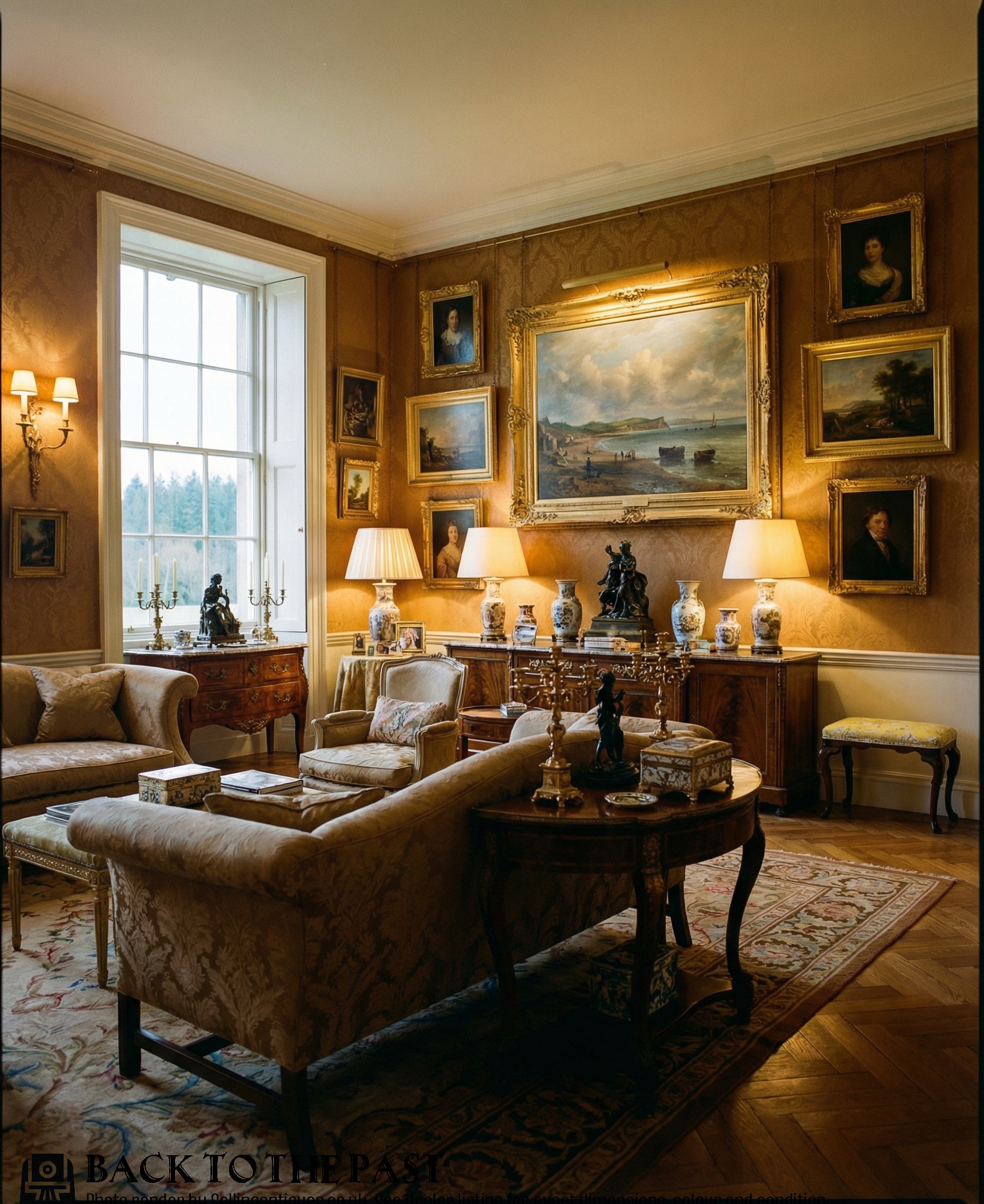
Vintage Padded Ottoman
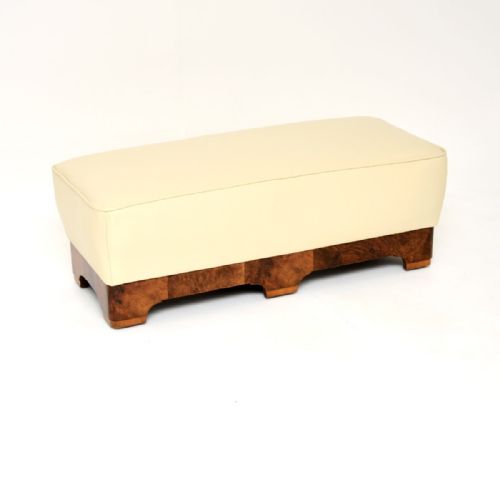
A vintage padded ottoman brings together low seating and upholstered comfort across various historical periods. When searching for a vintage padded ottoman, buyers encounter pieces ranging from Victorian carved walnut frames to Art Deco burr walnut designs.
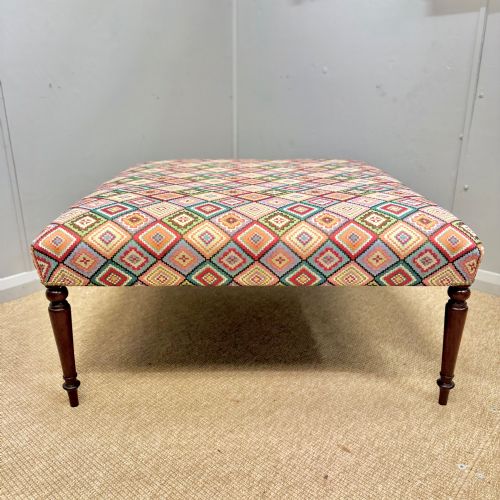
The selection includes low footstools, dressing table stools, and larger centre pieces designed for principal rooms. These items span the nineteenth century up to the nineteen-thirties, showing diverse influences from Anglo-Indian craftsmanship to French revivals.
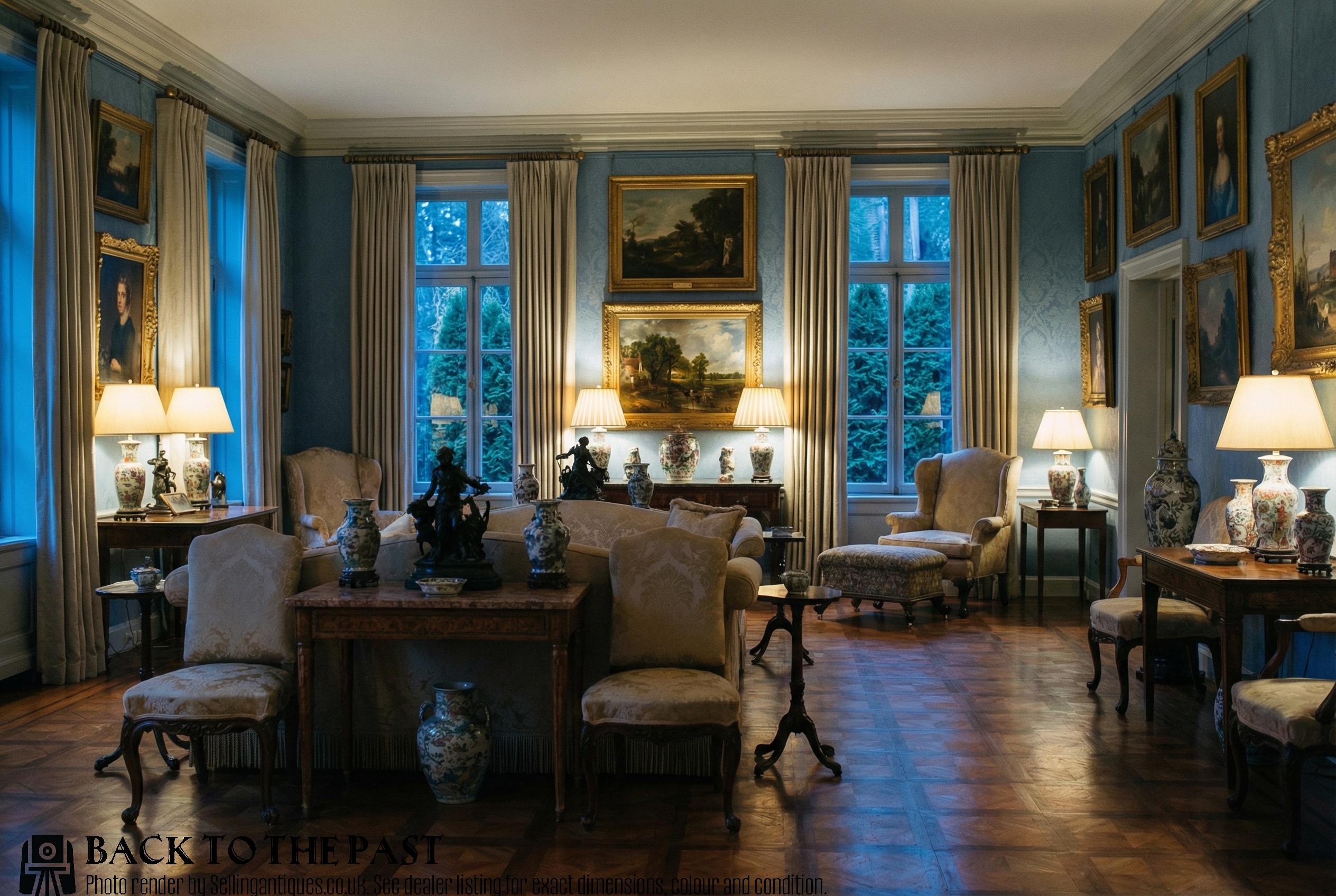
Materials and construction
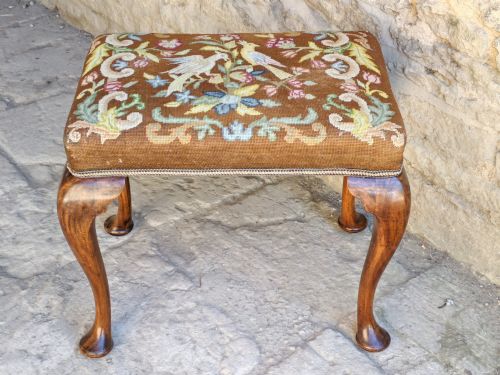
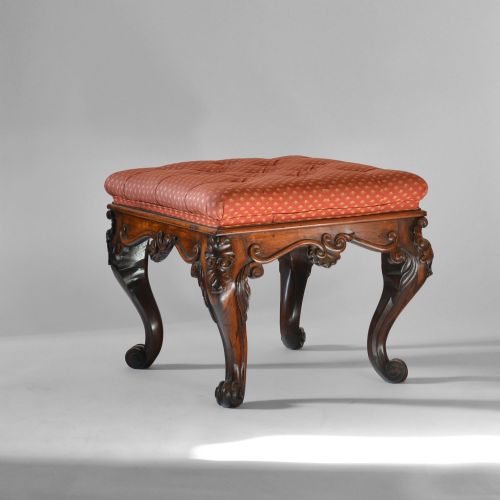
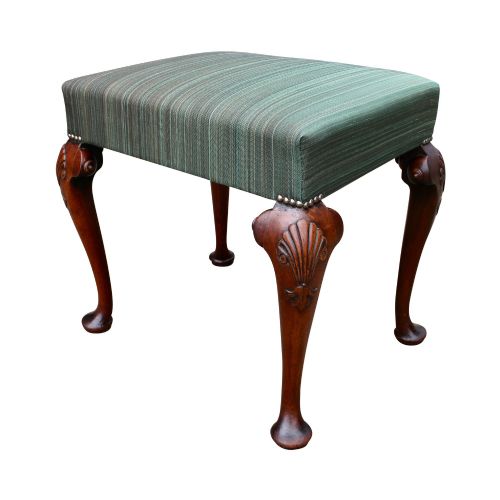
Frames rely on dense hardwoods such as mahogany, walnut, rosewood, and birch, often shaped with carved details or cabriole legs. Wood surfaces receive polish or paint finishes that highlight the natural grain.
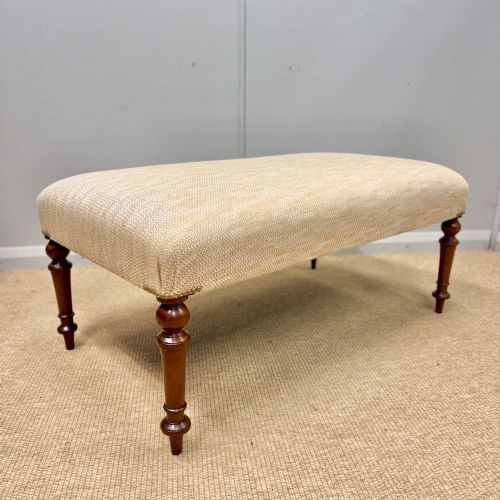
Upholstery incorporates fabric, leather, velvet, tapestry, and needlework, secured over padded interiors. Details such as buttoning, herringbone patterns, and woven rattan appear across different periods and regional styles.
Vintage Padded Ottoman Retail Price Guide 2026
Typical asking prices for vintage padded ottoman among the pieces listed under this phrase on Sellingantiques today, from the lower quarter to the upper quarter. They describe what is for sale here now, not the wider market.
The inventory records diverse stylistic influences, including Anglo-Indian woodwork, French revivals, and Art Deco design.
Judging the quality
Quality rests upon the construction of the timber frame and the precision of the joinery. Solid hardwoods and hand-carved ornamentation indicate superior craftsmanship compared to simpler secondary woods.
The execution of the upholstery and the selection of covering materials further distinguish the pieces. Finer examples display meticulous needlework, hand-dyed leather, or tightly woven textiles applied to sturdy, well-proportioned structures.
The Vintage Padded Ottoman Glossary
- Ottoman
- A low upholstered seat or footstool typically lacking arms or a back. These pieces function as independent footrests or centre seating.
- Cabriole leg
- A furniture leg that curves outward and then tapers inward, finishing in a pad or foot. This form appears frequently on eighteenth-century and revival stools.
- Needlework
- Decorative stitching executed on canvas or fabric using yarn or thread. Needlework covers often feature geometric or floral patterns.
- Cross stretcher
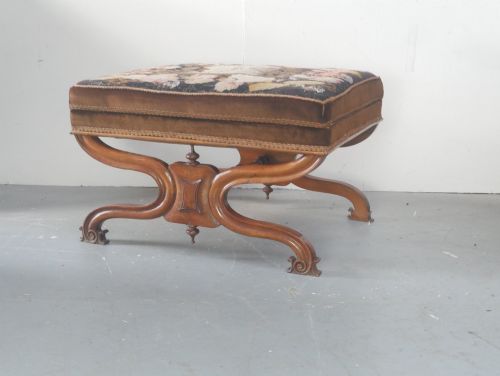
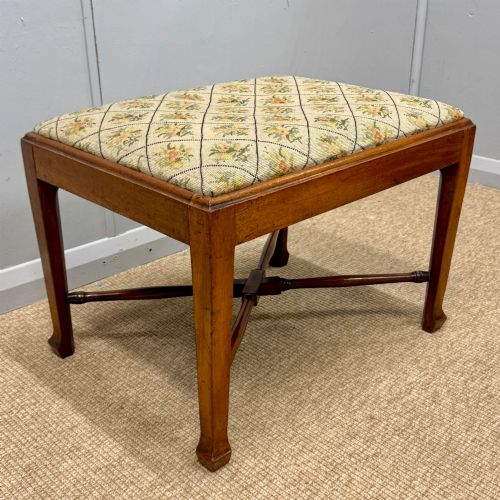
- A structural wooden brace connecting the legs of a stool diagonally for added stability. It frequently incorporates a central decorative boss or turning.
Vintage Padded Ottoman: Frequently Asked Questions
What is an ottoman?
An ottoman is a low upholstered seat or footstool designed without a back or arms. They serve multiple purposes within a room, acting as footrests, occasional seating, or centre tables.
Historically, these pieces accompanied armchairs and dressing tables or stood alone in large reception rooms. Their padded surfaces provide tactile comfort while introducing period textiles into an interior scheme.
How do I date a Victorian stool?
Dating a Victorian stool involves examining the timber species, carved ornamentation, and upholstery techniques. Walnut and rosewood frequently indicate mid-to-late nineteenth-century manufacture.
Stylistic revivals during the period often borrow motifs from earlier eras, such as Queen Anne or Louis XIV designs. Inspecting the construction methods underneath helps confirm the period of origin.
Where should I place a centre stool?
A centre stool works best in the middle of a spacious room or library where it can be approached from all sides. These larger pieces offer substantial seating capacity and anchor a furniture arrangement.
They pair well with low tables and surrounding armchairs, providing an accessible surface for resting feet or casual seating. Placement should allow clear circulation space around the frame.
Are these stools suitable for daily use?
These upholstered stools are built with solid hardwood frames designed to withstand regular domestic use. Traditional joinery ensures structural stability over generations of sitting and resting.
Leather and durable fabric coverings handle everyday wear effectively. Routine maintenance keeps the timber surfaces and padded tops in sound condition.