
Vintage Oval Glass
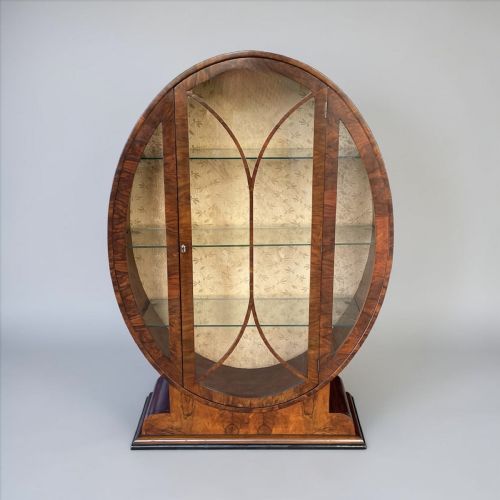
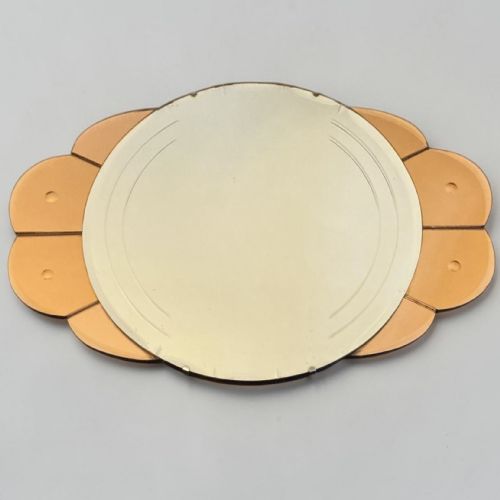
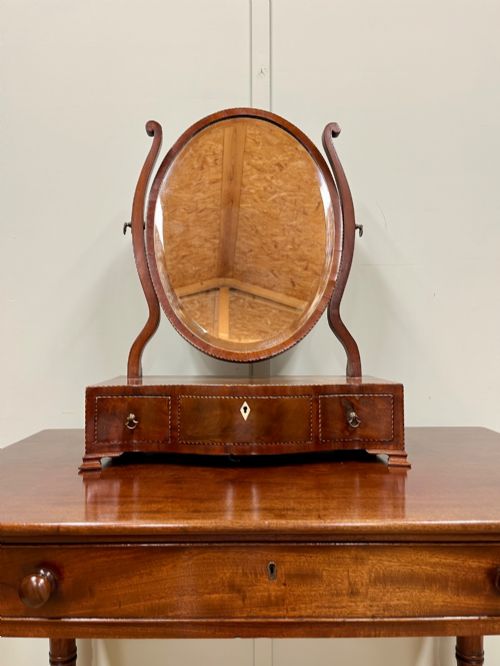
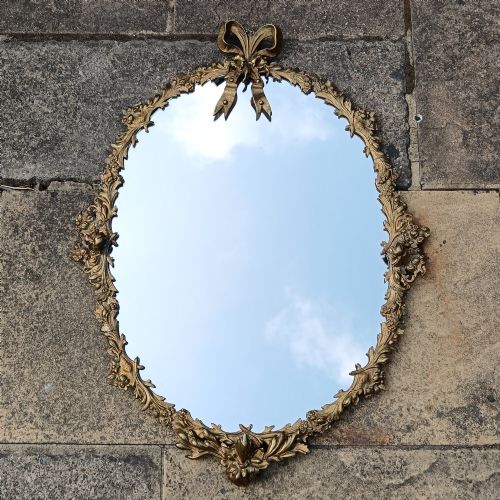
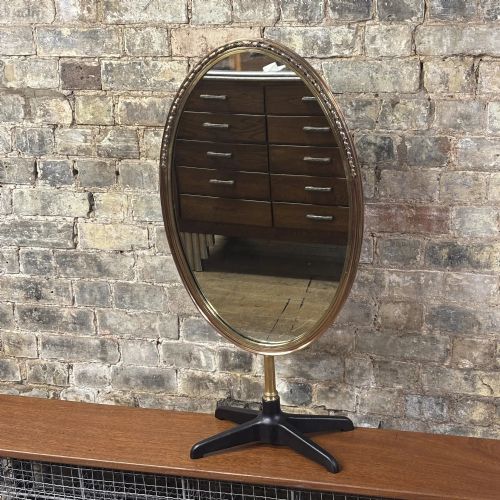
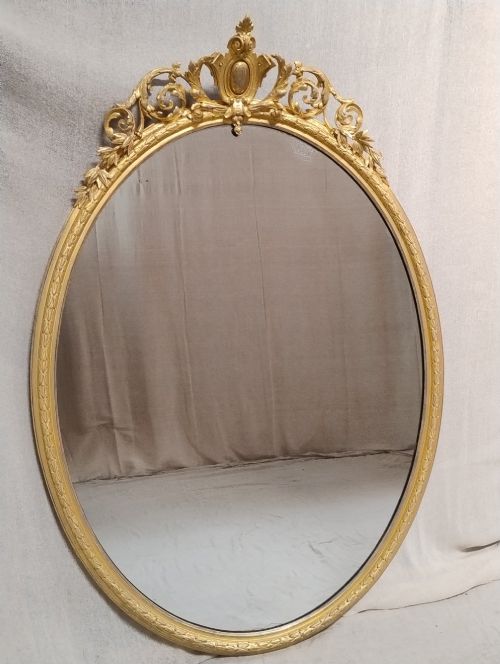
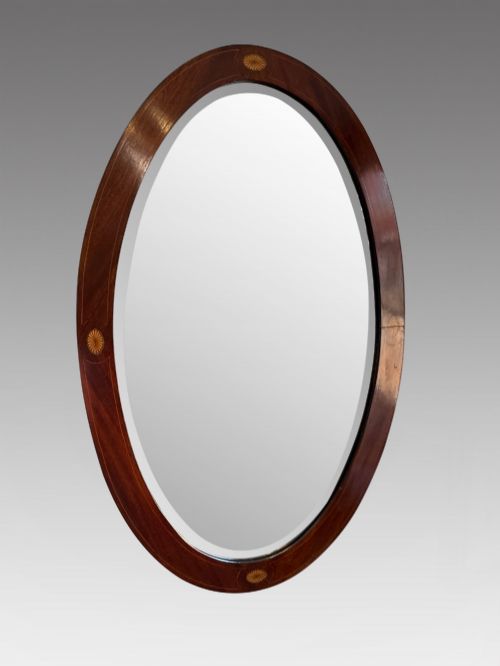
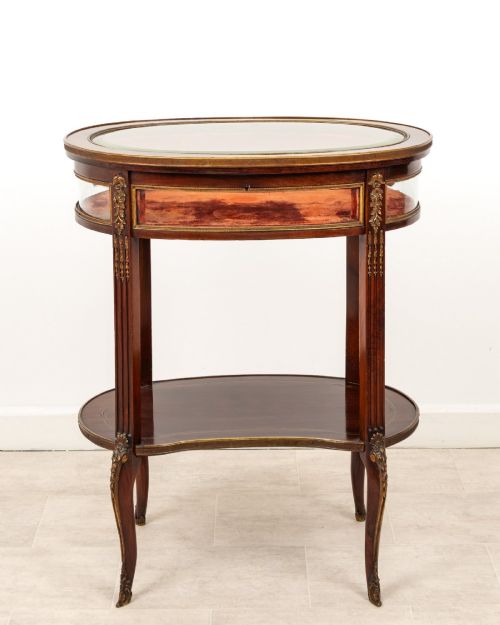
These vintage oval glass pieces range from Georgian dressing mirrors to Art Deco display cabinets.
Vintage Oval Glass
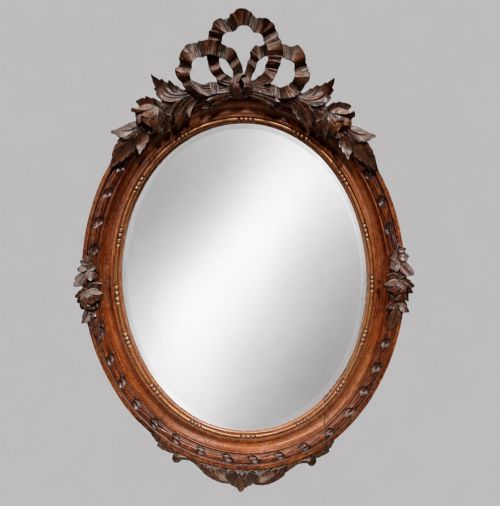
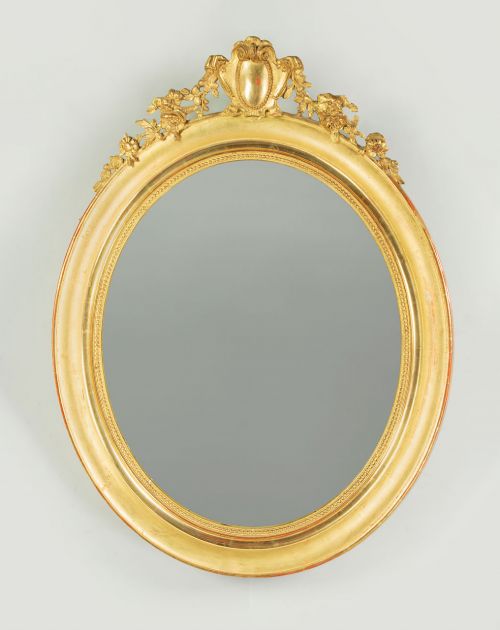
When you search for vintage oval glass, you encounter a varied selection of mirrors, cabinets, and small decorative items spanning several centuries. Wall mirrors and dressing table mirrors dominate the selection, shaped in distinct curves defined by wood, brass, or gilt frames.
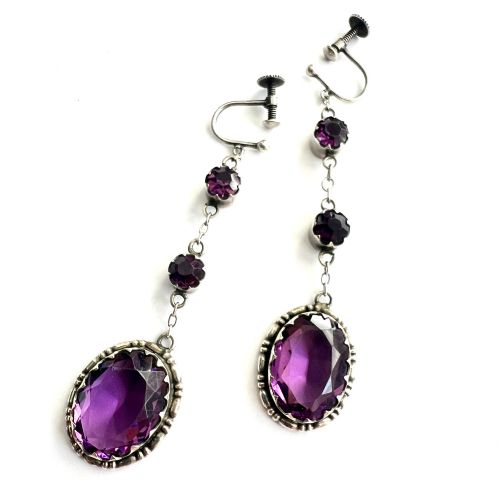
The objects originate from periods including the eighteenth century, the Victorian era, the Edwardian period, and the 1930s. Alongside mirrors, the listings include display tables, jewellery, and silver-mounted boxes featuring glass elements.
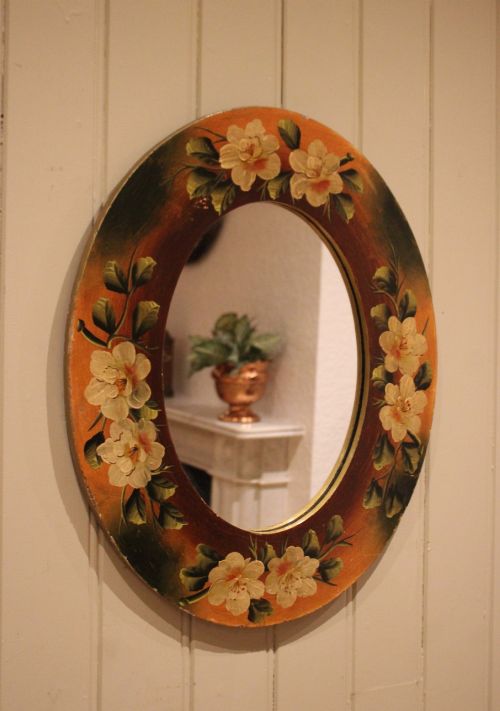
French and English origins appear frequently, bringing distinct decorative details such as floral paintwork, mahogany crossbanding, or neoclassical carving. Buyers often find pieces that served practical daily functions in period interiors, now repurposed for contemporary rooms.
How they were made
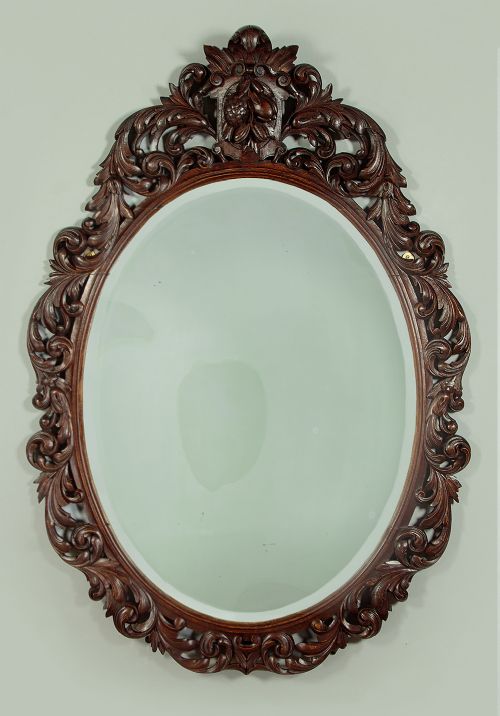
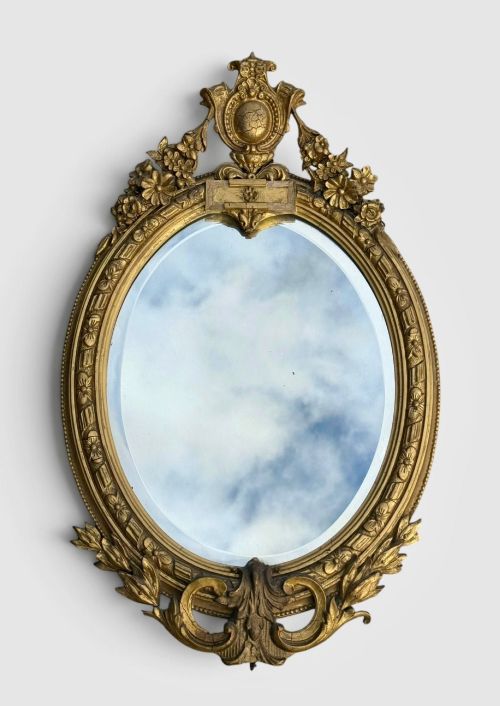
Makers utilised traditional woodworking techniques, constructing frames from solid mahogany, oak, and carved giltwood with gesso preparation. Joinery methods varied by period, from Georgian cabinetwork to late nineteenth-century cast bronze and brass framing.
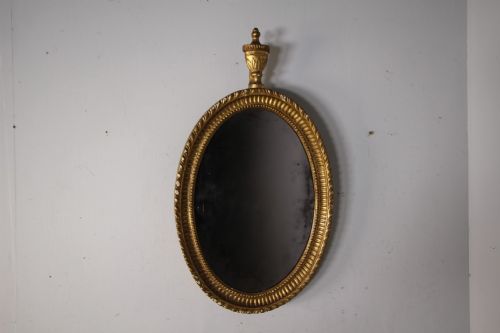
Glass plates were silvered using older mercury methods or later bevelled techniques, set within rebated frames alongside original backing boards and fixings. Decorative surfaces received hand-applied gilt, floral painting, or inlaid wood banding to accentuate the curved outlines.
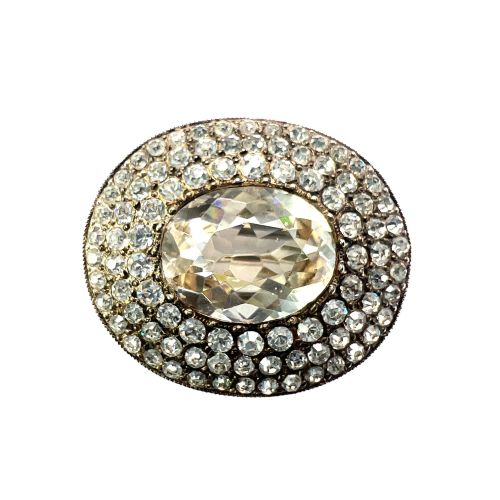
A seventeenth-century mirror sits alongside Edwardian paste brooches, proving that small glass treasures and massive wall frames share identical heritage.
What varies in quality
The standard of carving and the crispness of applied gesso ornamentation set exceptional frames apart from simpler production pieces. Hand-carved giltwood and detailed brass or bronze mounts demonstrate superior artisan skill compared to plain wooden mouldings.
The preservation of original mirror plates, such as early mercury glass, and intact period hardware influence the character and integrity of each piece. Frames retaining their original gilding and finish present greater historical depth than later restorations.
The Vintage Oval Glass Glossary
- Mercury plate
- An early type of mirror glass produced by applying a tin and mercury amalgam to the rear surface, creating a characteristic mottled reflection. This technique was largely superseded by chemical silvering processes in the nineteenth century.
- Gesso
- A plaster-like mixture applied to wood frames as a base for gilding or painting, allowing intricate relief ornamentation to be moulded onto the surface. Skilled artisans carved and smoothed the dried material before applying gold leaf.
- Crossbanding
- A decorative technique where thin strips of veneer are laid across the grain of the primary wood, often bordering the edges of Georgian dressing table mirrors. This method creates a contrasting frame around the central panel.
- Bijouterie table
- A small display table with glass panels and a hinged top, designed to showcase small decorative objects and jewellery. Ormolu mounts and mahogany framing are typical of Edwardian and turn-of-the-century examples.
- Paste
- Faceted glass or lead crystal set into jewellery pieces to imitate gemstones, popular in Victorian and Edwardian brooches and earrings. These stones are hand-set into silver or gold mounts.
Vintage Oval Glass: Frequently Asked Questions
How do I date a mirror?
Examining the construction methods, wood types, and mirror plate characteristics helps determine the period. Early pieces often feature hand-bevelled edges and older backing boards.
Stylistic cues such as Georgian mahogany framing or Art Deco geometry also point to specific eras of manufacture.
Are the mirror plates original?
Many older pieces retain their original glass, which can show foxing, minor spotting, or characteristic ripples in the reflection. These natural signs of age confirm the glass has not been replaced.
Replacement plates usually look uniform and lack the distinctive depth found in antique mercury glass.
Where should I hang an oval mirror?
Wall mirrors suit entrance halls, above mantelpieces, or as focal points in living spaces where the curved frame softens straight architectural lines. Portrait orientations work well in narrow wall spaces between doors or windows.
Ensuring secure fixings is essential due to the weight of period wooden and gilt frames.
How do I clean gilt frames?
Dusting gently with a soft, dry brush prevents the accumulation of dirt on delicate gesso and gold leaf surfaces. Avoid using commercial cleaning liquids or water, which can damage the historic finish.
Professional restoration is recommended for significant build-up or flaking areas.