
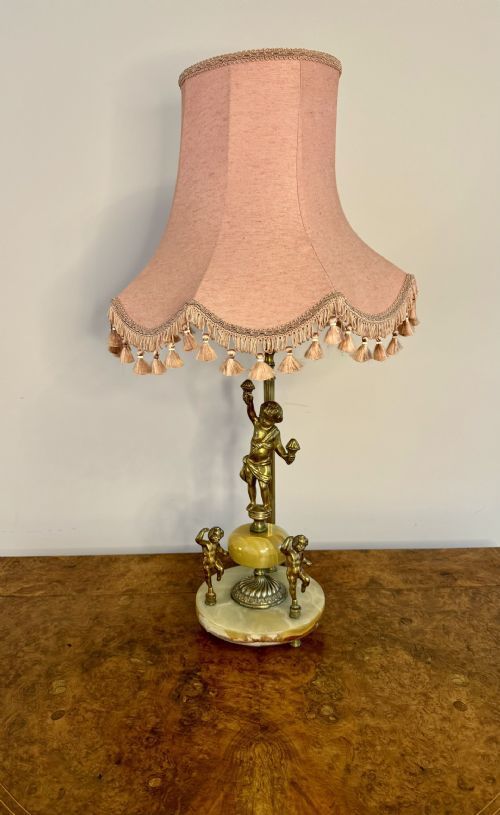
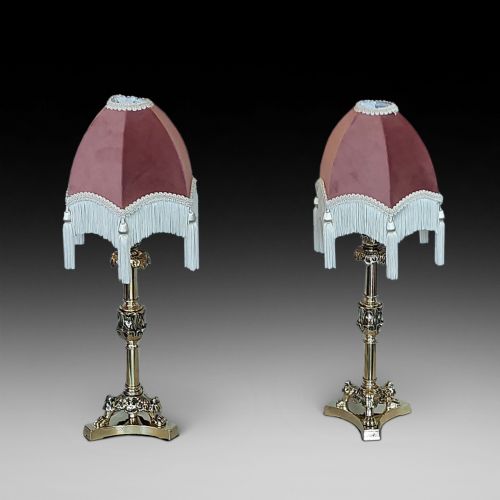


Vintage Ornate Bedside Lamp
A vintage ornate bedside lamp brings character and warm illumination to a room through decorative metalwork, glass, and hand-painted details.
Vintage Ornate Bedside Lamp
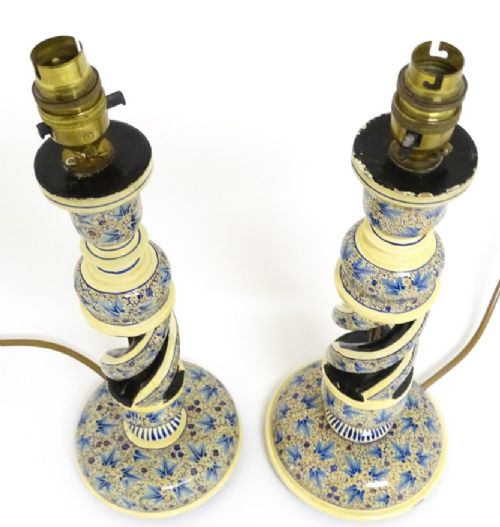
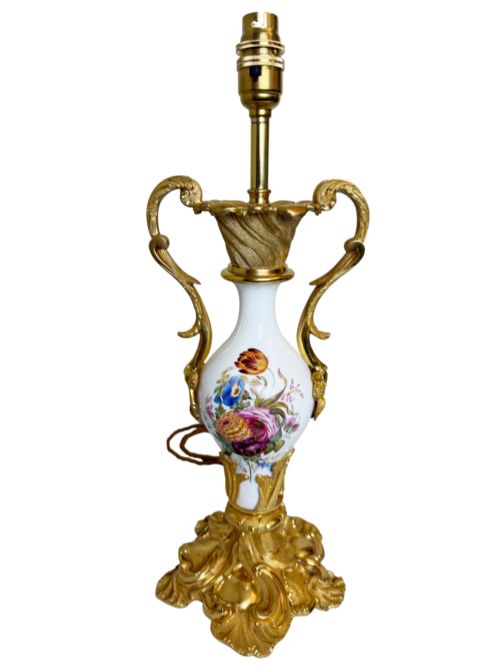
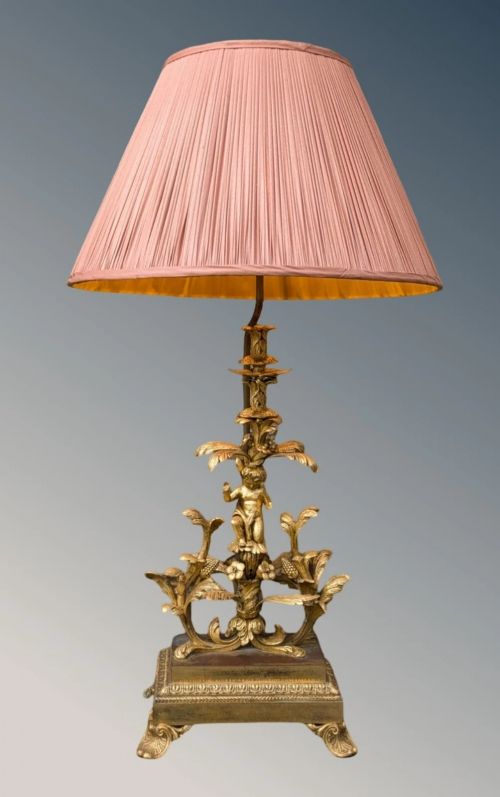
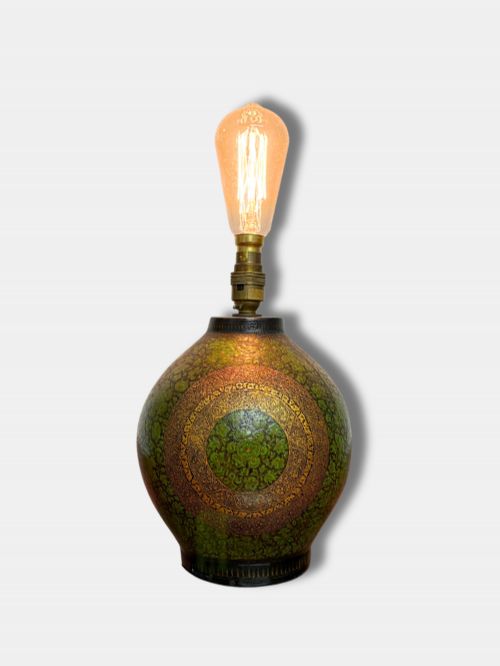
When searching for a vintage ornate bedside lamp, collectors encounter table lamps spanning the Victorian era through the early twentieth century. These pieces encompass diverse regional styles including French Neoclassical, Rococo Revival, and Kashmiri hand-painted designs.
Origins range across European and international workshops, incorporating materials such as opaline glass, onyx, and porcelain alongside carved or gilded wood. Each piece reflects the decorative tastes of its specific period, from nineteenth-century revivalism to early twentieth-century craftsmanship.
Materials and construction methods
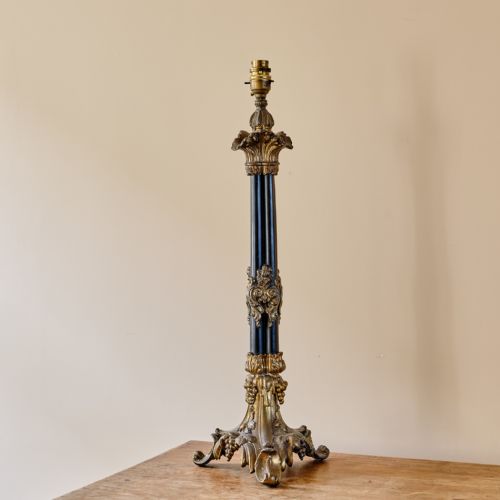
Construction relies heavily on cast and chased metals, predominantly brass, gilt bronze, spelter, and ormolu. These metal components form structural bases, Corinthian columns, and ornate mounts often paired with marble or onyx.
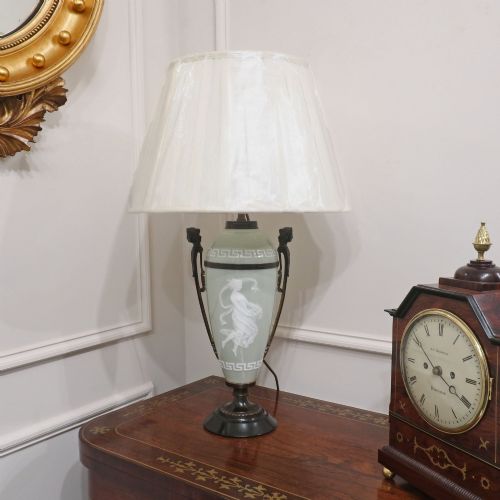
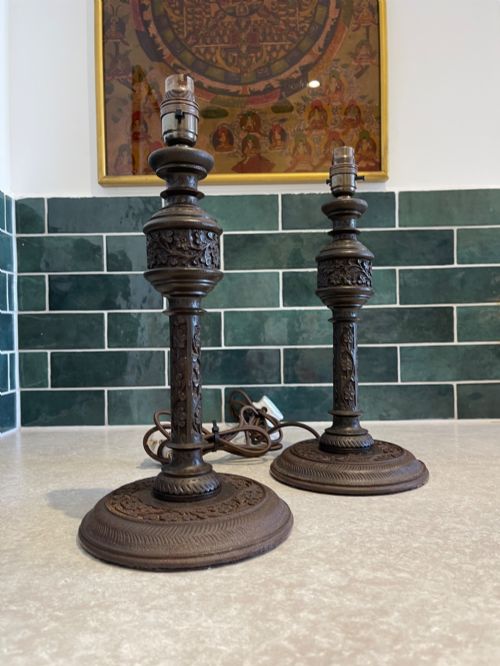
Decorative surfaces incorporate hand-painted details on wood or fabric, pate sur pate porcelain, and cut glass or opaline glass bodies. Many surviving examples began as candlesticks or oil lamps before conversion to electricity.
Listings feature brass, gilt bronze, glass, wood, lacquer, porcelain, and bronze across Victorian, Edwardian, and earlier periods.
Factors that separate tiers of quality
Quality rests upon the crispness of casting detail in the metalwork and the depth of gilding or patination. Heavier gauge brass, finely chased bronze, and substantial marble or onyx bases separate superior examples from standard production.
The refinement of hand-painted decoration, such as Kashmiri floral motifs or porcelain pate sur pate work, dictates the artistic merit of individual pieces. Original components and balanced proportions enhance the integrity of the lamp.
The Vintage Ornate Bedside Lamp Glossary
- Spelter
- A zinc alloy commonly used as a substitute for bronze in decorative metalwork. It frequently receives a bronze or gilt finish to simulate more costly materials.
- Pate sur pate
- A ceramic technique where successive layers of liquid white porcelain slip are applied to a coloured body to create a low relief cameo effect.
- Ormolu
- Finely ground high-carat gold applied to a bronze base using a mercury amalgamation process. This technique creates a durable, rich golden finish characteristic of luxury French pieces.
- Opaline glass
- An opaque or translucent glass developed during the nineteenth century, often tinted in soft shades and utilised for lamp bodies.
- Corinthian column
- An architectural order featuring an ornate capital decorated with acanthus leaves, frequently adopted for the stems of brass table lamps.
Vintage Ornate Bedside Lamp: Frequently Asked Questions
How do I wire an old lamp safely?
Older lamps require inspection by a qualified professional to ensure the internal wiring meets current safety standards. Many period pieces utilise vintage brass sockets that can be rewired while retaining the exterior components.
Retaining original switches and keyholders preserves the character of the piece while ensuring safe daily use in the home.
Can I find matching pairs easily?
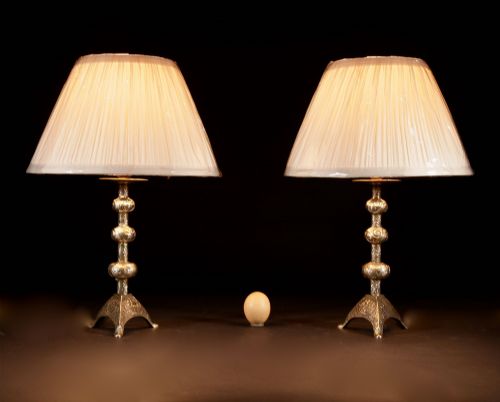
Matching pairs appear frequently among French brass candlesticks, Kashmiri painted designs, and spelter mantle lamps from the nineteenth and early twentieth centuries. These pairs provide symmetry when placed on matching bedside tables.
Slight variations in hand-painted motifs or casting details often confirm the individual artisan creation of each lamp.
What styles dominate these bedside lamps?
French Neoclassical and Rococo Revival styles dominate the offerings, characterised by scrolling foliage, urn forms, and classical columns. Victorian brass and opaline glass designs offer an alternative aesthetic focused on coloured glass and simpler metal turning.
Regional influences such as Kashmiri painted woodwork introduce vibrant colour palettes distinct from European metallic finishes.
How do I date an ornate lamp?
Dating relies on identifying the manufacturing materials, such as heavy cast bronze versus later spelter, and recognising stylistic revivals linked to specific decades. Hallmarks, maker marks on the base, and the type of electrical conversion provide further chronological clues.
Comparing the decorative motifs against documented nineteenth and early twentieth-century design patterns narrows the period of origin.
How do I clean gilded metal surfaces?
Gilded metal and ormolu require gentle dusting with a soft, dry brush to prevent damage to the delicate gold layer. Avoid chemical cleaners or abrasive polishes that can strip the historic finish.
Preserving the existing patina maintains the visual depth and historical integrity of the bronze or brass.