


Vintage Oriental Urn Pedestal
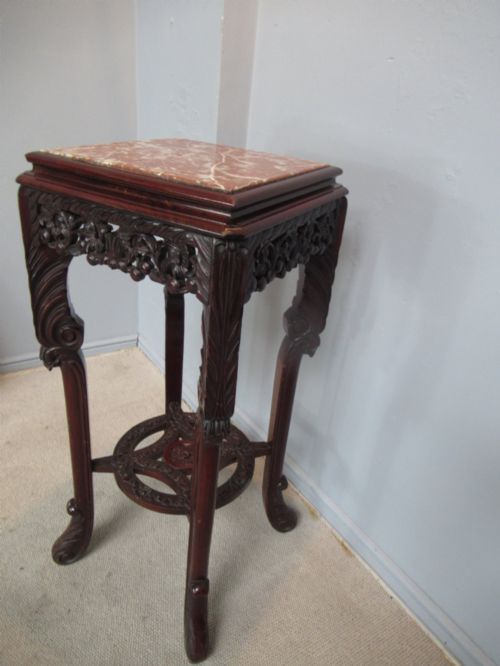
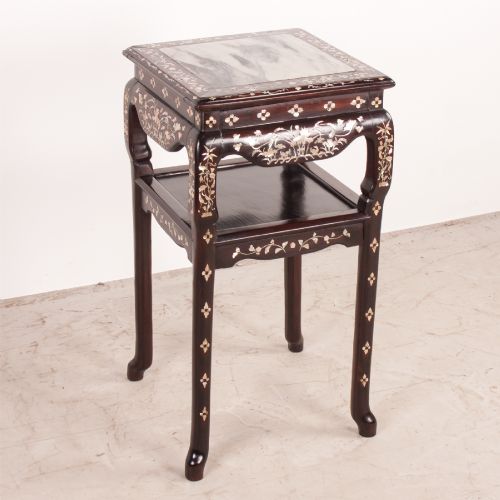
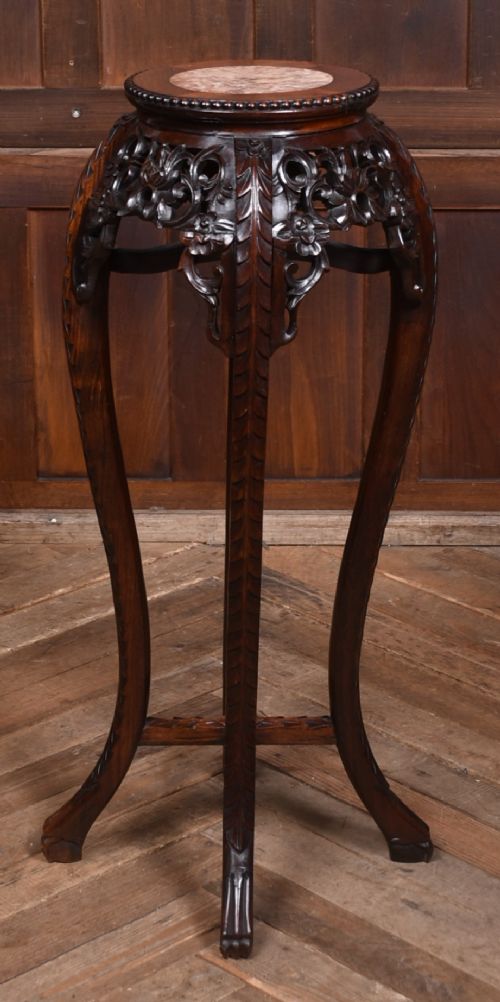
These vintage oriental urn pedestal examples combine heavy tropical hardwoods with inset marble tops, offering a sturdy stage for displaying heavy ceramic vessels.
Vintage Oriental Urn Pedestal
A vintage oriental urn pedestal functions primarily as a plant stand, jardiniere stand, or vase display piece within a room. Most examples found on this page originate from the nineteenth century or the early twentieth century, spanning periods from the Victorian era through the Meiji period.
The dominant forms are low or tall tables constructed with inset stone tops designed to support damp plant pots or heavy porcelain urns without damaging the timber structure. Chinese export styles and Qing Dynasty influences predominate among the listed objects, alongside occasional side tables and small coffee tables.
Buyers will encounter various configurations including paired stands, carved occasional tables, and specific jardiniere holders made for interior display. These items bring functional height and traditional craftsmanship into domestic spaces.
How they were made
Construction relies heavily on dense hardwoods such as rosewood, mahogany, and hongmu, often finished with ebonised treatments or intricate mother-of-pearl inlay. Artisans joined these timbers using traditional joinery methods capable of supporting substantial weight.
Marble inserts - frequently rouge marble - sit flush within the wooden frames of the top surfaces to provide a cool, water-resistant plateau. Additional decoration includes hand-carved floral motifs, brass accents, and cloisonné enamel work on related vase forms.
Listings feature items spanning the Victorian era, the Meiji period, and the early twentieth century up to nineteen forty.
What varies in quality
The depth and crispness of the hand-carved detailing across the apron and legs distinguish finer examples from simpler workshop production. Sharp, well-defined botanical motifs require greater skill than shallow, mechanised cuts.
The choice and figuring of the timber and the quality of the marble inset dictate the upper tier of the range. Uniform grain in rosewood and unblemished, heavily veined stone indicate superior material selection by the original maker.
The Vintage Oriental Urn Pedestal Glossary
- Jardiniere stand
- A tall or low table specifically built to hold a decorative ceramic flower pot or plant container. These stands feature moisture-resistant tops made of marble or tile.
- Hongmu
- A dense, dark tropical hardwood utilised extensively in traditional Chinese furniture making. It translates literally to red wood and provides exceptional weight and durability.
- Meiji period
- The era in Japanese history spanning from eighteen sixty-eight to nineteen twelve, known for opening trade and distinct decorative arts. Pieces from this time show specific regional carving characteristics.
- Cloisonné enamel
- A decorative metalwork technique where enamel paste is applied within compartments created by soldered wire strips. Firing fuses the glass paste to the metal base.
- Qing Dynasty style
- Furniture designs reflecting the aesthetic principles of the final imperial dynasty of China. These items often incorporate elaborate carving and formal symmetry.
Vintage Oriental Urn Pedestal: Frequently Asked Questions
What was a pedestal used for?
These pieces served as elevated display platforms for heavy ceramic jardiniere pots, bronze vases, and decorative urns within domestic interiors. Raising the vessel protected delicate flooring from moisture and placed the floral display at eye level.
They also functioned as occasional tables or lamp stands in reception rooms, providing a stable surface where stone inserts prevented water damage from plants.
How do I clean the marble?
Wipe the marble surface regularly with a soft, damp cloth using plain water to remove dust and surface grit. Avoid acidic cleaners, vinegar, or harsh chemicals that can etch the polished stone finish.
Dry the surface thoroughly afterwards to prevent moisture from seeping into any unsealed micro-fissures or touching the surrounding wooden frame.
Are these stands waterproof?
The inset marble or enamel tops resist water spills and dampness from plant pots far better than bare timber surfaces. This design choice allowed owners to water plants directly on the furniture without immediate concern.
However, standing water should still be wiped away promptly to protect the wooden joins surrounding the stone and prevent staining.
How do I date an oriental stand?
Dating relies on examining the timber species, joinery construction methods, and the style of the hand-carved motifs. Nineteenth-century pieces often display heavier rosewood construction and deeper, hand-chiselled relief work compared to later twentieth-century iterations.
Documentation, patination through age, and specific period markers like Victorian or Meiji stylistic traits help narrow down the decade of production.