








Vintage Oriental Rug Runner
A vintage oriental rug runner brings centuries of weaving tradition into narrow spaces, offering warmth and striking geometry beneath your feet.
Vintage Oriental Rug Runner
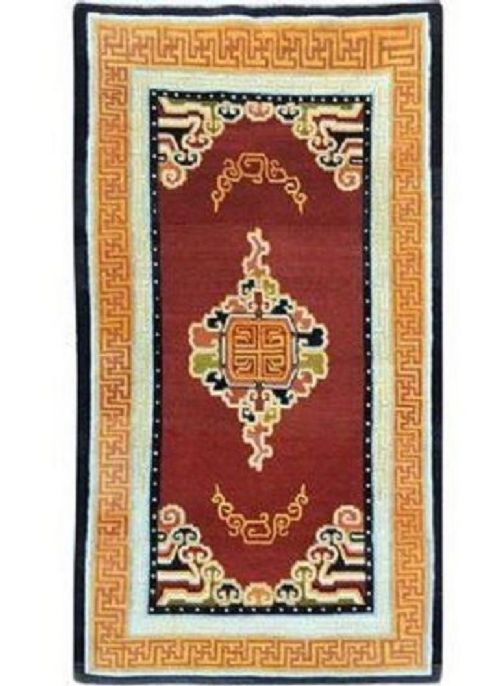
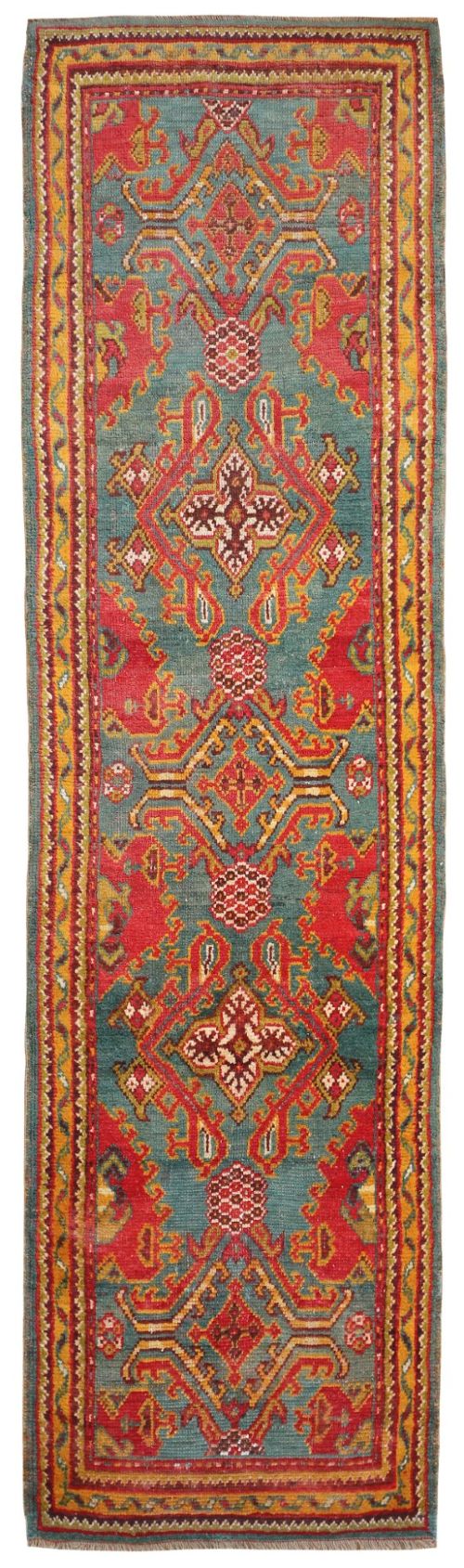
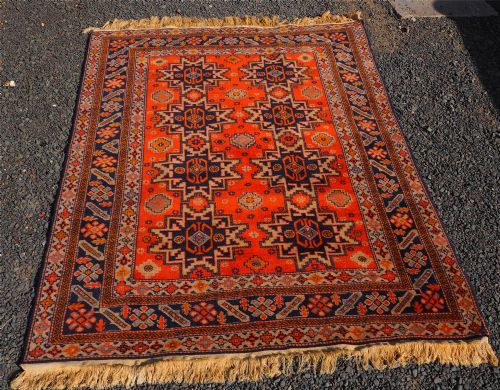
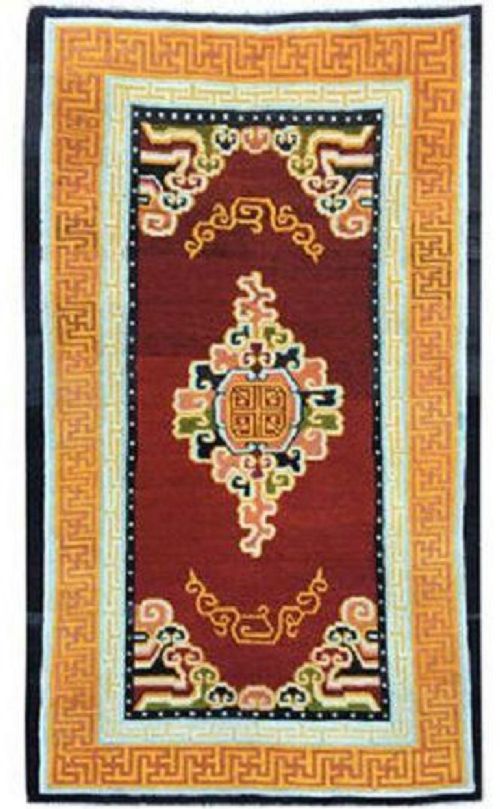
A vintage oriental rug runner represents a specialised category of elongated floor coverings designed specifically for hallways, corridors, and narrow architectural spaces. When you search for this phrase, you encounter long, narrow formats that guide the eye down a passage while protecting high-traffic floors. The pieces available span multiple decades, drawing on aesthetics from regions across Asia and the Middle East.
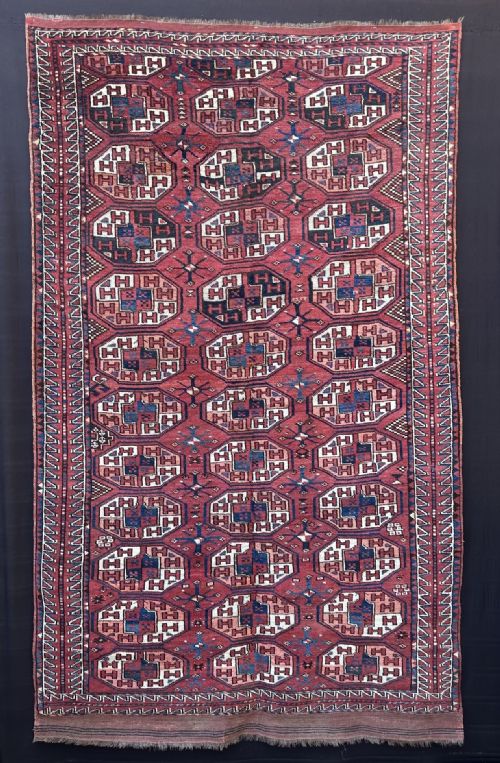
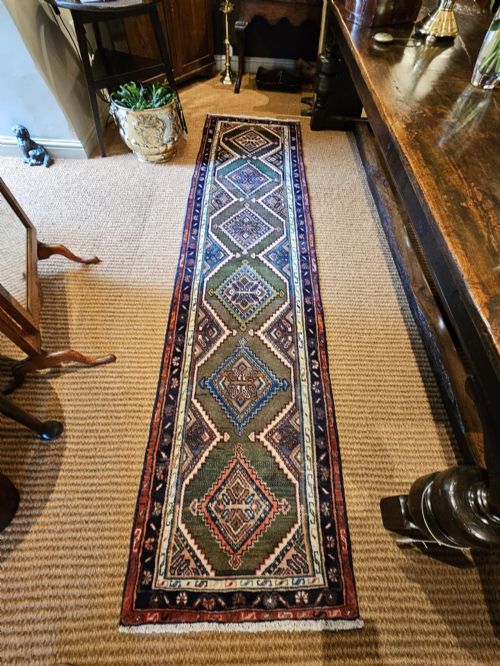
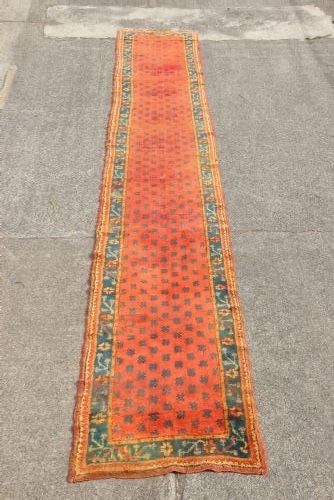
The visual character of these runners derives from a rich palette of natural and synthetic dyes that have mellowed over time. Olive greens, deep navy blues, and rust backgrounds frequently frame complex central motifs. Each runner serves as a functional textile that reflects the specific weaving culture of its origin.
Materials and Construction Techniques
Weavers constructed these long carpets using traditional hand-knotting techniques on upright looms, employing sturdy foundations of wool or cotton. The pile typically consists of dense sheep wool, though certain pieces incorporate camel hair or pure silk for added texture and sheen. This combination of materials ensures the textile withstands continuous foot traffic while retaining structural integrity.
The longevity of each runner relies on the tension of the knotting and the security of the selvages, which were bound by hand along the outer edges. Natural dyestuffs extracted from plants and minerals bonded deeply with the wool fibres, creating colours that soften gracefully with age rather than fading unevenly.
Vintage Oriental Rug Runner Retail Price Guide 2026
Typical asking prices for vintage oriental rug runner among the pieces listed under this phrase on Sellingantiques today, from the lower quarter to the upper quarter. They describe what is for sale here now, not the wider market.
Materials recorded in current inventory include wool, cotton, pure wool, silk, and camel hair.
Evaluating Quality and Craftsmanship
The quality of a runner rests upon knot density and the precision of the design execution. Tighter knots allow for sharper geometric lines and intricate floral curves, particularly in pieces originating from established weaving centres like Heriz or Tabriz.
Material selection also dictates the grade of the textile, with pure wool and camel hair offering superior resilience compared to looser blends. Furthermore, the originality of the pile height across the entire length indicates how evenly the rug has worn through decades of use.
Kizyl Ayak Tribe·Oushak·Heriz·Tabriz
The Vintage Oriental Rug Runner Glossary
- Runner
- A long, narrow carpet format traditionally utilised in hallways, corridors, and on staircases. These pieces measure significantly longer than they are wide.
- Pile
- The vertical or diagonal loops of yarn that form the usable surface of a carpet. The height and density of this layer determine the softness underfoot.
- Selvage
- The reinforced edge of a rug running parallel to the warp threads. It prevents the sides from fraying and maintains the rectangular geometry.
- Warp
- The stationary vertical foundation threads stretched tightly on the loom. Weavers knot the pile yarns directly around these structural elements.
- Knot density
- The measurement of individual knots per square unit of carpet. Higher counts generally indicate greater labour investment and finer detail.
Vintage Oriental Rug Runner: Frequently Asked Questions
Where should I place a long runner?
These narrow formats suit hallways, entryways, and narrow corridors where floor protection and visual warmth are required.
They also function effectively beside beds or in gallery spaces to elongate the perspective of the room.
How do I clean a wool runner?
Regular gentle vacuuming without a rotating brush roll prevents dust accumulation within the wool pile.
Professional specialist cleaning is recommended for deep maintenance to protect the natural dyes and structural foundations.
What materials make up these carpets?
The pile consists primarily of sheep wool, occasionally supplemented by camel hair or silk for specific textural effects.
Foundations generally utilise sturdy cotton or wool warps and wefts to hold the hand-tied knots securely in place.
How do I identify a tribal design?
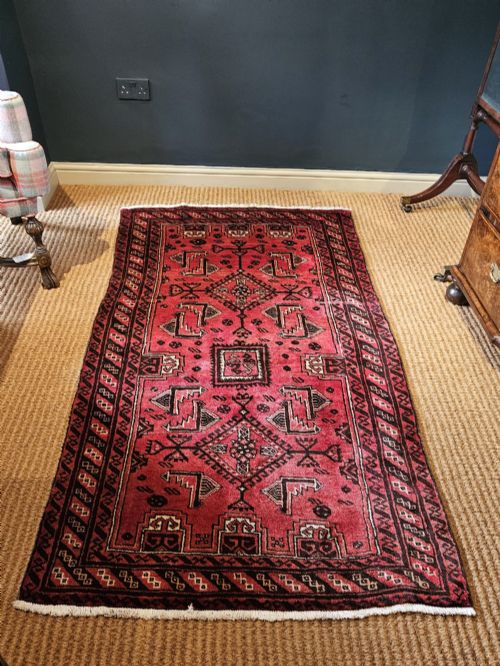
Tribal designs often feature bold geometric motifs, stylised animals, and asymmetrical repeating patterns created from memory by nomadic weavers.
City workshops typically produce more formal, symmetrical medallion layouts with curvilinear floral elements.