




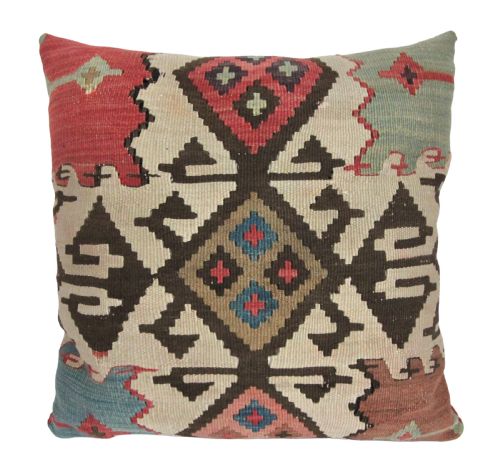

Vintage Oriental Rug Pillow
These vintage oriental rug pillow pieces bring tactile nomadic history into a room, offering genuine antique pile and flatweave textures for everyday seating.
Vintage Oriental Rug Pillow
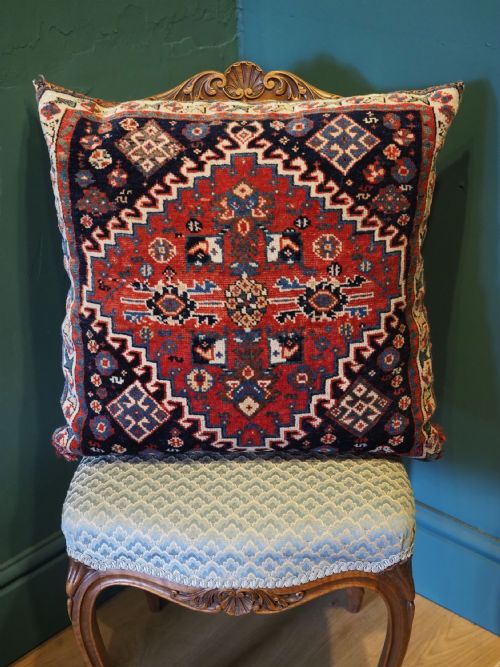
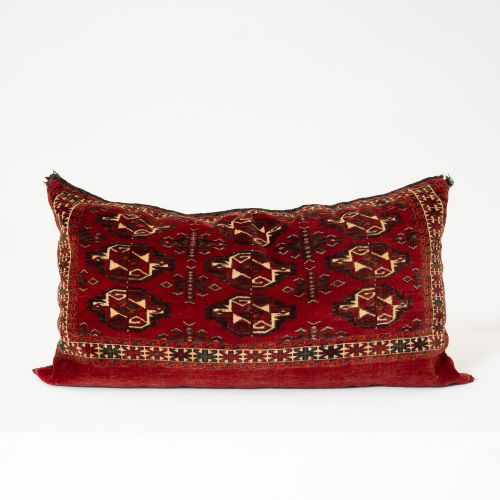
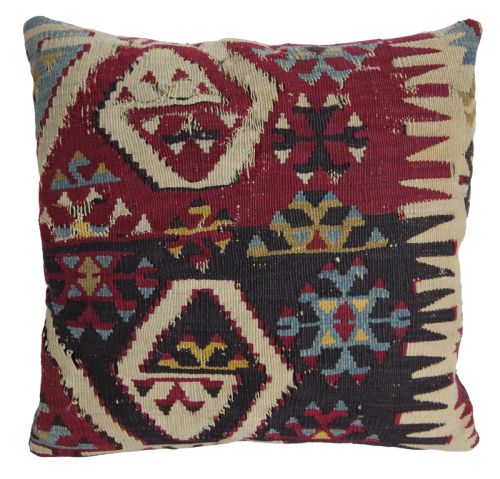
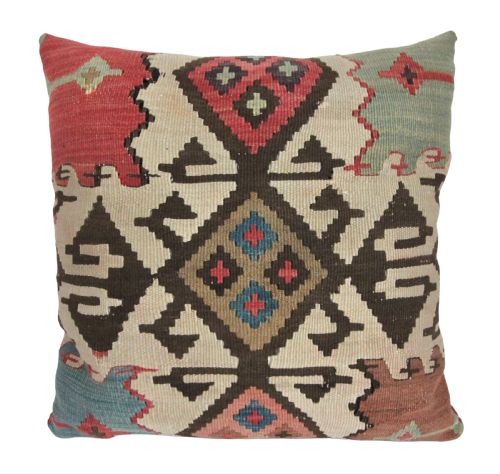
When you search for a vintage oriental rug pillow, you encounter transformed fragments of nineteenth and early twentieth-century tribal weavings. These cushions repurpose authentic nomadic storage bags, saddle bags, chuvals, and flatweave kilims into decorative soft furnishings.
The most common examples on this page are antique kilim cushions and bag face cushions spanning from eighteen-fifty up to the nineteen-twenties. Pieces originate from Anatolian, Persian, Turkmen, Kurdish, Qashqai, and Baluch traditions.
Makers originally produced these textiles for utilitarian nomadic life, utilising wool and hand-spun wool on cotton foundations. Today, interior designers select them to anchor neutral spaces with rich, earthy tones and geometric motifs.
Materials and construction
Weavers constructed the original bag faces and rugs using durable wool and hand-spun wool yarns dyed with traditional pigments. These dense pile and flatweave textile panels were designed to withstand the rigours of nomadic migration and daily camp use.
Modern conversion into cushions involves backing the historic carpet fragments with complementary sturdy backing fabrics and inserting zips. This technique preserves the integrity of the antique tribal weaving while adapting it for domestic furniture.
Listings span periods from eighteen-fifty to nineteen-twenty, featuring wool, cotton, and hand-spun wool across tribal forms.
Assessing quality and authenticity
Quality rests in the integrity of the original weaving, the tightness of the wool knotting or flatweave structure, and the vibrancy of the aged dyes. Finer tribal pieces display precise geometric iconography and balanced proportions across the bag face.
Condition varies according to the extent of historical wear sustained during its original life as a nomadic storage piece. Strong structural survival of the wool pile distinguishes superior examples from heavily degraded textiles.
The Vintage Oriental Rug Pillow Glossary
- Kilim
- A flatwoven carpet or rug produced without a pile, frequently repurposed into durable cushions. These textiles rely on tightly packed warp and weft threads to form geometric patterns.
- Bag Face
- The decorative front panel of a nomadic storage sack or saddle bag. These panels display the finest tribal designs and are frequently salvaged for cushions.
- Chuval
- A large Turkmen tent storage bag used for bedding and household goods. Surviving fragments exhibit distinct gul motifs.
- Warp
- The stationary vertical threads stretched upon a loom before weaving commences. They form the structural foundation of the textile.
- Weft
- The horizontal threads passed through the warp to create the fabric and pattern. In antique tribal weavings, these are typically wool.
Vintage Oriental Rug Pillow: Frequently Asked Questions
Are these cushions made from real antique rugs?
Yes, the pieces utilise authentic nineteenth and early twentieth-century tribal rugs, kilims, and storage bag faces. Artisans repurpose these historic textiles into decorative soft furnishings.
Each cushion retains the original wool materials and traditional tribal patterns woven by nomadic makers decades ago.
How do I clean a vintage rug cushion?
Professional dry cleaning is recommended for antique wool and flatweave cushions to protect the historical fibres. Spot cleaning with mild, non-alkaline solutions can address minor surface marks.
Avoid submerging the textile in water or using harsh mechanical agitation to prevent dye bleeding and shrinkage.
How do I identify different tribal designs?
Tribal designs vary by region, featuring distinct geometric motifs, borders, and colour palettes specific to weavers such as the Qashqai, Turkmen, or Baluch. Anatolian kilims often display sharp stepped medallions, while Persian tribal pieces show intricate repeating field patterns.
Examining the weave structure, wool quality, and palette provides clues to the geographical origin of the textile fragment.
Can I use these cushions on daily furniture?
These cushions suit everyday interior use on armchairs, sofas, and beds as decorative accents. The dense wool pile and flatweave structures withstand normal domestic leaning and handling.
Rotating the cushions periodically ensures even exposure and wear over time.