


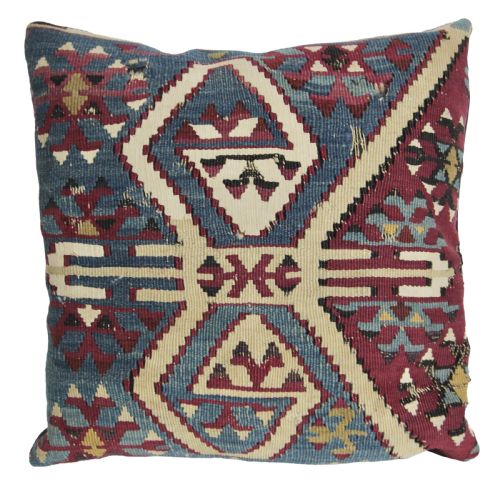
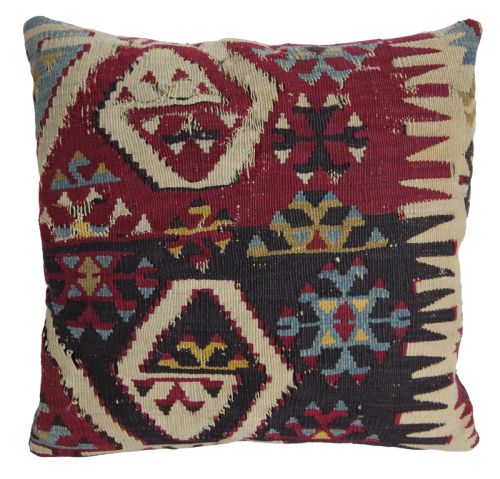


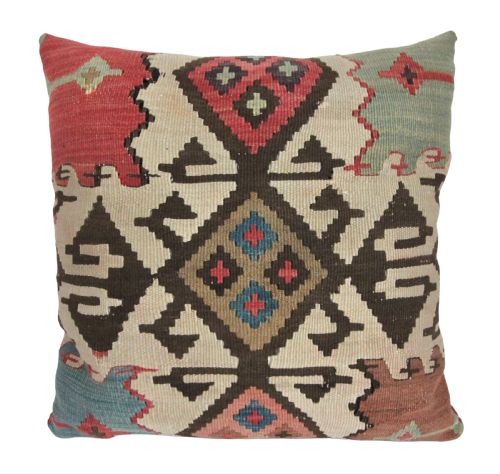
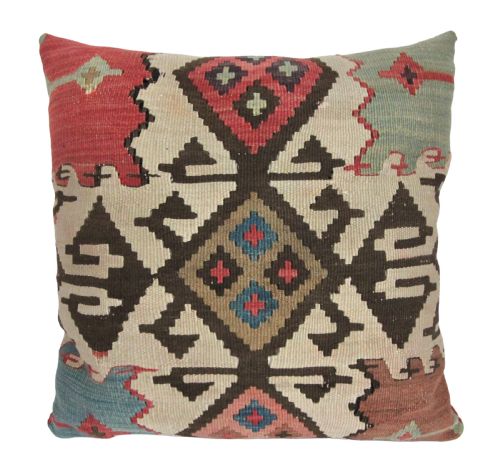


Bohemian Patterned Cushion
A bohemian patterned cushion brings warmth and nomadic texture into a room, offering durability alongside rich tribal colour.
Bohemian Patterned Cushion
The dominant forms span pieces dated from eighteen-fifty to nineteen-twenty, showcasing traditional Anatolian designs. These items translate centuries-old nomadic craftsmanship into durable home accessories. Each piece carries geometric motifs and symbols originally woven by tribal makers for daily camp life.
How they were made
These textiles rely entirely on natural wool and cotton fibres spun and woven by hand. Artisans utilised traditional looms to produce tight, resilient structures capable of enduring decades of heavy use. The yarn was dyed using natural materials to achieve deep, enduring hues.
Production methods involve repurposing old carpet fragments, kilim panels, and animal grain bags into cushion covers. Skilled hands cut and stitch these robust textiles, often backing them with sturdy cotton fabric and adding a zip or fastening. The original weave remains intact, preserving the integrity of the tribal artistry.
Listings feature items entirely from the nineteenth and early twentieth centuries, spanning eighteen-fifty to nineteen-twenty.
What varies in quality
Quality rests in the tightness of the weave and the complexity of the tribal design. Tightly packed wool yarns create a denser, heavier cushion that retains its shape and resists wear over generations. Simpler patterns often contrast with intricate Anatolian tribal compositions that demand greater skill from the original weaver.
The character of the textile fragment dictates the visual success of the finished piece. Preservation of the original edges, balanced symmetry in the nomadic motifs, and depth of colour separation distinguish superior examples. Age adds patina, but the structural soundness of the fabric determines the overall standard.
The Bohemian Patterned Cushion Glossary
- Kilim
- A flat-woven carpet or rug produced without a pile. These textiles form the main body of many antique cushions.
- Anatolian Tribal
- A design style originating from the nomadic and village communities of Anatolia. These patterns feature distinct geometric symbolism.
- Bag face
- The front panel of a utilitarian nomadic storage bag, often heavily decorated and repurposed into a cushion.
- Nomadic Tribal
- A classification for textiles created by wandering pastoral groups. Their work reflects the visual traditions of specific clans.
Bohemian Patterned Cushion: Frequently Asked Questions
What is a bohemian patterned cushion?
It is a decorative scatter cushion fashioned from authentic antique or vintage tribal textiles, such as kilims and carpet fragments. These pieces transform old nomadic weaving into practical furnishings.
They bring tactile history and bold geometric patterns into contemporary living spaces, functioning primarily as sofa cushions or floor accents.
How old are these cushions?
The pieces span the nineteenth century up to the nineteen-twenties. This timeline encompasses nineteenth-century examples alongside items dated around eighteen-fifty, eighteen-seventy, and nineteen-twenty.
Age is determined by the style of the weave and the traditional materials employed by the original makers.
What materials are used?
Construction relies on natural wool and cotton. The face of the cushion utilises traditional hand-woven wool carpets or kilims, while the backing typically employs sturdy cotton.
These natural fibres ensure the textile remains breathable yet robust enough for everyday seating.
How do I care for a kilim cushion?
Care requires gentle treatment appropriate for antique wool textiles. Professional dry cleaning is recommended to preserve the natural dyes and hand-woven structure.
Avoid vigorous scrubbing or soaking, which can weaken the historical fibres and alter the rich colours.