







Woven Wool Scatter Cushion
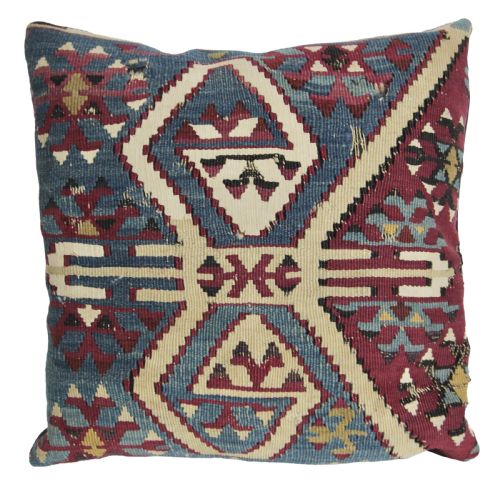
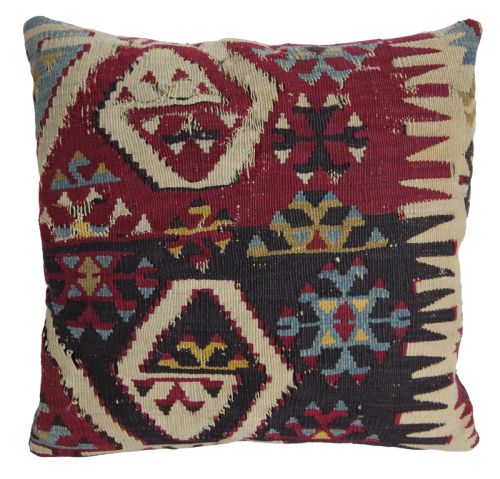
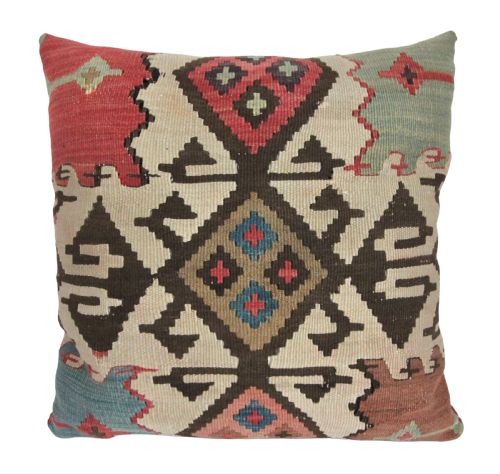
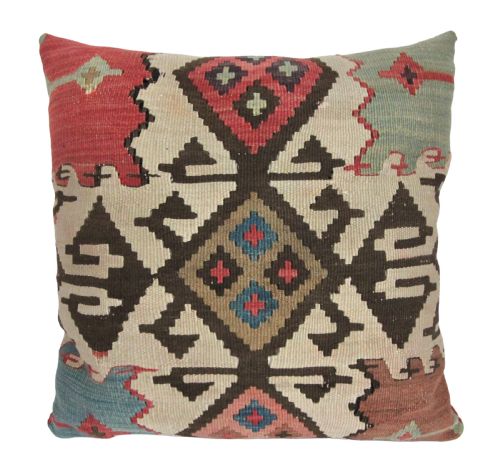
These woven wool scatter cushion examples bring rich Anatolian tribal texture and pattern directly into a room.
Woven Wool Scatter Cushion
A woven wool scatter cushion transforms historic textiles into practical soft furnishings for modern interiors. These pieces utilise antique flatweaves, including traditional Anatolian kilims and tribal bag faces, to create decorative cushions and throw cushions. Buyers will encounter items originating primarily from the nineteenth and early twentieth centuries, dating from eighteen fifty up to nineteen twenty.
The selection on this page consists entirely of hand woven forms derived from nomadic and tribal traditions. Most examples take the form of antique kilim cushions or bag face cushions featuring geometric motifs. They function as portable patches of history that add warmth and tactile depth to seating areas.
How they were made
The primary materials recorded in these pieces are wool and cotton, combined through traditional hand weaving techniques. Artisans utilised flatweave methods where weft yarns are beaten tightly against the warp to create durable, pattern-rich textiles without a pile. These durable panels were originally fashioned into utility items like storage bags before being repurposed into cushions.
Nomadic weavers employed dyed wool to construct bold tribal designs rooted in Anatolian traditions. The structural integrity of the flatweave relies on precise hand manipulation of the yarns, producing a firm textile surface suited to domestic use.
Listings span periods from eighteen fifty to nineteen twenty, featuring wool and cotton materials shaped by Anatolian tribal traditions into hand woven cushions.
What varies in quality
Quality in a woven wool scatter cushion rests upon the tightness of the flatweave and the precision of the tribal motifs. Finer examples display meticulous hand weaving with well-preserved wool and cotton structures that maintain their crisp geometric lines.
The character of the original antique textile dictates the visual appeal of the finished cushion. Pieces featuring complex Anatolian tribal designs and robust early material composition stand apart from simpler iterations through their visual presence.
The Woven Wool Scatter Cushion Glossary
- Kilim
- A flatweave textile produced without a pile, traditionally utilised across Anatolia for rugs and utilitarian hangings. These historic flatweaves form the primary fabric of the cushions listed here.
- Bag Face
- The decorative front panel of a nomadic storage sack, hand woven in wool and repurposed into a scatter cushion. These sections typically showcase dense tribal symbolism and superior weave density.
- Flatweave
- A textile construction technique where warp and weft threads interlace directly to form a smooth surface. This method creates the characteristic thin, durable fabric seen in traditional Anatolian pieces.
- Anatolian Tribal
- A stylistic classification denoting the geographic and cultural origins of vernacular weaving traditions from the region. These designs rely on repeated geometric motifs passed down through generations.
Woven Wool Scatter Cushion: Frequently Asked Questions
What is a woven wool scatter cushion?
A woven wool scatter cushion is a decorative soft furnishing created by repurposing historic flatweave textiles, such as nineteenth century Anatolian kilims and tribal bag faces. These items combine ancient nomadic craft with functional home decor.
Each cushion uses hand woven wool and cotton panels, bringing traditional geometric patterns and textured warmth into contemporary seating arrangements.
How old are these cushions?
The pieces listed span from the mid nineteenth century through to the early twentieth century, with periods represented including eighteen fifty, eighteen seventy, and nineteen twenty. Some items are broadly attributed to the nineteenth century.
This chronology reflects the age of the antique flatweaves utilised in their construction, connecting modern interiors directly to historical textile traditions.
What materials are used?
These cushions are constructed primarily from wool and cotton. The face fabrics consist of hand woven wool flatweaves featuring traditional Anatolian tribal designs.
These durable materials were originally gathered for nomadic utility items before being transformed into decorative throw cushions and soft furnishings.
Where do these designs originate?
The styles seen in these cushions stem from traditional Anatolian and nomadic tribal traditions. Artisans in these regions created distinctive flatweaves and storage bags.
When repurposed into scatter cushions, these textiles preserve centuries-old regional patterns and weaving methods for modern collectors to enjoy.