




Vintage Oriental Rug Panel
These vintage oriental rug panels bring centuries of textile artistry into interiors through fragments, bag faces, and embroideries.
Vintage Oriental Rug Panel
A vintage oriental rug panel encompasses trimmed fragments, structural portions, and portable storage faces originating from Central Asian, Persian, and Ottoman weaving traditions.
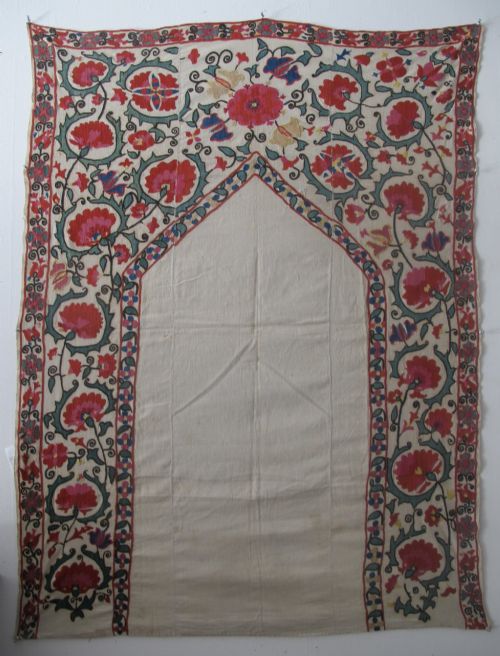
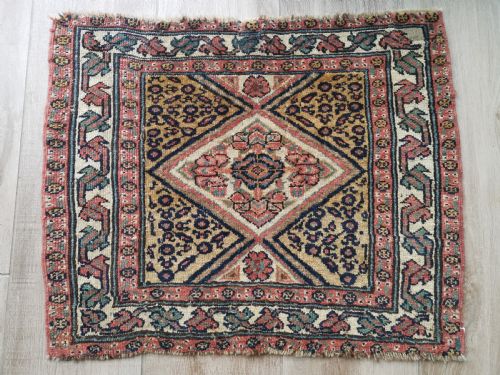
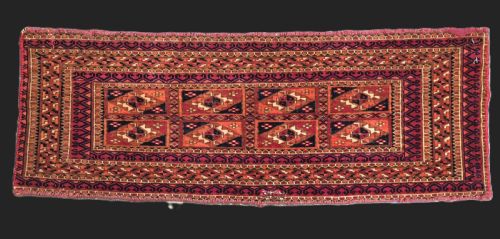
Buyers will encounter items ranging from nineteenth-century Turkmen torbas and Shahsavan bag faces to Uzbek suzanis and Ottoman embroideries.
Materials and construction methods
Makers utilised natural fibres including wool, cotton, and silk, sometimes incorporating metallic thread, felt, and velvet depending on the regional workshop or tribal tradition.
Surface ornamentation relies heavily on silk embroidery, pile knotting, flatweave techniques, and applique work applied to cotton or woolen grounds.
Vintage Oriental Rug Panel Retail Price Guide 2026
Typical asking prices for vintage oriental rug panel among the pieces listed under this phrase on Sellingantiques today, from the lower quarter to the upper quarter. They describe what is for sale here now, not the wider market.
Regional attributions include Persian Bakhtiari, Ottoman, and Central Asian tribal traditions.
Assessing material integrity and design
Quality depends on the precision of the tribal motifs, the saturation of natural dyes, and the structural integrity of the base fabric or embroidery ground.
Examples retaining crisp iconography, such as gul designs or architectural elements, demonstrate superior execution compared to heavily degraded or clumsily repaired fragments.
The Vintage Oriental Rug Panel Glossary
- Suzani
- An embroidered tribal textile originating from Uzbekistan, typically featuring silk stitching on a cotton or linen ground in bold floral or geometric motifs.
- Torba
- A small Turkmen storage bag or trapping designed for tent use, often displaying primary guls and characteristic border patterns.
- Cicim
- A flatwoven Turkish textile technique where supplementary weft threads create embroidered patterns across the surface.
- Mafrash
- A rectangular tribal storage container or the panel face of one, frequently associated with Shahsavan or Turkmen weavers.
- Chuval
- A large Turkmen tent bag used for household storage, distinguished by rows of secondary or primary guls.
Vintage Oriental Rug Panel: Frequently Asked Questions
What is a rug panel?
A rug panel is a surviving section, fragment, or complete face of a larger nomadic or town carpet, storage bag, or textile trapping.
These pieces allow collectors to own historical textile art in a manageable format suitable for mounting or display.
How were these panels used originally?
Nomadic and village communities utilised these textiles as functional storage containers, tent trappings, horse ornaments, and household furnishings.
Over time, many items were separated from their original contexts or backing materials to serve as decorative wall hangings.
How should I display a panel?
Many collectors mount these textiles onto neutral fabric or professional conservation backing for safe vertical hanging on interior walls.
Keeping them away from direct sunlight preserves the natural dyes found in the wool and silk fibres.
How do I identify tribal designs?
Tribal patterns often feature repeating geometric motifs, specific gul medallions, or regional palette choices unique to groups like the Tekke, Yomut, or Shahsavan.
Comparing structural details and materials helps link a panel to its specific Central Asian or Persian origin.