



Vintage Oriental Floor Mat
A vintage oriental floor mat brings grounded texture and intricate pattern to a room, spanning tribal weaves from Persia, the Caucasus, and Central Asia.
Vintage Oriental Floor Mat
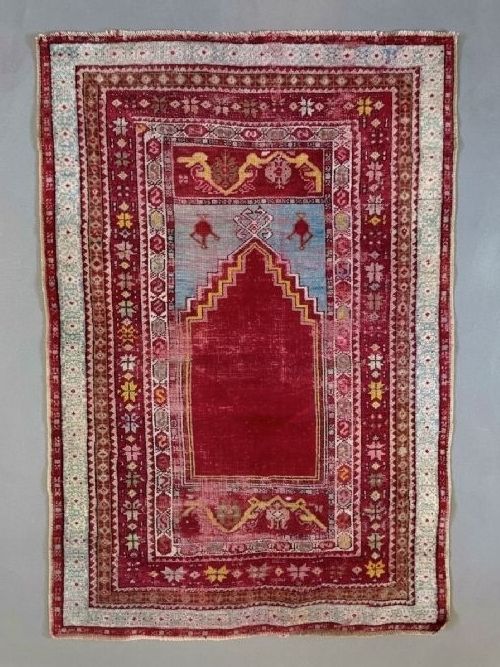
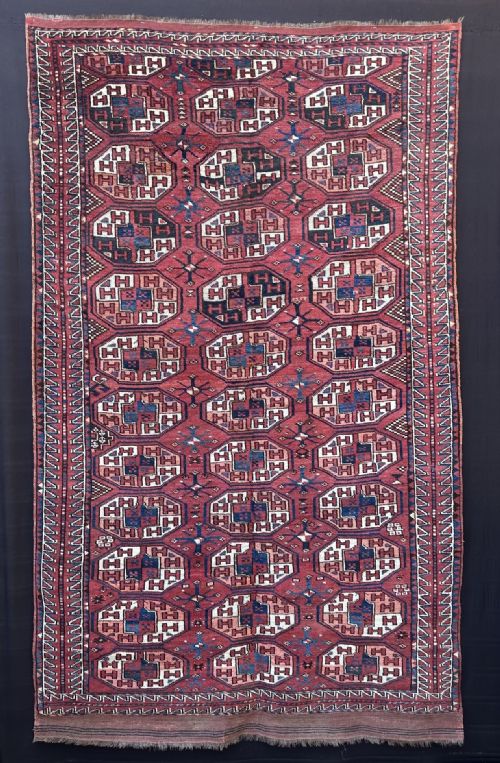
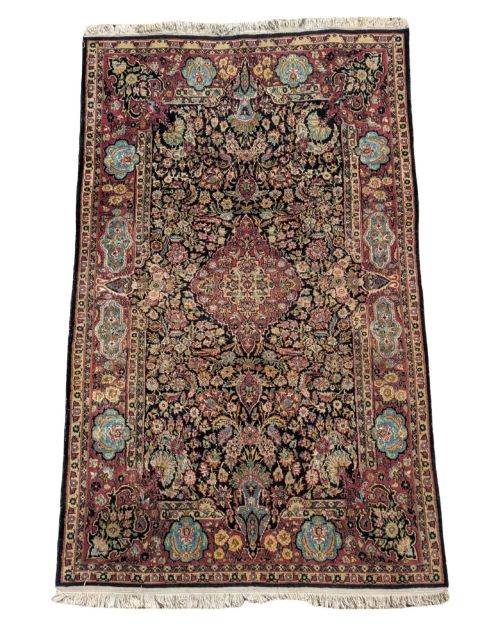
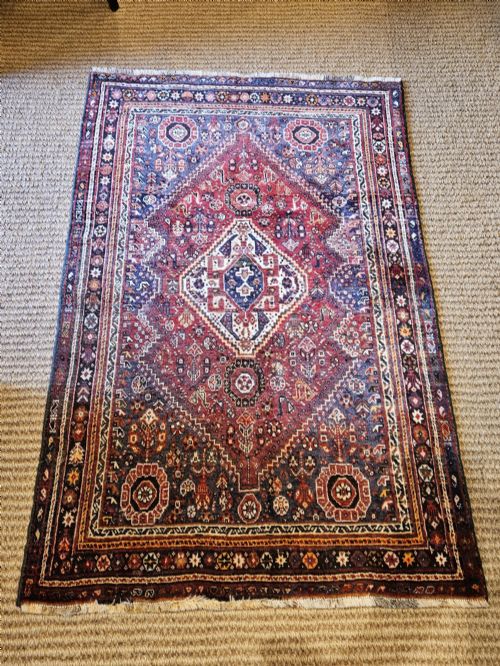
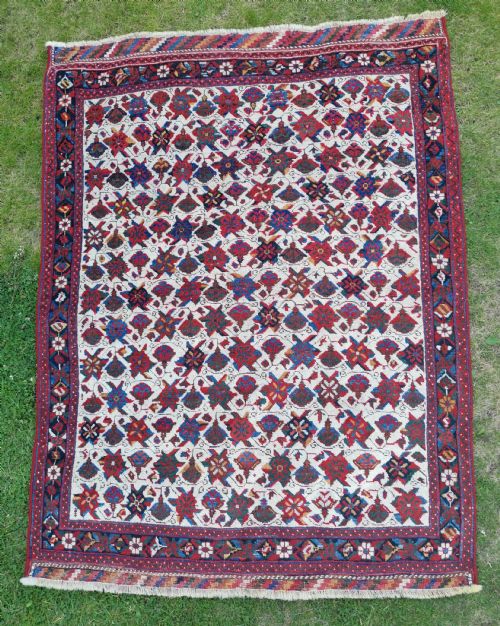
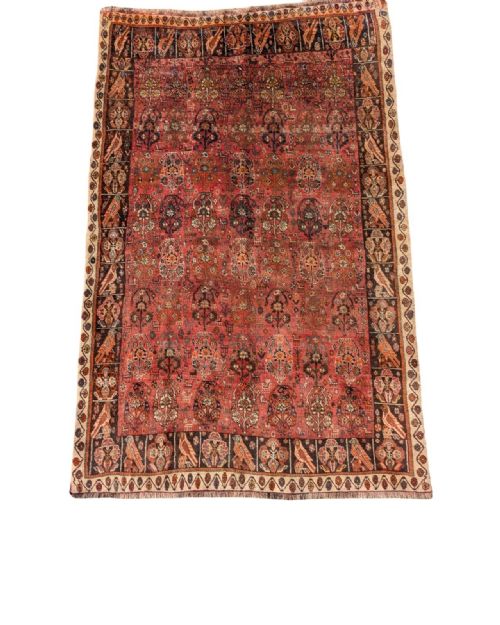
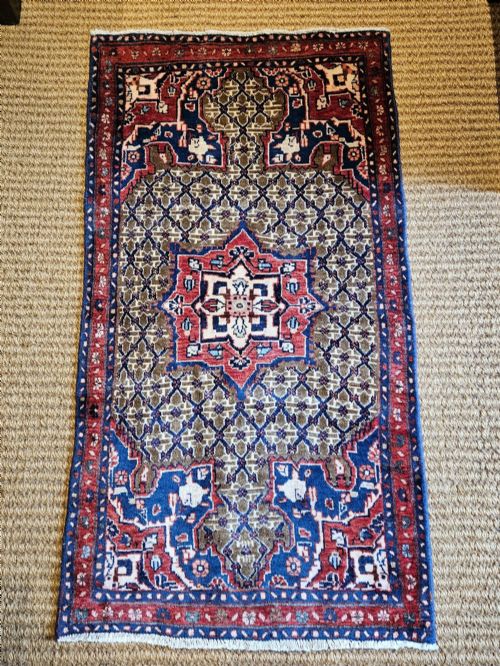
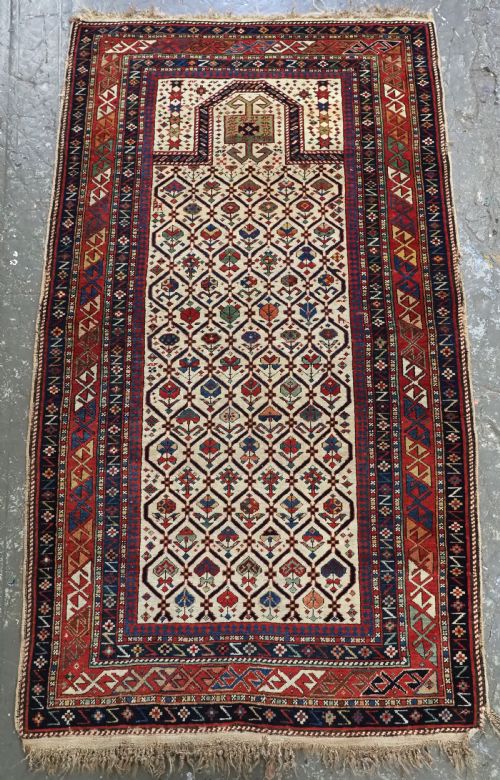
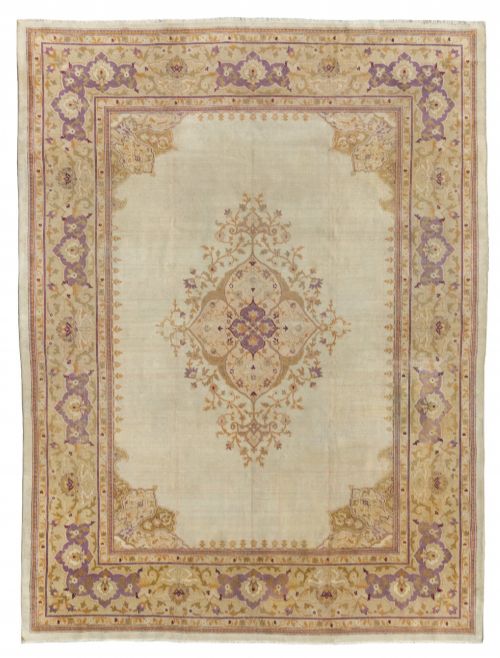
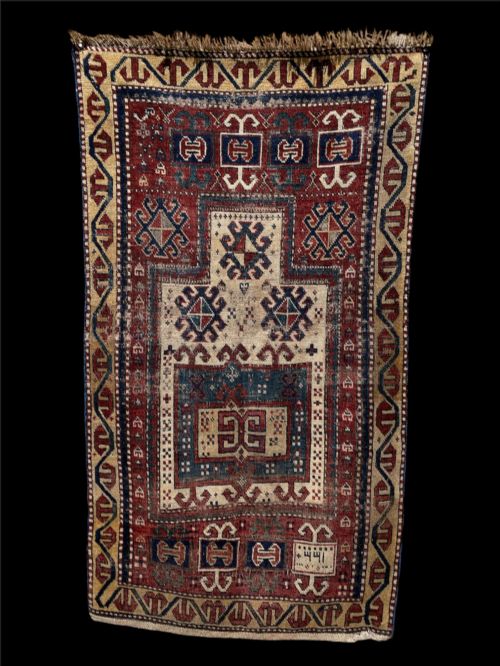
When you search for a vintage oriental floor mat, you encounter hand-knotted and woven textiles originating from regions including Persia, the Caucasus, Anatolia, and Turkmenistan. These pieces function as floor coverings, hallway runners, and prayer rugs, displaying distinct regional designs such as geometric medallions, floral lattices, and tribal motifs. The items available range from compact hearth-sized mats to room-sized carpets.
The selection on this page leans heavily toward Persian tribal pieces, Caucasian prayer rugs, and Central Asian nomadic weaves dating from the nineteenth century up to the 1930s. Buyers frequently find workshop productions alongside village and tribal pieces bearing traditional patterns. These floor coverings bridge centuries of weaving tradition, offering resilient utility and distinct historical character for modern interiors.
Materials and construction
The physical structure of these floor coverings relies primarily on wool, often hand-spun, combined with cotton foundations for stability and durability. Silk appears in specific highlights or entirely fine pile carpets, adding luminous detail to the composition. Artisans utilised traditional hand-weaving techniques, creating knotted piles or flat-woven kilim and soumak structures.
Dyes derived from natural sources provide the palette seen across these rugs, grounding the wool and cotton fibres in rich tones of red, blue, and rust. The labour-intensive knotting and weaving processes ensure a dense fabric capable of withstanding decades of foot traffic. Variations in pile height and foundation materials reflect the specific nomadic, village, or workshop origin of each mat.
Listings span the nineteenth century through the 1930s, featuring wool, cotton, and silk across Persian, Caucasian, and Turkmen traditions.
Assessing quality
Quality in these woven textiles rests upon the density of the knotting, the precision of the geometric or floral design, and the integrity of the materials. Tighter knots and finely spun wool create a resilient surface that holds crisp lines within medallions and borders. The depth and balance of the colour palette further separate standard village productions from finer workshop or tribal carpets.
The handling of edges, fringes, and structural foundations indicates the standard of manufacture. Well-preserved original structures and finely executed silk highlights demonstrate superior craftsmanship. The harmony between the traditional motifs and the execution of the weave defines the distinction across the range.
The Vintage Oriental Floor Mat Glossary
- Prayer rug
- A small mat featuring a mihrab or niche design, traditionally used for daily prayers. These pieces often display specific regional iconography.
- Kilim
- A flat-woven textile lacking a pile, produced by tightly interweaving warp and weft strands. This technique creates a lightweight, reversible floor covering.
- Soumak
- A flat-weave technique involving wrapping supplementaryweft threads over warp threads to create a textured, durable surface. It results in a sturdy fabric with a braided appearance on the reverse.
- Medallion
- A central ornamental motif dominating the field of the rug. It serves as the focal point around which secondary patterns and borders are arranged.
- Runner
- A long, narrow carpet format designed primarily for hallways and corridors. These pieces direct movement and fit confined spaces.
Vintage Oriental Floor Mat: Frequently Asked Questions
How do I clean an old wool rug?
Gentle surface brushing and careful vacuuming without a beater bar remove everyday dust from wool piles.
Professional specialist cleaning is necessary for deeper maintenance to protect natural dyes and delicate foundations.
Where should I place a runner?
Hallways, corridors, and narrow passageways benefit most from long, narrow formats that soften hard flooring.
They also work effectively alongside kitchen islands or beside beds to add warmth underfoot.
Are these mats durable for daily use?
Hand-spun wool and cotton foundations create resilient floor coverings designed to endure regular foot traffic.
Using a suitable underlay helps prevent slipping and reduces friction between the weave and hard floors.
How do I distinguish tribal from workshop rugs?
Tribal rugs display geometric patterns, asymmetrical layouts, and coarse wool reflecting nomadic production.
Workshop carpets feature symmetrical floral designs, precise knot counts, and refined materials associated with established weaving centres.