

Vintage Open Book Stand
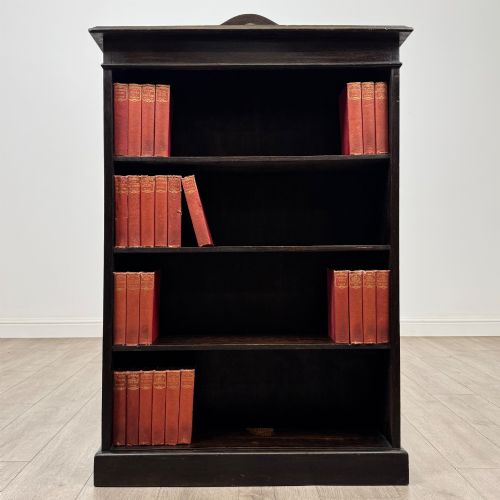
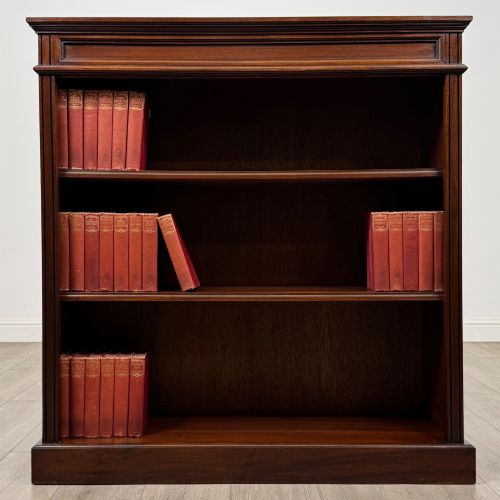
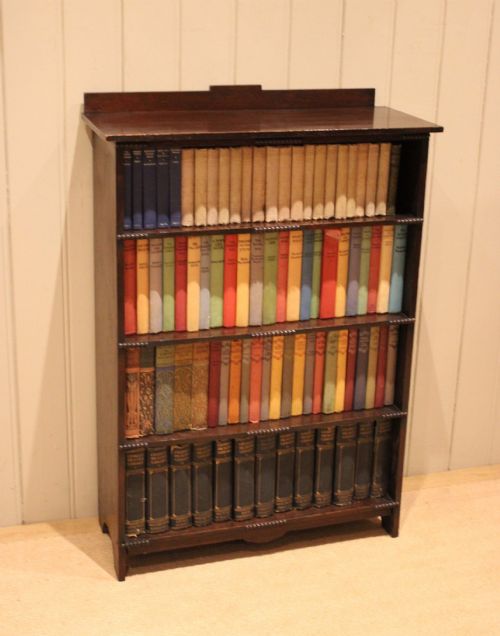
A vintage open book stand brings accessible, tiered display to your volumes using robust oak and warm mahogany from the Edwardian and Regency periods.
Vintage Open Book Stand
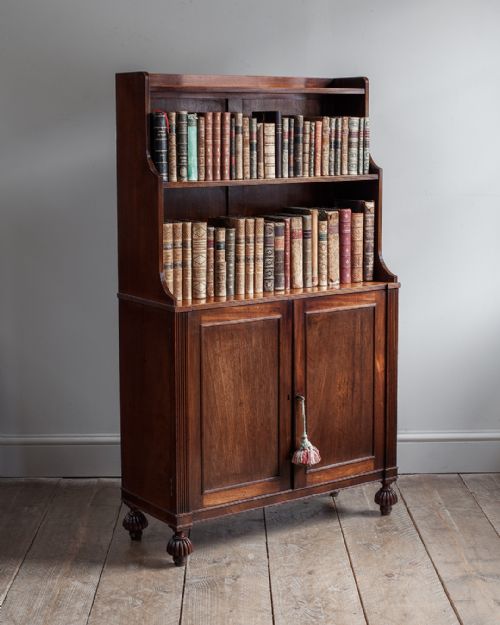
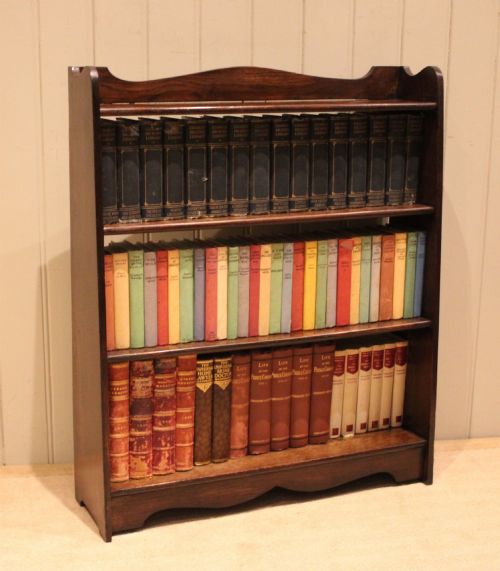
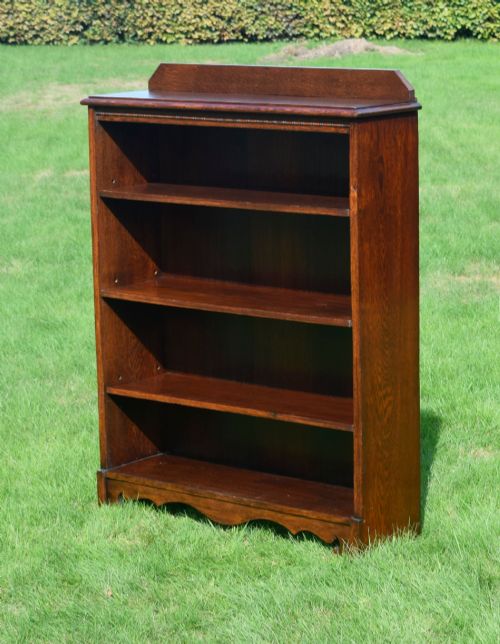
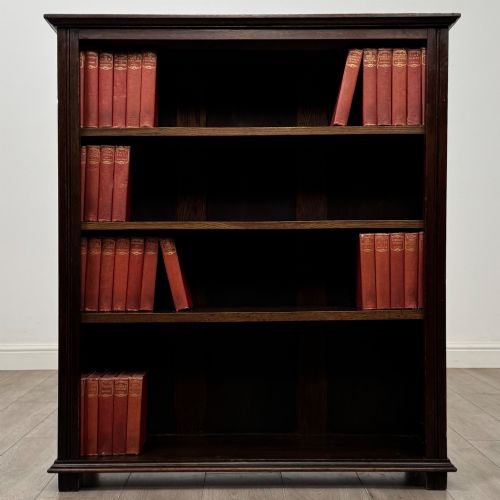
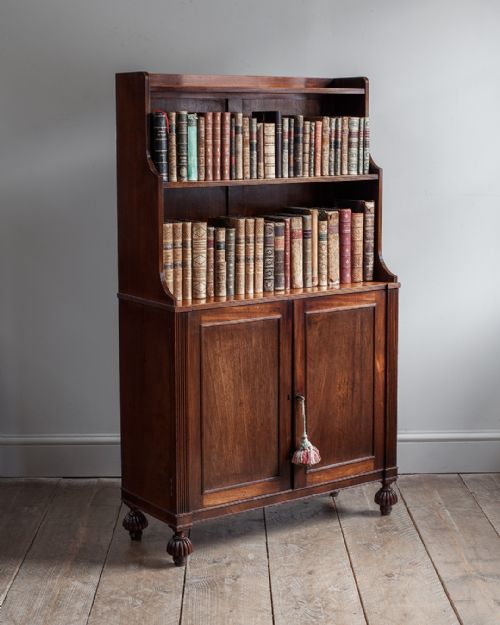
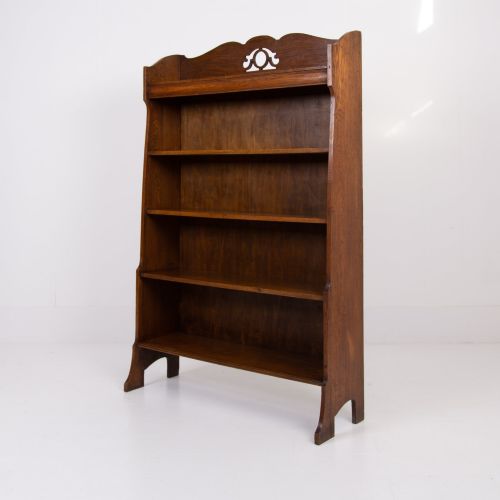
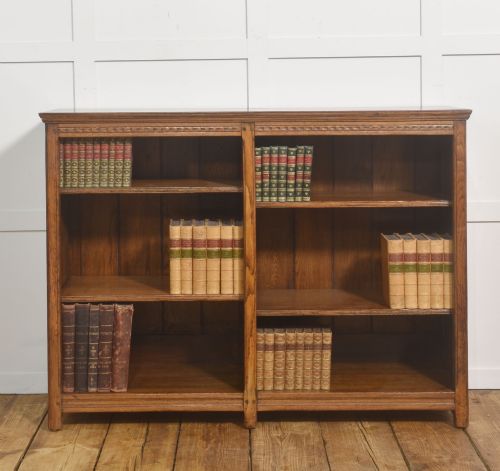
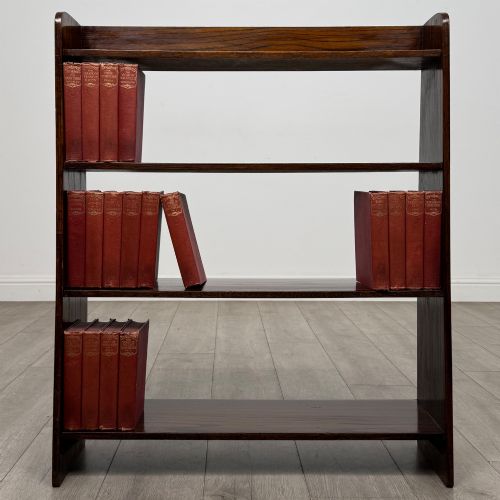
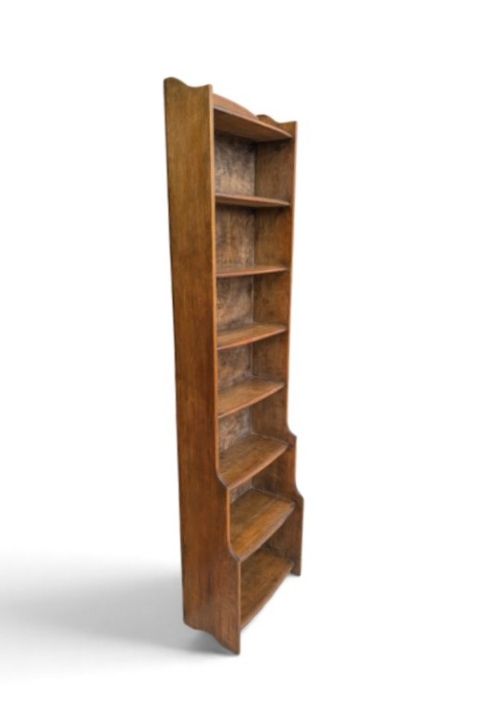
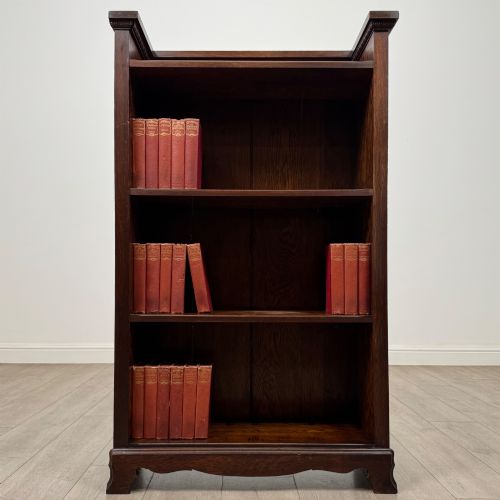
When you search for a vintage open book stand, you encounter practical oak and mahogany shelving units designed for effortless daily access to volumes. The selection on this page centres heavily on Edwardian and early twentieth century oak bookcases, alongside refined Regency mahogany waterfall designs and occasional side tables.
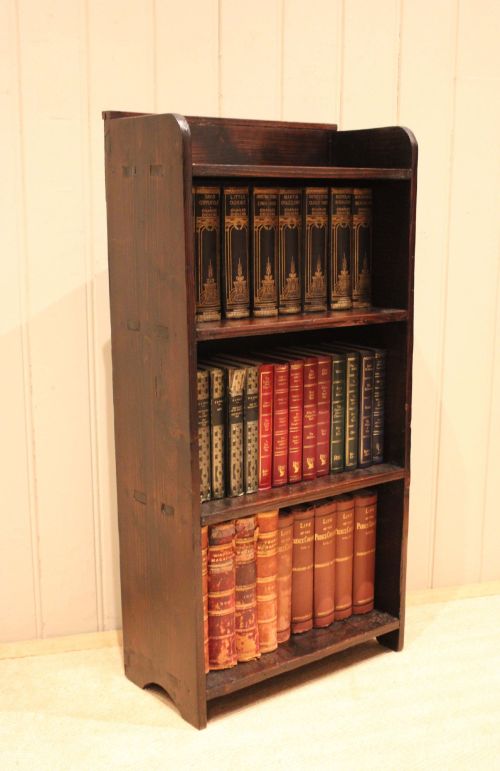
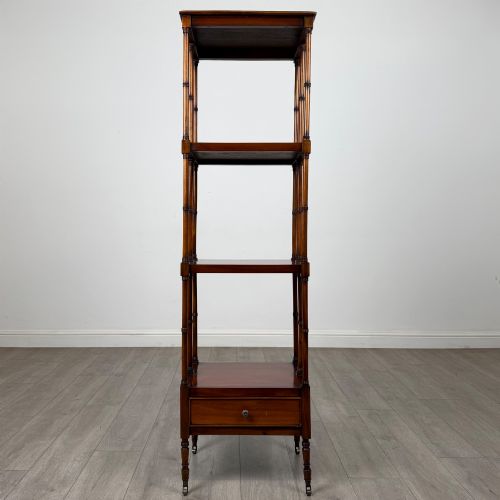
Forms range from small rustic pine numbers and angled table stands to four-tier whatnots and library bookcases fitted with adjustable shelves. These pieces serve contemporary rooms by keeping everyday reading visible and close at hand without enclosing them behind glass doors.
How they were made
Cabinet makers utilised dense hardwoods such as oak, mahogany, walnut and rosewood, often pairing them with brass castors and subtle inlay work. Construction techniques rely on sturdy timber framing, exposed beaded edges and adjustable wooden brackets that allow shelves to adapt to varying book sizes.
The surfaces display the natural grain of the wood, sometimes finished in dark or golden tones that reflect Arts and Crafts or Art Deco sensibilities. Structural stability comes from solid backs and traditional joinery rather than modern fasteners.
Vintage Open Book Stand Retail Price Guide 2026
Typical asking prices for vintage open book stand among the pieces listed under this phrase on Sellingantiques today, from the lower quarter to the upper quarter. They describe what is for sale here now, not the wider market.
Several pieces arrive ready to roll on original brass castors, built so nineteenth-century readers could chase the sunlight across the library floor.
What varies in quality
Quality rests upon the selection of timber and the precision of the joinery rather than ornate decoration alone. Pieces fashioned from figured mahogany or quarter-sawn oak with integrated brass hardware represent the upper tier of craftsmanship.
Proportion and utility also separate standard examples from finer works, such as those with adjustable shelving systems or delicate inlaid stringing. Simpler rustic pine items offer utilitarian charm, whereas formal Regency and Arts and Crafts examples display superior architectural restraint.
The Vintage Open Book Stand Glossary
- Waterfall bookcase
- A tiered shelving unit where each lower shelf steps forward beyond the one above, creating a cascading profile.
- Whatnot
- An open multi-tiered piece of furniture designed for displaying books and ornaments.
- Arts and Crafts
- A design movement prioritising simple construction, honest materials and visible handcrafting.
- Regency
- A style period defined by classical restraint, mahogany timbers and clean architectural lines.
- Adjustable shelves
- Shelving supported by moveable brackets or ratchets to accommodate books of differing heights.
Vintage Open Book Stand: Frequently Asked Questions
Where should I put an open bookcase?
These versatile stands fit neatly beside armchairs, along study walls or in hallways where quick access to books matters most. Their open sides keep rooms feeling spacious while holding everyday reading.
Position them away from direct sunlight and damp heat sources to protect the aged mahogany and oak timbers from drying out or warping over time.
How do I clean and maintain the wood?
Dust the surfaces regularly with a soft, dry cloth to prevent grit from settling into the grain. Avoid using silicone sprays or harsh chemical polishes.
Feed the timber periodically with traditional beeswax to nourish the finish and preserve the natural lustre of the oak or walnut.
Can the shelves be adjusted?
Many examples feature adjustable shelves supported by traditional wooden or metal fittings. This allows you to alter the shelf spacing for larger volumes.
Take care when shifting the timber boards to avoid damaging the inner lining of the upright supports.
What is the difference between Edwardian and Regency styles?
Edwardian pieces frequently utilise golden or dark oak with straightforward utility, reflecting early twentieth-century domestic needs. Regency pieces favour rich mahogany, graceful waterfall tiers and classical proportions derived from the early nineteenth century.
Both styles offer open access, but Regency designs lean towards formal elegance while Edwardian items emphasise practical everyday storage.