
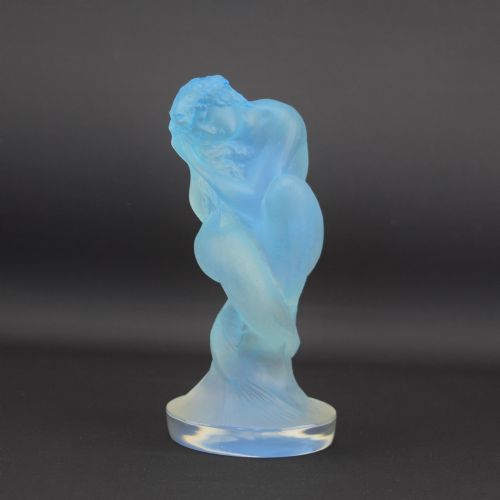
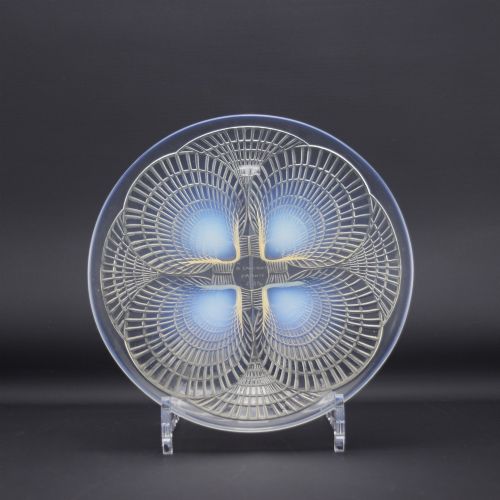

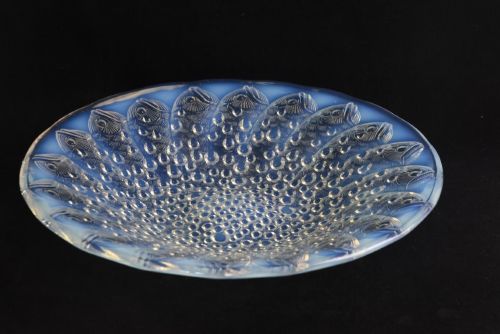
Vintage Opalescent Glass
Vintage opalescent glass catches the light with milky blue and amber tones, turning simple vessels and lamps into shifting luminous objects.
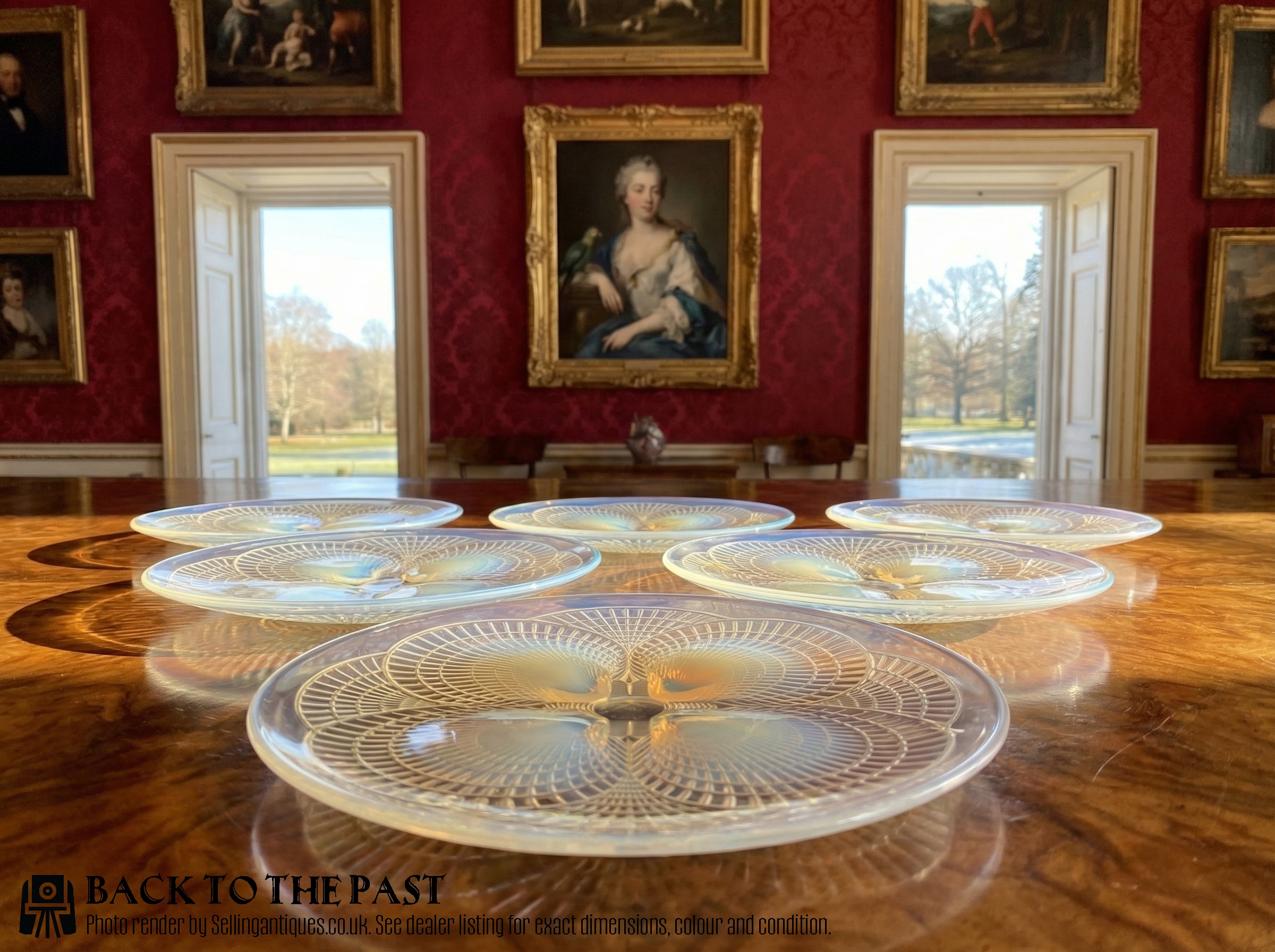
Vintage Opalescent Glass
When you search for vintage opalescent glass, you encounter items designed to scatter and reflect light through a milky, translucent body that shifts in colour depending on the angle of illumination. The selection spans the Victorian and Edwardian eras through to the Art Deco and mid-twentieth century periods.
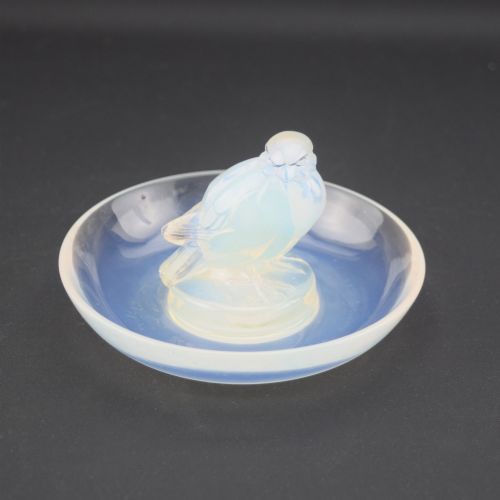
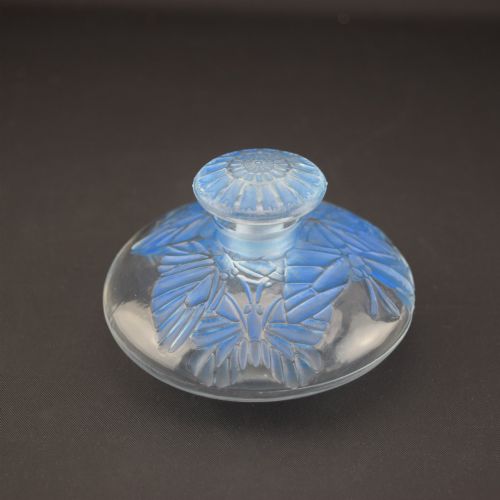
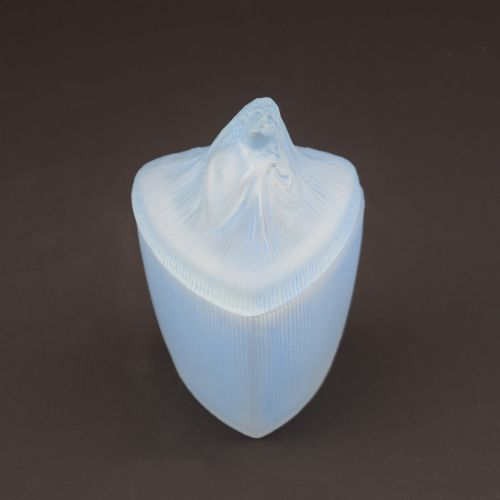
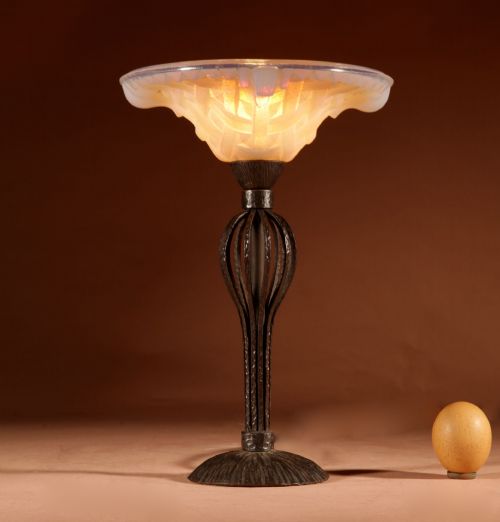
Vessels take many forms, appearing as decorative bowls, perfume bottles, lighting shades, and figural ornaments. Pieces emerge from French and British workshops, often combining moulded glass with mounts in brass, copper, or wrought iron.
The most common examples on this page date from the nineteen-twenties and nineteen-thirties, reflecting the strong influence of the Art Deco style on glass production.
How they were made
Makers achieved the milky, light-catching quality by adding bone ash or arsenic to the molten batch, which caused microscopic particles to separate during cooling and scatter the light. Items were then hand-blown, pressed into metal moulds, or cast using lost-wax methods to achieve high relief and sharp detail.
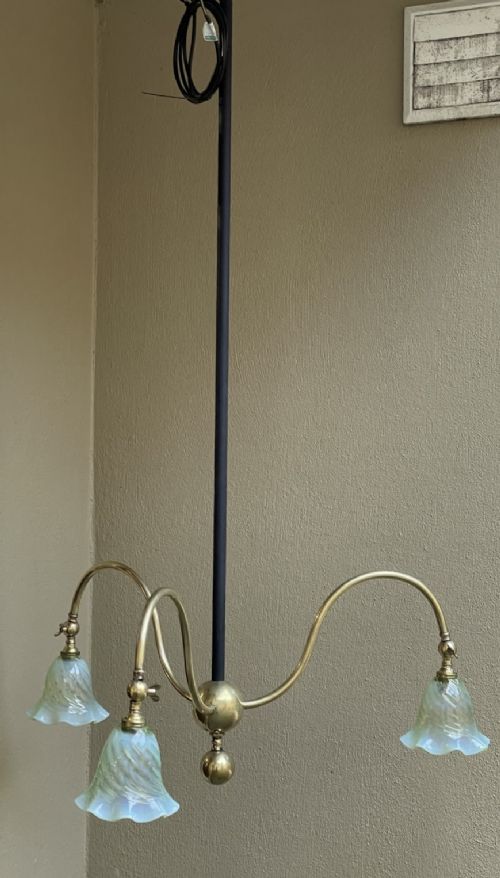
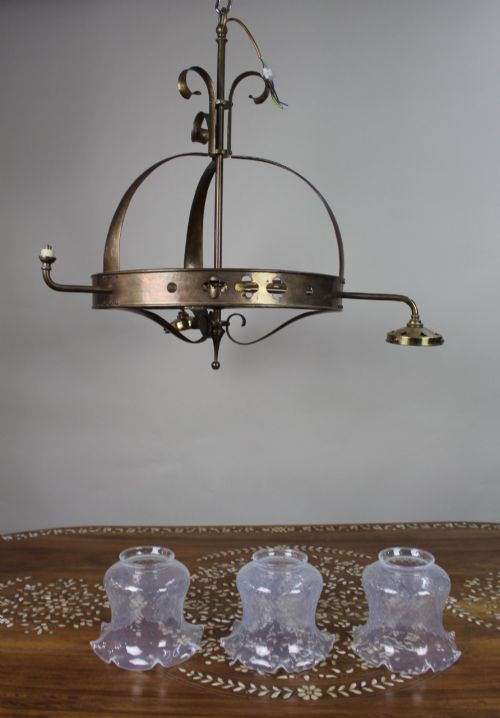
Metal components such as brass, copper, and wrought iron were frequently paired with the glass for ceiling lights, gasoliers, and table lamps, providing structural support through period metalwork techniques.
Listings span the nineteenth century through the 1940s, uniting Art Nouveau, Art Arts and Crafts, and Art Deco design styles.
What varies in quality
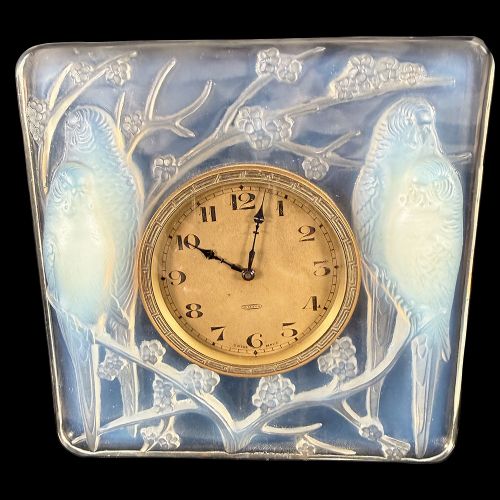
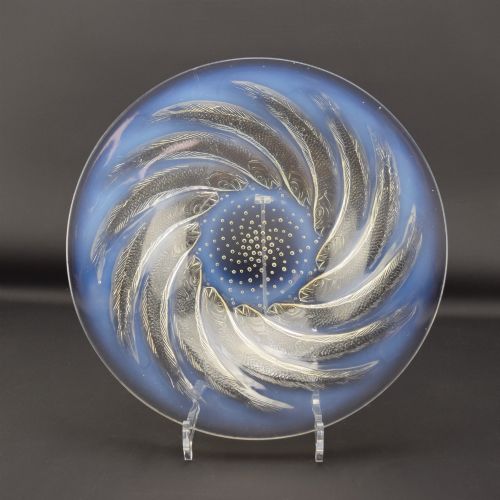
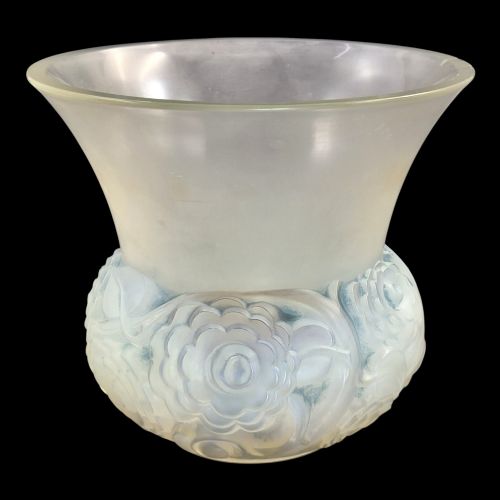
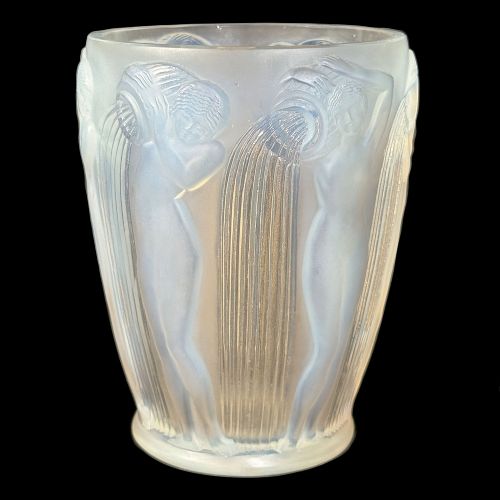
The degree of optical play separates standard production items from masterworks, with superior pieces showing a deep contrast between milky blue highlights and warm amber tones when backlit. Sharpness of moulding and crispness in high-relief motifs like fish, birds, or flora determine the fineness of the finished object.
The integration between the glass body and any metal mounts, whether brass or wrought iron, demonstrates the original craftsmanship of the piece.
Rene Lalique·G Vallon·Etling·Jobling
The Vintage Opalescent Glass Glossary
- Opalescent glass
- Glass that diffuses light through suspended particles, creating a milky appearance with shifting blue and amber tones. This optical effect defines the category.
- Coupe ouverte
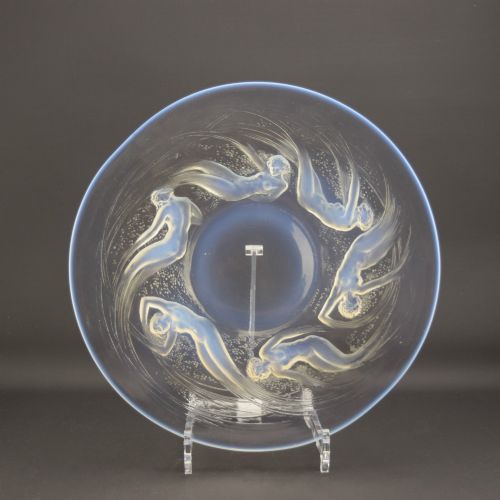
- An open bowl or shallow dish used for display or as a centrepiece. These items often feature moulded floral or animal motifs along the rim.
- Car mascot
- A sculptural glass ornament mounted on the radiator cap of an automobile during the early twentieth century. Many were produced by leading glass artists of the Art Deco period.
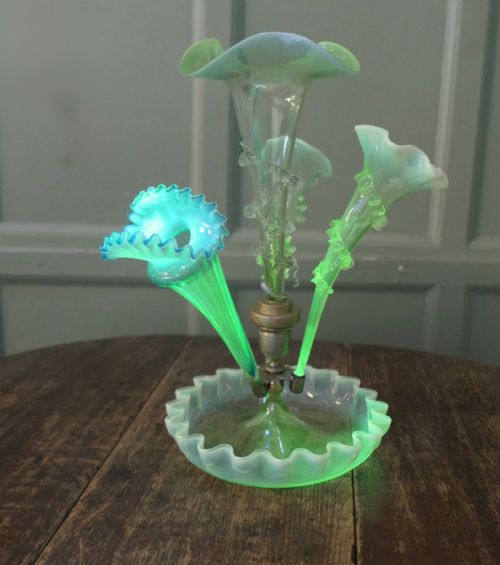
- Epergne
- A tabletop centrepiece ornament featuring multiple trumpets or vases for holding fruit or flowers. Examples can incorporate coloured glass and metal frames.
Vintage Opalescent Glass: Frequently Asked Questions
What is vintage opalescent glass?
Vintage opalescent glass refers to decorative and functional items made from the late nineteenth century to the mid-twentieth century that utilise special chemical agents to create a milky, light-diffusing body.
These objects catch and scatter light, shifting in colour from pale blue to warm amber depending on the viewing angle and the source of illumination.
How do I style these glass pieces?
Display these items where natural light can pass through them, such as near windows or on open shelving, to activate the shifting colour effects. Ceiling lights and pendant shades require proper positioning to highlight the moulded glass textures when illuminated.
Pairing bowls and vases with neutral surfaces allows the milky tones and relief details to stand out clearly.
How do I date opalescent glass?
Dating relies on stylistic markers, such as the curved floral motifs of the Art Nouveau period or the geometric relief patterns typical of Art Deco design from the nineteen-twenties and nineteen-thirties. Maker signatures, registration numbers, and associated metal mounts also provide secure chronological markers.
Earlier Victorian pieces often feature hand-blown construction and pairing with brass gasolier fittings.
Were these items used daily?
Many pieces served practical functions in domestic and public spaces, functioning as perfume bottles, tableware, clock faces, and lighting fixtures in town halls and private homes. Perfume bottles held scents on dressing tables, while bowls and plates served dining purposes.
Lighting elements provided functional illumination while adding decorative warmth to period interiors.