

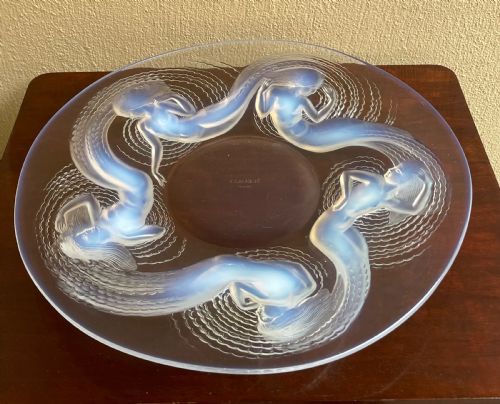


Antique Lalique Plates
Antique lalique plates are moulded glass table pieces defined by opalescent finishes and Art Deco forms.
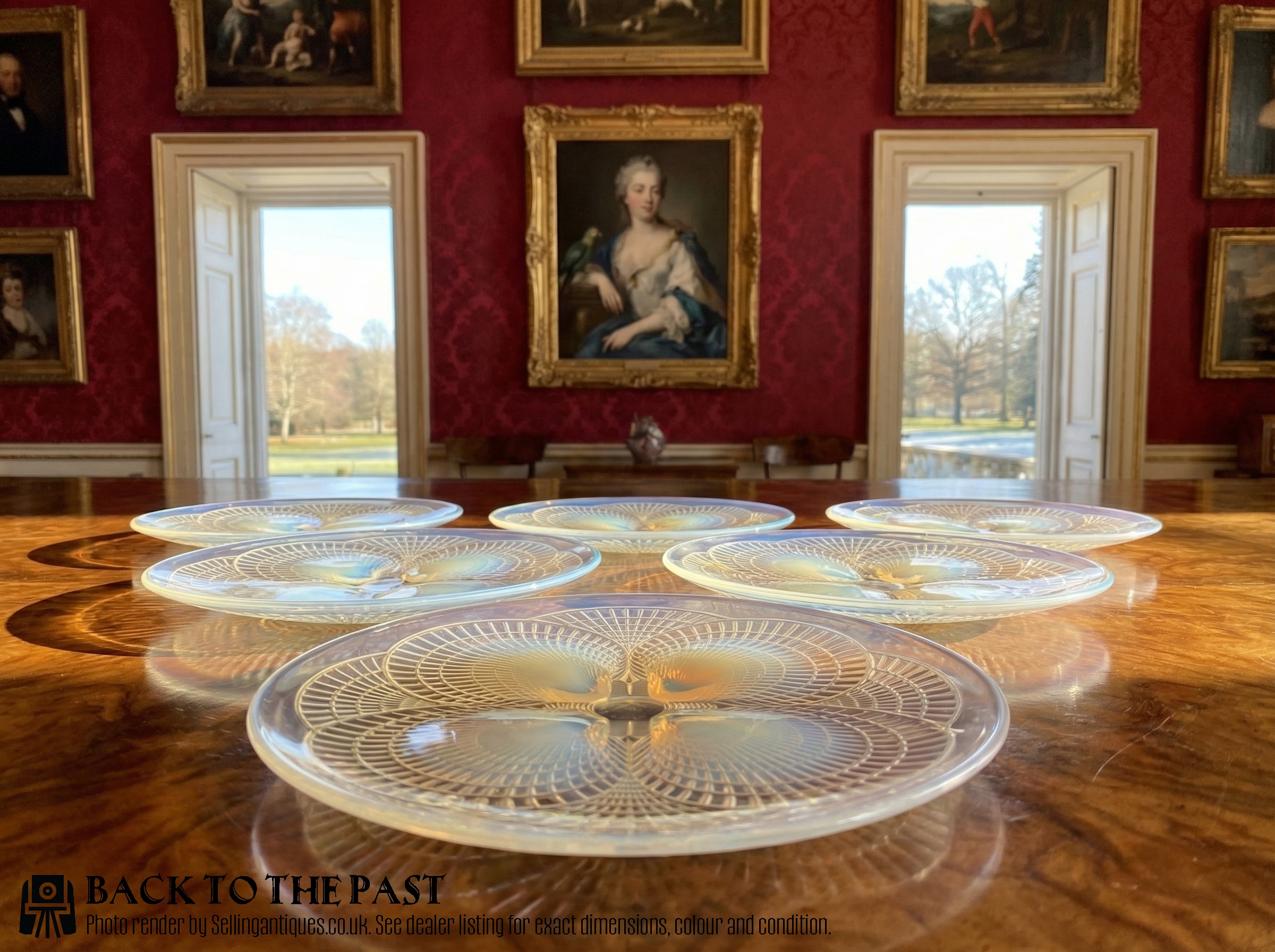
Antique Lalique Plates
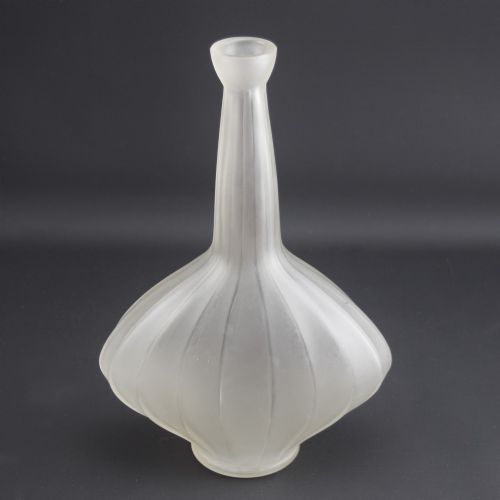
When you search for antique lalique plates, you find moulded glass tableware and decorative dishes dating from the early decades of the twentieth century. These pieces encompass shallow bowls, chargers, and standard plates produced in distinct forms.
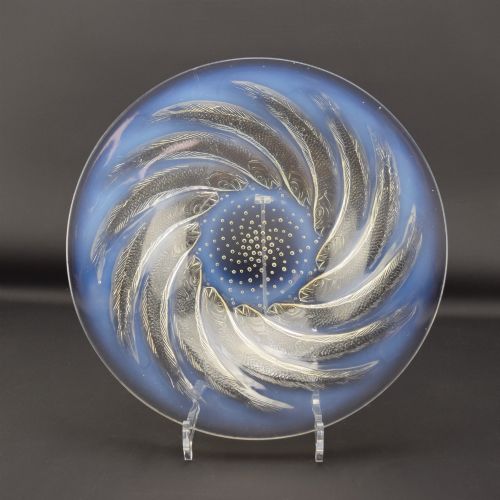
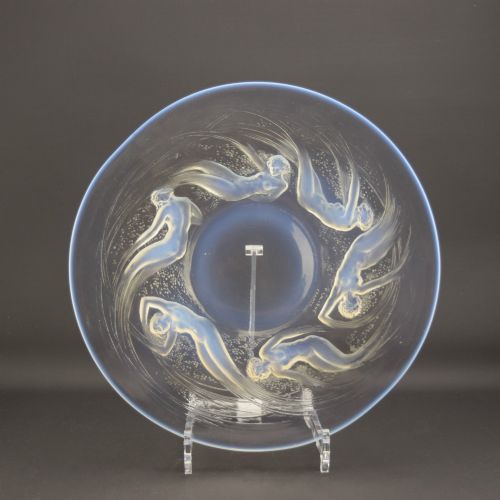
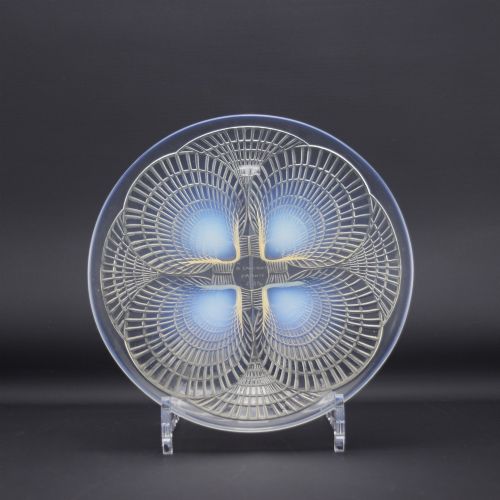
The selections here showcase specific named designs such as Poissons, Ondines, and Coquilles. Each piece reflects the decorative motifs popular during the Art Nouveau and Art Deco periods.
Buyers encounter individual plates alongside sets, ranging from standard dining sizes to large chargers and open coupes. The forms rely on glass moulding techniques to create relief patterns.
How they were made
Production relies on moulded glass techniques to shape the heavy material into distinct decorative patterns and relief motifs. Makers utilised glass presses and moulds to achieve the characteristic depth of each design.
Selected pieces incorporate an opalescent finish that shifts in tone under changing light, while others feature sepia stain to accentuate the moulded details. These surface treatments define the visual character of the glassware.
Fish, feathers, and hounds populate the glass surfaces, proving that early twentieth-century dining involved a menagerie.
What varies in quality
The distinction between standard items and finer examples rests on the crispness of the moulded relief and the depth of the opalescent effect. Stronger optical shifts in the glass indicate superior manufacturing execution.
Surface treatments such as sepia stain also determine the visual hierarchy, where precise application enhances the contrast of the moulded motifs. The integrity of the glass form itself completes the assessment.
Rene Lalique
The Antique Lalique Plates Glossary
- Opalescent Glass
- Glass that displays milky, bluish highlights and warm amber tones when viewed in different lights. This optical effect is achieved through chemical additives during the melting process.
- Moulded Glass
- Glass formed by pressing molten material into a metal or wooden matrix to create raised patterns. This technique allows for consistent production of intricate decorative reliefs.
- Sepia Stain
- A dark brownish pigment applied to the recessed areas of moulded glass to highlight the design. It provides contrast against clear or opalescent backgrounds.
- Charger
- A large decorative plate used as a base piece or centrepiece on a table. These items typically exceed standard dinner plate dimensions.
- Coupe Ouverte
- An open bowl or deep dish form utilised for serving or display. The shape provides generous space for moulded perimeter decoration.
Antique Lalique Plates: Frequently Asked Questions
What are antique lalique plates made of?
These pieces are constructed from moulded glass, often featuring an opalescent finish that shifts in colour under light.
Certain examples also incorporate sepia stain to define the relief details of the glass.
How do I identify different plate designs?
Design identification relies on recognising the specific moulded motifs, such as fish, shells, or floral patterns named in the production records.
Each pattern possesses distinct relief characteristics that separate one series from another.
Were these plates used for dining?
Many pieces function as decorative plates, chargers, and shallow bowls intended for display or specialised service.
The heavier moulded forms suit formal table settings and ornamental arrangements.
What periods do these pieces date from?
The available inventory spans the early decades of the twentieth century, specifically covering production in the 1920s and 1930s.
These dates align with the height of Art Deco and Art Nouveau glass manufacturing.