


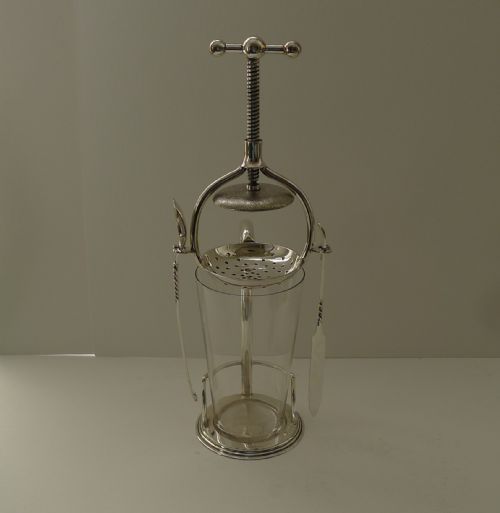


Pressed Glass Plates
Pressed glass plates are tactile table pieces caught in shifting light, bringing historical lustre and sculptural design to modern surfaces.
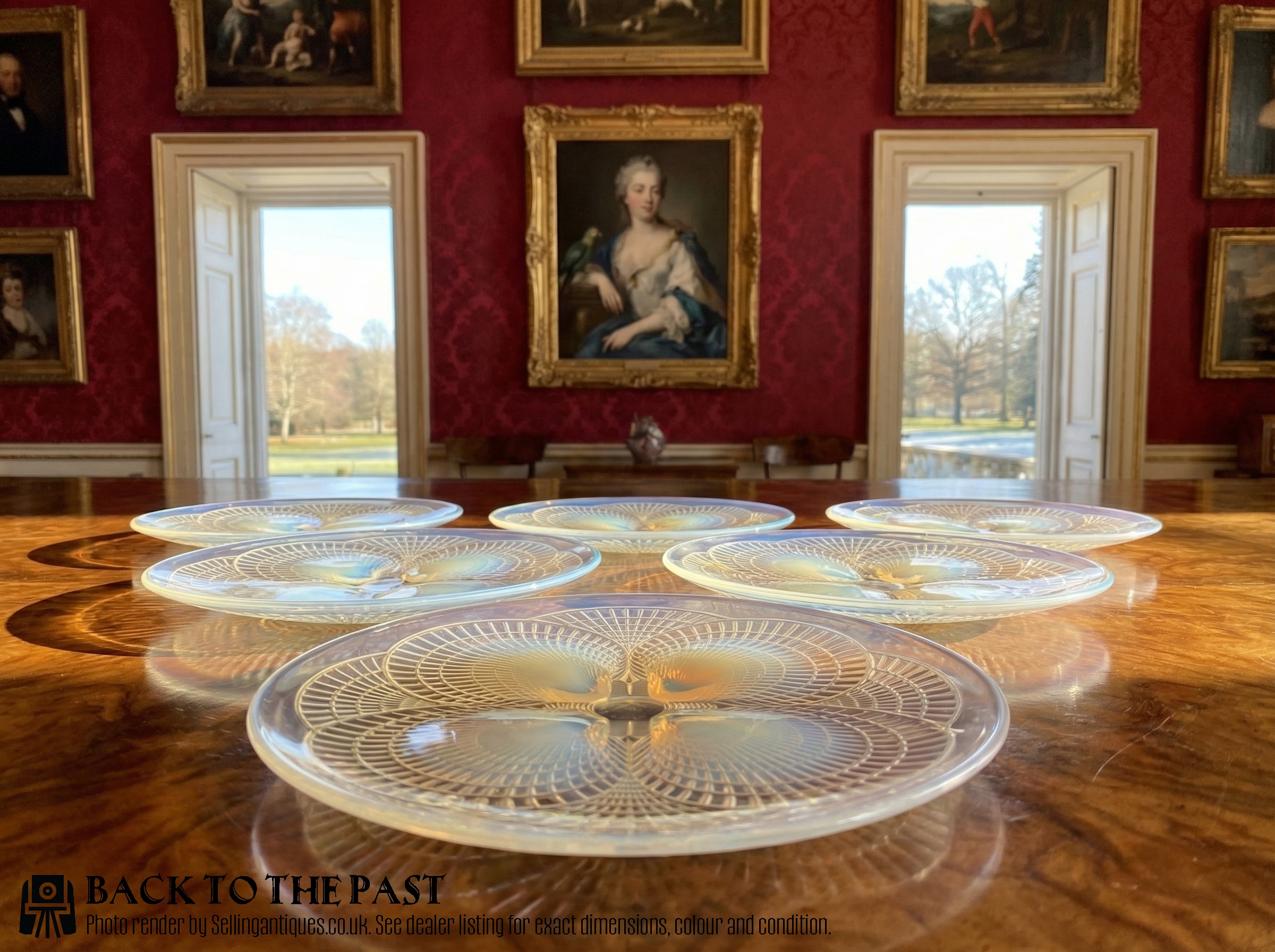
Pressed Glass Plates
When you search for pressed glass plates, you encounter domestic tableware and decorative dishes shaped by molten metal forced into a metal mould under mechanical pressure. The selections here span the Victorian era through the Art Nouveau and Art Deco periods, encompassing both British mouldings and continental designs.
The Victorian examples lean towards utilitarian tableware and serving vessels, whilst the twentieth-century pieces shift into artistic display items. You meet everything from everyday luncheon dishes to heavy opalescent chargers bearing distinct moulded motifs.
Form and function merge in these objects, appearing as flat plates, shallow coupes, elevated cake stands, and deep decorative bowls. The material origins remain strictly glass, occasionally lifted by silver-plated mounts or enriched with sepia staining.
Production methods and materials
The manufacture relies on gathering molten glass from a furnace and dropping it into a metal matrix, where a plunger descends to press the material against the outer walls. This mechanical process leaves the inner surface smooth whilst imparting intricate relief patterns onto the underside.
Makers utilised various glass formulations to alter the visual weight and finish of the object, incorporating opalescent effects that catch blue and amber tones in the light. Additional techniques include applying sepia stain into the recessed details to sharpen the contrast of the moulded figures.
Listings feature items spanning the Victorian era through the Art Deco movement, utilising opalescent glass, moulded glass, and sepia stain.
Factors determining quality
Quality rests in the crispness of the moulded relief and the depth of the optical effects within the glass body. Superior examples display sharp, well-defined motifs without the softening or blurring that occurs when moulds become worn through heavy use.
The handling of the material further separates the standard production from the exceptional, particularly in the subtle gradation of opalescence and the precise application of stain. Weight, balance, and the finish of the rim also indicate the care taken during the original workshop production.
Rene Lalique·David Davidson·Sabino
The Pressed Glass Plates Glossary
- Opalescent Glass
- Glass that exhibits a milky, semi-translucent appearance with distinct blue or amber highlights when viewed against the light. This effect occurs through controlled cooling and reheating of specific chemical additives in the batch.
- Moulded Glass
- Glass formed by pressing molten material into a metal or wooden matrix rather than blowing it by freehand. The technique allows for consistent repetitive patterns and sharp exterior reliefs.
- Sepia Stain
- A dark brownish pigment applied to the recessed portions of a glass design to accentuate the moulded imagery. Artisans wipe the surface clean so the pigment remains only within the carved crevices.
- Cake Stand
- An elevated serving platform supported by a central pedestal, used historically for presentation at the table. These pieces often feature wide pressed brims with geometric or floral borders.
Pressed Glass Plates: Frequently Asked Questions
How do I clean pressed glass plates?
Wash these pieces gently in warm water using a mild detergent and a soft cloth to protect the surface finish. Avoid abrasive scouring pads or harsh chemical cleaners that can scratch the glass or damage stained details.
Dry them immediately with a lint-free towel to prevent water spots from settling on the textured surfaces. Take particular care with elevated pedestals and silver-plated mounts during the washing process.
Are these plates suitable for daily use?
Most antique pressed glass pieces function well for serving dry foods or display purposes, though heavy historical examples deserve careful handling. The twentieth-century decorative chargers and opalescent dishes work best as centrepieces or wall displays rather than heavy kitchenware.
Consider the thickness of the glass and the presence of any delicate opalescent rims before placing them into regular rotation. Hand washing remains essential regardless of how frequently you use them.
How can I tell the period of a glass plate?
Dating relies on examining the stylistic markers, such as the naturalistic curves of Art Nouveau or the stylised symmetry typical of the 1920s and 1930s. The manufacturing signatures, colour chemistry, and mould seams also offer clues to the era of production.
Comparing the weight, opacity, and finishing techniques against known historical examples helps establish a reliable timeline. Documentation or moulded signatures on the base provide definitive confirmation where present.