
Vintage Omega Wristwatch
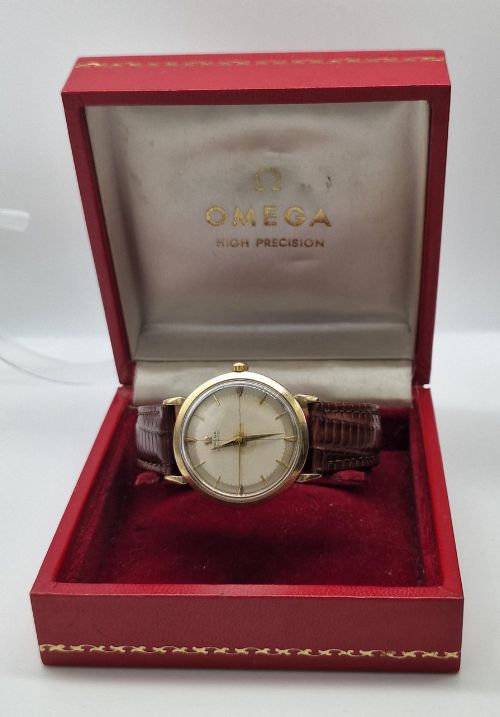
When exploring a vintage omega wristwatch, you enter a rich field of mid-century horology spanning stainless steel, solid gold, and classic mechanical calibres.
Vintage Omega Wristwatch
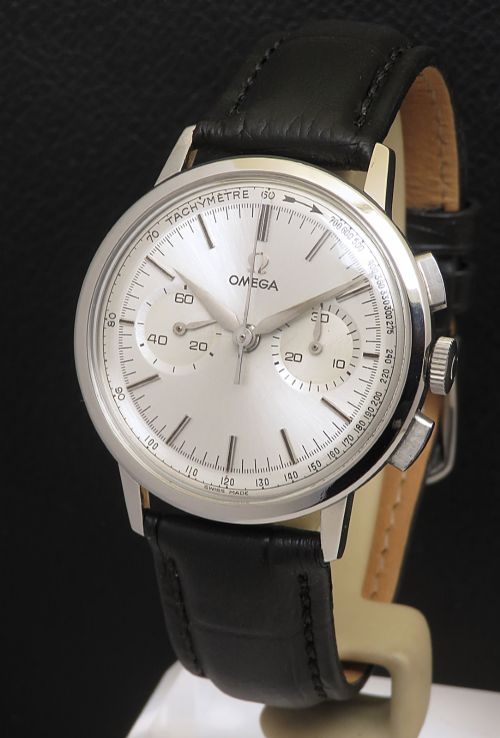
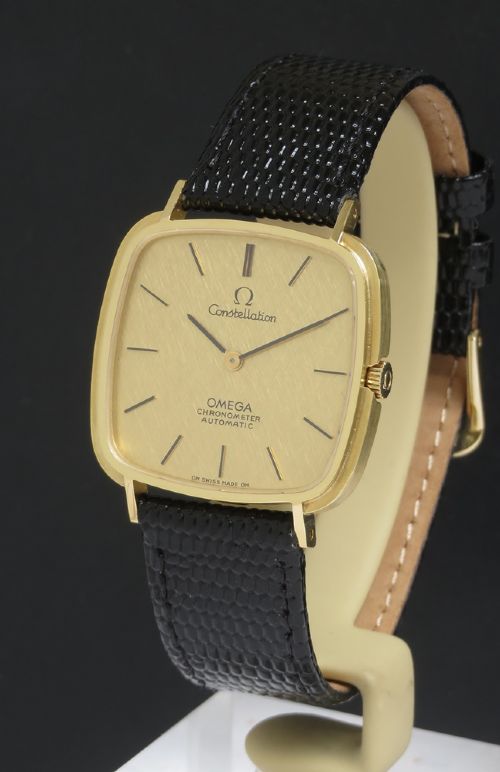
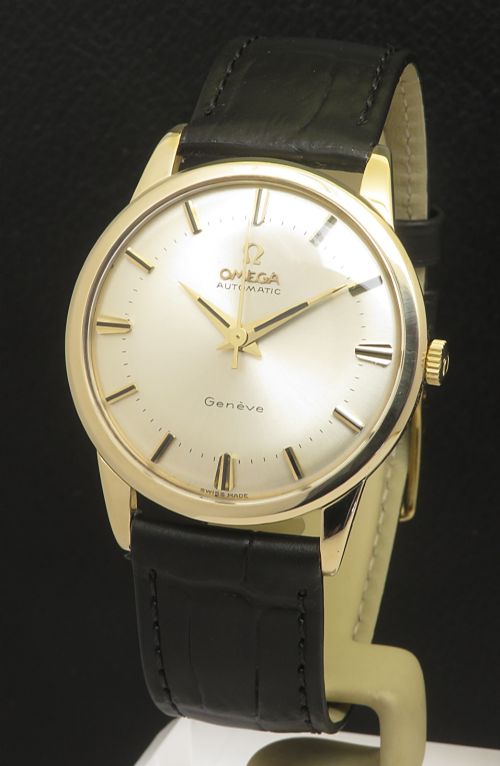
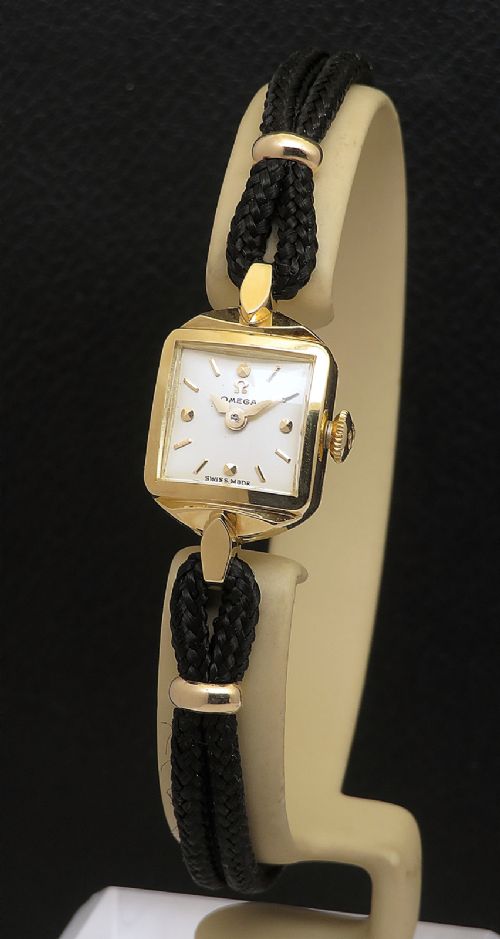
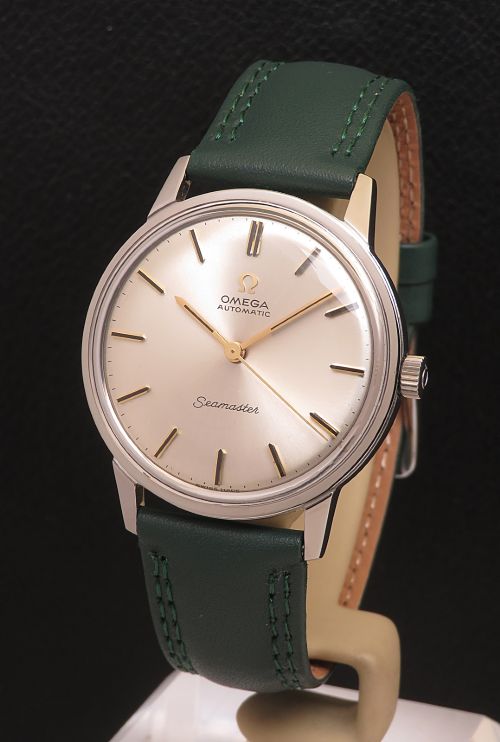
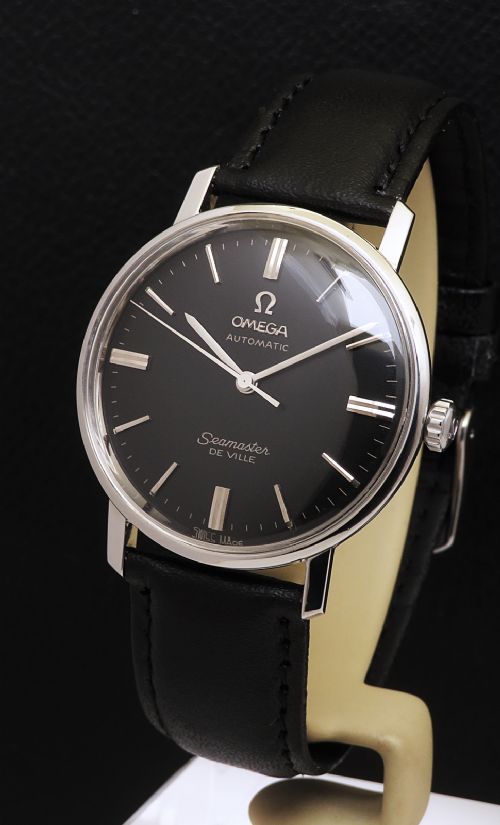
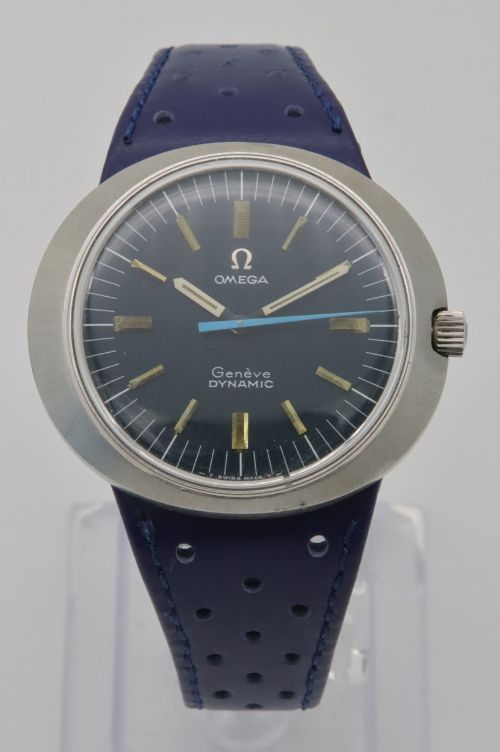
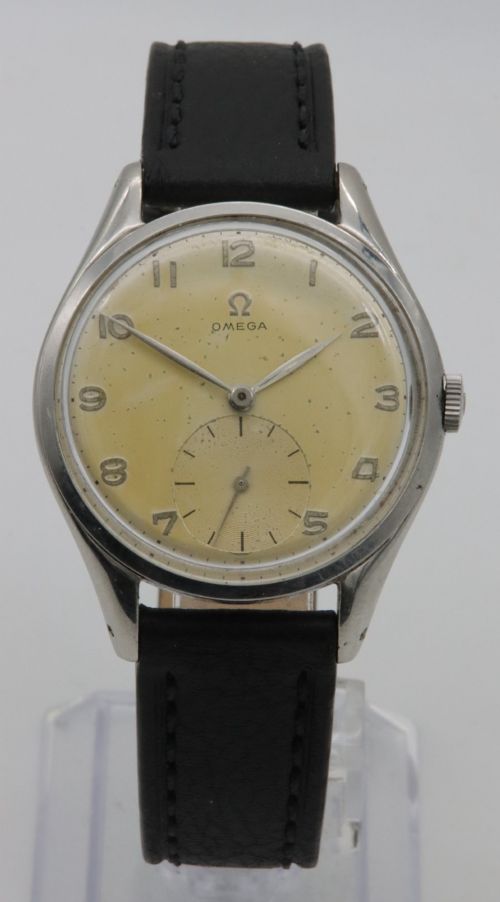
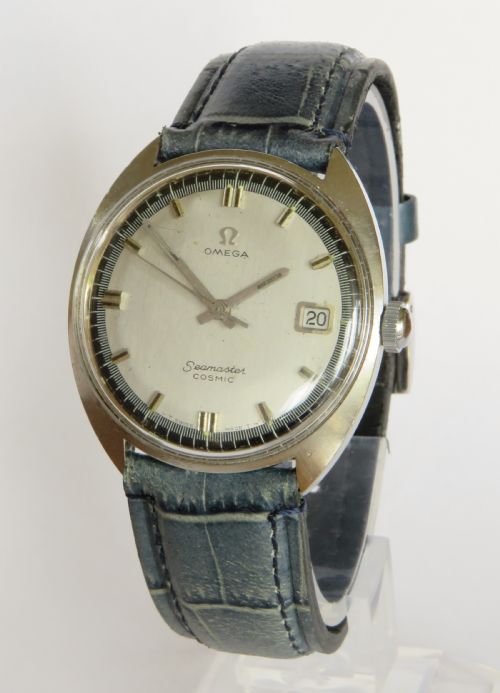
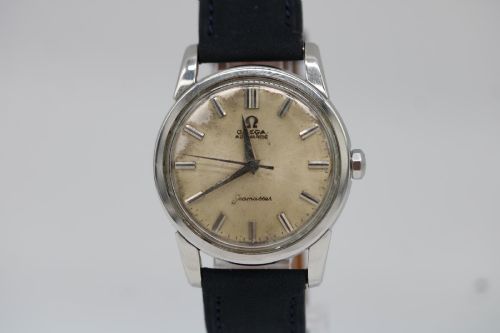
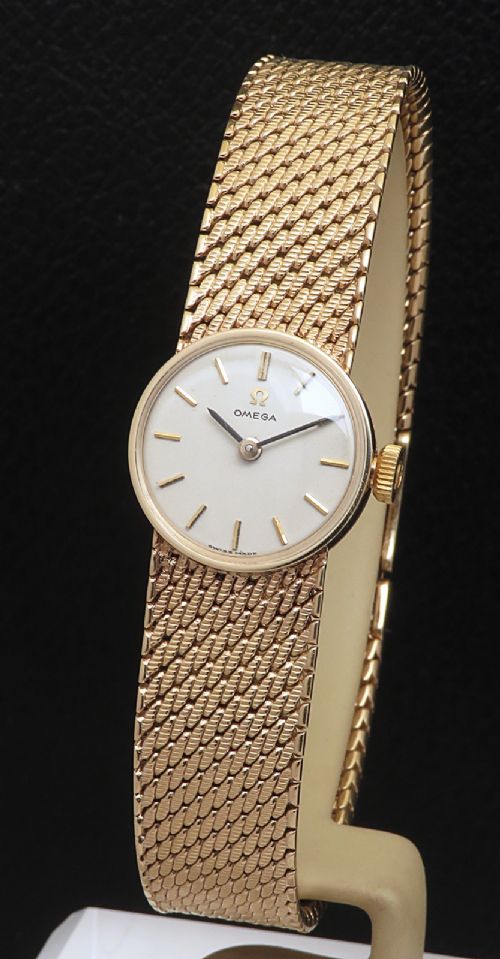
A vintage omega wristwatch represents a major era of Swiss watchmaking, with pieces originating from the 1930s through to the 1960s and beyond. Buyers encounter iconic families like the Seamaster, Geneve, and Constellation alongside specialised military and dress designs.
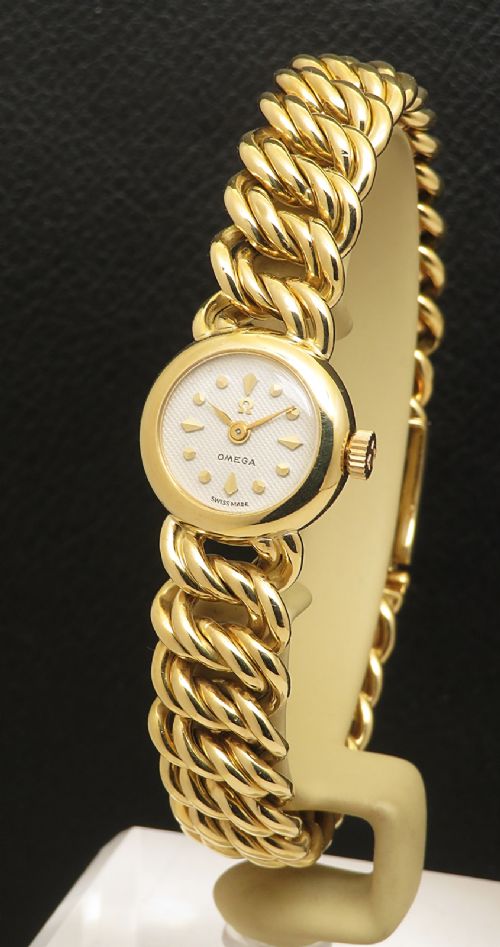
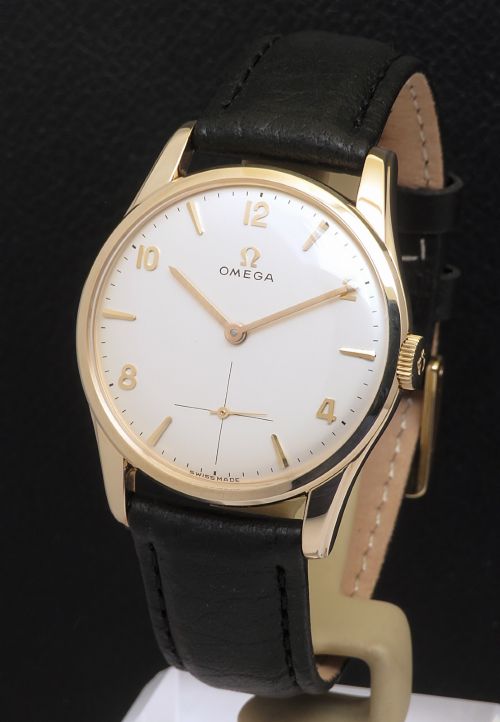
The selections available range from sturdy stainless steel daily wearers to precious metal cocktail and dress watches housed in 9ct and 18ct gold cases. Many examples retain original dials, hands, and signed winding crowns from their respective decades.
How they were made
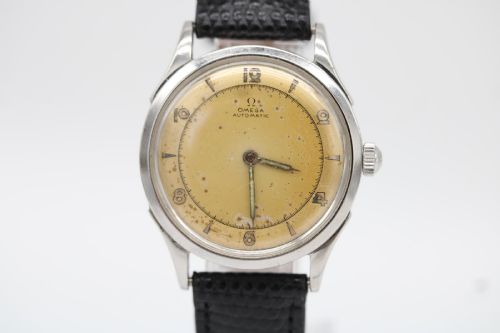
Cases were forged from stainless steel or cast in solid 9ct and 18ct gold, often paired with acrylic glass crystals and leather straps. Movements relied on precision mechanical engineering, utilising manual wind mechanisms or early automatic winding systems such as bumper rotors.
Dials were meticulously printed and finished with applied hour markers, while specialised models incorporated waterproof gaskets, rotating bezels, or chronograph complications. Components were hand-assembled by watchmakers using proprietary calibres designed for long-term serviceability.
Vintage Omega Wristwatch Retail Price Guide 2026
Typical asking prices for vintage omega wristwatch among the pieces listed under this phrase on Sellingantiques today, from the lower quarter to the upper quarter. They describe what is for sale here now, not the wider market.
Drivers edition models rotated the dial sideways so motorists could check the time effortlessly while keeping both hands firmly on the steering wheel.
What varies in quality
The preservation of the dial dictates much of the standing within this category, as untouched patinated or pristine factory finishes hold greater horological interest than heavily refinished surfaces. Case geometry also plays a defining role, with sharp edges, deep hallmarks, and unpolished profiles distinguishing superior examples.
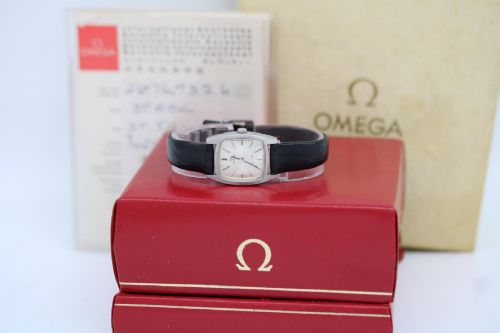
The complexity and condition of the internal movement further separate tiers of pieces, ranging from standard manual wind calibres to certified chronometer grades equipped with sophisticated adjustment mechanisms. Inclusion of original period boxes, papers, and signed buckles elevates the completeness of a piece.
The Vintage Omega Wristwatch Glossary
- Calibre
- The specific internal mechanical movement manufactured by the house. Each calibre number corresponds to a distinct technical design and layout.
- Bumper automatic
- An early self-winding mechanical movement where the rotor swings through a limited arc and rebounds off springs. This motion is physically felt on the wrist during wear.
- Chronometer
- A high-precision mechanical watch that has been officially tested and certified for accuracy under various temperatures and positions.
- Reference number
- The specific factory code assigned to a watch model. It identifies the case style, material composition, and intended movement type.
- Honeycomb dial
- A textured dial face featuring a raised grid pattern resembling a honeycomb. This decorative finish was popular during the 1950s.
Vintage Omega Wristwatch: Frequently Asked Questions
How do I wind a manual vintage Omega?
Gently rotate the crown clockwise between your thumb and forefinger until slight resistance is felt. Stop immediately to avoid over tensioning the mainspring.
For daily wear, wind the watch at the same time each morning to maintain consistent power and accurate timekeeping across the mechanical movement.
What is a bumper automatic movement?
A bumper automatic utilises a weighted rotor that swings back and forth within an arc rather than rotating in a full circle. You will feel a gentle tap on your wrist as the rotor hits the internal bumper springs.
This mechanism represents an important transitional technology between manual wind watches and modern full-rotor automatic calibres.
Can I wear a vintage Omega every day?
These timepieces were built for daily use, and many owners enjoy them as regular companions. Regular servicing by a qualified horologist ensures internal oils remain fresh and gears operate smoothly.
Take care to shield manual and automatic models from strong magnetic fields, shocks, and extreme temperature shifts to preserve their mechanical integrity.