


Vintage Oak Pendulum Clock
A vintage oak pendulum clock brings the steady rhythm of mechanical timekeeping into a room through rich timber cases and brass dials.
Vintage Oak Pendulum Clock
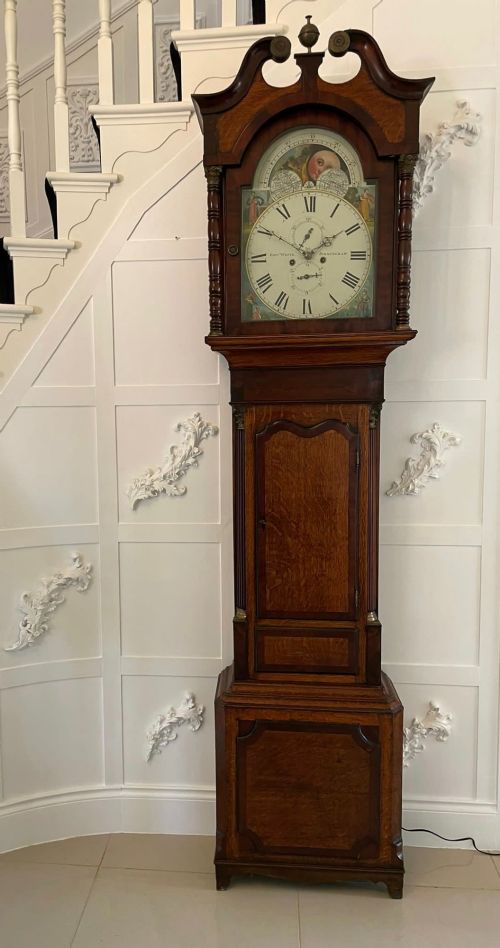
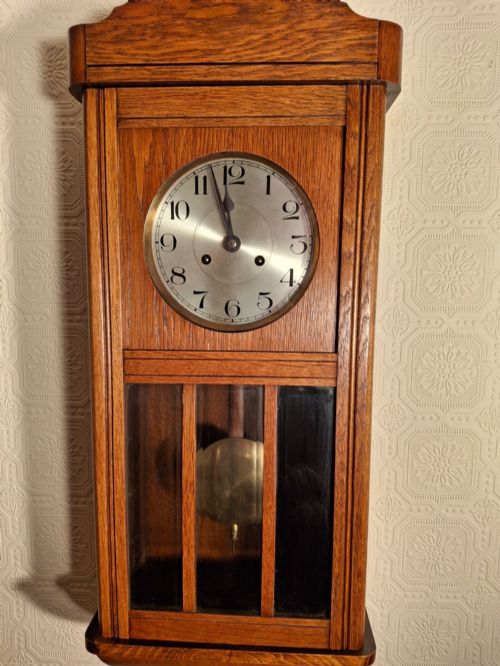
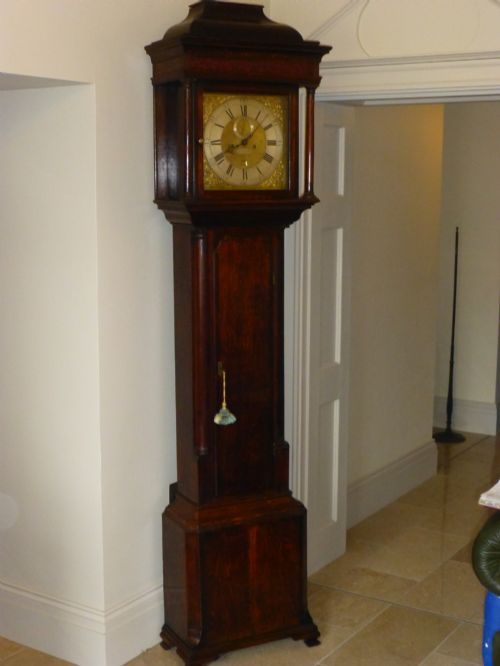
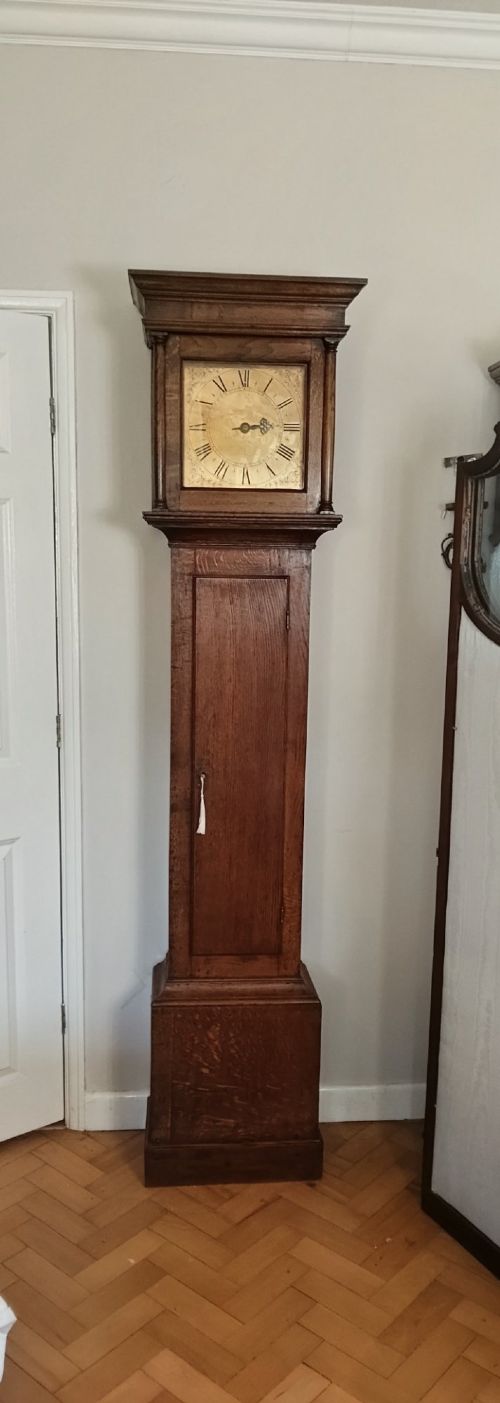
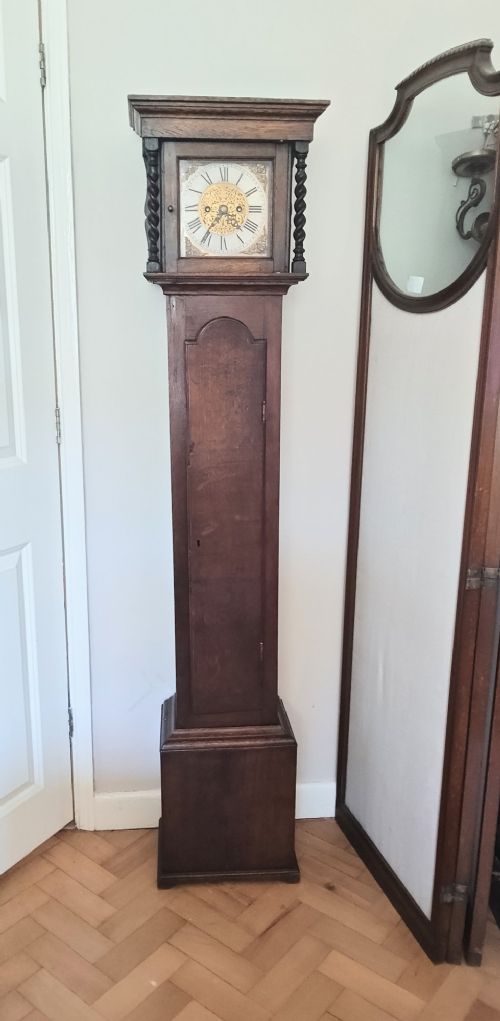
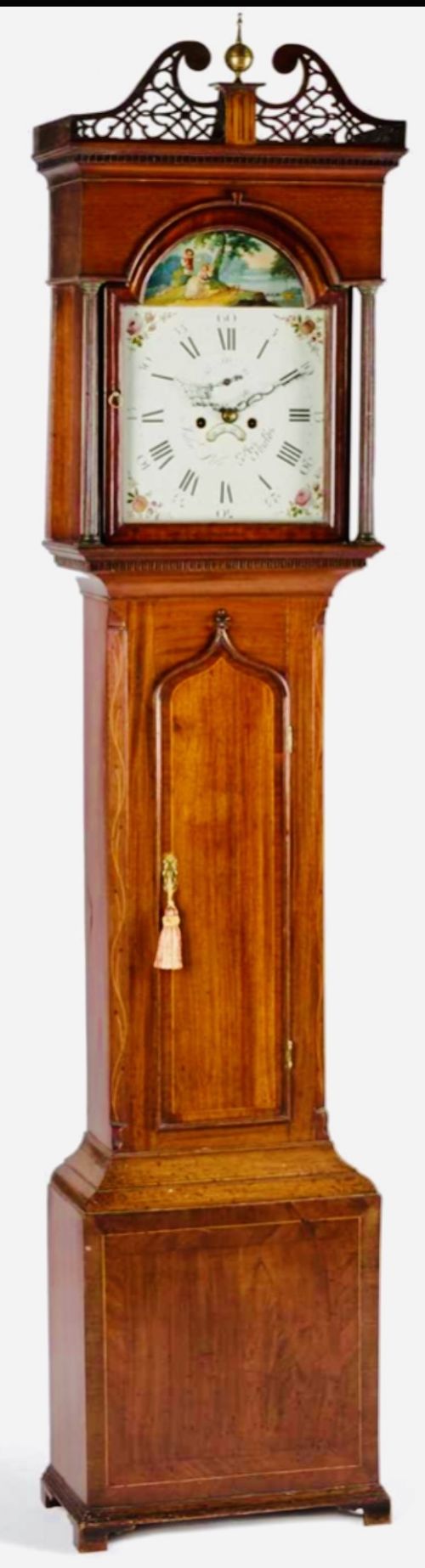
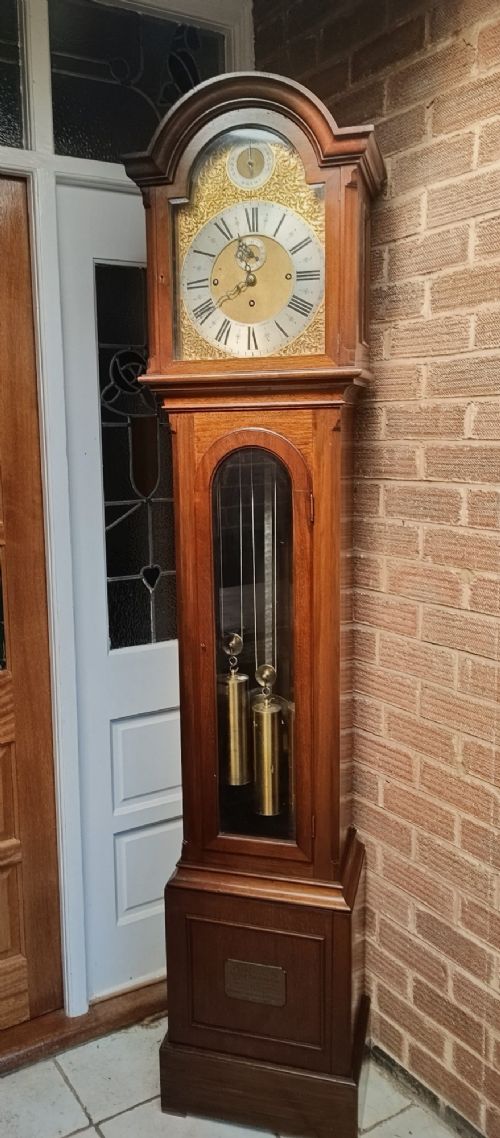
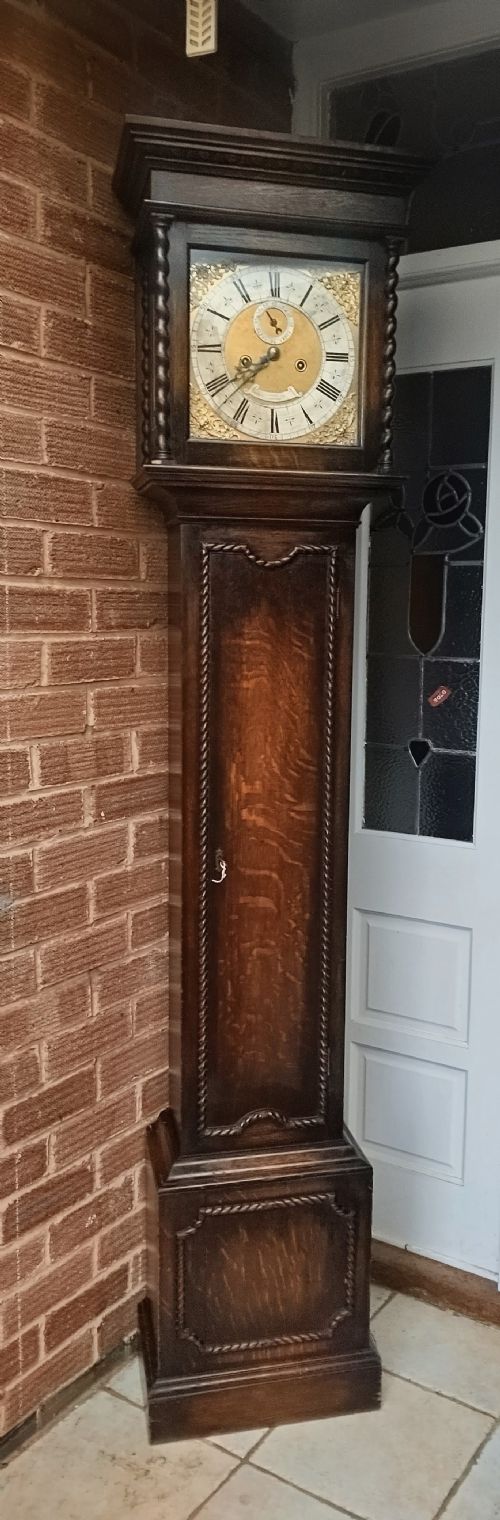
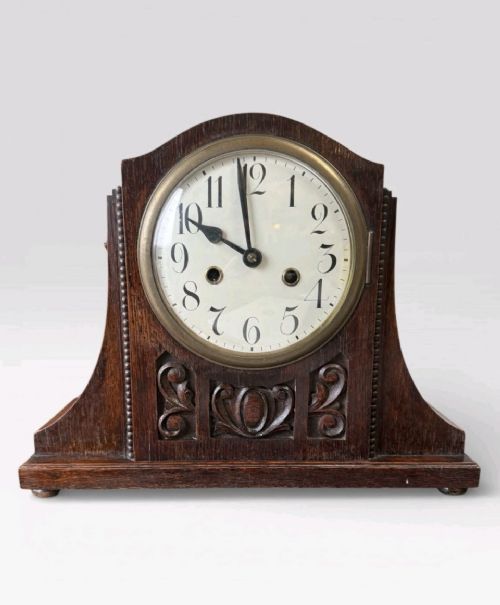
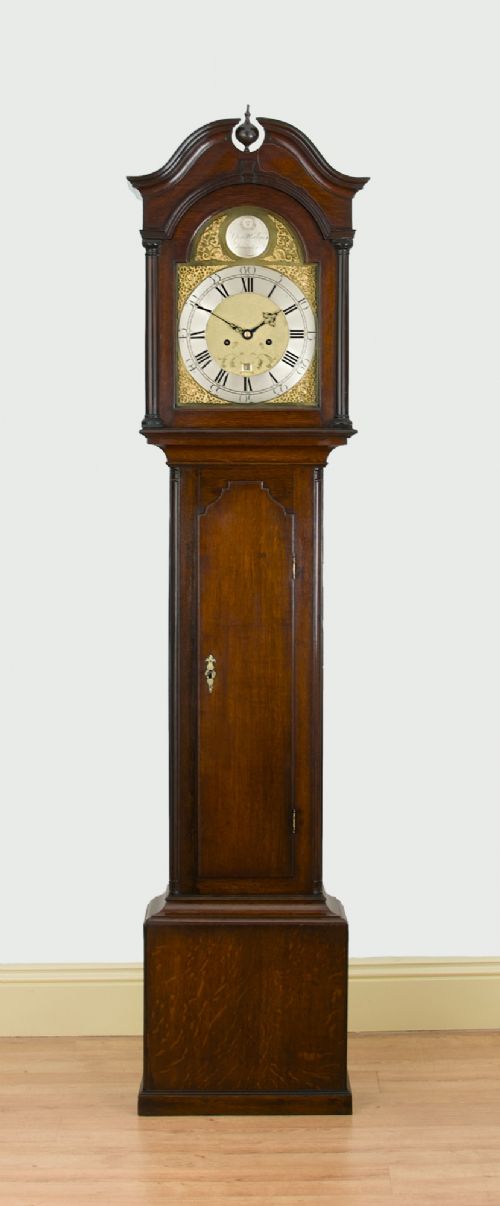
When you search for a vintage oak pendulum clock, you encounter timepieces spanning from the eighteenth century through to the mid-twentieth century. The selection ranges from tall floor-standing longcase and grandfather models to wall-mounted drop-dial clocks and compact mantel variants.
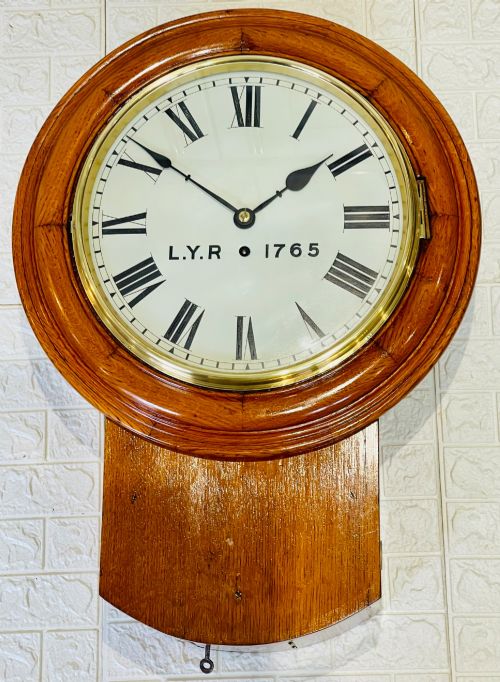
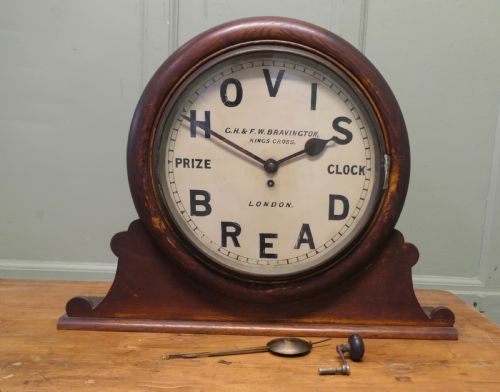
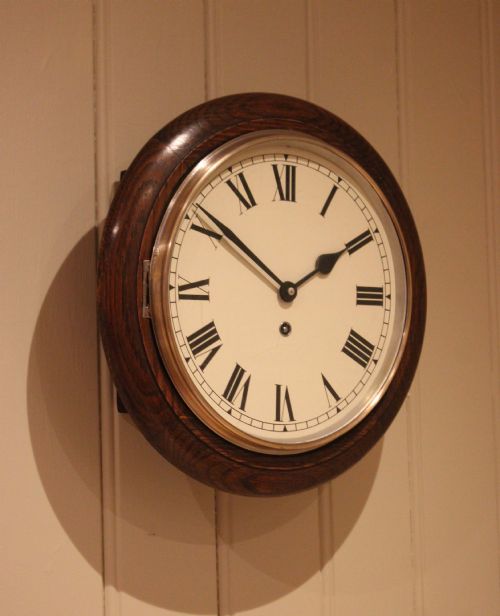
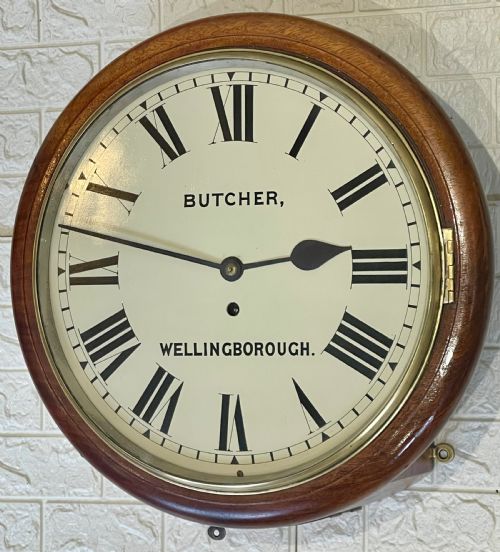
The dominant forms on this page reflect traditional cabinetmaking alongside later revival styles such as Jacobean, Art Nouveau, and Art Deco. Floor clocks dominate the taller architectural formats, whilst fusee movements frequently power the wall-hung circular dial versions.
Origins stretch across English provincial towns and metropolitan workshops, with occasional continental European examples appearing in walnut and carved oak. Each piece relies on a swinging pendulum to regulate its internal mechanical gear train.
Materials and construction
Makers built the structural cases primarily from solid oak, frequently incorporating secondary timbers like walnut and mahogany for banding, inlay, or secondary carcases. Brass and iron form the intricate wheel trains, plates, and weights that drive the internal mechanics.
Faces feature brass dials, painted iron, or enamel, often protected behind glazed doors or hinged bezels. Dial markers and spandrels show cast or engraved detailing, while pendulum rods combine wood and metal to counteract thermal expansion.
Listings feature oak alongside walnut, mahogany, brass, and enamel across Georgian, Victorian, and Art Deco periods.
Craftsmanship and proportion
Quality separates in the crispness of the dial engraving, the selection of figured timber grain, and the harmony of the case proportions. Finer longcase examples display well-matched quarter-veneers and robust brass movements signed by accomplished makers.
Simpler provincial pieces rely on honest local carpentry, whereas higher-tier workshop output integrates complex musical chimes, eight-day duration movements, and refined subsidiary seconds dials.
Richard Corless of Stockport·G.H & F.W Bravington London·Mappin & Webb London·Richard Prew Of Tewksbury·George Hallifax Of Doncaster·Richard Alexander Devizes·James Coster Of Henley
The Vintage Oak Pendulum Clock Glossary
- Fusee
- A conical pulley used in spring-driven clocks to maintain an even pull on the gear train as the mainspring unwinds. This mechanism ensures more accurate timekeeping throughout the running cycle.
- Longcase clock
- A tall freestanding weight-driven timekeeper housed in a wooden trunk with a base and a hood enclosing the dial. Also frequently referred to as a grandfather clock.
- Drop-dial clock
- A wall-mounted clock featuring a circular face at the top and a short trunk below to accommodate the swing of the pendulum. These were standard fixtures in railway offices and public spaces.
- Grandmother clock
- A smaller, more slender version of the traditional longcase clock, typically produced during the early twentieth century. It offers the mechanical complexity of a tall clock in a compact footprint.
- Spandrel
- The ornamental corner piece fitted between the circular chapter ring and the outer edge of a square clock dial. Earlier periods utilised cast brass foliate designs.
Vintage Oak Pendulum Clock: Frequently Asked Questions
How do eight-day and thirty-hour movements differ?
Thirty-hour movements require winding once a day and typically employ a simpler gear train driven by a single weight or spring.
Eight-day movements need attention only once a week, utilising heavier weights or twin spring barrels to sustain the longer running duration.
Where should I place a longcase clock?
Position your longcase clock against a solid interior wall where floor vibrations are minimal to ensure the pendulum swings evenly. Avoid damp areas and direct sunlight to protect the oak timber case and internal brass components.
Make sure the surface is completely level so the clock beats in proper time.
What is a fusee dial clock?
A fusee dial clock uses a chain-driven fusee mechanism connected to the escapement, ensuring steady power delivery to the pendulum.
These pieces usually hang on walls in hallways or studies, prized for their reliable timekeeping and clean circular faces.
How do I wind an antique pendulum clock?
Use the appropriate winding key to raise the weights or tension the spring barrels slowly until you feel resistance. Take care not to overwind the mechanism, as this can strain the internal parts.
Allow the pendulum to settle into an even tick after winding.