
Vintage Oak Leaf Table
A vintage oak leaf table brings centuries of practical timber craftsmanship into modern rooms through versatile expanding and drop leaf designs.
Vintage Oak Leaf Table
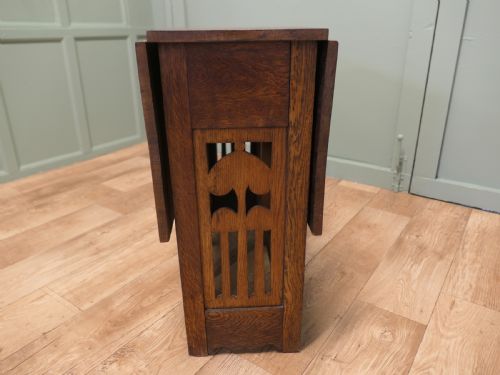
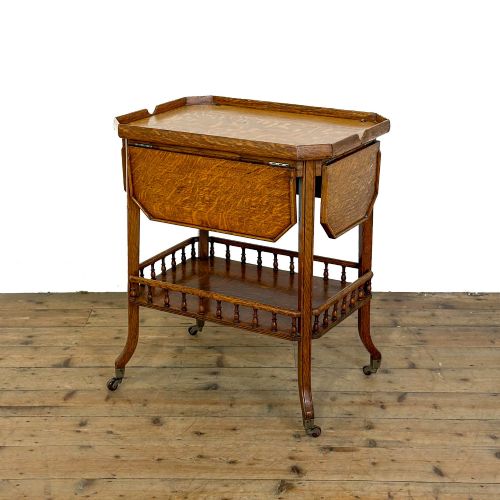
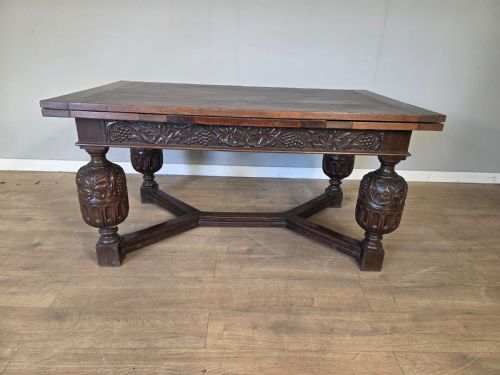
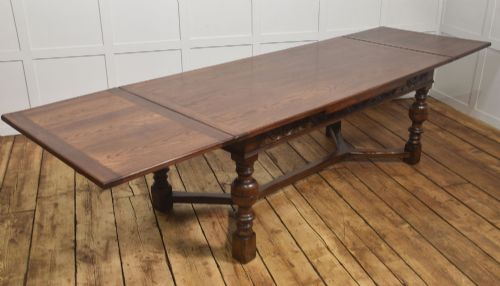
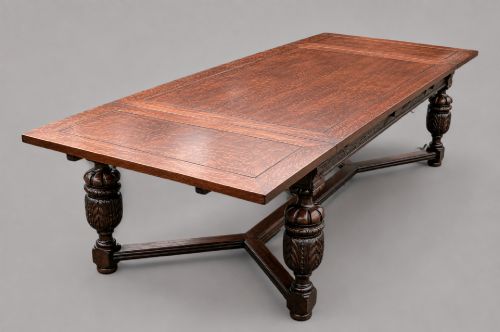
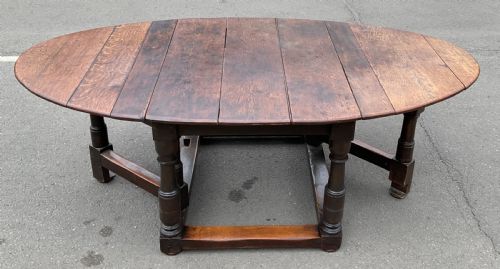
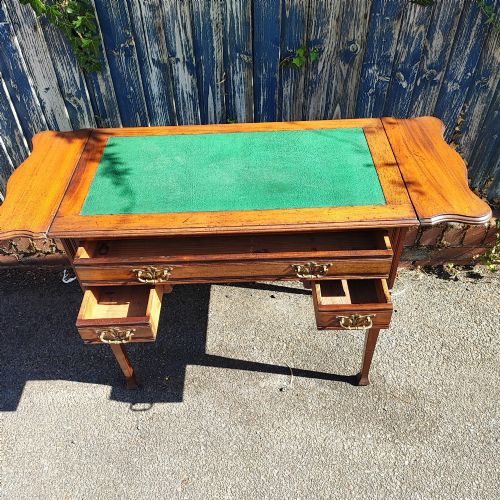
A vintage oak leaf table encompasses dining tables, side tables, and writing desks designed with leaves that extend, draw out, or drop down to alter the surface area. The selection ranges widely from early seventeenth-century gateleg forms to Edwardian and early twentieth-century draw leaf and refectory styles.
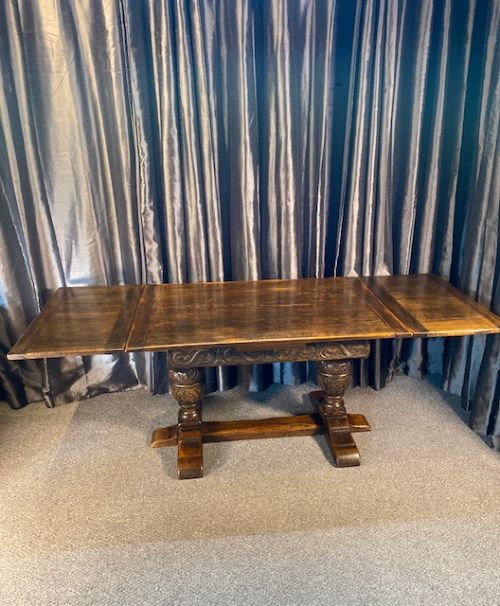
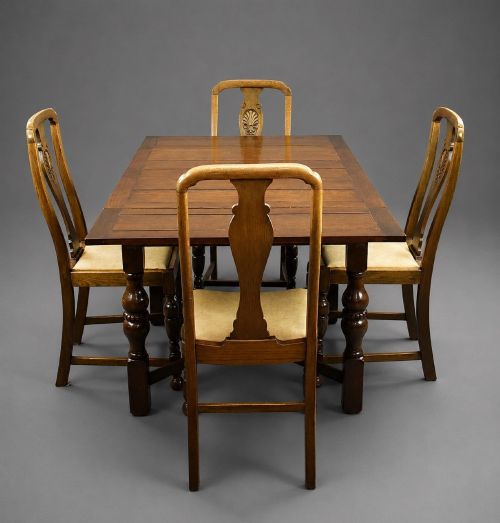
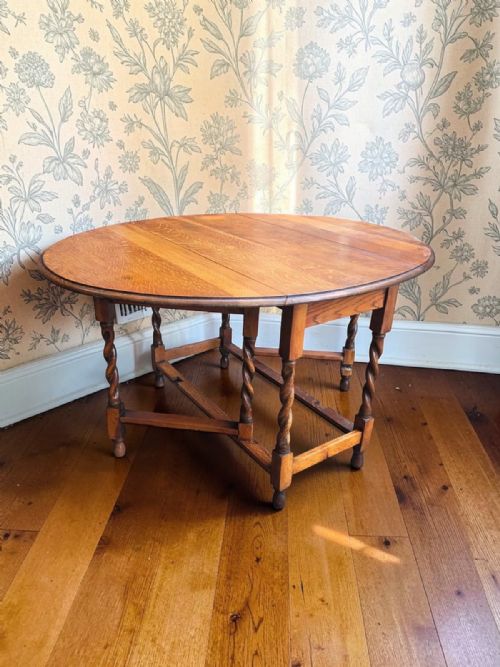
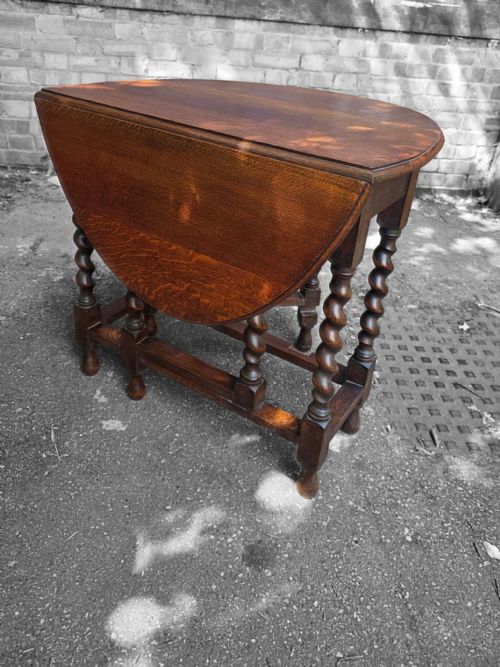
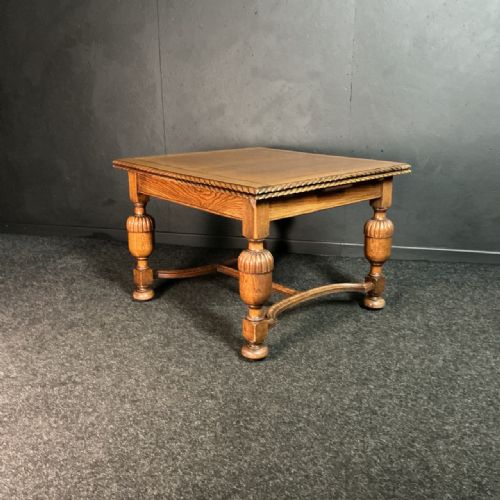
Buyers most frequently encounter early twentieth-century and Edwardian examples featuring draw leaf mechanisms or barley twist legs, alongside sturdy rustic farmhouse and Jacobean Revival interpretations built from solid timber.
These pieces served utilitarian domestic roles in kitchens and dining rooms, evolving from seventeenth-century drop leaf formats to the adaptable extension tables popular in the 1900s and 1920s.
Assessing quality and craftsmanship
Quality rests upon the selection of timber and the integrity of the extending mechanism, where solid oak boards align cleanly whether closed or fully expanded.
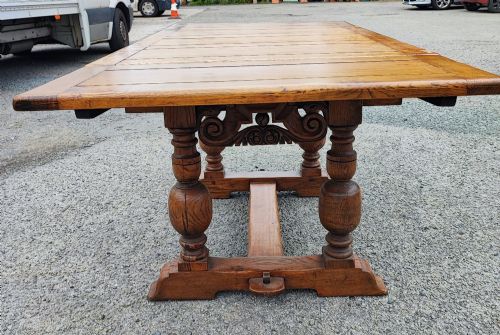
The sophistication of turnery, such as finely carved refectory stretchers or crisp bobbin and barley twist legs, distinguishes superior examples from plainer utility pieces.
Surface finish and the preservation of original patination dictate desirability, separating timber that retains its natural character from altered or heavily restored examples.
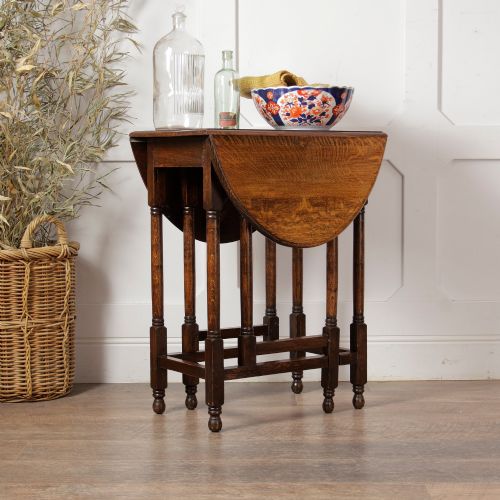
A late 17th century piece joins forces with ash and centuries of untouched patina, proving small proportions carry enduring character.
Heals
The Vintage Oak Leaf Table Glossary
- Draw leaf table
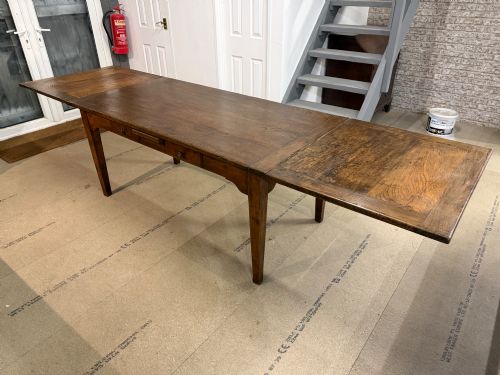
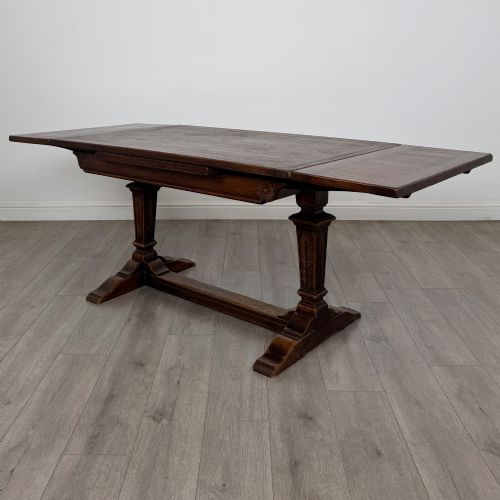
- A dining table equipped with two sliding leaves stored underneath the main top that pull out to extend the surface length. This mechanism allows quick adjustment for larger gatherings.
- Gateleg table
- A drop leaf table featuring hinged legs that swing outward to support the raised side flaps. When the flaps drop down, the table occupies minimal floor space.
- Refectory table
- A long, narrow dining table traditionally supported by substantial legs and low stretchers. These pieces often incorporate pull-out extensions at either end.
- Patina
- The surface sheen and colour developed by timber over long periods through handling, wax, and age. Fine patination indicates minimal disturbance to the original wood.
- Bobbin turned
- Timber turned on a lathe to create a series of spherical or spool-shaped ornaments along the length of a leg. This decorative turning is typical of seventeenth-century joinery.
Vintage Oak Leaf Table: Frequently Asked Questions
How do draw leaf tables work?
Draw leaf tables utilise two hidden leaves positioned directly beneath the main tabletop. These leaves slide out from each end on runners, causing the central top to rise slightly and settle flush with the extensions.
This mechanism allows the table surface to expand rapidly without requiring loose leaves to be stored separately elsewhere in the home.
Where were gateleg tables used?
Gateleg tables served versatile functions in historical homes, moving between kitchens, parlours, and dining rooms as required. Their folding flaps made them easy to push against a wall when not in use.
In modern interiors, these pieces function effectively as compact dining tables or occasional side surfaces that open out when extra room is needed.
How can I tell a seventeenth century table from a 1920s revival piece?
Seventeenth-century examples display distinct hand-tool marks, pegged mortise and tenon joints, and timber shrinkage consistent with centuries of age. The patination is deep and unforced.
Revival pieces from the Edwardian era or the 1920s often utilise machine-sawn components, standardised hardware, and cleaner interior framing while deliberately mimicking earlier Jacobean styles.
How do I care for vintage oak furniture?
Maintain vintage oak by applying natural beeswax sparingly and buffing with a soft cloth to nourish the grain. Avoid placing timber tables near direct heat sources or strong sunlight to prevent warping and splitting.
Keep surfaces dry and use protective mats under hot dishes or liquids to preserve the original finish and accumulated patination.