


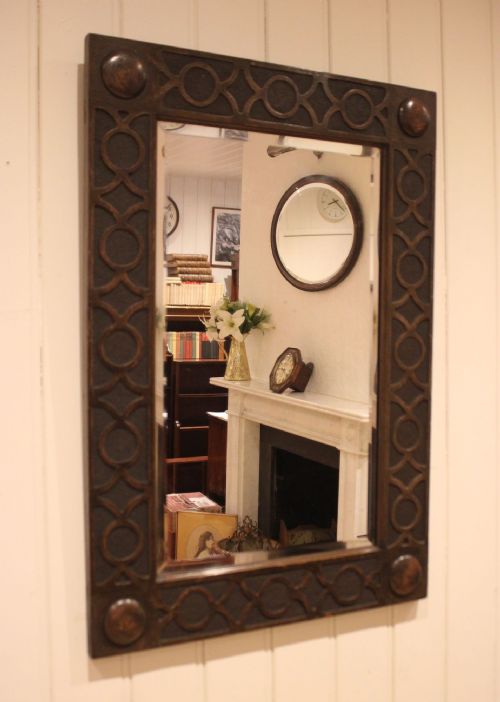

Vintage Oak Glass Mirror
A vintage oak glass mirror brings solid timber grain and clear reflection into a hallway or bedroom.
Vintage Oak Glass Mirror
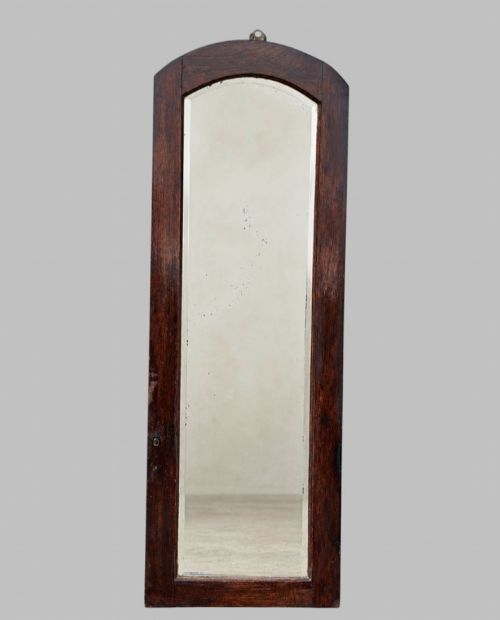
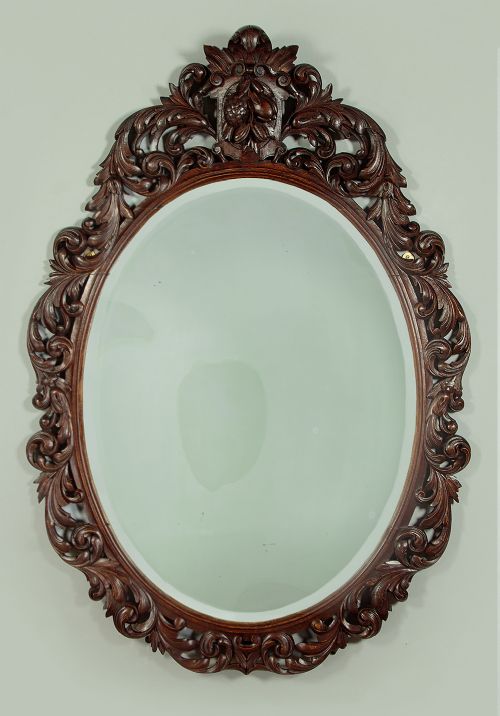
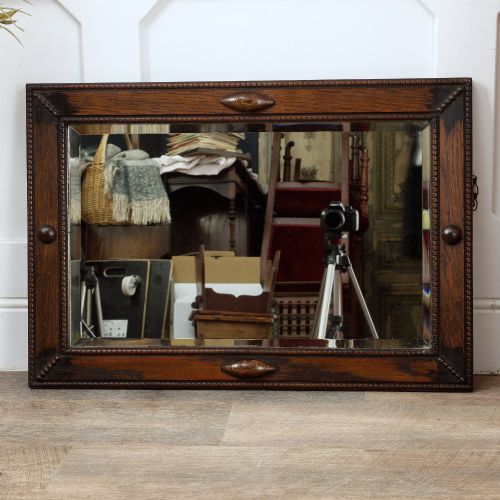
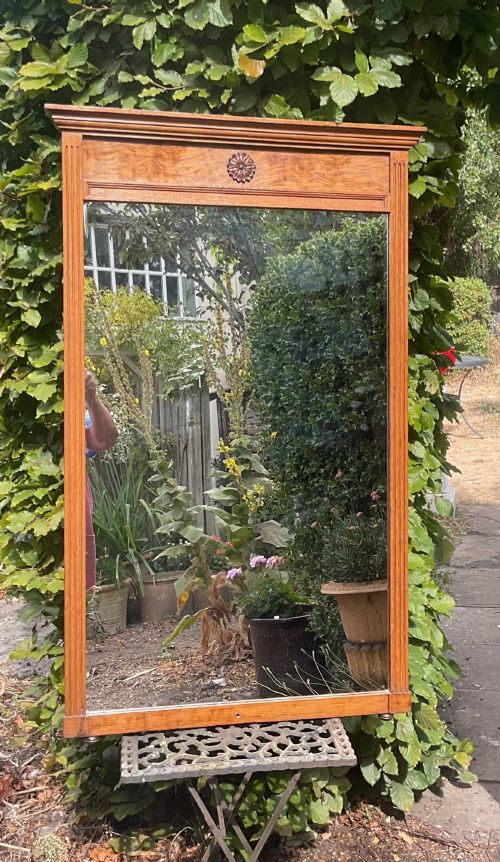
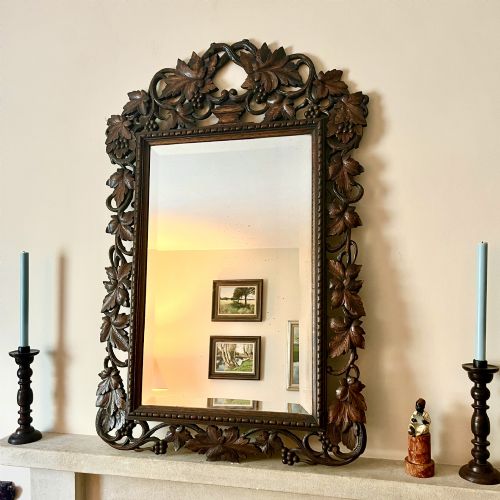
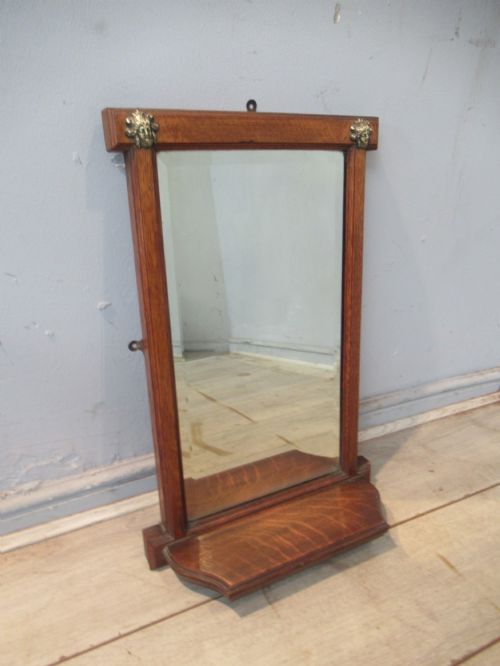
A vintage oak glass mirror combines sturdy timber frames with traditional reflective glass plates, designed primarily for wall hanging or dressing use. When you search for a vintage oak glass mirror, you encounter pieces spanning from the late nineteenth century through the Edwardian period and into the nineteen-twenties. These range from simple oval wall frames to substantial overmantel designs carved in revival styles.
Materials and construction methods
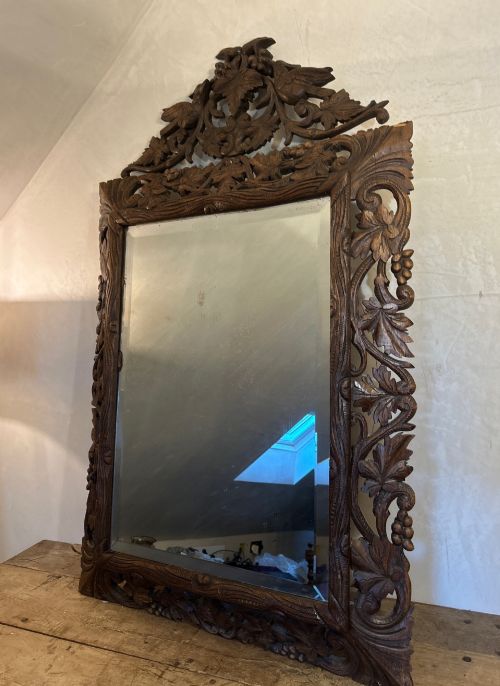
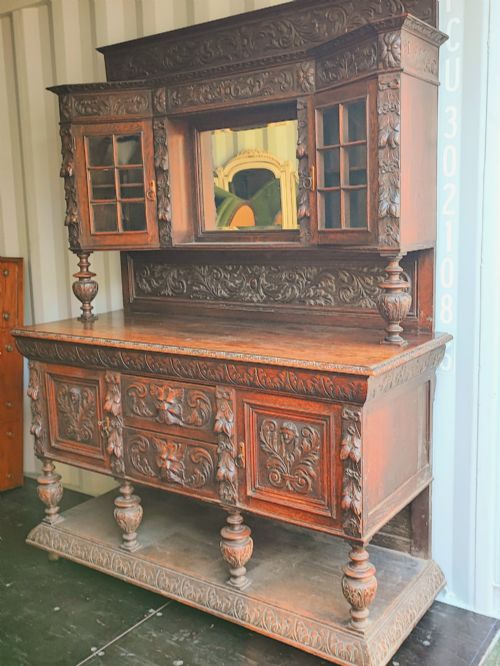
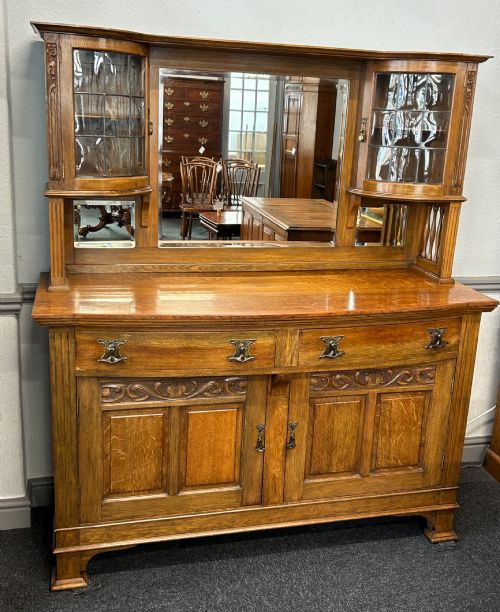
Makers built these frames using solid oak timbers, occasionally incorporating gesso and gold leaf for decorative highlights or brass for structural brackets and hooks. The wood was frequently carved by hand with floral or geometric motifs, reflecting revival movements such as Arts and Crafts, Jacobean, and French Rococo. Sideboards and cabinets in the evidence show that furniture makers applied similar joinery techniques to smaller mirror frames.
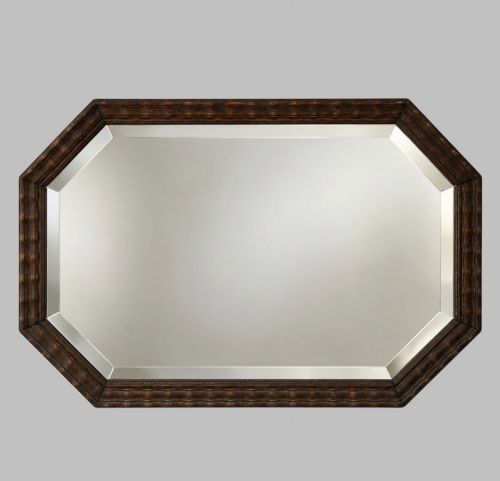
The glass plates inside these frames typically feature hand-bevelled edges that catch the light at shallow angles. Backboards consist of thick timber panels secured with traditional fixings to protect the silvered mirror backing from damp and dust. Original plates often display minor foxing and surface bubbles that confirm their age.
Gypsy style mirrors and tobacco advertisements share the timeline with solid oak furniture, proving Victorians loved both heavy timber and novelty items.
Assessing quality in construction and design
Quality rests upon the depth and crispness of the timber carving, the thickness of the oak frame, and the integrity of the joints at each corner. Superior examples exhibit tightly fitted mitres and substantial backing boards rather than thin plywood substitutes. The presence of original gesso ornamentation and untouched mirror plates elevates a piece significantly.
The weight of the timber and the clarity of the bevelled glass plate distinguish standard utility mirrors from exceptional works. Pieces associated with notable cabinet makers demonstrate superior attention to detail in the grain selection and the finishing of the wood.
Waring and Gillow
The Vintage Oak Glass Mirror Glossary
- Bevelled glass
- A glass mirror plate with edges ground and polished at an angle to create a sloping border. This technique adds depth and refraction to the reflection.
- Overmantel mirror
- A large horizontal mirror designed specifically to hang on the wall directly above a fireplace mantelpiece. These often incorporate multiple glass panels or elaborate carved frames.
- Gesso
- A plaster-based material applied to wooden frames as a smooth base for gilding or paint. It allows artisans to mould intricate relief decoration.
- Cheval mirror
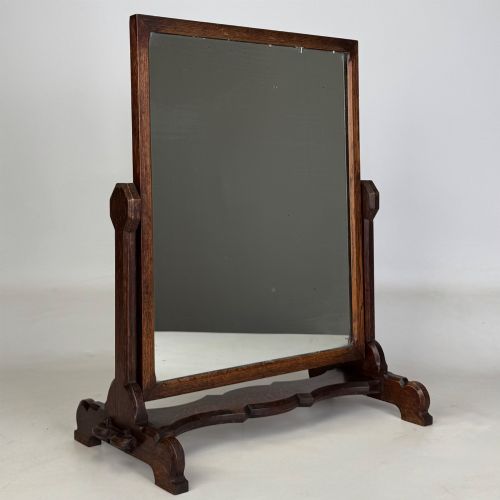
- A freestanding full-length mirror suspended in a frame on pivots, allowing the glass to tilt. They appeared frequently in bedrooms during the Victorian and Edwardian periods.
- Marquetry
- A decorative technique where thin slices of different woods are fitted together to form pictorial patterns on a wooden surface.
Vintage Oak Glass Mirror: Frequently Asked Questions
How do I hang a heavy oak mirror safely?
Heavy antique mirrors require robust fixings screwed directly into wall studs or masonry rather than standard plasterboard anchors. Use a sturdy picture wire or metal brackets rated well above the weight of the timber frame.
Ensure the hanging cord or chain is securely fastened to the original frame structure to prevent accidental slips.
What is the difference between Victorian and Edwardian oak mirrors?
Victorian mirrors often feature darker finishes, heavier proportions, and deep, ornate carvings influenced by Gothic or Renaissance revivals. They project a sense of solid permanence.
Edwardian examples tend to be lighter in tone, sometimes utilising blonde oak, with simpler lines that align with the Arts and Crafts movement.
Can I clean the original mirror glass safely?
Clean the glass plate using a soft microfibre cloth and a mild, ammonia-free glass cleaner sprayed onto the cloth rather than directly onto the mirror. This prevents liquid from seeping behind the glass and damaging the silver backing.
Take care around the edges where the silvering is most vulnerable to moisture ingress and foxing.
Where should I place an overmantel mirror?
An overmantel mirror sits naturally above a fireplace, reflecting light and creating a focal point in a principal reception room. You can also mount them lower on a living room wall to bounce natural light across the space.
Ensure the scale of the mirror matches the width of the fireplace or console table below it for visual balance.